
Now Reading: Best place to visit in Podgorica
-
01
Best place to visit in Podgorica
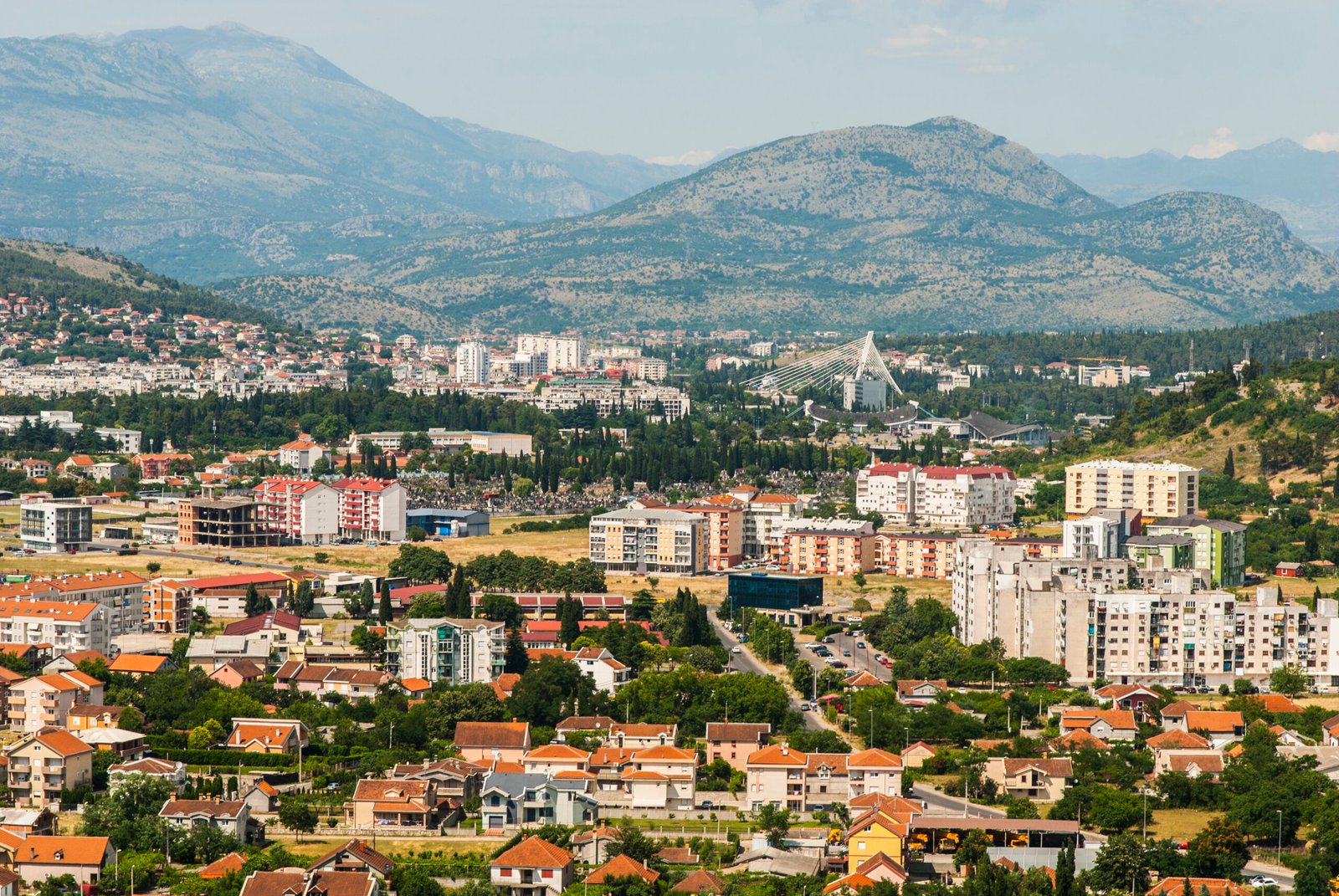
Best place to visit in Podgorica

Podgorica, the capital of Montenegro, is a fascinating destination where ancient history, modern development, scenic rivers, and Balkan culture come together. Located at the confluence of several rivers and surrounded by mountains, vineyards, and natural landscapes, Podgorica serves as the political, economic, and cultural heart of Montenegro.
Although many travelers use Podgorica as a gateway to Montenegro’s famous coastline and mountain regions, the city itself offers a wealth of attractions and experiences. Throughout its long history, Podgorica has been influenced by Illyrians, Romans, Byzantines, Ottomans, and modern European cultures, leaving behind a diverse collection of historical landmarks and cultural treasures.
Today, visitors can explore ancient ruins, Ottoman-era monuments, modern architecture, beautiful parks, vibrant cafés, and scenic riverbanks while experiencing the welcoming hospitality for which Montenegro is known.
Whether you’re interested in history, architecture, nature, photography, or discovering an authentic Balkan capital, Podgorica provides a rewarding and memorable travel experience.
1. Millennium Bridge – The Modern Symbol of Podgorica

One of the most recognizable landmarks in the city is the impressive Millennium Bridge.
Completed in 2005, this elegant cable-stayed bridge spans the Morača River and has become a symbol of modern Podgorica.
Its striking design beautifully contrasts with the natural scenery surrounding it, creating one of the city’s most photographed locations.
Visitors often walk across the bridge to enjoy panoramic views of the river and city skyline.
The bridge represents Montenegro’s modern development while highlighting the beauty of its capital.
2. Old Town (Stara Varoš) – A Glimpse into Ottoman Heritage

The historic Stara Varoš offers visitors a fascinating look into the city’s Ottoman past.
This charming neighborhood preserves remnants of traditional architecture, narrow streets, historic houses, mosques, and cultural landmarks that date back centuries.
Walking through the district reveals a quieter and more traditional side of Podgorica.
Visitors can admire historical buildings while learning about the diverse influences that shaped the city’s development.
The area remains one of Podgorica’s most important heritage sites.
3. Clock Tower – A Historic Landmark

Among the most significant monuments in Podgorica is the historic Clock Tower.
Built during the Ottoman period in the seventeenth century, the tower stands as one of the few surviving structures from that era.
Its elegant design and historical significance make it a prominent feature of the cityscape.
Visitors can admire the tower while exploring nearby streets and cultural attractions.
The monument serves as a reminder of Podgorica’s rich and diverse history.
4. Cathedral of the Resurrection of Christ – A Modern Masterpiece

One of Montenegro’s most impressive religious landmarks is the magnificent Cathedral of the Resurrection of Christ.
Completed in the twenty-first century, the cathedral features stunning architecture, intricate mosaics, elaborate frescoes, and beautiful religious artwork.
Visitors can admire its grand interior and experience one of the most significant spiritual centers in Montenegro.
The cathedral combines traditional Orthodox design with modern craftsmanship.
Its beauty and scale make it a must-visit attraction.
5. Morača River – The Lifeline of the Capital

Flowing through the heart of the city is the beautiful Morača River.
The river creates dramatic landscapes, scenic viewpoints, and recreational opportunities throughout Podgorica.
Visitors can enjoy riverside walks, photography, and peaceful moments while admiring the crystal-clear waters and surrounding cliffs.
The Morača River contributes significantly to the city’s natural beauty.
Its presence adds a refreshing contrast to the urban environment.
6. Ribnica Bridge – One of Podgorica’s Oldest Structures

Near the confluence of the Ribnica and Morača rivers stands the historic Ribnica Bridge.
Often referred to as the Old Bridge, this charming stone structure dates back centuries and remains one of the city’s oldest surviving landmarks.
Visitors can enjoy scenic views while learning about Podgorica’s historical development.
The bridge is particularly picturesque during sunset.
Its simplicity and historical significance make it a favorite among photographers.
7. Independence Square – The Heart of Modern Podgorica

The lively Independence Square serves as the city’s main public gathering place.
Surrounded by shops, cafés, government buildings, and cultural institutions, the square hosts events, celebrations, concerts, and community gatherings throughout the year.
Visitors can relax, enjoy local cuisine, and observe daily life in Montenegro’s capital.
The square reflects the city’s modern identity and vibrant atmosphere.
It remains one of Podgorica’s most active social spaces.
8. Lake Skadar National Park – Montenegro’s Natural Wonder

A short drive from the city brings visitors to the breathtaking Lake Skadar National Park.
The largest lake in the Balkans is famous for its extraordinary biodiversity, birdlife, wetlands, islands, monasteries, and scenic beauty.
Visitors can enjoy boat tours, kayaking, wildlife observation, and photography while exploring one of Southeast Europe’s most important natural habitats.
The lake provides a perfect day trip from Podgorica.
Its landscapes are among Montenegro’s most spectacular.
9. Cijevna Waterfalls – A Hidden Gem

One of the region’s hidden treasures is the beautiful Cijevna Waterfall
Often nicknamed the “Niagara Falls of Montenegro,” these waterfalls offer stunning natural scenery, especially during periods of high water flow.
Visitors can relax by the river, enjoy local restaurants, and capture beautiful photographs.
The area is popular among locals seeking a peaceful escape from city life.
Its natural beauty makes it a worthwhile excursion.
10. Montenegrin Cuisine and Wine Culture

Podgorica is a wonderful destination for food and wine lovers.
The surrounding region produces excellent wines, fresh vegetables, cheeses, olive oils, and traditional Balkan specialties. Visitors can enjoy grilled meats, seafood, homemade pastries, local desserts, and authentic Montenegrin dishes prepared with fresh ingredients.
The city’s restaurants range from traditional taverns to modern dining establishments.
Meals are often accompanied by warm hospitality and excellent local wines.
Experiencing Podgorica’s culinary culture is an essential part of any visit.
Related artical : Best place to visit in Maribor