
Now Reading: Best place to visit in Bairiki
-
01
Best place to visit in Bairiki
Best place to visit in Bairiki

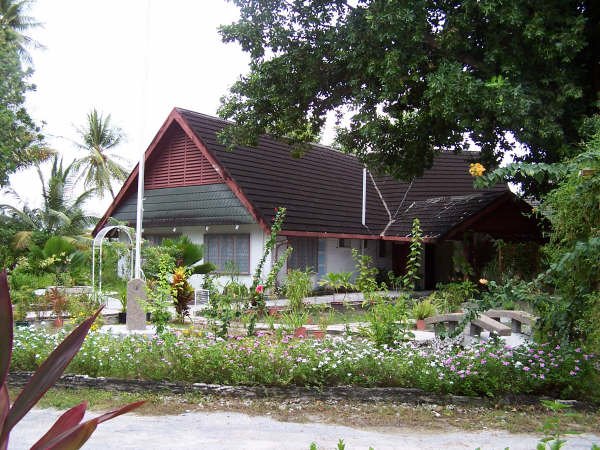
Bairiki is one of the most important districts of Kiribati and serves as the administrative center of the nation. Located on the South Tarawa Atoll, Bairiki plays a central role in the political, cultural, and historical life of Kiribati. Although small in size, this fascinating island district offers visitors a unique opportunity to experience the authentic lifestyle, history, traditions, and natural beauty of one of the world’s most remote island nations.
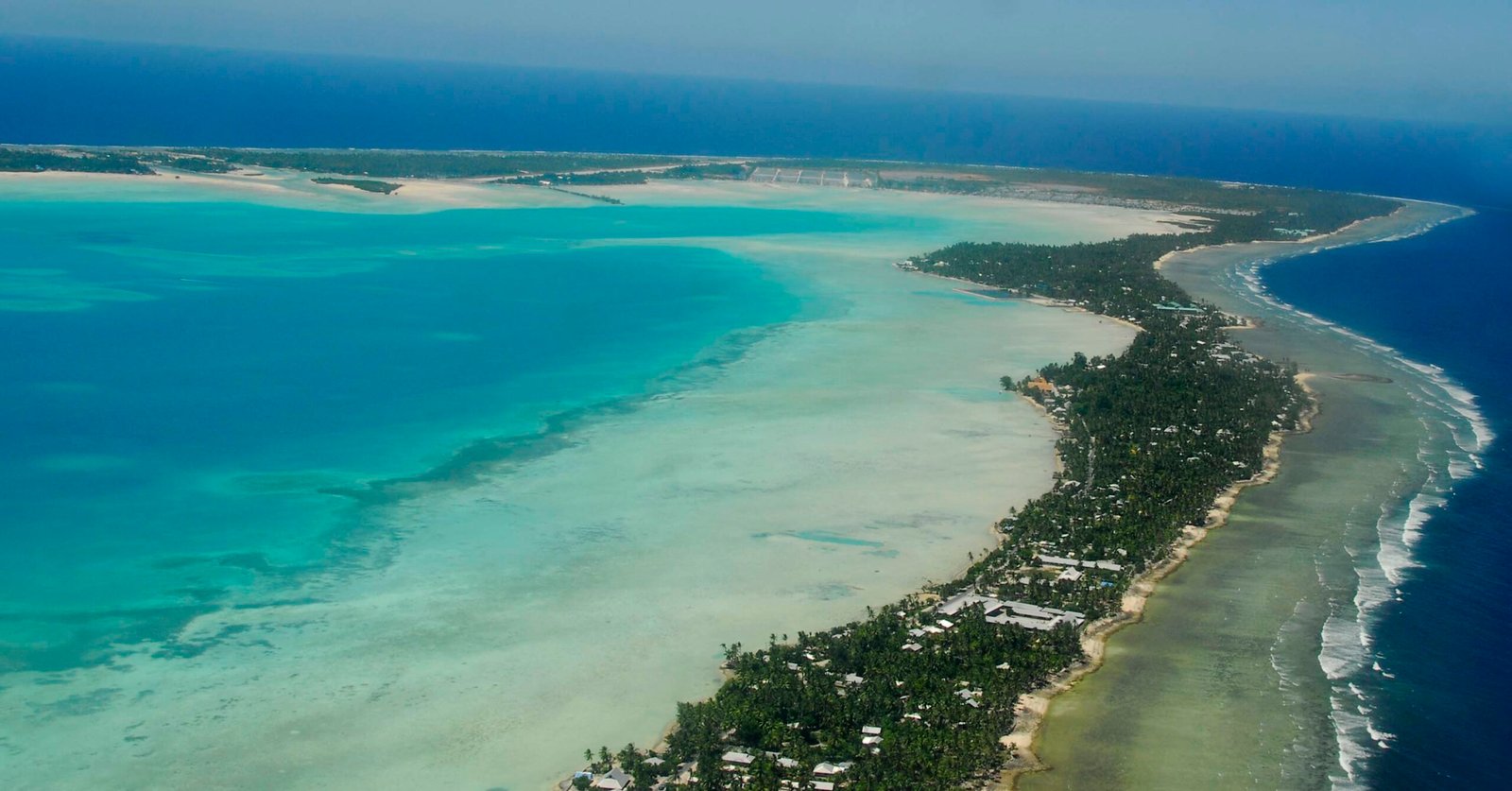
Connected to neighboring islets by causeways that stretch across turquoise lagoons, Bairiki provides a glimpse into everyday life in Kiribati. Visitors can explore government institutions, historical landmarks, traditional communities, local markets, beautiful coastal scenery, and important cultural sites while experiencing the warm hospitality of the I-Kiribati people.
Unlike heavily commercialized destinations, Bairiki offers a genuine Pacific Island experience where local customs, community life, and traditional values remain deeply rooted in society.
Whether you’re interested in history, culture, island life, photography, or exploring lesser-known destinations, Bairiki offers a rewarding journey into the heart of Kiribati.
1. Parliament House – The Political Center of Kiribati

One of the most significant landmarks in Bairiki is the Parliament House.
As the seat of government, this building plays a central role in the nation’s political affairs. Visitors can admire its modern architecture while learning about the democratic institutions that guide Kiribati.
The surrounding government district includes ministries, administrative offices, and important national institutions.
The area offers insight into how one of the Pacific’s most remote countries manages its governance and development.
For those interested in politics and national history, it is an important place to visit.
2. South Tarawa Lagoon – A Stunning Natural Setting

The beautiful South Tarawa Lagoon surrounds Bairiki and provides some of the most picturesque scenery in the country.
Crystal-clear waters, coral formations, and tropical coastlines create a breathtaking environment that defines life on the atoll.
Visitors can enjoy leisurely walks along the shoreline, observe traditional fishing activities, and admire spectacular sunrises and sunsets over the Pacific Ocean.
The lagoon remains a vital source of food, transportation, and recreation for local communities.
Its beauty is one of Bairiki’s greatest natural attractions.
3. Bairiki Square – Community and Cultural Life

At the heart of the district lies the central public area commonly known as Bairiki Square.
This gathering space hosts community events, national celebrations, public meetings, and cultural activities throughout the year.
Visitors can experience local traditions, observe community interactions, and gain insight into the social fabric of Kiribati.
Festivals often feature traditional dancing, music, storytelling, and ceremonial performances.
The square reflects the strong community spirit that characterizes life in Kiribati.
4. World War II Heritage Sites

Bairiki and the surrounding islands played an important role during World War II, particularly during the Battle of Tarawa.
Visitors can discover remnants of military installations, bunkers, defensive positions, and wartime relics that remain visible today.
These sites provide valuable insight into one of the Pacific War’s most significant battles.
History enthusiasts often find the area’s wartime heritage fascinating and educational.
The preserved relics serve as reminders of a transformative period in the region’s history.
5. Traditional Kiribati Culture and Daily Life

One of the most rewarding aspects of visiting Bairiki is experiencing authentic I-Kiribati culture.
Traditional customs remain an important part of everyday life, influencing social interactions, celebrations, family structures, and community activities.
Visitors can learn about traditional navigation, fishing techniques, weaving, music, and dance while interacting with local residents.
The preservation of cultural heritage gives Bairiki a unique character that distinguishes it from many modern tourist destinations.
Its authenticity leaves a lasting impression on travelers.
6. Sacred Heart Cathedral – A Spiritual Landmark

Religion plays an important role in Kiribati society, and the beautiful Sacred Heart Cathedral serves as an important spiritual center for many residents.
Visitors can admire its architecture, attend services, and learn about the role of Christianity in the nation’s development.
The cathedral contributes significantly to the cultural and social life of the community.
Its peaceful atmosphere offers a place for reflection and understanding.
The church remains one of the district’s most important landmarks.
7. Causeways Connecting the Atoll

One of the most interesting features of Bairiki is its connection to neighboring islands through a network of causeways.
These engineering structures link various districts of South Tarawa and provide spectacular views of the lagoon and ocean on both sides.
Traveling along these roads offers visitors unique perspectives of life on a coral atoll.
The causeways have transformed transportation and communication throughout the region.
They remain essential to the functioning of modern Kiribati.
8. Local Markets and Island Commerce

Visitors interested in local life should explore the markets and small commercial centers around Bairiki.
These areas offer fresh seafood, tropical fruits, handicrafts, household goods, and locally produced items.
The markets provide opportunities to interact with residents and observe daily economic activity.
Shopping here offers insight into the practical realities of life on a remote Pacific atoll.
The vibrant atmosphere reflects the resilience and resourcefulness of local communities.
9. Coastal Walks and Tropical Scenery

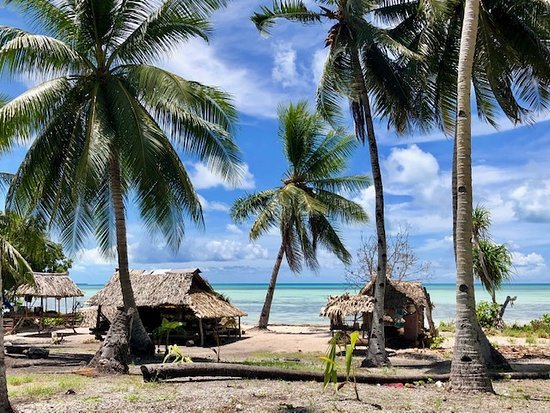
Bairiki’s coastline offers beautiful opportunities for walking, photography, and relaxation.
Palm trees, sandy beaches, coral shores, and crystal-clear waters create classic Pacific island scenery.
Visitors can enjoy peaceful moments beside the ocean while observing fishing boats and daily island activities.
The natural environment remains one of the district’s greatest attractions.
Its simplicity and beauty capture the essence of Kiribati.
10. Experiencing the Spirit of Kiribati

More than any single attraction, Bairiki offers visitors an opportunity to experience the true spirit of Kiribati.
The friendliness of local residents, strong community values, traditional customs, and peaceful island lifestyle create a memorable travel experience.
Visitors often leave with a deeper appreciation for Pacific cultures and the challenges and opportunities facing small island nations.
The district embodies the resilience, warmth, and identity of the I-Kiribati people.
Its authentic character makes it one of the most meaningful destinations in the Pacific.
Related artical : Best place to visit in South Tarawa