
Now Reading: Best place to visit in Kiribati
-
01
Best place to visit in Kiribati
Best place to visit in Kiribati
1. Taborio – A Peaceful Village of Lagoon Beauty and Traditional Kiribati Culture

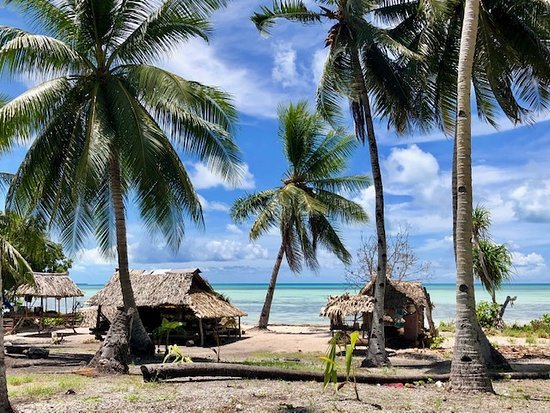
Taborio is a beautiful village located on North Tarawa in Kiribati. Known for its peaceful atmosphere, crystal-clear lagoon waters, and strong cultural traditions, Taborio offers visitors a genuine Pacific Island experience. The village is surrounded by coconut palm groves, sandy beaches, and calm lagoon waters that support fishing and daily community life.
Visitors can explore traditional villages, observe local fishing activities, enjoy scenic coastal walks, and learn about the customs that have shaped Kiribati society for generations. The warm hospitality of residents and the natural beauty of the surroundings make Taborio a memorable destination.
The village remains closely connected to its cultural roots, preserving traditions and community values that continue to define life on the island. For travelers seeking authentic experiences and untouched landscapes, Taborio provides a perfect introduction to the charm of Kiribati.
2. Abaokoro – A Hidden Gem of Natural Beauty and Island Heritage
Abaokoro is a tranquil island settlement where visitors can discover the authentic lifestyle of the I-Kiribati people. Surrounded by turquoise waters and tropical vegetation, the village showcases the natural beauty that makes Kiribati such a remarkable destination.
The community is known for its traditional maneaba meeting houses, fishing culture, and close relationship with the ocean. Visitors can enjoy peaceful walks through coconut groves, interact with local residents, and admire breathtaking views of the lagoon.
Abaokoro offers a slower pace of life where cultural traditions remain strong and community cooperation continues to play an important role. The combination of natural beauty and cultural authenticity makes it one of the most rewarding villages to visit in Kiribati.
3. Bangantebure – A Traditional Village Rich in Culture and Community Spirit

Bangantebure is a charming village that reflects the traditional values and community spirit of Kiribati. The area is known for its peaceful environment, strong family connections, and beautiful coastal scenery.
Visitors can experience authentic island life while exploring village pathways, traditional gathering spaces, and scenic waterfront areas. The community continues to preserve cultural customs, storytelling traditions, and local crafts that have been passed down through generations.
Fishing and coconut cultivation remain important aspects of daily life, providing visitors with insight into the sustainable practices that support island communities. Bangantebure offers a unique opportunity to connect with local culture while enjoying the beauty of the Pacific environment.
4. Taborio – The Gateway to North Tarawa’s Natural Wonders

Taborio serves as one of the most scenic communities on North Tarawa, offering visitors access to stunning lagoon views and authentic village experiences. The area is characterized by sandy beaches, coconut forests, and calm waters that create an idyllic tropical setting.
The village is deeply connected to the ocean, with fishing traditions playing a central role in daily life. Visitors can observe local fishermen, explore coastal pathways, and enjoy panoramic views of the lagoon and surrounding islands.
The welcoming nature of the community and the peaceful atmosphere make Taborio an excellent destination for travelers seeking relaxation and cultural discovery.
5. Utiroa – A Beautiful Coastal Settlement Surrounded by Nature

Utiroa is a picturesque village that offers visitors a chance to experience the natural beauty and cultural heritage of Kiribati. The settlement is surrounded by pristine beaches, clear lagoon waters, and lush coconut palms that create a stunning tropical landscape.
The community maintains strong cultural traditions and continues to rely on fishing and local resources for its livelihood. Visitors can enjoy peaceful walks along the coastline, observe daily village life, and learn about traditional customs that remain important to the local population.
The serene environment and friendly atmosphere make Utiroa an ideal destination for those looking to experience authentic Pacific Island living.
6. Tebiauea – A Village of Tradition, History, and Ocean Beauty

Tebiauea is known for its rich cultural heritage and beautiful coastal landscapes. The village provides visitors with opportunities to explore traditional community life while enjoying spectacular views of the Pacific Ocean.
The local maneaba serves as an important center for social and cultural activities, reflecting the values of cooperation and community that define Kiribati society. Fishing, storytelling, and cultural celebrations continue to play significant roles in daily life.
Visitors can explore the village, interact with residents, and gain a deeper appreciation for the traditions that have shaped the island for generations.
7. Koinawa – A Peaceful Island Community with Stunning Lagoon Views

Koinawa is a tranquil village surrounded by breathtaking lagoon scenery and tropical vegetation. The community offers visitors a chance to experience the simplicity and beauty of island life while learning about the customs and traditions of the I-Kiribati people.
The village’s connection to the lagoon is evident in its fishing culture and maritime heritage. Visitors can observe traditional practices, enjoy scenic walks, and admire the crystal-clear waters that define the landscape.
Koinawa’s peaceful atmosphere and strong cultural identity make it one of the most charming destinations in Kiribati.
8. Tekaman – Discovering the Authentic Heart of Kiribati
Tekaman is a traditional settlement that showcases the authentic character of Kiribati. The village is surrounded by natural beauty, including sandy beaches, coconut forests, and scenic lagoon waters.
Visitors can experience daily life in a close-knit community where cultural traditions remain an important part of local identity. Fishing, weaving, and communal gatherings continue to play significant roles in village life.
The welcoming residents and beautiful environment create memorable experiences for travelers seeking meaningful cultural connections.
9. Onotoa Village – A Historic Island Destination Rich in Culture

Located on Onotoa Atoll, Onotoa Village is known for its rich history, beautiful lagoon, and strong cultural traditions. The village offers visitors an opportunity to explore one of the most historically significant islands in the Gilbert Islands.
Traditional meeting houses, cultural landmarks, and fishing communities provide insight into the island’s heritage. Visitors can enjoy stunning coastal views, interact with local residents, and learn about the customs that continue to shape life on the atoll.
The combination of natural beauty and cultural significance makes Onotoa Village a fascinating destination for travelers.
10. Beru Village – An Island of Heritage, Beaches, and Pacific Charm

Situated on Beru Atoll, Beru Village is one of the most culturally important communities in Kiribati. The village is known for its beautiful beaches, traditional customs, and strong sense of community.
Visitors can explore historic sites, observe traditional fishing practices, and enjoy the stunning coastal scenery that surrounds the island. The village remains deeply connected to its cultural heritage, preserving customs and traditions that have been passed down through generations.
The warm hospitality of residents, combined with the island’s natural beauty, makes Beru Village an unforgettable destination for anyone seeking an authentic Pacific Island experience.
11. Kiritimati Island – The World’s Largest Coral Atoll and Kiribati’s Natural Paradise

Kiritimati, commonly known as Christmas Island, is one of the most extraordinary destinations in the Pacific Ocean. Covering more than 600 square kilometers, it is the world’s largest coral atoll by land area and one of Kiribati’s most famous attractions.
The island is renowned for its spectacular lagoons, world-class fishing, abundant birdlife, pristine beaches, and remote natural beauty. Visitors travel from around the world to experience its untouched landscapes, crystal-clear waters, and incredible marine biodiversity.
Kiritimati is also famous for sport fishing, particularly bonefishing, which attracts anglers seeking some of the best fishing opportunities on Earth. The island’s vast lagoons and coral reefs provide habitats for countless species of fish and seabirds.
Whether exploring remote beaches, observing wildlife, or enjoying the peaceful atmosphere, visitors quickly discover why Kiritimati is considered one of the Pacific’s greatest natural treasures.
12. Tarawa Atoll – The Political and Cultural Heart of Kiribati

Tarawa Atoll is the most important atoll in Kiribati and serves as the country’s political, economic, and cultural center. Divided into North Tarawa and South Tarawa, the atoll is home to government institutions, educational facilities, businesses, and vibrant local communities.
The atoll combines stunning lagoon scenery with fascinating history, particularly its role during World War II. Visitors can explore beautiful coastlines, traditional villages, cultural landmarks, and historical sites while learning about the development of modern Kiribati.
Tarawa’s turquoise waters, coral reefs, and tropical landscapes provide endless opportunities for photography and exploration. The atoll offers a perfect balance between natural beauty and cultural experiences.
As the gateway to Kiribati, Tarawa Atoll remains one of the country’s most visited and significant destinations.
13. Betio – A Historic Island Shaped by World War II

Betio is one of Kiribati’s most historically significant locations. Best known as the site of the famous Battle of Tarawa during World War II, Betio attracts visitors interested in military history and cultural heritage.
The island contains numerous wartime relics, bunkers, coastal defenses, and memorials that serve as reminders of one of the Pacific War’s most important battles. Visitors can explore these sites while learning about the events that shaped modern history.
Today, Betio also functions as a major commercial and transportation center. Its busy harbor, vibrant community, and scenic coastline create a fascinating blend of history and contemporary island life.
The combination of historical significance and local culture makes Betio a unique destination within Kiribati.
14. Ambo Island – A Scenic Coastal Community of South Tarawa

Ambo is a beautiful district located on South Tarawa. Known for its coastal scenery, lagoon views, and welcoming communities, Ambo offers visitors a peaceful introduction to everyday life in Kiribati.
The area features traditional neighborhoods, educational institutions, community centers, and scenic waterfronts where visitors can observe fishing activities and local culture.
Ambo’s lagoon shoreline provides excellent opportunities for photography and relaxation, while its cultural atmosphere allows travelers to experience authentic I-Kiribati traditions.
The district combines natural beauty with a strong sense of community, making it one of South Tarawa’s most appealing destinations.
15. Banaba Island – Kiribati’s Most Unique and Historic Island

Banaba stands apart from every other island in Kiribati. Unlike the country’s low-lying coral atolls, Banaba is a raised limestone island known for its dramatic cliffs, unique geology, and fascinating history.
The island was once one of the world’s most important phosphate mining centers, and visitors can still see remnants of this industrial heritage. The mining industry significantly transformed the landscape and influenced the history of both Banaba and Kiribati.
Today, Banaba offers rugged scenery, coastal viewpoints, historical landmarks, and a powerful story of resilience. Its distinctive landscape makes it one of the most unusual and intriguing destinations in the Pacific.
Visitors interested in history, geology, and culture will find Banaba particularly rewarding.
16. Abaiang Atoll – A Tropical Escape of Lagoons and Traditional Villages

Abaiang Atoll is one of the most beautiful outer islands in the Gilbert group. Known for its pristine beaches, crystal-clear lagoons, and traditional villages, Abaiang provides an authentic Pacific Island experience.
Visitors can explore scenic coastlines, enjoy birdwatching, learn about local customs, and experience life in communities that remain deeply connected to tradition.
The atoll’s calm lagoon waters support fishing, transportation, and recreation while creating some of the most beautiful scenery in Kiribati.
Abaiang’s peaceful atmosphere and natural beauty make it an ideal destination for travelers seeking tranquility and cultural discovery.
17. Butaritari Atoll – The Green Jewel of Kiribati

Butaritari Atoll is often called the “Green Island” of Kiribati due to its abundant vegetation and fertile environment.
Unlike many drier atolls, Butaritari receives higher rainfall, creating lush landscapes filled with coconut palms, breadfruit trees, and tropical plants.
The atoll is known for its beautiful lagoon, traditional villages, historical sites, and rich agricultural heritage. Visitors can enjoy nature walks, cultural experiences, and scenic coastal views while exploring one of Kiribati’s most fertile islands.
Its vibrant greenery makes Butaritari one of the most visually distinctive destinations in the country.
18. Marakei Atoll – The Sacred Atoll of Ancient Traditions
Marakei Atoll is famous throughout Kiribati for its cultural significance and traditional customs.
The atoll is known for ancient legends, sacred sites, and ceremonial traditions that continue to play an important role in local identity. Visitors can explore beautiful lagoons, traditional villages, and cultural landmarks while learning about the island’s fascinating history.
Marakei’s circular lagoon, scenic beaches, and peaceful atmosphere create an unforgettable setting for exploration.
The combination of cultural heritage and natural beauty makes Marakei one of the most unique destinations in Kiribati.
19. Maiana Atoll – A Peaceful Island of Tradition and Natural Beauty

Maiana Atoll offers visitors a peaceful and authentic island experience. The atoll is characterized by beautiful lagoon waters, traditional communities, coconut groves, and scenic coastlines.
Fishing remains an important part of daily life, and visitors can observe traditional practices while exploring the island’s natural beauty.
The calm atmosphere of Maiana allows travelers to experience the slower pace of life that defines many of Kiribati’s outer islands.
Its welcoming communities and untouched landscapes create memorable experiences for visitors seeking genuine cultural connections.
20. Kuria Atoll – A Hidden Paradise of Culture and Coastal Beauty
Kuria Atoll is one of Kiribati’s lesser-known treasures, offering visitors a combination of stunning natural scenery and authentic cultural experiences.
The atoll features crystal-clear lagoons, beautiful beaches, traditional villages, and strong community traditions. Visitors can explore coastal landscapes, interact with local residents, and learn about the customs that continue to shape island life.
Kuria’s peaceful environment provides an ideal setting for relaxation, photography, and cultural exploration.
Its natural beauty, friendly communities, and traditional lifestyle make Kuria Atoll one of Kiribati’s most rewarding hidden gems.
21. Aranuka Atoll – The Legendary Atoll of Kiribati’s Ancient Traditions and Natural Beauty

Aranuka Atoll is one of the most culturally important islands in Kiribati and is often associated with some of the country’s oldest legends and traditional stories. Located in the central Gilbert Islands, Aranuka is renowned for its beautiful lagoon, pristine beaches, coconut forests, and strong cultural identity.
The atoll consists of several islets connected by stunning coastal landscapes and crystal-clear waters. For centuries, Aranuka has played an important role in Kiribati’s history and is considered by many locals to be one of the birthplaces of traditional Gilbertese culture.
Visitors can explore traditional villages, scenic coastlines, and historical landmarks while learning about the fascinating myths and customs that have been preserved for generations. The island’s peaceful atmosphere provides an ideal environment for relaxation and cultural discovery.
The surrounding lagoon offers exceptional opportunities for photography, birdwatching, fishing, and enjoying the natural beauty of the Pacific Ocean. Coconut palms sway in the tropical breeze while local communities continue to maintain a lifestyle deeply connected to the sea.
Aranuka remains one of Kiribati’s most rewarding destinations for travelers seeking authentic cultural experiences and breathtaking island scenery.
22. Tabiteuea Atoll – The Largest and Most Historic Atoll in the Gilbert Islands

Tabiteuea Atoll is one of the largest and most historically significant atolls in Kiribati. Stretching across a vast area of the southern Gilbert Islands, Tabiteuea is known for its rich cultural heritage, magnificent lagoon, traditional villages, and strong community traditions.
The atoll has long been regarded as an important center of Kiribati culture and history. Traditional maneaba meeting houses remain central to village life, serving as places for ceremonies, celebrations, and community gatherings.
Visitors can explore pristine beaches, peaceful lagoon shores, and charming villages while learning about customs that have shaped local society for centuries. The island’s extensive coastline offers spectacular views of turquoise waters and endless Pacific horizons.
Fishing remains a cornerstone of life on Tabiteuea, and visitors can observe local fishermen using techniques passed down through generations. The island’s natural beauty, combined with its cultural significance, makes it one of the most fascinating destinations in Kiribati.
Whether exploring historic sites or enjoying the serenity of the lagoon, travelers will find Tabiteuea unforgettable.
23. Nonouti Atoll – A Tropical Paradise of Culture, History, and Lagoon Adventures

Nonouti Atoll is a spectacular atoll known for its beautiful lagoon, rich cultural heritage, and friendly communities. Located in the southern Gilbert Islands, Nonouti offers visitors a unique blend of natural beauty and authentic island life.
The atoll features long stretches of sandy beaches, coconut palm forests, and crystal-clear lagoon waters that create some of the most picturesque scenery in Kiribati. Visitors can explore traditional villages where local customs remain an important part of everyday life.
Nonouti is also home to historical landmarks and cultural sites that tell the story of the island’s past. Community gatherings, traditional dances, and local crafts provide valuable insight into the vibrant culture of the I-Kiribati people.
Nature lovers will appreciate the abundance of birdlife and marine ecosystems that thrive within the lagoon environment. The peaceful atmosphere and untouched landscapes make Nonouti an excellent destination for relaxation and exploration.
24. Beru Atoll – A Historic Island Rich in Heritage and Natural Beauty

Beru Atoll is one of the most culturally significant islands in the Gilbert group. The atoll is known for its historical importance, beautiful beaches, and strong community traditions that continue to shape daily life.
Visitors can explore traditional villages, scenic coastlines, and important cultural landmarks while learning about the island’s fascinating history. Beru played an important role in the development of Christianity and education within Kiribati, making it a place of both cultural and historical significance.
The island’s lagoon and coastal areas offer stunning views and opportunities for photography, fishing, and wildlife observation. Coconut groves and tropical vegetation contribute to the island’s natural charm.
Beru’s welcoming communities and rich heritage make it one of the most rewarding destinations for travelers seeking authentic Pacific Island experiences.
25. Nikunau Atoll – The Rugged Island of Ancient Traditions and Ocean Views

Nikunau Atoll is known for its dramatic coastline, strong cultural identity, and deep-rooted traditions. Unlike many lagoon-dominated atolls, Nikunau features rugged coral shores facing the powerful Pacific Ocean.
Visitors can explore scenic coastal pathways, traditional villages, and cultural landmarks that reveal the island’s unique heritage. The atoll is famous for its storytelling traditions, sacred sites, and community values that have been preserved for generations.
The island’s natural beauty is characterized by coconut forests, dramatic ocean views, and spectacular sunsets. Fishing and traditional crafts continue to play important roles in daily life.
Nikunau offers travelers an authentic and unforgettable glimpse into the history and culture of Kiribati.
26. Onotoa Atoll – A Historic Lagoon Paradise of Southern Kiribati

Onotoa Atoll is one of the most beautiful atolls in the southern Gilbert Islands. Famous for its large lagoon, rich traditions, and scenic landscapes, Onotoa provides visitors with a perfect combination of culture and nature.
The atoll’s villages maintain strong cultural customs and continue to celebrate traditional ceremonies that reflect the island’s heritage. Visitors can enjoy peaceful walks along lagoon shores, explore local communities, and experience the hospitality of island residents.
Fishing, weaving, and community gatherings remain central to life on Onotoa. The island’s breathtaking sunsets and crystal-clear waters create unforgettable memories for travelers.
Onotoa remains a hidden treasure waiting to be discovered.
27. Tamana Island – The Remote Jewel of the Gilbert Islands

Tamana Island is one of the smallest and most remote inhabited islands in the country. Despite its size, Tamana is rich in culture, history, and natural beauty.
The island is known for its traditional lifestyle, close-knit community, and stunning coastal scenery. Visitors can experience authentic village life while exploring sandy beaches, coconut groves, and scenic viewpoints overlooking the Pacific Ocean.
Tamana offers a peaceful environment where visitors can disconnect from modern distractions and immerse themselves in the simplicity of island living.
Its isolation and authenticity make it one of Kiribati’s most unique destinations.
28. Arorae Island – Kiribati’s Southernmost Paradise

Arorae Island is the southernmost inhabited island in Kiribati and one of the country’s most remote destinations. The island is known for its rich cultural traditions, scenic coastlines, and historic navigation heritage.
Visitors can explore traditional villages, learn about ancient seafaring practices, and enjoy breathtaking views of the Pacific Ocean. The island’s peaceful atmosphere and natural beauty provide a perfect escape for adventurous travelers.
Arorae’s unique position within Kiribati gives it a distinct cultural identity that continues to thrive today.
The island remains one of the Pacific’s best-kept secrets.
29. Phoenix Islands Protected Area – One of the World’s Largest Marine Protected Areas

Phoenix Islands Protected Area is one of the most important conservation areas on Earth and a UNESCO World Heritage Site.
Covering more than 400,000 square kilometers of ocean, coral reefs, islands, and marine habitats, the protected area safeguards some of the world’s most pristine ecosystems. The region is home to countless species of fish, seabirds, sharks, turtles, and coral formations.
Scientists and conservationists regard the Phoenix Islands as one of the last truly untouched marine environments on the planet.
Visitors interested in marine biology, conservation, and natural history will find the Phoenix Islands extraordinary.
The area’s ecological significance extends far beyond Kiribati.
30. Fanning Island – A Tropical Paradise of Lagoons and Adventure

Tabuaeran is one of Kiribati’s most beautiful and remote islands. Surrounded by a massive lagoon and pristine coral reefs, Fanning Island offers breathtaking scenery and unforgettable adventures.
Visitors can enjoy snorkeling, fishing, kayaking, birdwatching, and exploring traditional island communities. The island’s lagoon is famous for its crystal-clear waters and abundant marine life.
Coconut palms line the shores while traditional villages provide insight into the culture and history of the local population. The peaceful atmosphere makes Fanning Island a perfect destination for travelers seeking relaxation and natural beauty.
Its combination of adventure, culture, and pristine landscapes makes it one of Kiribati’s finest hidden gems.
Related artical : Best place to visit in Taburao