
Now Reading: Best place to visit in Kuwait City
-
01
Best place to visit in Kuwait City
Best place to visit in Kuwait City

Introduction
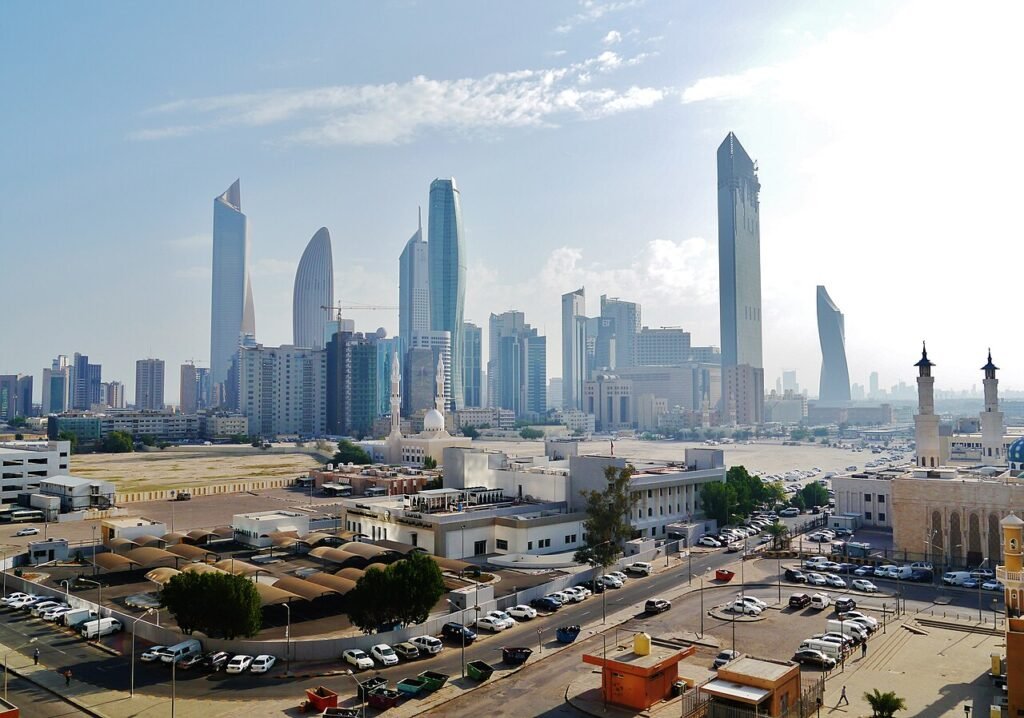
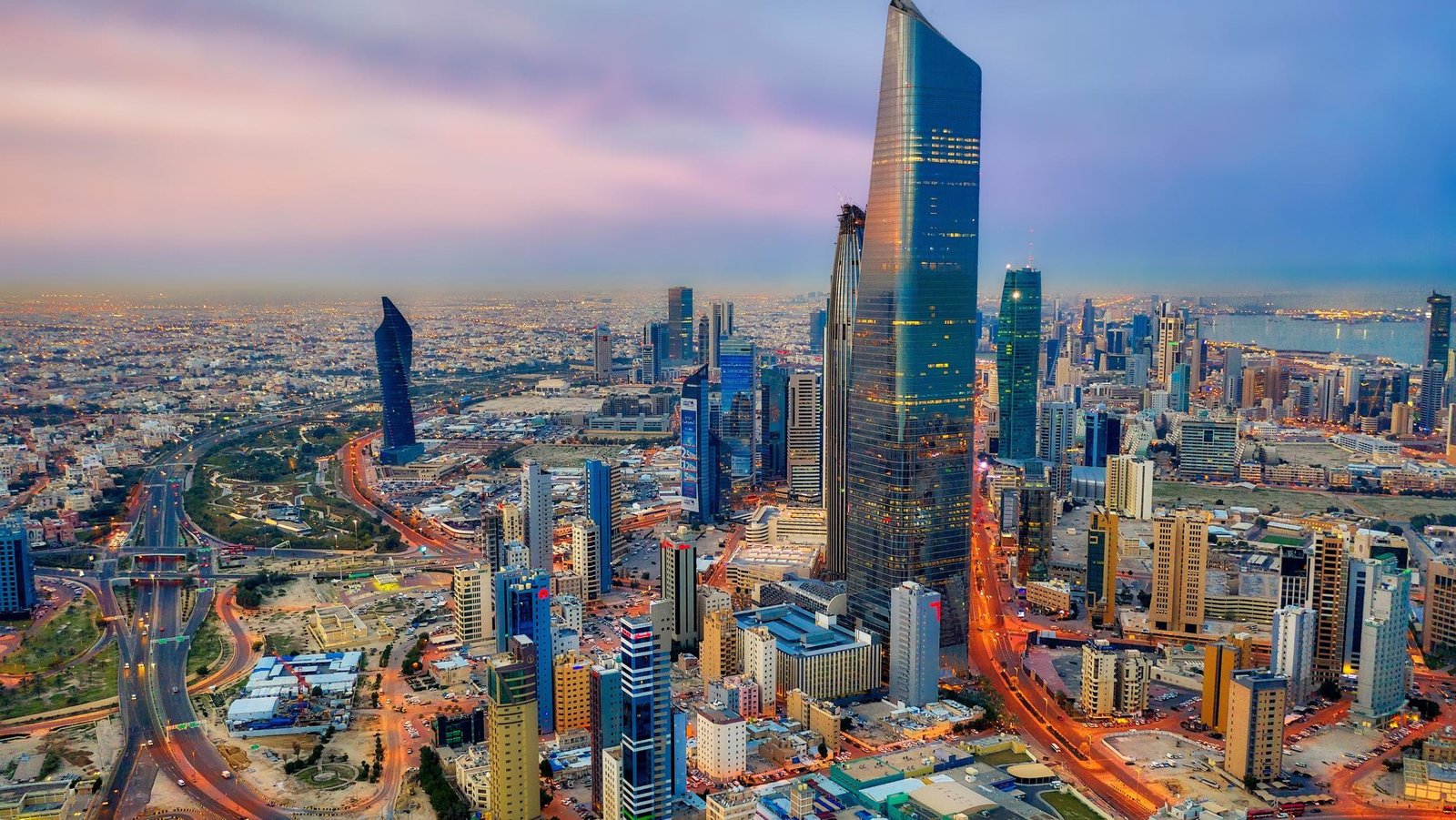
Kuwait City is the vibrant capital and largest city of Kuwait, serving as the country’s political, economic, and cultural center. Situated along the shores of the Arabian Gulf, Kuwait City is a fascinating destination where modern skyscrapers stand beside traditional souks, historic landmarks, and beautiful waterfront promenades.
Known for its impressive skyline, world-class shopping, rich heritage, and welcoming hospitality, Kuwait City attracts visitors from around the world. The city offers a unique blend of contemporary architecture, cultural attractions, museums, markets, and entertainment venues that showcase both Kuwait’s history and its vision for the future.
Whether you’re interested in history, architecture, shopping, cuisine, or cultural experiences, Kuwait City offers an unforgettable journey through one of the Gulf region’s most dynamic capitals.
History of Kuwait City
Kuwait City began as a small fishing and pearl-diving settlement during the 18th century. Its strategic location along important maritime trade routes helped it develop into a thriving commercial hub.
The discovery of oil in the 20th century transformed Kuwait into one of the world’s wealthiest nations and led to rapid urban development. Today, the city combines modern infrastructure with a strong commitment to preserving its cultural heritage.
Visitors can still discover traces of traditional Kuwaiti life alongside impressive examples of modern Gulf architecture.
Top Attractions in Kuwait City
1. Kuwait Towers

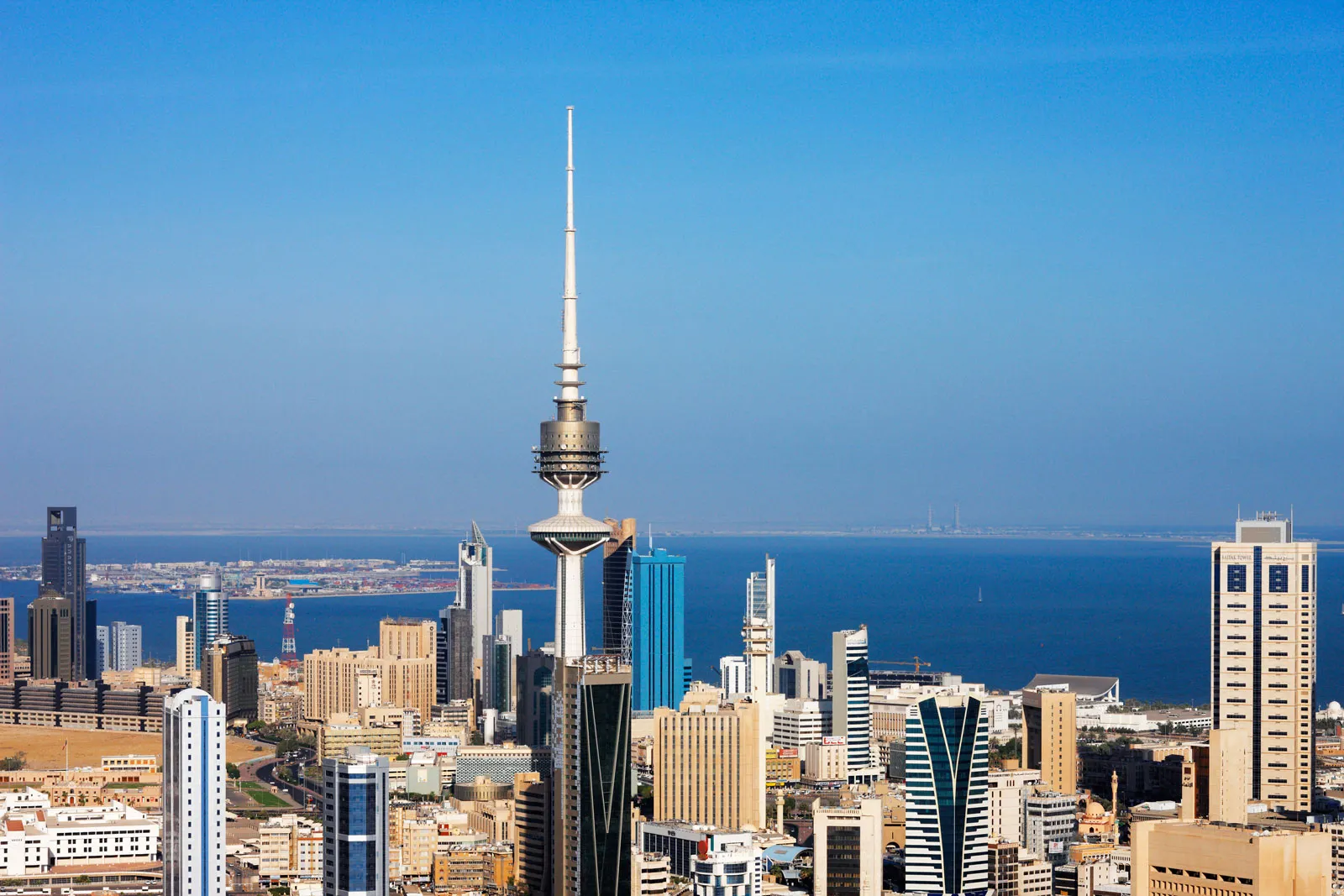
The iconic Kuwait Towers are the most recognizable symbol of Kuwait.
Completed in 1979, the towers feature a unique design inspired by traditional water storage structures and offer spectacular panoramic views of the city and the Arabian Gulf.
Visitors can enjoy observation decks, restaurants, and beautiful waterfront scenery while learning about one of Kuwait’s most famous landmarks.
2. Grand Mosque

Grand Mosque is the largest mosque in Kuwait and one of the country’s most important religious landmarks.
The mosque features magnificent Islamic architecture, elegant domes, intricate calligraphy, and a spacious prayer hall capable of accommodating thousands of worshippers.
Guided tours provide visitors with insight into Islamic traditions and Kuwaiti culture.
3. Souq Al-Mubarakiya

One of the oldest markets in Kuwait, Souq Al-Mubarakiya offers an authentic glimpse into traditional Kuwaiti life.
Visitors can browse spices, perfumes, textiles, handicrafts, jewelry, and local foods while experiencing the lively atmosphere of a historic Arabian marketplace.
The souq is also famous for its traditional restaurants and cafés.
4. Sheikh Jaber Al-Ahmad Cultural Centre

Sheikh Jaber Al-Ahmad Cultural Centre is one of the largest cultural venues in the Middle East.
Known for its stunning modern architecture, the center hosts concerts, theatrical performances, exhibitions, and cultural events throughout the year.
It has become a major symbol of Kuwait’s investment in arts and culture.
5. The Avenues Mall

For shopping enthusiasts, The Avenues is one of the largest and most impressive shopping centers in the Middle East.
The mall features hundreds of international brands, luxury boutiques, entertainment venues, restaurants, and family attractions.
Its unique architectural design makes it a destination in itself.
Kuwait City Waterfront

The city’s waterfront is one of its most enjoyable attractions.
Visitors can walk along scenic promenades, enjoy views of the Arabian Gulf, visit public parks, and relax in beautifully maintained recreational areas.
The coastline offers excellent opportunities for photography, especially during sunset.
The waterfront reflects Kuwait City’s strong connection to the sea and its maritime heritage.
Museums and Cultural Attractions
Kuwait City is home to several outstanding museums that highlight the country’s history, art, and scientific achievements.
Popular cultural attractions include:
- Kuwait National Museum
- Tareq Rajab Museum
- House of Mirrors
- Bait Al Othman Museum
These institutions provide fascinating insights into Kuwaiti culture, Islamic art, archaeology, and local traditions.
Food and Dining in Kuwait City
Kuwait City offers a diverse culinary scene featuring both traditional Kuwaiti dishes and international cuisine.
Popular local specialties include:
- Machboos
- Mutabbaq Samak
- Harees
- Jireesh
- Grilled seafood
- Traditional Arabic sweets
Visitors can enjoy dining experiences ranging from luxury restaurants overlooking the Gulf to traditional eateries in historic markets.
The city’s food culture reflects influences from across the Middle East, South Asia, and beyond.
Best Time to Visit
The ideal time to visit Kuwait City is between November and April when temperatures are cooler and outdoor activities are more comfortable.
During this period, visitors can enjoy sightseeing, waterfront walks, cultural events, and desert excursions without the intense summer heat.
Winter months are particularly popular among international travelers.
Related artical : Best place to visit in Kosovo