
Now Reading: Best place to visit in Kuwait
-
01
Best place to visit in Kuwait
Best place to visit in Kuwait
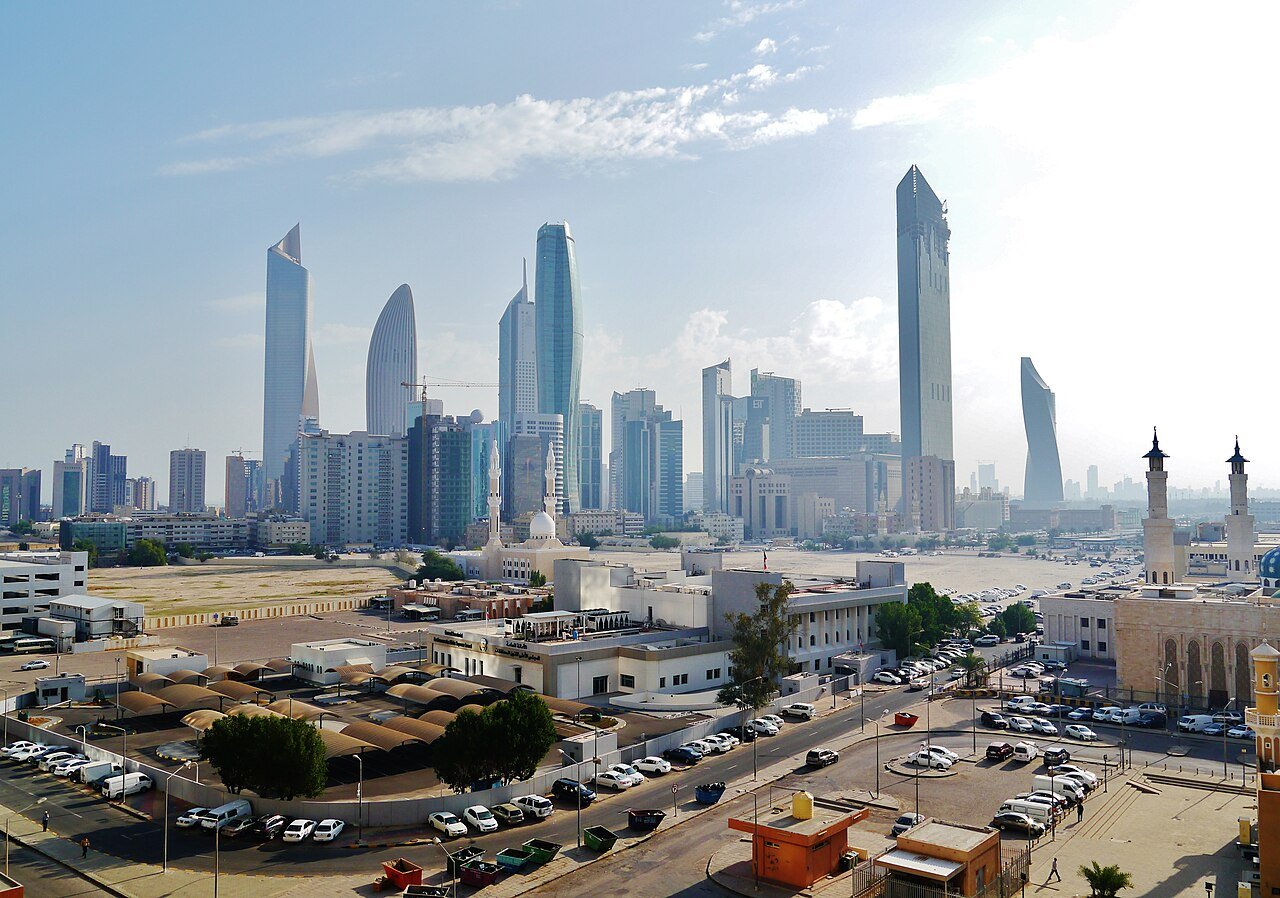
Kuwait is a fascinating destination where modern skyscrapers stand alongside traditional markets, cultural landmarks, beautiful waterfronts, and historic islands. From iconic towers and grand mosques to lively souqs and scenic coastal parks, the country offers a diverse range of attractions for every traveler.
Whether you’re visiting Kuwait for the first time or planning a deeper exploration of the country, these ten destinations represent the very best of Kuwait’s culture, history, architecture, and natural beauty.
1. Kuwait Towers – The Symbol of Modern Kuwait

Kuwait Towers are the most recognizable landmarks in the country and a symbol of Kuwait’s modernization and national pride.
Standing along the Arabian Gulf coastline, the towers feature unique spherical structures covered in thousands of colorful steel discs that shimmer under the desert sun. Visitors can enjoy breathtaking panoramic views from the observation deck, which offers spectacular sights of Kuwait City, the Arabian Gulf, and the surrounding coastline.
The rotating restaurant inside the main tower provides a memorable dining experience while showcasing ever-changing views of the city skyline.
At night, the illuminated towers become one of the most photographed landmarks in Kuwait and remain a must-see destination for every visitor.
2. Grand Mosque – Kuwait’s Largest Religious Landmark

Grand Mosque is the largest mosque in Kuwait and one of the country’s most impressive architectural achievements.
Covering a vast area, the mosque showcases stunning Islamic design, intricate calligraphy, elegant arches, magnificent chandeliers, and one of the largest prayer halls in the region.
Visitors are welcomed through guided tours that provide insight into Islamic traditions, architecture, and Kuwaiti culture.
The mosque’s massive central dome and beautifully decorated interiors make it one of the most important cultural attractions in Kuwait.
3. The Avenues – Kuwait’s Premier Shopping Destination

The Avenues is one of the largest shopping malls in the Middle East and the most popular retail destination in Kuwait.
The complex features hundreds of international brands, luxury boutiques, restaurants, entertainment venues, cinemas, and themed shopping districts.
Visitors can spend an entire day exploring the mall’s diverse attractions while enjoying world-class shopping and dining experiences.
Its impressive architecture and vast size make it a destination in its own right rather than simply a shopping center.
4. Souq Al-Mubarakiya – The Heart of Old Kuwait

Souq Al-Mubarakiya is one of Kuwait’s oldest and most beloved marketplaces.
The historic souq offers visitors an authentic glimpse into traditional Kuwaiti life through its narrow alleys, spice shops, perfume stores, handicrafts, textiles, antiques, and local restaurants.
Walking through the market allows travelers to experience the atmosphere of Kuwait before the modern oil era transformed the country.
The souq remains a cultural treasure and one of the most popular gathering places in Kuwait City.
5. The Scientific Center – Learning and Entertainment by the Sea

The Scientific Center is one of Kuwait’s leading educational and entertainment destinations.
The facility includes a world-class aquarium, interactive exhibits, marine education programs, and an IMAX theater.
Visitors can explore marine ecosystems found throughout the Arabian Gulf while learning about environmental conservation and scientific discovery.
Its waterfront location adds to the overall experience, making it a favorite attraction for families and tourists.
6. Al Shaheed Park – Kuwait’s Green Oasis

Al Shaheed Park is the largest urban park in Kuwait and one of the country’s most beautiful public spaces.
The park features landscaped gardens, walking trails, museums, fountains, art installations, and cultural venues.
Visitors can enjoy peaceful surroundings while learning about Kuwait’s history and environmental heritage.
The combination of nature, culture, and modern design makes Al Shaheed Park one of Kuwait’s finest attractions.
7. Failaka Island – A Journey Through History

Failaka Island offers one of the most fascinating historical experiences in the country.
Located off the coast of Kuwait City, the island contains archaeological remains dating back thousands of years, including evidence of ancient Greek settlements from the era of Alexander the Great.
Visitors can explore abandoned villages, historical ruins, museums, and beautiful coastal scenery.
Failaka Island provides a unique opportunity to discover Kuwait’s rich historical heritage beyond its modern urban landscape.
8. Green Island – Kuwait’s Recreational Waterfront Paradise

Green Island is an artificial island designed for recreation and leisure.
Surrounded by the waters of the Arabian Gulf, the island offers walking paths, gardens, open-air theaters, cafés, and family-friendly entertainment facilities.
Visitors can enjoy scenic coastal views while participating in outdoor activities or simply relaxing by the sea.
The island is particularly popular during evenings when temperatures are cooler and the waterfront atmosphere becomes especially inviting.
9. Marina Crescent – Kuwait’s Stylish Waterfront Destination

Marina Crescent is one of Kuwait’s most elegant waterfront destinations.
The crescent-shaped promenade features restaurants, cafés, luxury retail stores, and stunning views of the Arabian Gulf.
Visitors can enjoy outdoor dining, waterfront walks, yacht views, and beautiful sunset scenery.
The area combines modern leisure facilities with coastal beauty, making it one of the country’s most popular social and entertainment hubs.
10. Liberation Tower – Kuwait’s Monument of Strength and Progress

Liberation Tower is one of the tallest structures in Kuwait and an important national symbol.
Built as a telecommunications tower, it commemorates Kuwait’s liberation and stands as a representation of resilience, independence, and national progress.
The tower dominates the skyline and serves as one of the city’s most recognizable landmarks.
Its modern design and historical significance make it an essential stop for visitors interested in Kuwait’s contemporary history.
11. Al Kout Beach – Kuwait’s Beautiful Waterfront Escape

History of Al Kout Beach
Al Kout Beach is located in the vibrant coastal district of Fahaheel, an area historically known for fishing, pearl diving, and maritime trade. Before Kuwait’s oil boom, local fishermen depended on the Arabian Gulf for their livelihoods, making the coastline a vital part of everyday life.
As Kuwait modernized, the Al Kout waterfront was transformed into one of the country’s premier leisure destinations. Today, Al Kout Beach combines natural beauty, family recreation, modern facilities, and stunning Gulf views.
Why Visit?
Visitors can enjoy waterfront walks, sunset photography, beach relaxation, outdoor dining, and family activities while admiring the beauty of the Arabian Gulf.
12. Mirror House – Kuwait’s Most Extraordinary Artistic Masterpiece

History of Mirror House
Mirror House was created by renowned artist Lidia Al Qattan.
Beginning in the 1960s, she transformed her family home into an extraordinary work of art covered with millions of tiny mirror pieces. Over several decades, every room evolved into a unique artistic environment inspired by science, astronomy, literature, and imagination.
Today, the house is considered one of the most unusual private art museums in the world.
Highlights
- Mirror mosaics
- Artistic installations
- Creative themed rooms
- Interactive storytelling
- Unique architecture
13. Tareq Rajab Museum – A Journey Through Islamic Civilization

History of Tareq Rajab Museum
Tareq Rajab Museum was established by Tareq Rajab and Jehan Rajab to preserve priceless collections of Islamic art and cultural heritage.
The museum houses thousands of artifacts collected over decades from across the Islamic world.
Highlights
- Ancient manuscripts
- Islamic calligraphy
- Traditional jewelry
- Ceramics
- Historical weapons
- Cultural artifacts
The museum remains one of Kuwait’s most respected cultural institutions.
14. House of Mirrors – A World of Imagination and Creativity

History of House of Mirrors
Often referred to as the House of Mirrors, this remarkable attraction is another name for the famous Mirror House created by Lidia Al Qattan.
Over decades, the artist transformed ordinary living spaces into dazzling artistic environments using intricate mirror mosaics.
The attraction gained international recognition for its originality and creativity.
Visitor Experience
Visitors can explore rooms dedicated to:
- Space exploration
- Planetary systems
- Nature themes
- Scientific discoveries
- Artistic imagination
Every surface reflects light in fascinating ways, creating a magical atmosphere.
15. Kuwait National Museum – Preserving the Nation’s Story

History of Kuwait National Museum
Kuwait National Museum was established to preserve and present Kuwait’s rich history, culture, and archaeological heritage.
The museum contains exhibits covering prehistoric settlements, maritime traditions, Islamic culture, and Kuwait’s modern development.
It plays a vital role in protecting national heritage for future generations.
Highlights
- Archaeological discoveries
- Ancient artifacts
- Traditional boats
- Historical documents
- Cultural exhibitions
- Maritime heritage collections
The museum offers one of the most comprehensive introductions to Kuwait’s history.
16. Sheikh Jaber Al-Ahmad Cultural Centre – Kuwait’s Cultural Jewel

History of the Cultural Centre
Sheikh Jaber Al-Ahmad Cultural Centre is one of the largest cultural complexes in the Middle East.
Opened as part of Kuwait’s cultural development initiatives, the center promotes music, theater, education, literature, and performing arts.
Its striking architecture has become a landmark of modern Kuwait.
Highlights
- Opera performances
- Concert halls
- Theatrical productions
- Art exhibitions
- Educational programs
- Cultural festivals
The center has earned the nickname “Kuwait Opera House.”
17. Al Jahra Nature Reserve – Kuwait’s Wildlife Sanctuary

History of Al Jahra Nature Reserve
Al Jahra Nature Reserve was established to protect Kuwait’s valuable wetland ecosystems and migratory bird habitats.
The reserve has become one of the Gulf region’s most important conservation sites.
Highlights
- Migratory birds
- Wetland habitats
- Nature photography
- Birdwatching opportunities
- Environmental education
Thousands of birds visit the reserve each year during migration seasons.
18. Doha Village – A Historic Coastal Community

History of Doha Village
Doha was historically connected to fishing and maritime trade.
The village played an important role in Kuwait’s coastal economy before the discovery of oil transformed the nation.
Today, visitors can explore a quieter side of Kuwait while learning about traditional Gulf lifestyles.
Highlights
- Coastal scenery
- Traditional culture
- Historic fishing heritage
- Waterfront views
- Local community life
19. Messilah Beach – One of Kuwait’s Finest Beaches

History of Messilah Beach
Messilah Beach has long been appreciated for its beautiful coastline and tranquil atmosphere.
Located in one of Kuwait’s most prestigious coastal districts, the beach attracts residents and tourists seeking relaxation by the Arabian Gulf.
Highlights
- Soft sandy beaches
- Coastal walks
- Family recreation
- Sunset photography
- Waterfront relaxation
Its calm environment makes it one of Kuwait’s most attractive seaside destinations.
20. Kubbar Island – Kuwait’s Tropical Paradise

History of Kubbar Island
Kubbar Island is one of Kuwait’s most beautiful offshore islands.
For centuries, sailors and fishermen used the island as a landmark while navigating the Arabian Gulf.
Today, it is famous for its crystal-clear waters, coral reefs, and marine biodiversity.
Highlights
- Snorkeling
- Swimming
- Coral reefs
- Marine life
- Boat excursions
- Beach relaxation
The island is often described as Kuwait’s closest destination to a tropical paradise.
Related artical : Best place to visit in Mishref