
Now Reading: Best place to visit in Paray
-
01
Best place to visit in Paray
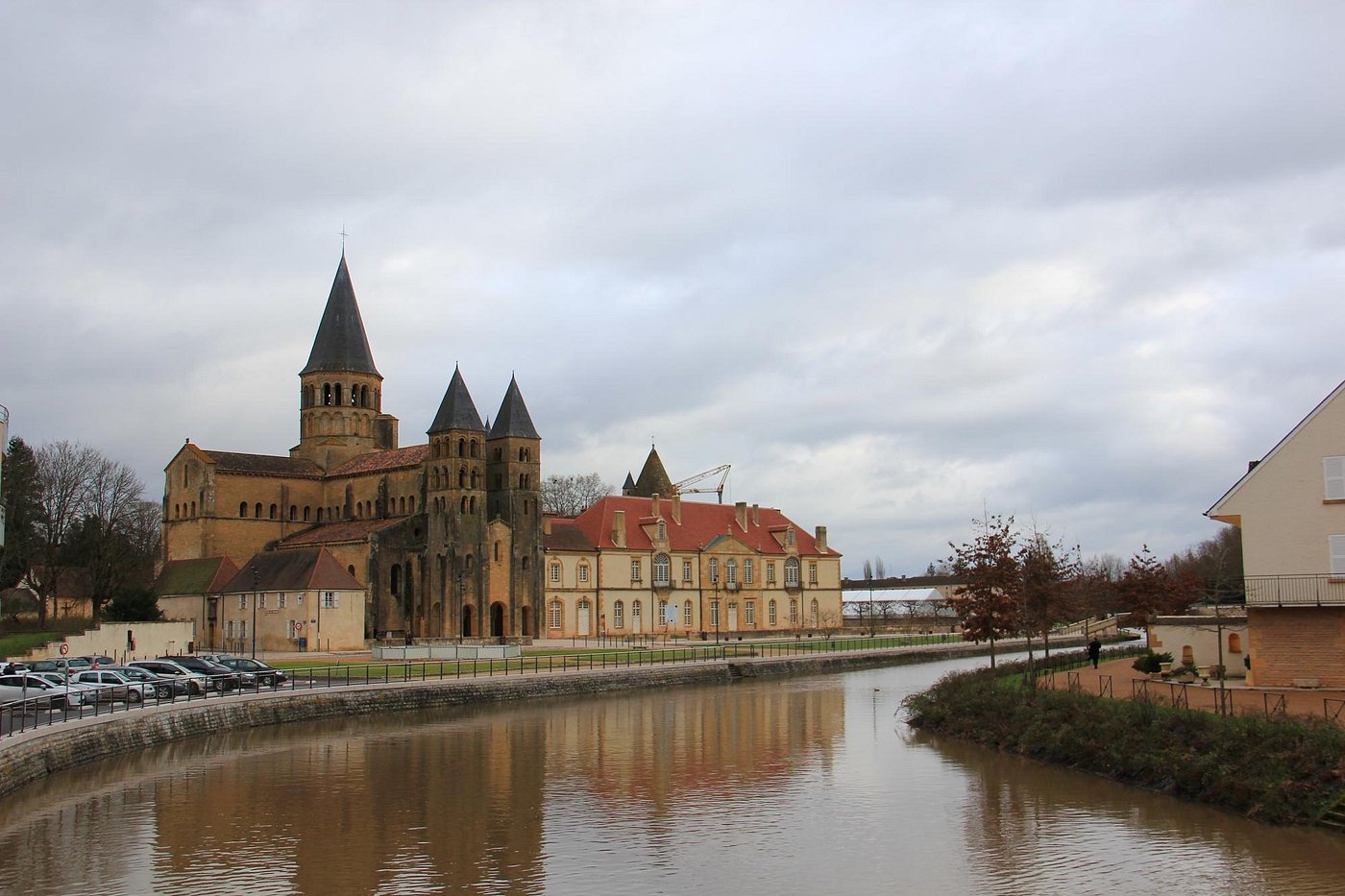
Best place to visit in Paray

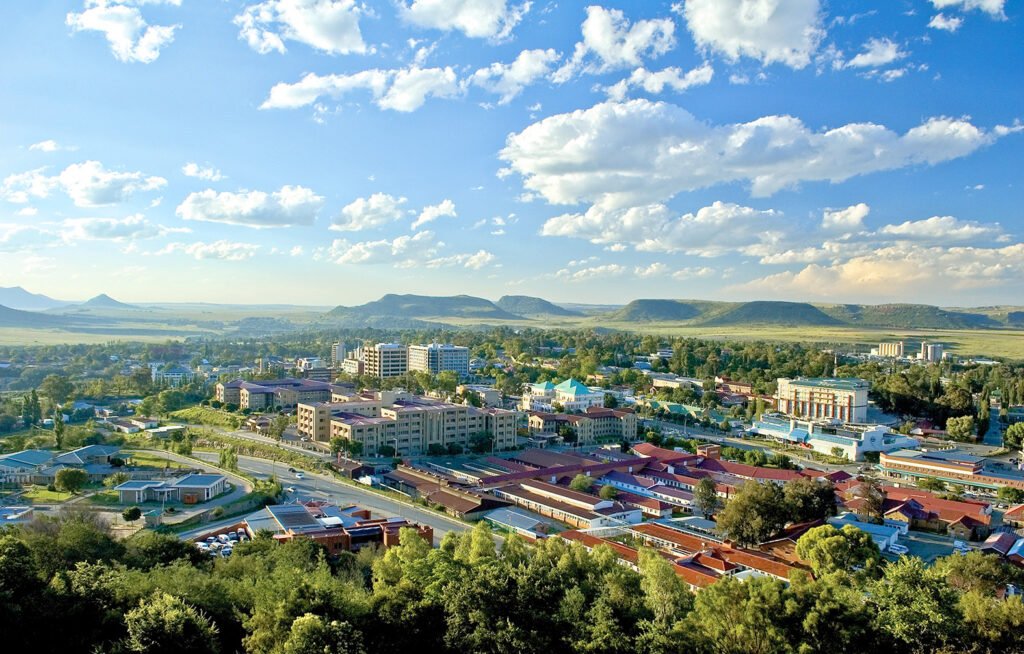
Paray is one of the most historically significant mission settlements in Lesotho. Located in the Leribe District, Paray is best known for its educational institutions, religious heritage, and contribution to the social development of the country. Surrounded by rolling hills, fertile agricultural land, and traditional Basotho communities, the area offers visitors a fascinating blend of history, culture, education, and natural beauty.
For more than a century, Paray has served as an important center for learning and community development. The region played a significant role in expanding educational opportunities throughout Lesotho and remains closely associated with some of the country’s most respected schools and religious institutions. Visitors to Paray can explore historic buildings, cultural landmarks, rural landscapes, and traditional villages while gaining insight into the heritage of northern Lesotho.
The peaceful atmosphere, rich history, and scenic surroundings make Paray an attractive destination for travelers interested in culture, education, and Basotho traditions.
1. Paray Mission
Overview and History
Paray Mission is the most famous landmark in the area and one of the most important Catholic mission centers in Lesotho.
Established by missionaries during the nineteenth century, the mission became a center for education, healthcare, and religious activities. Over the decades, it played a crucial role in improving literacy and providing essential services to surrounding communities.
The mission complex includes historic churches, educational facilities, and heritage buildings that reflect the architectural styles of the period.
Today, Paray Mission remains a symbol of learning, faith, and community development throughout the country.
2. St. Joseph’s Church

Overview and History
St. Joseph’s Church is one of the most beautiful religious structures in the region.
The church has served local communities for generations and remains an active place of worship. Its architecture, stained-glass features, and peaceful surroundings attract both pilgrims and visitors interested in history.
The church played an important role in spreading Christianity and supporting educational initiatives throughout northern Lesotho.
Its historical significance makes it one of Paray’s most treasured landmarks.
3. Paray Educational Heritage Sites

Overview and History
Paray Educational Heritage Sites highlight the area’s long-standing reputation as a center of learning.
Several educational institutions established in Paray helped educate generations of Basotho students who later became teachers, leaders, professionals, and public servants.
Visitors can learn about the history of education in Lesotho and the role Paray played in expanding access to learning opportunities.
The educational legacy of the area remains one of its greatest achievements.
4. Traditional Basotho Villages

Overview and History
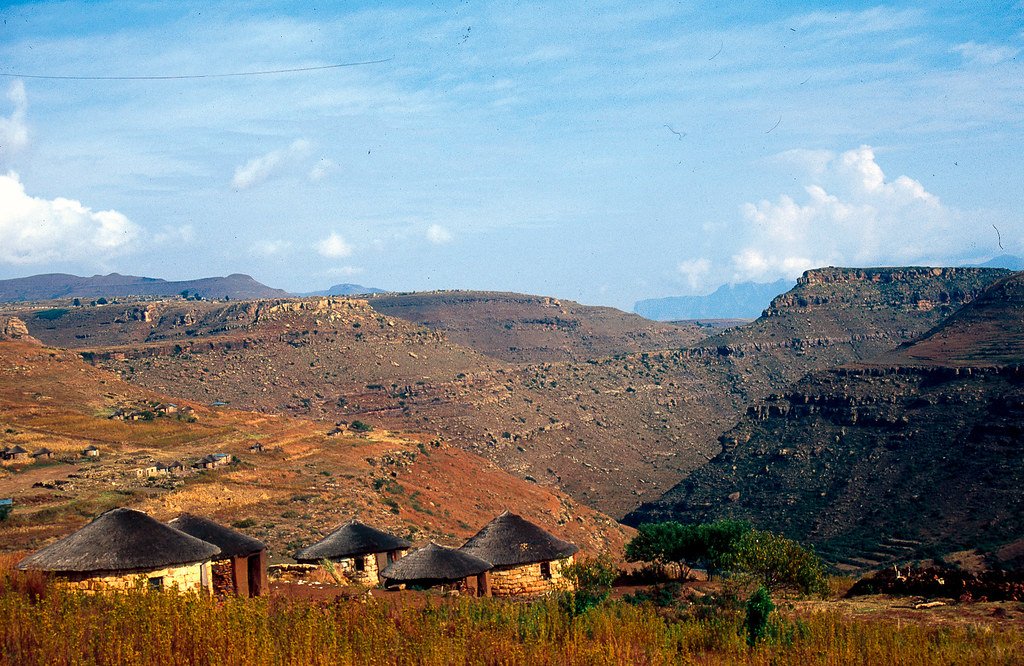
Traditional Basotho Villages offer visitors authentic cultural experiences and insight into local traditions.
The villages feature traditional homes, farming activities, livestock management, and community customs that have been preserved for generations.
Visitors can observe daily life while learning about Basotho values, family structures, music, storytelling, and cultural practices.
These communities continue to maintain strong connections to their heritage and traditions.
5. Leribe Highlands Viewpoints

Overview and History
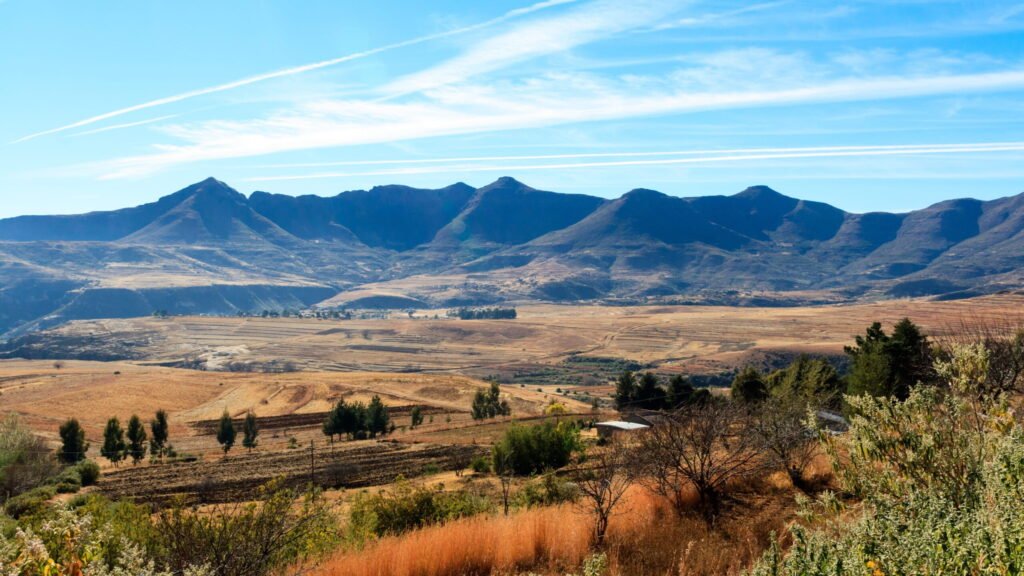
Leribe Highlands Viewpoints provide breathtaking views of mountains, valleys, rivers, and agricultural landscapes.
The viewpoints offer excellent opportunities for photography and sightseeing while showcasing the natural beauty of northern Lesotho.
Historically, elevated areas served as observation points and landmarks for travelers moving through the region.
Today, they remain among the most rewarding attractions for visitors.
6. Community Craft Centers

Overview and History
Community Craft Centers showcase the creativity and skills of local artisans.
Visitors can purchase handmade baskets, woven textiles, pottery, beadwork, and traditional Basotho blankets while supporting community development.
The craft centers help preserve cultural traditions and provide important economic opportunities for local families.
Many products reflect centuries of artistic heritage and craftsmanship.
7. Agricultural Plains of Paray

Overview and History
Agricultural Plains of Paray demonstrate the importance of farming in the local economy.
The fertile land supports crop cultivation and livestock production, activities that have sustained communities for generations. Visitors can observe traditional farming techniques and seasonal agricultural activities.
The landscape reflects the close relationship between people and the environment in rural Lesotho.
The agricultural scenery contributes greatly to the charm of the region.
8. Cultural Heritage Centers

Overview and History
Cultural Heritage Centers preserve local history, customs, and cultural artifacts.
Visitors can learn about traditional leadership systems, community development, educational achievements, and religious heritage that shaped the area.
These centers play an important role in protecting local identity and passing cultural knowledge to future generations.
They provide valuable insights into the history of Paray and the surrounding region.
9. Rural Walking Trails

Overview and History
Rural Walking Trails allow visitors to explore the countryside at a relaxed pace.
The trails pass through villages, farmland, rivers, and hills while offering opportunities to interact with local residents and enjoy beautiful scenery.
Many routes follow pathways that have connected communities for generations.
The trails are popular among nature lovers and cultural travelers.
10. Historical Mission Cemetery
Overview and History
Historical Mission Cemetery preserves the memory of missionaries, educators, and community leaders who contributed to the development of the region.
The cemetery provides insight into the history of the mission and the individuals who helped shape education, healthcare, and religious life in Lesotho.
Visitors interested in history often find the site both informative and reflective.
It remains an important part of Paray’s heritage landscape.
History of Paray
Paray’s history is closely linked to the arrival of Catholic missionaries who established mission stations and educational institutions during the nineteenth century. The area quickly became known for its commitment to learning, religious development, and community service.
Schools founded in Paray helped educate generations of Basotho citizens, while churches and healthcare facilities improved living conditions throughout the region. Over time, the settlement developed into one of Lesotho’s most respected educational and religious centers.
Throughout the twentieth century, Paray continued to influence national development through its institutions and community initiatives. Despite modernization, the area has preserved much of its historical character and cultural significance.
Today, Paray remains an important symbol of education, faith, and heritage within Lesotho.
Related artical : Best place to visit in Mphaki