Now Reading: Best place to visit in Mampikony
-
01
Best place to visit in Mampikony
Best place to visit in Mampikony

Introduction
Mampikony is an important town located in the Sofia Region of northwestern Madagascar. Surrounded by fertile plains, rivers, agricultural lands, and traditional villages, Mampikony serves as one of the region’s key economic and cultural centers.
The town is particularly known for its agricultural production, including rice, maize, peanuts, and livestock farming. Although it is not as widely known as Madagascar’s major tourist destinations, Mampikony offers visitors an authentic experience of rural Malagasy life, rich cultural traditions, and beautiful natural landscapes.
Its strategic location provides access to rivers, wetlands, wildlife habitats, and vast countryside scenery that showcase the diversity of northwestern Madagascar. Travelers seeking to explore local culture and discover lesser-known regions of the island will find Mampikony both rewarding and fascinating.
The town’s relaxed atmosphere and welcoming communities make it an ideal destination for cultural exploration and countryside adventures.
1. Sofia River

The Lifeline of the Region
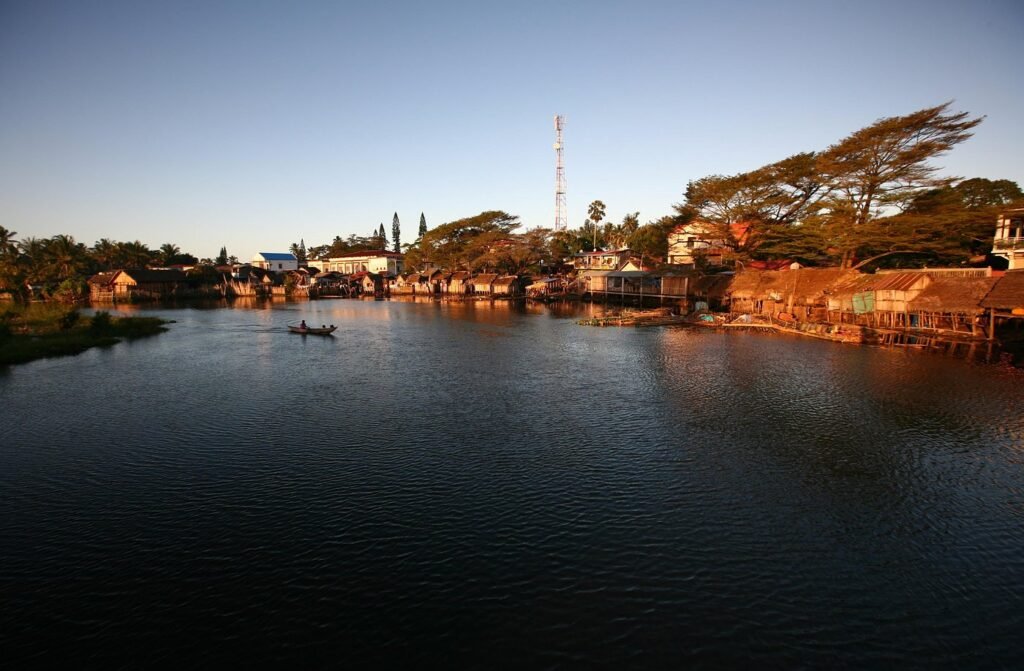
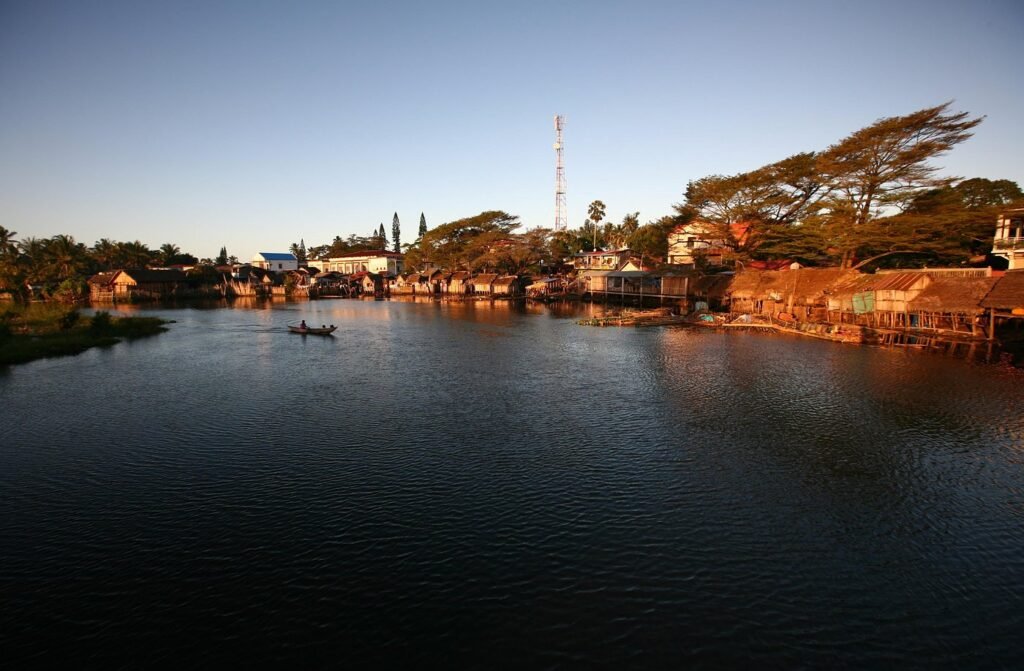
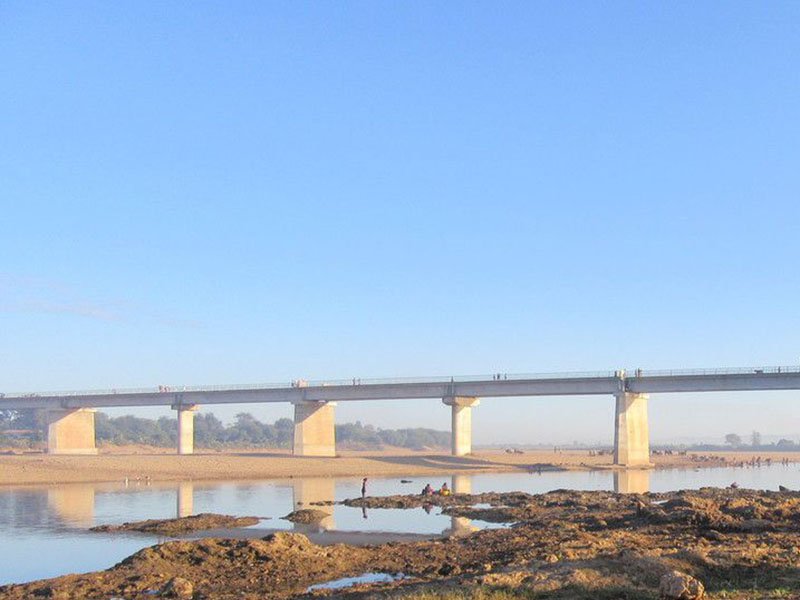
The impressive Sofia River is one of the most important natural features near Mampikony.
Flowing through fertile agricultural lands and rural communities, the river supports farming, fishing, transportation, and daily life throughout the region.
Visitors can enjoy scenic views of the river while observing traditional activities and diverse wildlife along its banks.
The Sofia River plays a crucial role in sustaining both the local economy and environment.
2. Rice Farming Landscapes

The Agricultural Backbone of Mampikony
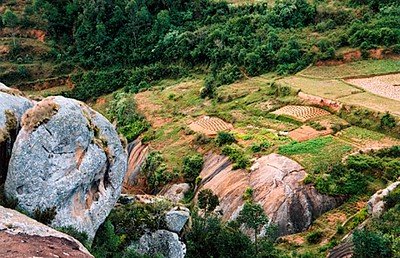
The extensive Rice Farming Landscapes are among the most recognizable features of the region.
Visitors can admire vast green fields stretching across the countryside while learning about traditional cultivation techniques used by local farmers.
Rice production remains one of the region’s most important economic activities and supports thousands of families.
The landscapes provide excellent opportunities for photography and cultural exploration.
3. Traditional Malagasy Villages

Experiencing Authentic Rural Life
The surrounding Traditional Malagasy Villages offer visitors an opportunity to experience daily life in rural Madagascar.
Residents continue to practice customs and traditions that have been passed down through generations, including farming, livestock raising, handicrafts, and community celebrations.
Visitors can gain valuable insight into local culture while enjoying the hospitality of village communities.
These villages represent the authentic spirit of northwestern Madagascar.
4. Local Markets of Mampikony

The Center of Community Activity
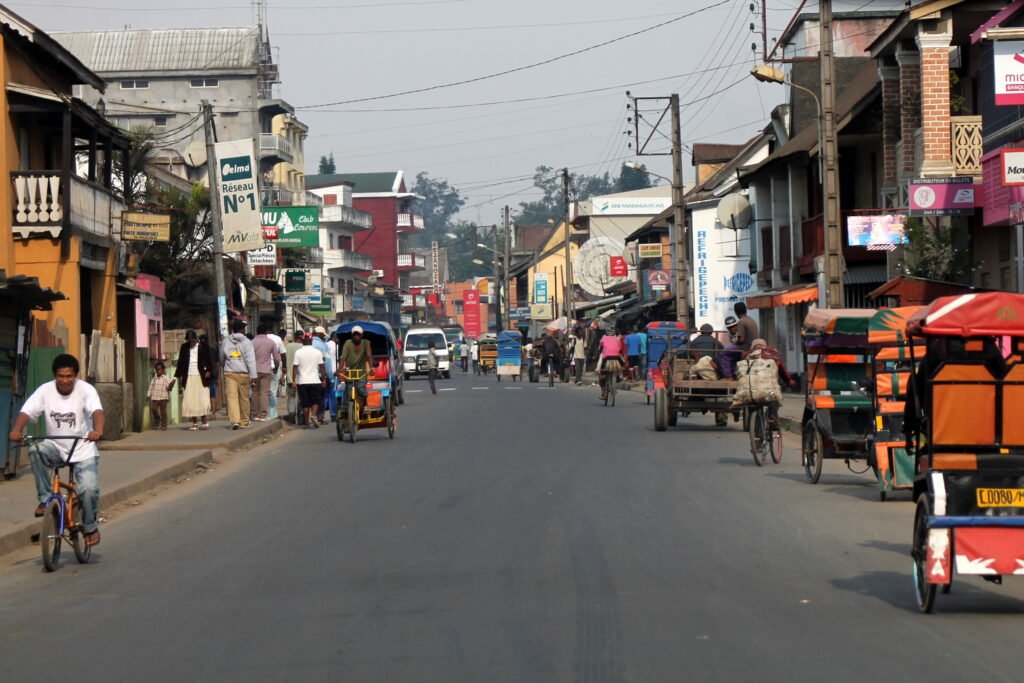
The vibrant Mampikony Market serves as the social and economic heart of the town.
Visitors can browse stalls selling fresh produce, rice, livestock, spices, textiles, household goods, and handmade crafts.
The market provides a lively atmosphere where travelers can observe daily life and interact with local residents.
It remains one of the best places to experience the culture of the region.
5. Wetlands and Birdwatching Areas

A Haven for Birdlife
The wetlands surrounding Mampikony provide important habitats for numerous bird species and aquatic wildlife.
The Wetlands and Birdwatching Areas attract nature enthusiasts interested in observing Madagascar’s rich biodiversity.
Visitors may encounter herons, kingfishers, waterfowl, and migratory birds while exploring these ecosystems.
The wetlands contribute significantly to regional conservation efforts.
6. Zebu Cattle Grazing Areas

Understanding Madagascar’s Pastoral Heritage
The surrounding Zebu Cattle Grazing Areas highlight the importance of livestock in Malagasy society.
Zebu cattle symbolize wealth, social status, and cultural identity across Madagascar. Visitors can observe traditional herding practices and learn about the role of cattle in local customs and ceremonies.
The grazing landscapes add character to the region’s rural scenery.
They remain an essential part of local life.
7. Agricultural Tours
Exploring the Region’s Farming Traditions
The fertile countryside around Mampikony offers opportunities for Agricultural Tours.
Visitors can learn about crop cultivation, irrigation systems, livestock management, and sustainable farming practices that support the local economy.
These tours provide valuable insight into the agricultural foundations of the region.
They also showcase the resilience and innovation of local farming communities.
8. Rural River Excursions
Discovering the Beauty of Northwestern Madagascar
The scenic Rural River Excursions allow visitors to explore waterways and countryside landscapes.
Boat trips reveal traditional villages, agricultural fields, wildlife habitats, and peaceful natural scenery.
The excursions provide relaxing opportunities to experience the region from a different perspective.
They remain popular among visitors seeking authentic rural experiences.
9. Cultural Festivals and Community Events

Celebrating Local Heritage
Various Cultural Festivals and Community Events showcase traditional music, dance, food, and customs.
Visitors attending these gatherings can experience colorful performances and gain a deeper understanding of the region’s cultural identity.
These events strengthen community bonds while preserving important traditions.
They offer memorable cultural experiences for travelers.
10. Northwestern Madagascar Countryside

A Landscape of Simplicity and Beauty
The surrounding Northwestern Madagascar Countryside offers visitors vast open landscapes characterized by rivers, rice fields, grazing lands, and traditional settlements.
The peaceful scenery provides excellent opportunities for photography, exploration, and cultural immersion.
Travelers can experience a side of Madagascar that remains largely untouched by mass tourism.
The countryside reflects the natural and cultural richness of the Sofia Region.
Related artical : Best place to visit in Vangaindrano