
Now Reading: Best place to visit in Alor Setar
-
01
Best place to visit in Alor Setar
Best place to visit in Alor Setar
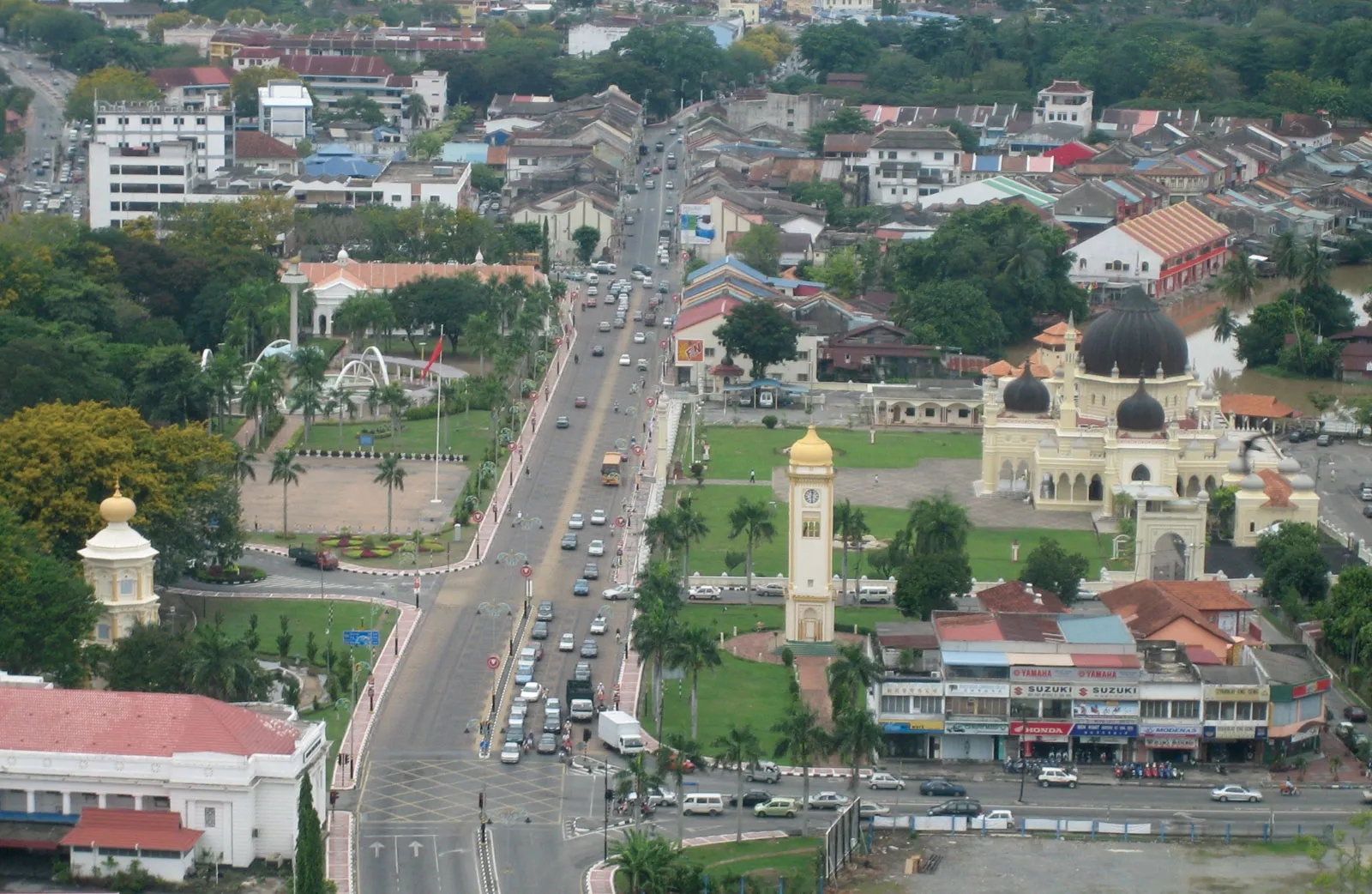
1. Zahir Mosque

The Zahir Mosque is the most iconic landmark in Alor Setar and one of the finest examples of Islamic architecture in Malaysia. Completed in 1912 during the reign of Sultan Abdul Hamid Halim Shah, the mosque is renowned for its elegant black domes, magnificent white façade, and Moorish-inspired design. Built on the site where Kedah warriors were buried after defending the kingdom from invasion, the mosque carries profound historical and spiritual significance.
Visitors entering the mosque are immediately impressed by its spacious prayer halls, intricate decorative elements, and peaceful atmosphere. The structure can accommodate thousands of worshippers and remains an important center of religious activity in Kedah. The beautifully landscaped grounds surrounding the mosque provide excellent opportunities for photography and relaxation. At night, the illuminated domes create a spectacular sight that enhances the city skyline. As one of Malaysia’s most important religious monuments, the Zahir Mosque offers visitors a remarkable combination of history, culture, and architectural beauty.
2. Alor Setar Tower

Alor Setar Tower, known locally as Menara Alor Setar, is one of the city’s most recognizable landmarks and among the tallest telecommunications towers in Malaysia. Rising prominently above the urban landscape, the tower symbolizes modern development while providing visitors with panoramic views of Kedah’s breathtaking scenery.
The observation deck offers spectacular vistas of the city, extensive rice fields, distant mountains, and even the coastline on clear days. Visitors can gain a deeper appreciation for Kedah’s nickname as Malaysia’s “Rice Bowl” while observing the vast agricultural landscapes that dominate the region. The tower also houses cultural exhibits, restaurants, and event spaces that enrich the visitor experience. Whether viewed from afar or explored from within, Alor Setar Tower remains a centerpiece of the city’s identity.
3. Kedah Royal Museum

The Kedah Royal Museum offers visitors a fascinating journey through the history of one of Malaysia’s oldest royal institutions. Housed within the beautifully restored Istana Pelamin palace, the museum preserves the legacy of the Kedah Sultanate, which traces its origins back more than a thousand years.
Inside, visitors can explore exhibits featuring royal regalia, ceremonial costumes, historical photographs, personal belongings of sultans, and artifacts that document the evolution of the kingdom. The museum provides valuable insights into the traditions, governance, and cultural heritage of Kedah. Its elegant architecture and carefully curated displays make it one of Alor Setar’s most important historical attractions.
4. Pekan Rabu

Pekan Rabu is one of the most famous traditional markets in northern Malaysia and has played an important role in Alor Setar’s commercial life for decades. The market was established to support local entrepreneurs and remains a vibrant center for trade and cultural exchange.
Visitors can browse an extensive selection of traditional foods, local delicacies, handicrafts, textiles, herbal products, souvenirs, and household goods. The lively atmosphere offers an authentic glimpse into everyday life in Kedah while providing opportunities to interact with local vendors. Pekan Rabu is particularly popular among visitors seeking authentic regional products and cultural experiences.
5. Mahathir Mohamad Birthplace

The birthplace of former Prime Minister Mahathir Mohamad is one of Alor Setar’s most significant historical sites. Preserved as a museum, the traditional wooden house offers visitors insight into the early life of a leader who played a major role in transforming Malaysia into a modern nation.
The museum features personal memorabilia, photographs, educational materials, and exhibits that chronicle Mahathir’s journey from childhood to becoming one of Asia’s longest-serving political leaders. Visitors gain a deeper understanding of his contributions to national development and his enduring influence on Malaysian politics.
6. Balai Nobat

Balai Nobat is a unique historical structure that serves as a repository for the royal musical instruments used during important ceremonies of the Kedah Sultanate. Built in the nineteenth century, the tower remains one of the most distinctive landmarks in Alor Setar.
The building’s architecture reflects traditional Islamic influences and symbolizes the importance of ceremonial music within royal traditions. Visitors interested in cultural heritage and royal customs will find Balai Nobat particularly fascinating as it represents a rare surviving example of ceremonial architecture in Southeast Asia.
7. State Art Gallery

The State Art Gallery occupies a beautifully preserved colonial-era building and serves as an important cultural institution in Kedah. The gallery showcases works by local and national artists while preserving important aspects of the region’s artistic heritage.
Visitors can explore exhibitions featuring paintings, sculptures, traditional crafts, and contemporary artworks that reflect the cultural identity of Kedah. The gallery regularly hosts educational programs and special exhibitions, making it a vibrant center for artistic expression and cultural appreciation.
8. Kedah Paddy Museum

The Kedah Paddy Museum is one of the world’s few museums dedicated entirely to rice cultivation and agricultural heritage. Located in Malaysia’s primary rice-producing region, the museum celebrates the industry that has sustained local communities for centuries.
Visitors can learn about traditional farming methods, modern agricultural technology, irrigation systems, and the cultural importance of rice in Malaysian society. Panoramic murals, interactive exhibits, and educational displays provide a comprehensive overview of rice production and its role in shaping Kedah’s economy and identity.
9. Gunung Keriang

Gunung Keriang is a dramatic limestone outcrop that rises abruptly from the surrounding rice fields, creating one of the most distinctive natural landscapes in Kedah. Geological studies suggest that the hill is hundreds of millions of years old and was once part of an ancient seabed.
Visitors can explore caves, observe unique rock formations, and enjoy panoramic views of the surrounding countryside. The hill’s striking appearance and rich geological history make it a popular destination for nature enthusiasts, photographers, and those interested in earth sciences.
10. Kuala Kedah Fort

Kuala Kedah Fort is one of the oldest defensive structures in Malaysia and a significant symbol of Kedah’s maritime history. Constructed to protect the kingdom from external threats, the fort witnessed numerous conflicts involving local rulers, colonial powers, and regional trading networks.
Today, visitors can walk through its preserved walls, explore historical exhibits, and learn about the strategic importance of Kedah in regional trade and defense. The fort’s coastal location provides scenic views of the surrounding waterways and offers valuable insight into the military and political history of northern Malaysia. Its historical significance and well-preserved architecture make it one of the most important heritage attractions near Alor Setar.
Related artical : Best place to visit in Malacca