
Now Reading: Best place to visit in Sibu
-
01
Best place to visit in Sibu
Best place to visit in Sibu
1. Sibu Central Market

Sibu Central Market is one of the largest indoor markets in Malaysia and the commercial heart of Sibu. Located along the banks of the Rajang River, the market has served as the city’s primary trading center for decades and reflects Sibu’s importance as a regional economic hub. Every day, hundreds of traders from nearby villages and towns gather here to sell fresh fruits, vegetables, seafood, meat, spices, handicrafts, textiles, and traditional products unique to Sarawak.
Walking through the market offers visitors a fascinating glimpse into the daily life of local communities and the remarkable cultural diversity of Sibu. The vibrant atmosphere is filled with colorful produce, aromatic local delicacies, and friendly vendors eager to share their knowledge of regional ingredients. Visitors can sample authentic Sarawak cuisine, purchase locally produced pepper, traditional cakes, and handcrafted souvenirs while experiencing one of the most authentic shopping environments in East Malaysia. The market serves as both a cultural attraction and an important social center where traditions continue to thrive.
2. Sibu Heritage Centre

The Sibu Heritage Centre offers visitors a comprehensive introduction to the rich history, culture, and traditions of Sibu and the surrounding Rajang River region. Housed in a beautifully restored colonial-era building, the museum documents the migration of Chinese settlers, indigenous communities, and the development of one of Sarawak’s most important commercial centers.
Visitors can explore galleries displaying historical photographs, traditional costumes, cultural artifacts, archaeological discoveries, and exhibits explaining the customs of the Iban, Melanau, Chinese, Malay, and other communities that contribute to Sibu’s multicultural identity. The museum provides valuable insight into the city’s transformation from a small riverside settlement into one of Sarawak’s major urban centers.
3. Tua Pek Kong Temple

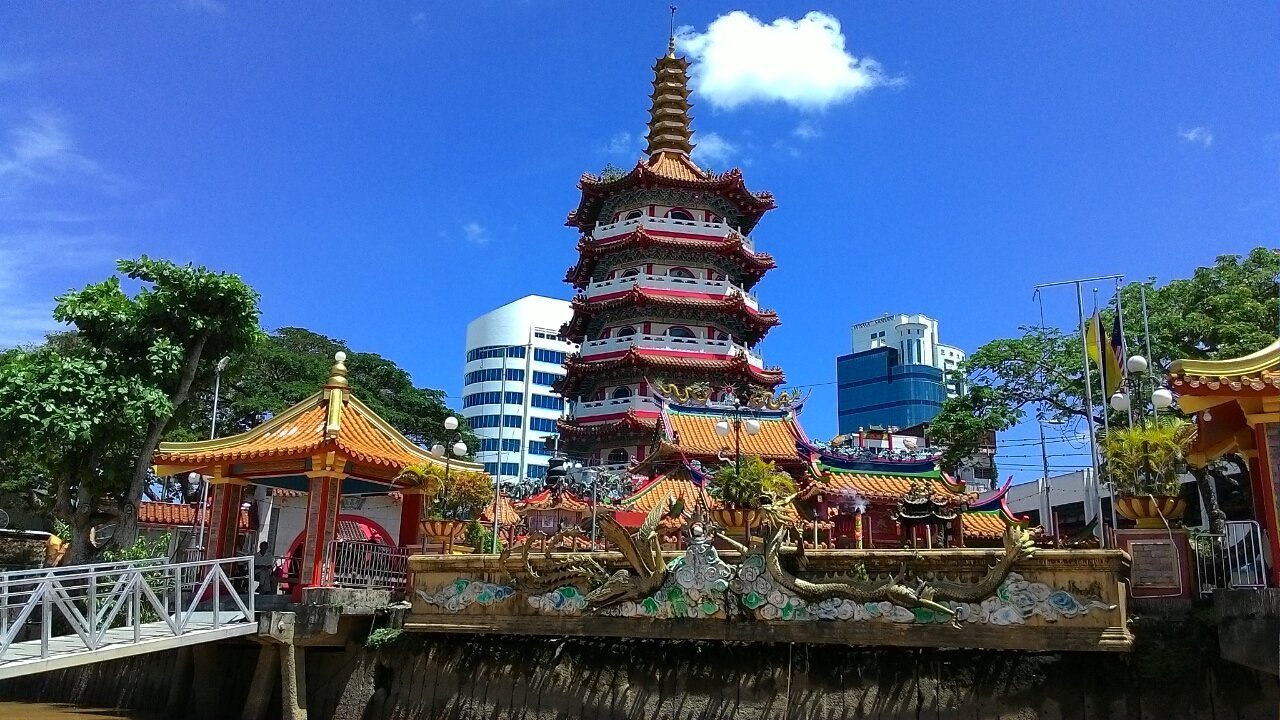
Tua Pek Kong Temple is one of Sibu’s oldest and most respected religious landmarks. The temple is dedicated to Tua Pek Kong, a Chinese deity believed to bring prosperity, protection, and good fortune. Its magnificent architecture, colorful decorations, dragon sculptures, and traditional Chinese craftsmanship make it one of the city’s most photographed attractions.
One of the temple’s most recognizable features is its impressive seven-story pagoda, which offers panoramic views of Sibu and the Rajang River. Visitors can admire intricate carvings, observe religious ceremonies, and learn about Chinese cultural traditions that have shaped the city’s heritage for generations.
4. Rajang River Waterfront

The Rajang River Waterfront is one of Sibu’s most attractive public spaces and provides spectacular views of Malaysia’s longest river. The Rajang River has played a vital role in the city’s development, serving as the primary transportation and trade route connecting remote communities throughout central Sarawak.
Visitors can enjoy leisurely walks along the riverside promenade while watching cargo boats, fishing vessels, and traditional longboats navigate the river. The waterfront becomes especially beautiful during sunset when the sky reflects across the calm waters. Restaurants, cafés, and public gathering spaces create a lively atmosphere where both locals and tourists gather to relax and enjoy the scenery.
5. Bukit Lima Nature Reserve

Bukit Lima Nature Reserve is one of Sibu’s most important ecological attractions and offers visitors an opportunity to experience Sarawak’s rich biodiversity. The reserve protects extensive peat swamp forests and wetlands that provide habitat for numerous species of birds, reptiles, amphibians, and native plants.
Visitors can explore wooden boardwalks that wind through the forest while observing wildlife in its natural environment. Birdwatchers are particularly attracted to the reserve due to the large variety of resident and migratory bird species. Educational signs throughout the park explain the ecological importance of peat swamp ecosystems and conservation efforts within Sarawak.
6. Lau King Howe Hospital Memorial Museum
The Lau King Howe Hospital Memorial Museum preserves the history of one of Sarawak’s earliest hospitals and documents the development of healthcare in central Borneo. The beautifully restored building houses exhibits featuring historical medical equipment, photographs, documents, and stories about the doctors and nurses who served local communities.
Visitors gain valuable insight into the challenges of providing healthcare in remote regions during the twentieth century while appreciating the contributions of medical professionals to Sarawak’s development. The museum combines historical significance with educational value and represents an important part of Sibu’s heritage.
7. Wong Nai Siong Memorial Park
Wong Nai Siong Memorial Park honors the Chinese leader who organized the migration of Foochow settlers to Sibu in the early twentieth century. His leadership played a crucial role in transforming Sibu into one of Sarawak’s most prosperous towns through agriculture, commerce, and community development.
Visitors can explore monuments, sculptures, and educational displays that explain the migration history and achievements of the Foochow community. The park serves as an important reminder of the determination and resilience of early settlers who helped shape modern Sibu.
8. Jade Dragon Temple

Jade Dragon Temple is one of the largest Chinese temples in Sarawak and an impressive example of traditional Chinese architecture. The temple features magnificent dragon sculptures, beautifully decorated halls, colorful roofs, and elaborate carvings that demonstrate exceptional craftsmanship.
Visitors are welcomed by a peaceful atmosphere ideal for reflection while also learning about Chinese religious traditions and cultural heritage. The temple hosts numerous festivals and celebrations throughout the year, attracting worshippers and tourists from across Malaysia.
9. Rejang Esplanade

The Rejang Esplanade is one of Sibu’s favorite recreational areas and provides excellent views of the Rajang River. Beautifully landscaped walkways, public gardens, sculptures, and seating areas create an inviting environment for relaxation and outdoor activities.
Visitors often gather during the evening to enjoy cool river breezes, observe local river traffic, and experience the lively atmosphere created by nearby restaurants and cafés. The esplanade is also a popular venue for festivals, cultural events, and community celebrations throughout the year.
10. Bukit Aup Jubilee Park

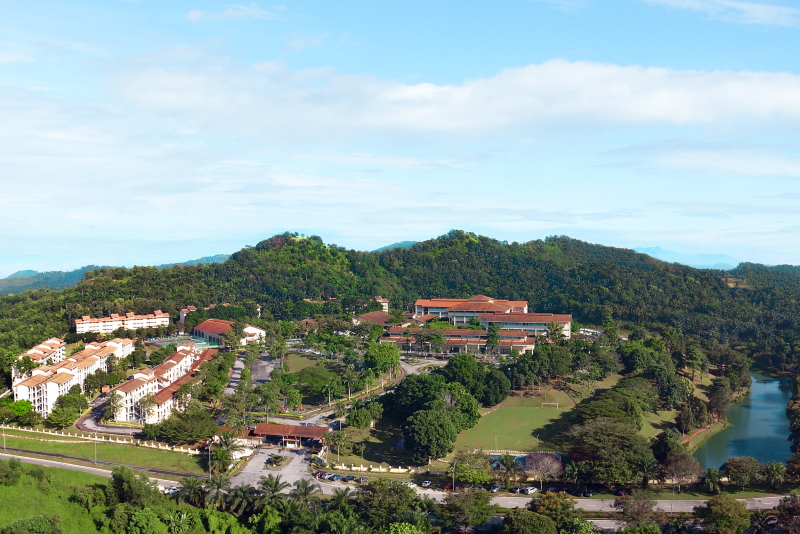
Bukit Aup Jubilee Park is one of the most scenic recreational parks in Sibu and a favorite destination for nature lovers and families. Centered around a peaceful lake surrounded by forested hills, the park offers walking trails, picnic areas, observation platforms, and excellent opportunities for birdwatching and wildlife photography.
Visitors can enjoy hiking through lush tropical vegetation, relaxing beside the lake, or simply appreciating the peaceful surroundings away from the city center. The park’s natural beauty, clean environment, and recreational facilities make it one of Sibu’s finest outdoor attractions. Whether seeking exercise, relaxation, or a connection with nature, Bukit Aup Jubilee Park provides a memorable experience for visitors of all ages.
Related artical : Best place to visit in Batu Pahat