
Now Reading: Best place to visit in Marshall Islands
-
01
Best place to visit in Marshall Islands
Best place to visit in Marshall Islands
1. Utirik Atoll Travel Guide: Discover the Peaceful Beauty of the Marshall Islands

Meta Description
Explore Utirik Atoll in the Marshall Islands, a peaceful tropical paradise featuring crystal-clear lagoons, white sandy beaches, rich marine life, and authentic island culture.
Introduction
Utirik Atoll is one of the northernmost inhabited atolls in the Marshall Islands, celebrated for its pristine lagoons, palm-fringed beaches, and tranquil island atmosphere. Far from busy tourist destinations, Utirik offers visitors an authentic Pacific island experience where traditional Marshallese culture, breathtaking natural beauty, and abundant marine life come together.
The atoll is surrounded by vibrant coral reefs that support colorful tropical fish, sea turtles, and other marine species, making it an attractive destination for snorkeling, diving, fishing, and nature photography. Visitors can also experience the warm hospitality of the local community while enjoying the peaceful lifestyle that has defined the islands for generations.
History
Utirik Atoll has been inhabited by Marshallese communities for centuries. Like many northern atolls, it was affected by radioactive fallout from nuclear testing conducted at Bikini Atoll during the 1950s. Since then, the community has recovered while preserving its traditions, language, and cultural heritage. Today, Utirik remains an important part of the Republic of the Marshall Islands and is valued for both its natural beauty and historical significance.
Best Time to Visit
The best time to visit Utirik Atoll is from December to April, when the weather is generally drier, sunny, and ideal for outdoor activities, snorkeling, and island exploration.
2. Rongelap Atoll Travel Guide: Explore a Historic Pacific Island Paradise

Meta Description
Discover Rongelap Atoll in the Marshall Islands, known for its turquoise lagoon, tropical islands, historical significance, and breathtaking Pacific scenery.
Introduction
Rongelap Atoll is a beautiful coral atoll in the northern Marshall Islands, surrounded by brilliant turquoise waters, white sandy beaches, and flourishing coral reefs. The atoll offers spectacular scenery and exceptional opportunities for snorkeling, diving, kayaking, birdwatching, and marine exploration.
Despite its remote location, Rongelap is internationally known for both its natural beauty and its historical importance. The peaceful environment, crystal-clear lagoon, and untouched landscapes make it one of the most fascinating island destinations in the Pacific.
History
Rongelap gained worldwide attention after being affected by radioactive fallout from nuclear testing conducted at Bikini Atoll in 1954. Residents were later relocated, and the atoll became an important symbol of environmental recovery and resilience. Today, restoration efforts continue while preserving the island’s cultural and historical heritage.
Best Time to Visit
The ideal time to visit Rongelap Atoll is between December and April, when warm sunshine and calm seas provide excellent conditions for exploring the lagoon and coral reefs.
3. Bikini Atoll Travel Guide: Discover the Historic Nuclear Test Site and Marine Sanctuary

Meta Description
Explore Bikini Atoll in the Marshall Islands, a UNESCO World Heritage Site famous for its nuclear history, world-class wreck diving, pristine lagoon, and remarkable environmental recovery.
Introduction
Bikini Atoll is one of the world’s most historically significant atolls and a UNESCO World Heritage Site. While internationally known for the nuclear weapons tests conducted between 1946 and 1958, Bikini Atoll has also become one of the world’s premier destinations for technical wreck diving and marine conservation.
The atoll features a vast turquoise lagoon, thriving coral reefs, abundant marine life, and numerous sunken warships resting beneath the sea. Today, Bikini Atoll stands as both a reminder of history and a symbol of nature’s resilience.
History
Following World War II, Bikini Atoll became the site of 23 United States nuclear weapons tests. Local residents were relocated before testing began, and the atoll became one of the most studied locations in nuclear history. In 2010, UNESCO designated Bikini Atoll as a World Heritage Site because of its global historical importance.
Best Time to Visit
The best time to visit Bikini Atoll is from December to April, when weather conditions provide excellent visibility for diving and marine exploration.
4. Enewetak Atoll Travel Guide: Explore a Historic Coral Paradise

Meta Description
Discover Enewetak Atoll in the Marshall Islands, known for its beautiful lagoon, tropical islands, rich marine ecosystems, and remarkable historical significance.
Introduction
Enewetak Atoll is a stunning coral atoll in the western Marshall Islands, surrounded by crystal-clear lagoons, pristine beaches, and thriving coral reefs. Visitors are drawn to its natural beauty, peaceful island environment, and exceptional opportunities for snorkeling, diving, and marine photography.
The atoll also holds great historical importance due to its role during World War II and later nuclear testing programs, making it one of the Pacific’s most historically significant destinations.
History
Enewetak Atoll was occupied during World War II before becoming a major nuclear testing site between 1948 and 1958. Extensive cleanup efforts were later undertaken, and many residents eventually returned to parts of the atoll. Today, Enewetak represents both an important chapter in world history and a remarkable example of environmental recovery.
Best Time to Visit
The ideal time to visit Enewetak Atoll is December through April, when weather conditions are dry, sunny, and ideal for outdoor activities.
5. Kwajalein Atoll Travel Guide: Discover the World’s Largest Coral Atoll

Meta Description
Visit Kwajalein Atoll in the Marshall Islands, the world’s largest coral atoll by lagoon area, featuring beautiful islands, tropical beaches, fascinating history, and outstanding marine life.
Introduction
Kwajalein Atoll is the world’s largest coral atoll by enclosed lagoon area, stretching across hundreds of kilometers in the central Pacific Ocean. The atoll consists of nearly 100 small islands surrounded by one of the world’s largest and most spectacular lagoons.
Visitors can admire white sandy beaches, crystal-clear waters, coral reefs, and diverse marine ecosystems while learning about the atoll’s unique history and strategic importance.
History
Kwajalein has been inhabited by Marshallese communities for centuries. During World War II, it became a major military stronghold before later serving as an important missile testing and space tracking facility. Today, the atoll remains internationally significant while preserving its remarkable natural environment.
Best Time to Visit
The best time to visit Kwajalein Atoll is from December to April, when warm temperatures and calm waters create excellent conditions for sightseeing and water activities.
6. Kili Island Travel Guide: Discover a Peaceful Island with a Remarkable Story

Meta Description
Explore Kili Island in the Marshall Islands, known for its beautiful coastline, peaceful atmosphere, and unique history as the home of relocated Bikini Atoll residents.
Introduction
Kili Island is a small, beautiful island in the southern Marshall Islands surrounded by the vast Pacific Ocean. Unlike many Marshallese atolls, Kili has no protective lagoon, giving it dramatic ocean views and a distinctive coastal landscape.
The island is best known as the home of many Bikini Atoll residents who were relocated after nuclear testing. Today, Kili combines natural beauty with an inspiring story of resilience and cultural preservation.
History
Following the nuclear tests at Bikini Atoll in 1946, many displaced Bikini residents were resettled on Kili Island. Although adapting to life without a lagoon presented challenges, the community preserved its traditions and cultural identity while building a new home.
Best Time to Visit
The ideal time to visit Kili Island is between December and April, when rainfall is lower and weather conditions are ideal for island exploration.
7. Rongrik Atoll Travel Guide: Experience One of the Marshall Islands’ Most Remote Atolls

Meta Description
Discover Rongrik Atoll in the Marshall Islands, a remote coral paradise featuring untouched lagoons, vibrant coral reefs, abundant marine life, and spectacular Pacific scenery.
Introduction
Rongrik Atoll is one of the most remote and unspoiled atolls in the Marshall Islands. Surrounded by brilliant blue lagoons, coral reefs, and countless tropical fish, Rongrik offers an extraordinary glimpse into the untouched beauty of the central Pacific.
Its isolated location has helped preserve its natural ecosystems, making it an attractive destination for scientific research, marine conservation, and adventurous travelers seeking pristine island environments.
History
Rongrik Atoll has long been part of the traditional lands of the Marshallese people. Following the relocation of Bikini residents after nuclear testing, some families were temporarily moved to Rongrik before eventually relocating elsewhere due to limited resources. Today, the atoll remains largely uninhabited and is valued for its ecological significance.
Best Time to Visit
The best time to visit Rongrik Atoll is from December to April, when calm seas and sunny weather provide ideal conditions for marine exploration and photography.
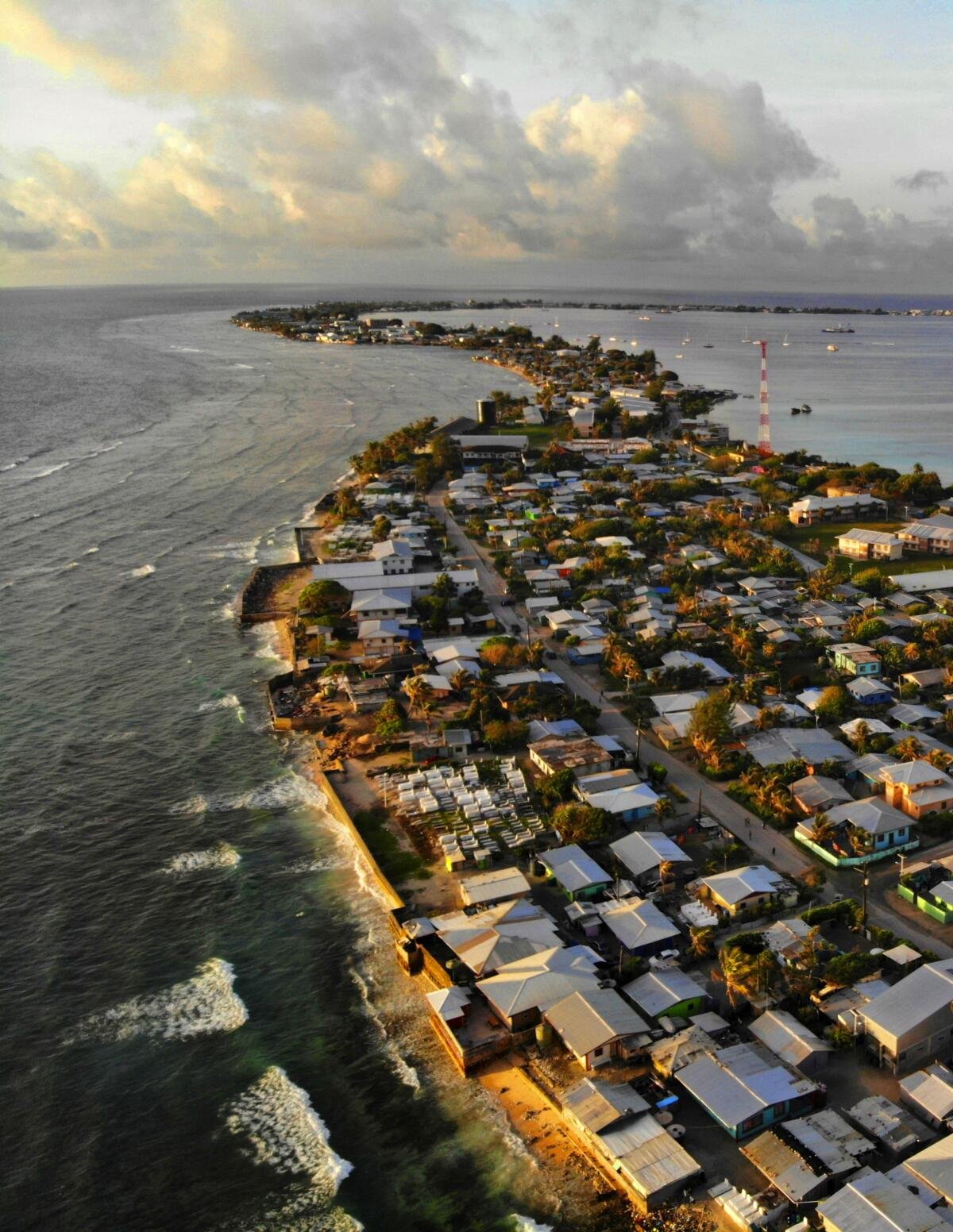
8. Majuro Atoll Travel Guide: Discover the Vibrant Capital of the Marshall Islands

Meta Description
Explore Majuro Atoll, the capital of the Marshall Islands, featuring beautiful lagoons, tropical beaches, cultural attractions, and vibrant island life.
Introduction
Majuro Atoll is the political, economic, and cultural heart of the Marshall Islands. Consisting of over 60 small islands connected by a single road, the atoll is famous for its crystal-clear lagoon, white sandy beaches, colorful coral reefs, and welcoming island communities. Visitors can enjoy snorkeling, diving, fishing, shopping, local markets, and traditional Marshallese culture while exploring one of the Pacific’s most beautiful capital cities.
History
Majuro has been inhabited for centuries by Marshallese communities. During World War II, it became an important military base before later becoming the capital of the independent Republic of the Marshall Islands in 1986. Today, it serves as the country’s administrative and commercial center.
Best Time to Visit
The best time to visit Majuro Atoll is between December and April, when warm temperatures and lower rainfall provide ideal conditions for outdoor activities.
9. Alele Museum and Public Library Travel Guide: Discover Marshallese Heritage

Meta Description
Visit the Alele Museum and Public Library in Majuro to explore the history, culture, traditional artifacts, photographs, and heritage of the Marshall Islands.
Introduction
Alele Museum and Public Library is the country’s leading cultural institution, dedicated to preserving the history and traditions of the Marshallese people. The museum houses traditional navigation tools, handcrafted canoes, ancient artifacts, photographs, documents, and exhibits that tell the story of island life from prehistoric times to the modern era.
Visitors gain a fascinating insight into Marshallese culture, language, navigation, and the nation’s unique history.
History
Established to preserve the cultural heritage of the Marshall Islands, the Alele Museum has become an important educational center promoting local traditions, historical research, and community learning through exhibitions and cultural programs.
Best Time to Visit
The museum is open throughout the year, although December to April offers the most pleasant weather for exploring Majuro.
10. Laura Beach Travel Guide: Relax at Majuro’s Most Beautiful Beach

Meta Description
Discover Laura Beach in Majuro Atoll, famous for its soft white sand, turquoise lagoon, peaceful atmosphere, and unforgettable tropical sunsets.
Introduction
Laura Beach is widely regarded as one of the most beautiful beaches in the Marshall Islands. Located at the western end of Majuro Atoll, the beach offers crystal-clear waters, soft white sand, swaying coconut palms, and breathtaking lagoon views. It is an ideal destination for swimming, snorkeling, picnics, kayaking, and simply relaxing in a peaceful tropical setting.
History
Laura has long been a traditional settlement on Majuro Atoll. As tourism developed, its beautiful beach became one of the country’s most popular recreational destinations while maintaining its natural beauty and relaxed atmosphere.
Best Time to Visit
Visit between December and April for sunny weather and calm lagoon conditions.
11. Arno Atoll Travel Guide: Experience an Authentic Marshallese Paradise

Meta Description
Explore Arno Atoll in the Marshall Islands, a tropical paradise featuring beautiful coral reefs, peaceful islands, traditional villages, and crystal-clear lagoons.
Introduction
Arno Atoll is one of the country’s most beautiful inhabited atolls, located southeast of Majuro. Famous for its pristine beaches, clear lagoons, vibrant coral reefs, and authentic Marshallese culture, Arno provides visitors with an unforgettable island experience away from busy urban areas.
History
Arno has been inhabited for centuries and remains one of the Marshall Islands’ most traditional communities. Fishing, coconut farming, and handicrafts continue to play an important role in everyday life while preserving local customs.
Best Time to Visit
The ideal time to visit Arno Atoll is from December to April.
12. Bikini Atoll Travel Guide: Explore a UNESCO World Heritage Site

Meta Description
Visit Bikini Atoll, a UNESCO World Heritage Site renowned for its nuclear history, crystal-clear lagoon, famous shipwreck dives, and exceptional marine biodiversity.
Introduction
Bikini Atoll is internationally recognized for its historical significance and spectacular underwater landscapes. The atoll is famous for its massive lagoon, thriving coral reefs, and numerous World War II shipwrecks that attract technical divers from around the world.
History
Between 1946 and 1958, Bikini Atoll became the site of 23 nuclear weapons tests conducted by the United States. Today, the atoll is recognized by UNESCO as a World Heritage Site and remains one of the Pacific’s most historically significant locations.
Best Time to Visit
The best time to visit is December to April.
13. Kwajalein Atoll Travel Guide: Visit the World’s Largest Coral Lagoon

Meta Description
Discover Kwajalein Atoll, the world’s largest coral atoll by lagoon area, offering tropical scenery, fascinating history, and outstanding marine life.
Introduction
Kwajalein Atoll is the world’s largest coral atoll by enclosed lagoon area. Its crystal-clear waters, white sandy islands, coral reefs, and tropical scenery make it one of the Marshall Islands’ most remarkable destinations.
History
Kwajalein has served as an important center for Marshallese communities, World War II military operations, and modern aerospace research. Its fascinating history spans centuries of Pacific island culture and international significance.
Best Time to Visit
The ideal time to visit is December through April.
14. Ebeye Island Travel Guide: Discover the Cultural Heart of Kwajalein Atoll

Meta Description
Explore Ebeye Island in the Marshall Islands, a vibrant community known for its rich Marshallese culture, coastal scenery, and historical significance.
Introduction
Ebeye Island is one of the most populated islands in the Marshall Islands and serves as the cultural center of Kwajalein Atoll. Visitors can experience authentic Marshallese traditions, colorful local markets, waterfront views, and everyday island life.
History
Ebeye developed into an important residential and commercial center during the 20th century, particularly because of nearby military activities on Kwajalein. Today, it remains an important community preserving Marshallese culture and traditions.
Best Time to Visit
Visit between December and April for pleasant tropical weather.
15. Jaluit Atoll Travel Guide: Explore the Historic Capital of the Marshall Islands

Meta Description
Discover Jaluit Atoll, once the capital of the Marshall Islands, featuring beautiful lagoons, historical landmarks, coral reefs, and peaceful island landscapes.
Introduction
Jaluit Atoll is one of the country’s most historically important atolls. Once serving as the colonial capital, Jaluit offers visitors beautiful lagoons, historic sites, tropical beaches, and traditional island culture.
History
Jaluit became the administrative center during the German and later Japanese colonial periods. Today, it preserves many stories of the islands’ colonial past while maintaining its natural beauty.
Best Time to Visit
The best time to visit is from December to April.
16. Mili Atoll Travel Guide: Experience Untouched Tropical Beauty

Meta Description
Visit Mili Atoll in the Marshall Islands, a peaceful destination known for pristine beaches, coral reefs, crystal-clear lagoons, and rich World War II history.
Introduction
Mili Atoll is the southernmost coral atoll in the Marshall Islands, offering spectacular beaches, turquoise lagoons, lush vegetation, and abundant marine life. The atoll is also known for its World War II historical sites scattered throughout the islands.
History
Mili played an important role during World War II and still contains historical remains from the conflict. Today, the atoll is appreciated for its peaceful atmosphere and exceptional natural beauty.
Best Time to Visit
The ideal time to visit is December through April.
17. Likiep Atoll Travel Guide: Discover One of the Marshall Islands’ Most Beautiful Atolls

Meta Description
Explore Likiep Atoll in the Marshall Islands, famous for its white sandy beaches, crystal-clear lagoons, historic coconut plantations, and peaceful tropical scenery.
Introduction
Likiep Atoll is one of the most picturesque atolls in the Marshall Islands. Known for its stunning beaches, vibrant coral reefs, coconut plantations, and tranquil lagoons, Likiep offers visitors an authentic Pacific island escape filled with natural beauty and traditional culture.
History
Likiep became one of the Marshall Islands’ most important coconut plantation centers during the colonial era. Today, it continues to preserve its historical heritage while welcoming visitors seeking peaceful tropical landscapes.
Best Time to Visit
The best time to visit Likiep Atoll is between December and April, when sunny weather provides ideal conditions for island exploration, snorkeling, and photography.
Related artical : Best place to visit in Ujae