
Now Reading: Best place to visit in Mecklenburg-Schwerin
-
01
Best place to visit in Mecklenburg-Schwerin
Best place to visit in Mecklenburg-Schwerin
1. Schwerin Castle Travel Guide: Discover Germany’s Fairytale Palace on the Lake

Meta Description
Explore Schwerin Castle in Germany, a magnificent lakeside palace famous for its fairytale architecture, royal history, beautiful gardens, and UNESCO World Heritage significance.
Introduction
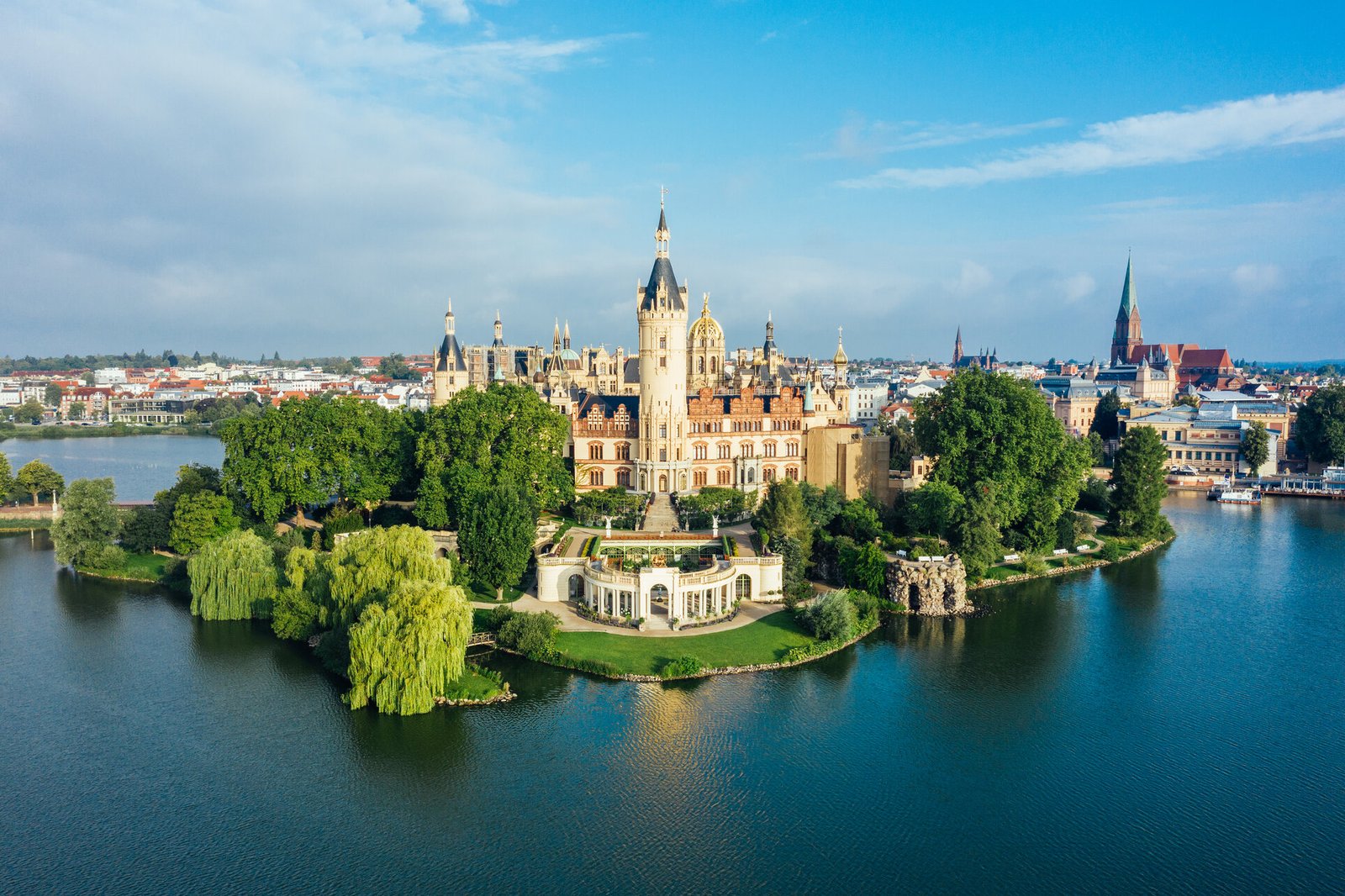
Schwerin Castle is one of Germany’s most beautiful castles and a true architectural masterpiece. Situated on an island in Lake Schwerin, the castle is surrounded by sparkling water, elegant gardens, and picturesque landscapes that create a fairytale setting. Often referred to as the “Neuschwanstein of Northern Germany,” Schwerin Castle attracts visitors with its stunning Neo-Renaissance design, richly decorated interiors, and centuries of royal history.
Today, the castle houses the state parliament of Mecklenburg-Vorpommern while remaining one of the region’s most popular tourist attractions. Visitors can explore lavish royal rooms, impressive towers, museum exhibitions, and beautifully landscaped palace gardens.
History
The site has been home to a fortress since the 10th century. During the 19th century, Grand Duke Frederick Francis II commissioned the construction of the magnificent castle seen today. Inspired by French Renaissance architecture, the palace became the official residence of the Grand Dukes of Mecklenburg-Schwerin and remains one of Germany’s finest royal residences.
Best Time to Visit
The best time to visit Schwerin Castle is from May to September, when pleasant weather allows visitors to fully enjoy both the palace interiors and surrounding gardens.
2. Schwerin Cathedral Travel Guide: Explore Northern Germany’s Gothic Masterpiece

Meta Description
Visit Schwerin Cathedral, one of northern Germany’s finest Gothic churches, renowned for its impressive architecture, historic artwork, and panoramic tower views.
Introduction
Schwerin Cathedral is the city’s most important religious landmark and one of the finest examples of Brick Gothic architecture in northern Germany. Dominating Schwerin’s skyline with its soaring 117-meter tower, the cathedral impresses visitors with magnificent stained-glass windows, historic altars, beautiful vaulted ceilings, and centuries of spiritual heritage.
Visitors can climb the cathedral tower for spectacular panoramic views over Schwerin, its lakes, and the surrounding countryside.
History
Construction of Schwerin Cathedral began during the 13th century and continued for several centuries. Throughout its history, the cathedral has survived wars, religious reforms, and restoration projects while remaining an important symbol of the city’s cultural and religious identity.
Best Time to Visit
The ideal time to visit is April to October, when visitors can comfortably climb the tower and enjoy the city’s beautiful scenery.
3. Schwerin Palace Gardens Travel Guide: Stroll Through Germany’s Royal Landscapes

Meta Description
Explore the beautiful Schwerin Palace Gardens, featuring elegant fountains, sculptures, colorful flower displays, scenic walking paths, and breathtaking lakeside views.
Introduction
Schwerin Palace Gardens are among the most beautiful landscaped gardens in northern Germany. Surrounding the magnificent Schwerin Castle, these gardens feature elegant terraces, ornamental fountains, carefully maintained flower beds, historic sculptures, and peaceful walking paths overlooking Lake Schwerin.
The gardens provide a relaxing escape where visitors can enjoy nature, photography, and spectacular views of one of Germany’s most beautiful castles.
History
The gardens were designed during the 19th century as part of the extensive redevelopment of Schwerin Castle. Influenced by French and English landscape design, they have been carefully preserved and restored over the years, maintaining their royal elegance.
Best Time to Visit
The best time to visit is May through September, when flowers are in full bloom and the gardens display their most vibrant colors.
4. Schwerin Lake Travel Guide: Experience Northern Germany’s Scenic Waterfront

Meta Description
Discover Schwerin Lake, one of Germany’s largest lakes, offering beautiful scenery, boat cruises, water sports, cycling trails, and relaxing lakeside views.
Introduction
Schwerin Lake is one of northern Germany’s largest and most picturesque lakes. Surrounded by forests, parks, charming villages, and the iconic Schwerin Castle, the lake offers visitors a wide range of recreational activities, including boating, sailing, kayaking, cycling, fishing, and lakeside walks.
Its peaceful atmosphere and stunning scenery make it one of Mecklenburg-Vorpommern’s most popular outdoor destinations.
History
Lake Schwerin has shaped the development of the city for centuries. It served as an important transportation route, fishing area, and defensive feature for the early fortress that eventually became Schwerin Castle. Today, it remains a central part of the city’s identity.
Best Time to Visit
Visit between May and September, when warm weather creates ideal conditions for boating and outdoor recreation.
5. Wismar Old Town Travel Guide: Discover Germany’s UNESCO Hanseatic Treasure

Meta Description
Explore Wismar Old Town, a UNESCO World Heritage Site renowned for its Hanseatic architecture, historic churches, medieval streets, and vibrant market square.
Introduction
Wismar Old Town is one of the best-preserved medieval towns in northern Europe and a UNESCO World Heritage Site. Famous for its impressive Brick Gothic architecture, historic merchant houses, charming cobblestone streets, and lively market square, Wismar reflects the rich legacy of the Hanseatic League.
Visitors can admire beautifully restored buildings, explore centuries-old churches, enjoy waterfront cafés, and discover the fascinating maritime history that shaped the city.
History
Founded during the 13th century, Wismar became an influential member of the Hanseatic League, connecting northern Europe through trade and commerce. Its prosperity led to the construction of magnificent churches, warehouses, and public buildings that continue to define the city’s unique character today.
Best Time to Visit
The ideal time to visit Wismar Old Town is May through September, when mild weather is perfect for walking tours, sightseeing, and outdoor dining.
6. St. George’s Church Travel Guide: Discover Wismar’s Magnificent Gothic Landmark

Meta Description
Explore St. George’s Church in Wismar, Germany, a magnificent Brick Gothic church renowned for its impressive architecture, panoramic tower views, and rich Hanseatic history.
Introduction
St. George’s Church is one of northern Germany’s finest examples of Brick Gothic architecture. Standing proudly in the historic center of Wismar, the church impresses visitors with its soaring red-brick walls, elegant vaulted ceilings, and remarkable medieval craftsmanship.
After extensive restoration, the church has become one of Wismar’s most popular attractions, offering breathtaking panoramic views from its observation platform. Visitors can admire the impressive architecture, explore exhibition spaces, and enjoy spectacular views over Wismar’s UNESCO-listed Old Town and the Baltic Sea.
History
Construction of St. George’s Church began during the 14th century when Wismar was one of the leading cities of the Hanseatic League. The church suffered severe damage during World War II but was carefully restored over several decades. Today, it stands as a symbol of resilience and architectural excellence.
Best Time to Visit
The ideal time to visit is May to September, when pleasant weather offers clear panoramic views from the observation platform.
7. Rostock Old Town Travel Guide: Explore Germany’s Historic Hanseatic City

Meta Description
Discover Rostock Old Town, one of Germany’s most beautiful Hanseatic cities, featuring medieval architecture, historic churches, colorful squares, and vibrant cultural attractions.
Introduction
Rostock Old Town is a fascinating blend of medieval history and modern city life. Once one of the wealthiest members of the Hanseatic League, Rostock is renowned for its impressive Brick Gothic architecture, lively market squares, historic city gates, and charming pedestrian streets.
Visitors can explore centuries-old churches, colorful merchant houses, museums, cafés, and shopping streets while experiencing the vibrant atmosphere of one of northern Germany’s oldest cities.
History
Founded in the 13th century, Rostock quickly became an important trading center on the Baltic Sea. The city prospered through maritime commerce and later became home to the University of Rostock, established in 1419 and one of the oldest universities in Northern Europe. Today, Rostock continues to preserve its remarkable Hanseatic heritage.
Best Time to Visit
The best time to visit is May through September, when warm weather makes walking through the historic streets especially enjoyable.
8. Warnemünde Beach Travel Guide: Relax on Germany’s Beautiful Baltic Coast

Meta Description
Visit Warnemünde Beach in Germany, famous for its wide sandy coastline, Baltic Sea views, beach activities, seaside promenade, and charming maritime atmosphere.
Introduction
Warnemünde Beach is one of Germany’s most popular seaside destinations. Located along the Baltic Sea, the beach features soft golden sand, refreshing sea breezes, a lively promenade, and excellent facilities for families and holidaymakers.
Visitors can swim, sunbathe, enjoy beach sports, stroll along the waterfront, dine at seafood restaurants, or simply relax while watching ships sail into the nearby harbor.
History
Originally a small fishing village, Warnemünde developed into a popular seaside resort during the 19th century as tourism expanded along Germany’s Baltic coast. Today, it is one of the country’s leading beach destinations and an important cruise ship port.
Best Time to Visit
The ideal time to visit is June through August, when warm temperatures provide perfect beach conditions.
9. Rostock Lighthouse Travel Guide: Experience Stunning Baltic Sea Views

Meta Description
Explore the Rostock Lighthouse in Warnemünde, Germany, offering spectacular Baltic Sea views, maritime history, and one of the region’s most iconic landmarks.
Introduction
Warnemünde Lighthouse is one of the most recognizable landmarks along Germany’s Baltic coast. Standing beside the beach and harbor entrance, the lighthouse provides visitors with panoramic views of the Baltic Sea, sandy coastline, marina, and the charming town of Warnemünde.
Climbing to the top rewards visitors with unforgettable scenery and excellent photography opportunities, especially during sunrise and sunset.
History
Completed in 1898, the lighthouse has guided ships safely into Rostock Harbor for more than a century. It continues to operate today while also serving as one of the city’s most popular tourist attractions.
Best Time to Visit
The best time to visit is May through September, when clear weather offers spectacular coastal views.
10. Güstrow Palace Travel Guide: Discover Germany’s Elegant Renaissance Castle

Meta Description
Visit Güstrow Palace in Germany, a magnificent Renaissance castle featuring elegant architecture, royal history, beautiful gardens, and fascinating museum exhibitions.
Introduction
Güstrow Palace is one of northern Germany’s finest Renaissance palaces. Built during the 16th century, the palace is renowned for its elegant architecture, beautifully decorated interiors, landscaped gardens, and impressive collections of historical art and artifacts.
Visitors can tour royal chambers, explore museum exhibitions, admire the palace courtyard, and relax in the surrounding gardens while discovering centuries of Mecklenburg history.
History
Güstrow Palace was constructed between 1558 and 1565 as the residence of the Dukes of Mecklenburg. Influenced by Italian and French Renaissance architecture, the palace became one of the region’s most prestigious royal residences. Today, it serves as a museum preserving the artistic and political history of Mecklenburg.
Best Time to Visit
The ideal time to visit is May to September, when the palace gardens are in full bloom and the weather is perfect for sightseeing.
11. Güstrow Cathedral Travel Guide: Discover Northern Germany’s Historic Gothic Landmark

Meta Description
Explore Güstrow Cathedral in Germany, a magnificent Brick Gothic church renowned for its medieval architecture, historic artworks, and centuries of religious heritage.
Introduction
Güstrow Cathedral is one of Mecklenburg-Vorpommern’s most impressive religious monuments and an outstanding example of Brick Gothic architecture. The cathedral is celebrated for its soaring vaulted ceilings, beautiful stained-glass windows, remarkable medieval craftsmanship, and the famous sculpture The Floating Angel created by Ernst Barlach.
Visitors can admire the peaceful interior, explore centuries of religious history, and appreciate one of northern Germany’s most important cultural landmarks.
History
Construction of Güstrow Cathedral began during the 13th century and continued through the medieval period. Over the centuries, the cathedral served as an important spiritual center for the region while surviving wars, religious reforms, and extensive restoration projects.
Best Time to Visit
The ideal time to visit is May to September, when pleasant weather makes exploring Güstrow and its historic attractions enjoyable.
12. Ludwigslust Palace Travel Guide: Discover Germany’s Baroque Royal Residence

Meta Description
Visit Ludwigslust Palace in Germany, an elegant Baroque palace featuring magnificent architecture, royal history, landscaped gardens, and impressive museum collections.
Introduction
Ludwigslust Palace is one of northern Germany’s finest Baroque palaces and one of the region’s most magnificent royal residences. Surrounded by beautifully landscaped gardens, canals, fountains, and tree-lined avenues, the palace showcases elegant architecture, luxurious interiors, and centuries of aristocratic history.
Visitors can explore richly decorated state rooms, royal apartments, museum exhibitions, and expansive palace grounds that reflect the grandeur of Mecklenburg’s former rulers.
History
Built during the 18th century, Ludwigslust Palace became the principal residence of the Dukes of Mecklenburg-Schwerin. Inspired by French Baroque architecture, the palace developed into one of Germany’s most elegant royal estates and remains an important cultural monument today.
Best Time to Visit
The best time to visit is May through September, when the palace gardens are at their most beautiful.
13. Bad Doberan Minster Travel Guide: Explore Germany’s Finest Brick Gothic Church

Meta Description
Discover Bad Doberan Minster in Germany, one of Europe’s finest Brick Gothic churches, famous for its medieval architecture, remarkable interiors, and historic significance.
Introduction
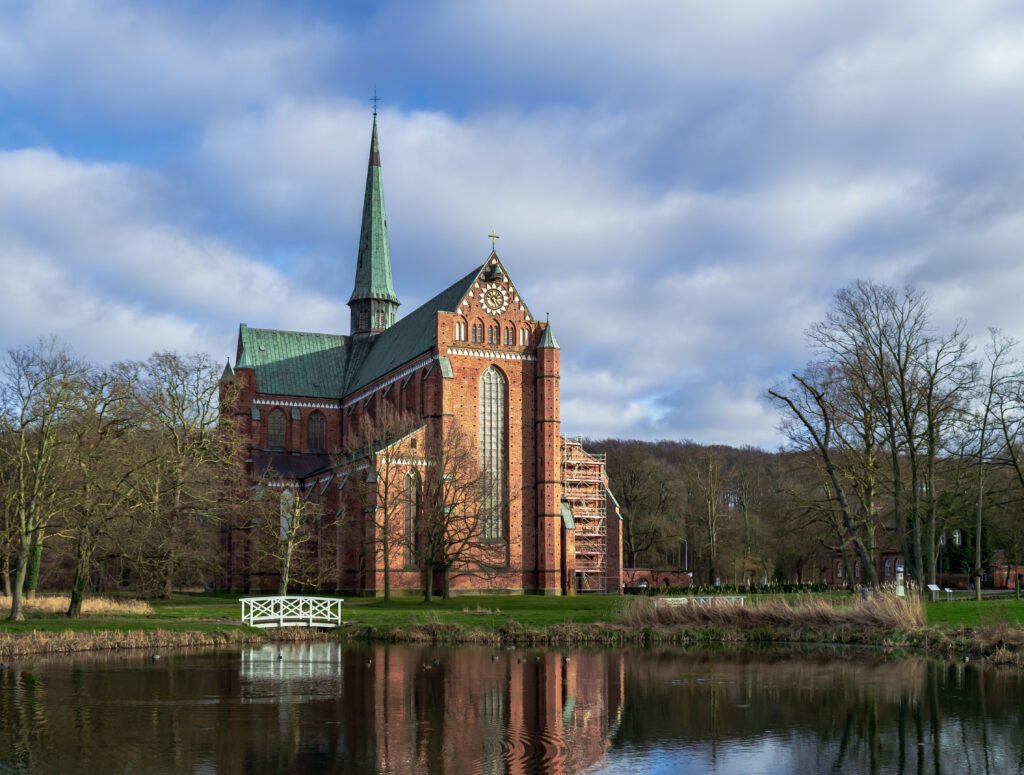
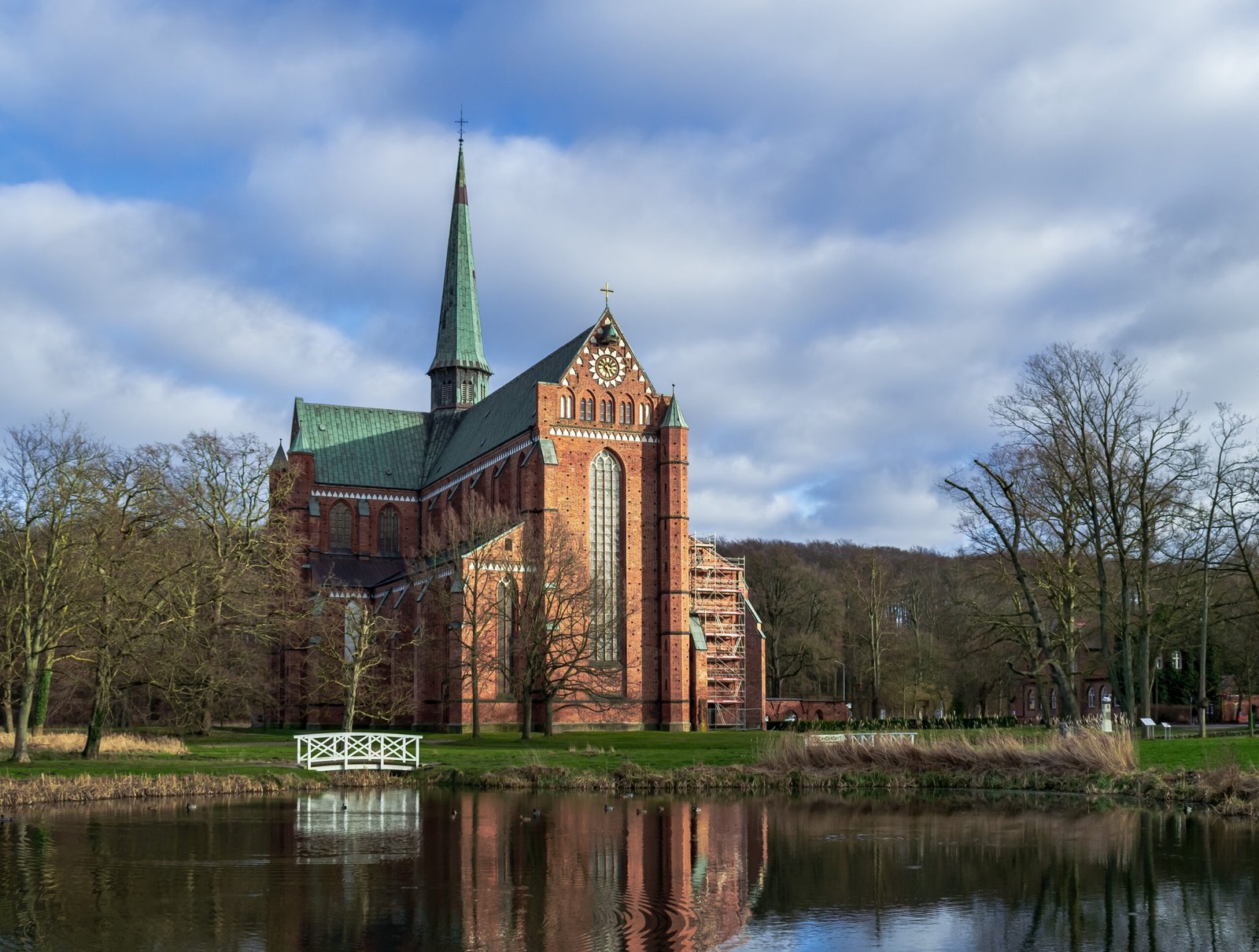
Bad Doberan Minster is regarded as one of the most outstanding examples of Brick Gothic architecture in Europe. Originally built as the church of a Cistercian monastery, the minster impresses visitors with its towering red-brick exterior, beautifully preserved medieval interior, ornate altars, stained-glass windows, and historic tombs.
Its remarkable state of preservation makes it one of Germany’s most important religious and architectural landmarks.
History
Construction began during the late 13th century as part of the Doberan Abbey complex. Throughout the Middle Ages, the church served as an important religious center and later became one of Mecklenburg’s most treasured architectural monuments.
Best Time to Visit
The ideal time to visit is May through September, when visitors can combine the cathedral with nearby Baltic Sea attractions.
14. Müritz National Park Travel Guide: Experience Germany’s Largest Lake District

Meta Description
Explore Müritz National Park in Germany, a spectacular nature reserve featuring pristine lakes, ancient forests, diverse wildlife, hiking trails, and outdoor adventures.
Introduction
Müritz National Park is one of Germany’s largest and most beautiful national parks. Covering vast forests, wetlands, rivers, and more than one hundred lakes, the park is a paradise for nature lovers, birdwatchers, cyclists, and hikers.
Visitors can observe rare species such as white-tailed eagles, ospreys, cranes, deer, and otters while exploring scenic walking trails, cycling routes, and peaceful waterways.
History
Established in 1990 following German reunification, Müritz National Park was created to protect one of Central Europe’s most valuable natural landscapes. Today, it forms part of the UNESCO Müritz Biosphere region and plays a vital role in conservation.
Best Time to Visit
The best time to visit is May to October, when hiking, cycling, boating, and wildlife viewing conditions are ideal.
15. Plau am See Travel Guide: Discover Germany’s Charming Lakeside Town

Meta Description
Visit Plau am See, a picturesque lakeside town in Germany featuring beautiful waterfront views, historic architecture, boating, cycling, and relaxing outdoor activities.
Introduction
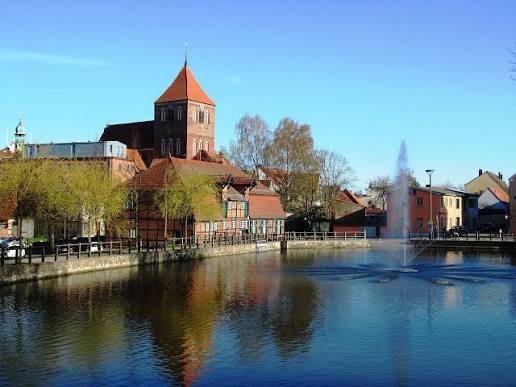
Plau am See is one of Mecklenburg-Vorpommern’s most charming lakeside destinations. Situated on the shores of Lake Plau, the town is famous for its scenic harbor, historic old town, traditional half-timbered houses, and peaceful natural surroundings.
Visitors can enjoy boat cruises, cycling, fishing, lakeside walks, water sports, and relaxing cafés while experiencing one of Germany’s most beautiful lake districts.
History
Plau am See was founded during the Middle Ages and became an important trading settlement because of its strategic location on regional waterways. Its historic bridge, castle tower, and medieval streets continue to reflect the town’s rich heritage.
Best Time to Visit
The ideal time to visit is May through September, when warm weather allows visitors to fully enjoy the lake and outdoor activities.
16. Bützow Castle Travel Guide: Explore a Historic Renaissance Landmark in Northern Germany

Meta Description
Discover Bützow Castle in Germany, a beautifully preserved Renaissance castle featuring centuries of history, elegant architecture, museum exhibitions, and cultural heritage.
Introduction
Bützow Castle is one of Mecklenburg-Vorpommern’s most significant historical landmarks. Located in the charming town of Bützow, the castle combines medieval origins with impressive Renaissance architecture, offering visitors a fascinating journey through centuries of German history. Its elegant courtyards, restored halls, and museum collections provide insight into the region’s noble heritage and architectural evolution.
Today, Bützow Castle serves as a cultural center hosting exhibitions, historical displays, educational events, and community programs while preserving one of northern Germany’s finest historic residences.
History
The original fortress was established during the medieval period and later transformed into a Renaissance palace during the 16th century. Throughout its history, Bützow Castle served as the residence of bishops, dukes, and government officials before becoming an important cultural monument dedicated to preserving Mecklenburg’s rich heritage.
Best Time to Visit
The ideal time to visit is May to September, when pleasant weather makes it easy to explore both the castle and the surrounding historic town.
17. Grevesmühlen Historic Town Travel Guide: Experience the Charm of Northern Germany

Meta Description
Explore Grevesmühlen Historic Town in Germany, known for its medieval architecture, traditional market square, cultural landmarks, and welcoming small-town atmosphere.
Introduction
Grevesmühlen is a charming historic town in Mecklenburg-Vorpommern that offers visitors a peaceful blend of medieval heritage and modern German culture. The town is famous for its attractive market square, historic churches, traditional brick buildings, and welcoming atmosphere.
Visitors can enjoy walking through quiet streets, exploring local museums, relaxing in cafés, and discovering centuries of history preserved in one of northern Germany’s most picturesque communities.
History
Founded during the 13th century, Grevesmühlen grew as an important regional trading center. Over the centuries, the town developed around its central marketplace while preserving many historic buildings that continue to reflect its medieval origins.
Best Time to Visit
The best time to visit is May through September, when mild weather is perfect for sightseeing and exploring the town on foot.
18. Neustadt-Glewe Castle Travel Guide: Discover a Fairytale Fortress in Mecklenburg

Meta Description
Visit Neustadt-Glewe Castle in Germany, a beautifully preserved medieval fortress featuring impressive architecture, fascinating history, scenic surroundings, and cultural exhibitions.
Introduction
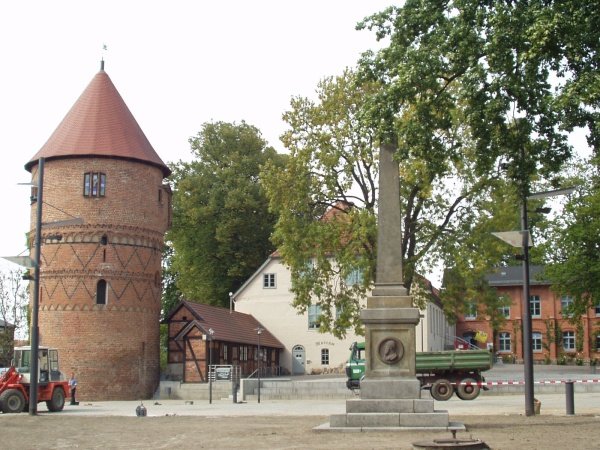
Neustadt-Glewe Castle is one of Mecklenburg’s oldest and best-preserved castles. Surrounded by picturesque landscapes and historic town streets, the castle features a striking medieval tower, fortified walls, elegant courtyards, and informative museum exhibitions that bring the region’s history to life.
Visitors can climb the castle tower for panoramic views, learn about medieval life, and admire the beautifully restored architecture that has survived for centuries.
History
Dating back to the 13th century, Neustadt-Glewe Castle originally served as a defensive fortress protecting important trade routes. Over time, it was expanded into a noble residence while retaining much of its medieval character. Today, it stands as one of Mecklenburg-Vorpommern’s most treasured historical monuments.
Best Time to Visit
The ideal time to visit is May to September, when the pleasant climate allows visitors to explore both the castle and surrounding parks.
19. Schaalsee Biosphere Reserve Travel Guide: Discover Germany’s Peaceful Natural Paradise

Meta Description
Explore Schaalsee Biosphere Reserve in Germany, a UNESCO Biosphere Reserve featuring pristine lakes, forests, diverse wildlife, scenic hiking trails, and tranquil landscapes.
Introduction
Schaalsee Biosphere Reserve is one of Germany’s most beautiful protected natural areas. Centered around the crystal-clear Lake Schaalsee, the reserve offers visitors peaceful forests, wetlands, rolling hills, and exceptional biodiversity.
Nature lovers can enjoy hiking, cycling, birdwatching, canoeing, photography, and wildlife observation while exploring one of northern Germany’s most pristine landscapes. The reserve is home to rare birds, otters, deer, and numerous protected plant species.
History
Following German reunification, the region became an important conservation area due to its remarkably untouched ecosystems. UNESCO later recognized Schaalsee as a Biosphere Reserve because of its outstanding natural value and successful environmental protection efforts.
Best Time to Visit
The best time to visit is May through October, when outdoor activities and wildlife viewing are at their best.
20. Baltic Sea Coast Travel Guide: Explore Germany’s Stunning Northern Shoreline

Meta Description
Discover Germany’s Baltic Sea Coast, famous for sandy beaches, seaside resorts, dramatic cliffs, charming fishing villages, and unforgettable coastal scenery.
Introduction
Baltic Sea Coast is one of the country’s most popular holiday destinations, stretching along the northern shoreline of Mecklenburg-Vorpommern. The coastline is renowned for its wide sandy beaches, crystal-clear waters, historic seaside resorts, picturesque harbors, and spectacular natural landscapes.
Visitors can enjoy swimming, sailing, windsurfing, cycling, hiking, seafood dining, and relaxing seaside walks while exploring famous destinations such as Warnemünde, Kühlungsborn, Heiligendamm, and numerous charming coastal villages.
History
For centuries, the Baltic Sea Coast has played a vital role in Germany’s maritime history. Hanseatic trading cities, fishing communities, and elegant seaside resorts flourished along the coastline, making the region an important center of commerce, tourism, and cultural exchange. Today, it remains one of Germany’s most visited coastal regions.
Best Time to Visit
The ideal time to visit the Baltic Sea Coast is June through September, when warm temperatures, sunny skies, and excellent beach conditions provide the perfect seaside holiday experience.
Related artical : Best place to visit in Doberan