
Now Reading: Best place to visit in Querétaro
-
01
Best place to visit in Querétaro
Best place to visit in Querétaro
1. Historic Centre of Santiago de Querétaro

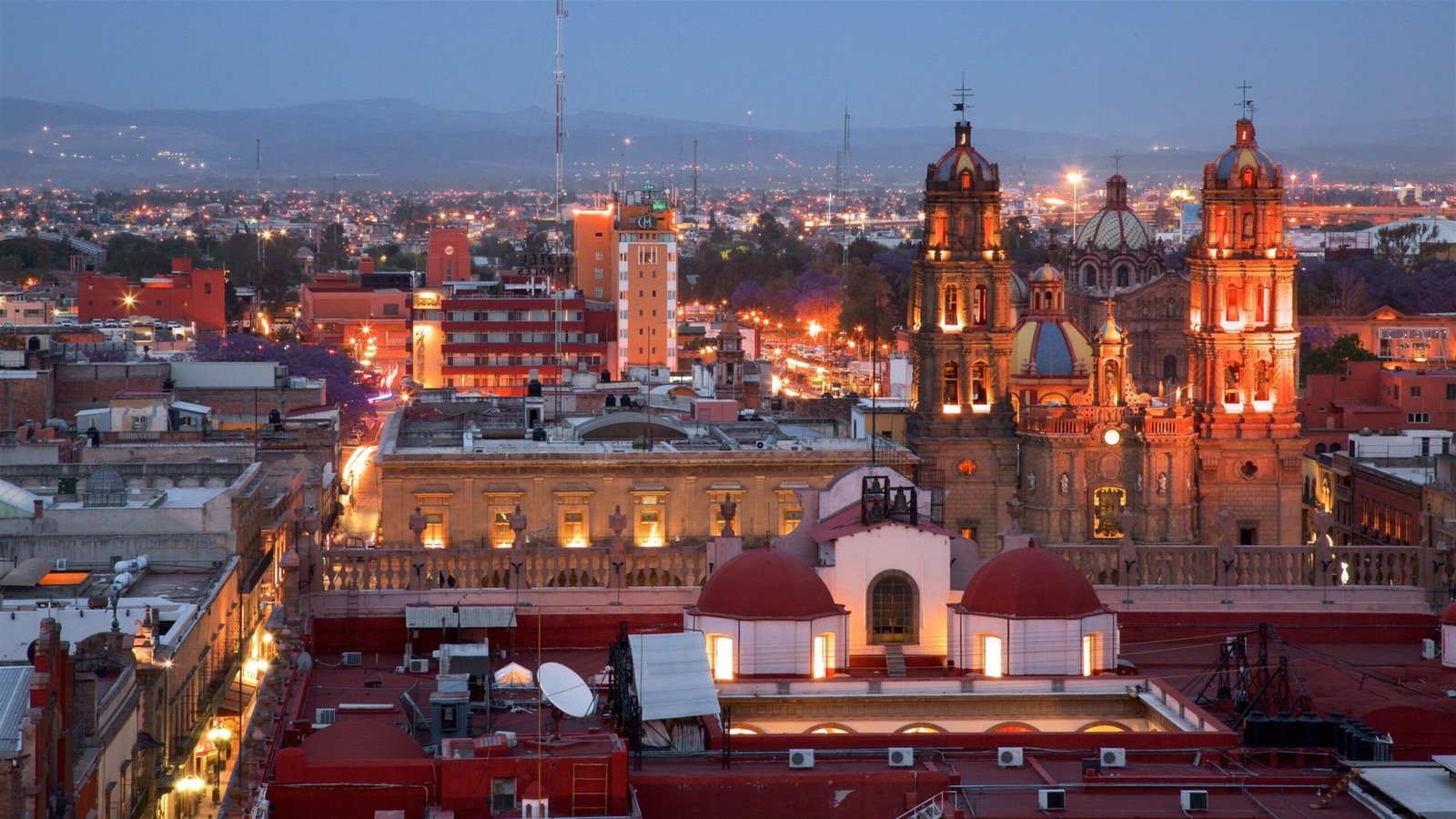
The Historic Centre of Santiago de Querétaro is the cultural heart of the city and a UNESCO World Heritage Site renowned for its exceptionally well-preserved colonial architecture. Walking through its charming cobblestone streets, visitors are surrounded by colorful mansions, elegant plazas, centuries-old churches, beautifully restored courtyards, and vibrant cafés that reflect more than four hundred years of Mexican history. The unique urban layout, where winding indigenous streets blend with Spanish colonial planning, creates one of the country’s most distinctive historic districts.
Every corner of the historic center reveals magnificent Baroque buildings, boutique shops, artisan markets, museums, and traditional restaurants serving authentic regional cuisine. Street musicians, cultural festivals, and evening light displays bring the city to life, creating an unforgettable atmosphere. Whether exploring on foot, joining a guided heritage tour, or relaxing in one of its picturesque plazas, the Historic Centre offers one of Mexico’s finest colonial experiences.
2. Querétaro Aqueduct

The Querétaro Aqueduct is the city’s most recognizable landmark and one of the greatest engineering achievements of colonial Mexico. Built during the 18th century, the magnificent structure stretches for more than a kilometer and features 74 impressive stone arches rising dramatically above the city.
Visitors can admire this iconic monument from nearby parks and viewpoints while learning about its fascinating history and the vital role it played in supplying water to the growing colonial city.
3. Temple of Santa Rosa de Viterbo

The Temple of Santa Rosa de Viterbo is widely regarded as one of Mexico’s most beautiful Baroque churches. Its richly decorated façade, elaborate golden altars, elegant domes, and magnificent interior artwork showcase the extraordinary craftsmanship of colonial artisans.
Visitors can admire intricate carvings, impressive religious paintings, and peaceful courtyards while discovering one of Querétaro’s greatest architectural treasures.
4. Plaza de Armas

Plaza de Armas is the historic and social center of Querétaro, surrounded by elegant colonial buildings, restaurants, cafés, boutique hotels, and government palaces. Beautiful gardens, fountains, sculptures, and shaded walkways create a welcoming environment where locals and visitors gather throughout the day.
The lively atmosphere is enhanced by outdoor dining, live music, and frequent cultural events.
5. Regional Museum of Querétaro

Housed inside a magnificent former monastery, the Regional Museum presents fascinating exhibitions covering pre-Hispanic civilizations, colonial history, religious art, archaeology, and regional culture. Historic courtyards, beautifully preserved architecture, and extensive collections make it one of the city’s most important museums.
Visitors gain valuable insight into the rich heritage of Querétaro and central Mexico.
6. Cerro de las Campanas National Park

Cerro de las Campanas is one of Mexico’s most historically significant sites. It marks the location where Emperor Maximilian I was executed in 1867, an event that profoundly shaped Mexican history. Today, the hill features monuments, museums, landscaped gardens, walking trails, and panoramic viewpoints overlooking the city.
Visitors can combine historical exploration with beautiful outdoor scenery.
7. Temple of San Francisco

The Temple of San Francisco is one of the oldest churches in Querétaro and an outstanding example of colonial religious architecture. Featuring elegant stonework, historic altars, peaceful cloisters, and remarkable artwork, the church has played an important role in the city’s religious and cultural development for centuries.
It remains one of the city’s most treasured historic landmarks.
8. Alameda Hidalgo

Alameda Hidalgo is one of Querétaro’s oldest public parks and a favorite gathering place for residents. Beautiful tree-lined walkways, fountains, gardens, sculptures, playgrounds, and shaded benches create a peaceful urban oasis in the heart of the city.
Visitors can enjoy leisurely walks, local street performances, and relaxing afternoons surrounded by greenery.
9. Peña de Bernal

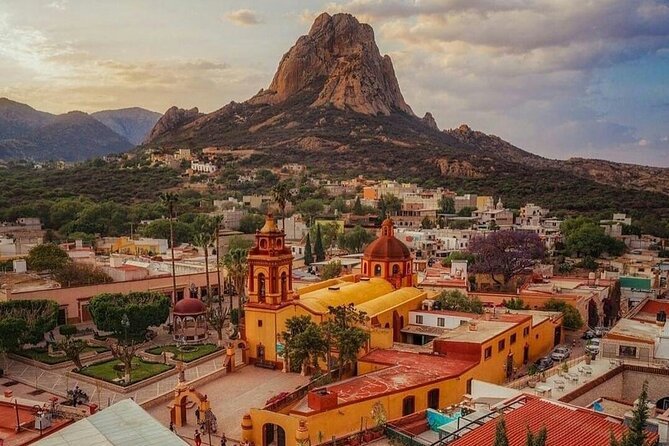
Located about an hour from Querétaro, Peña de Bernal is one of the largest monoliths in the world and one of Mexico’s most spectacular natural landmarks. The towering rock formation rises dramatically above the colorful colonial town of Bernal and attracts hikers, climbers, photographers, and nature enthusiasts from around the globe.
Visitors can explore charming streets filled with artisan shops before hiking to scenic viewpoints offering breathtaking panoramic landscapes.
10. Querétaro Aqueduct at Sunset

Watching the sunset beside the Querétaro Aqueduct is one of the city’s most memorable experiences. As the evening light bathes the historic stone arches in warm shades of gold, orange, and pink, the monument becomes even more impressive against the colorful sky.
Visitors can enjoy peaceful walks through the surrounding parks, photograph the illuminated aqueduct, or relax while admiring one of Mexico’s most iconic colonial landmarks. The combination of remarkable architecture, beautiful evening light, and the city’s tranquil atmosphere creates the perfect ending to a day spent exploring historic Querétaro.
Related artical : Best place to visit in Cancún