
Now Reading: Best place to visit in Micronesia
-
01
Best place to visit in Micronesia
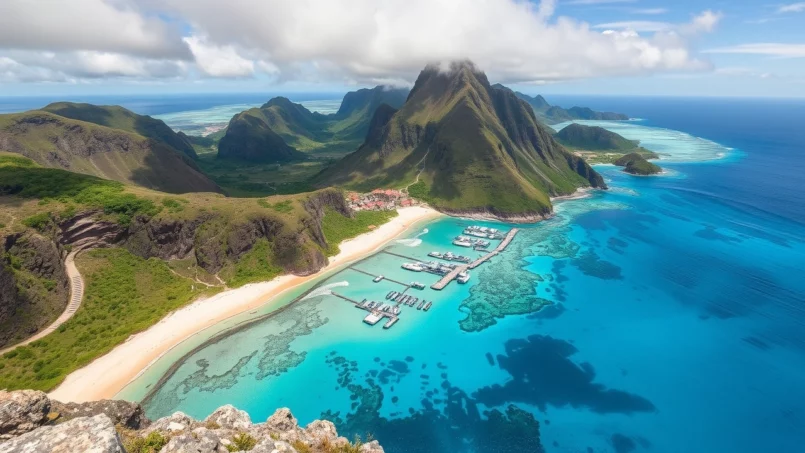
Best place to visit in Micronesia
1. Nan Madol Travel Guide: Explore Micronesia’s Ancient City on the Sea

Meta Descriptio
Discover Nan Madol in the Federated States of Micronesia, a UNESCO World Heritage Site famous for its mysterious basalt stone ruins, ancient canals, and rich cultural heritage.
Introduction
Nan Madol is one of the world’s most extraordinary archaeological sites and is often called the “Venice of the Pacific.” Built on more than 90 artificial islets connected by a network of canals, this ancient ceremonial city is surrounded by the Pacific Ocean and dense tropical vegetation.
Constructed from massive basalt columns, Nan Madol served as the political, religious, and ceremonial center of the Saudeleur Dynasty. Visitors can explore impressive stone walls, ancient temples, royal tombs, and ceremonial platforms while learning about one of Oceania’s greatest civilizations. The site’s mysterious atmosphere and remarkable engineering continue to fascinate archaeologists and travelers from around the world.
History
Nan Madol was built between the 8th and 13th centuries and became the capital of the Saudeleur Dynasty, which ruled Pohnpei for centuries. The enormous basalt blocks used in its construction remain one of archaeology’s greatest mysteries due to their immense size and transportation methods. In 2016, UNESCO designated Nan Madol as a World Heritage Site because of its exceptional cultural significance.
Best Time to Visit
The best time to visit is December through April, when rainfall is generally lower and sightseeing conditions are more comfortable.
2. Palikir Travel Guide: Discover the Peaceful Capital of Micronesia

Meta Description
Explore Palikir, the capital of the Federated States of Micronesia, surrounded by lush mountains, tropical forests, and the natural beauty of Pohnpei Island.
Introduction
Palikir is the capital city of the Federated States of Micronesia and is located on the island of Pohnpei. Unlike many capital cities, Palikir offers a peaceful atmosphere surrounded by dense rainforests, green mountains, waterfalls, and tropical landscapes.
Visitors can explore government buildings, nearby cultural attractions, hiking trails, botanical gardens, and archaeological sites while enjoying the island’s relaxed pace of life. Palikir also serves as the perfect base for exploring the natural and historical treasures of Pohnpei.
History
Palikir officially became the national capital in 1989, replacing Kolonia. Purpose-built to serve as the country’s administrative center, the city reflects the nation’s independence while remaining closely connected to Pohnpei’s rich cultural heritage and natural environment.
Best Time to Visit
The ideal time to visit is December through April, when weather conditions are favorable for outdoor activities.
3. Kolonia Travel Guide: Experience the Cultural Heart of Pohnpei

Meta Description
Visit Kolonia in Pohnpei, a vibrant town known for its colonial history, cultural attractions, shopping, waterfalls, and gateway to Nan Madol.
Introduction
Kolonia is the commercial and cultural center of Pohnpei Island. Surrounded by lush tropical mountains and beautiful coastlines, Kolonia offers visitors museums, local markets, restaurants, historic monuments, diving centers, and easy access to many of Micronesia’s most famous attractions.
The town is also an excellent starting point for excursions to Nan Madol, Kepirohi Waterfall, Sokehs Rock, and nearby coral reefs.
History
Kolonia developed during the Spanish colonial period before coming under German, Japanese, and American administration. These different periods of history have left a fascinating blend of cultural influences that can still be seen throughout the town today.
Best Time to Visit
Visit between December and April for pleasant tropical weather and excellent sightseeing conditions.
4. Pohnpei Island Travel Guide: Discover Micronesia’s Tropical Paradise

Meta Description
Explore Pohnpei Island in Micronesia, famous for lush rainforests, waterfalls, coral reefs, ancient ruins, mountain landscapes, and world-class diving.
Introduction
Pohnpei Island is one of the most beautiful islands in the Pacific Ocean. Covered with dense tropical rainforests, volcanic mountains, spectacular waterfalls, mangrove forests, and vibrant coral reefs, Pohnpei offers incredible opportunities for adventure and nature exploration.
Visitors can hike through lush jungles, discover hidden waterfalls, dive among colorful coral reefs, explore Nan Madol, kayak through mangrove channels, and experience authentic Micronesian culture.
History
Pohnpei has been inhabited for thousands of years and became the center of the powerful Saudeleur Dynasty that built Nan Madol. Throughout history, the island has also experienced Spanish, German, Japanese, and American administration before becoming part of the independent Federated States of Micronesia.
Best Time to Visit
The best time to visit is December through April, when rainfall is relatively lower and outdoor adventures are more enjoyable.
5. Kepirohi Waterfall Travel Guide: Discover Pohnpei’s Spectacular Tropical Waterfall

Meta Description
Visit Kepirohi Waterfall on Pohnpei Island, a stunning tropical waterfall surrounded by lush rainforest, scenic hiking trails, and peaceful natural beauty.
Introduction
Kepirohi Waterfall is one of the island’s most beautiful natural attractions. Cascading down volcanic rocks into a refreshing pool below, the waterfall is surrounded by dense rainforest, tropical plants, and peaceful walking trails.
Visitors can enjoy swimming, photography, hiking, birdwatching, and relaxing in one of Micronesia’s most tranquil natural settings.
History
Kepirohi Waterfall has long been an important natural landmark for local communities. Today, it is protected as one of Pohnpei’s leading eco-tourism destinations while remaining closely connected to the island’s traditional culture and natural heritage.
Best Time to Visit
The ideal time to visit is December through April, when hiking conditions are at their best and rainfall is generally lighter.
6. Sokehs Rock Travel Guide: Climb Micronesia’s Iconic Volcanic Landmark

Meta Description
Explore Sokehs Rock in the Federated States of Micronesia, a spectacular volcanic cliff famous for panoramic island views, hiking adventures, and breathtaking tropical scenery.
Introduction
Sokehs Rock is one of Pohnpei’s most recognizable natural landmarks. Rising approximately 110 meters above sea level, this dramatic volcanic rock formation overlooks the island’s lush rainforests, coastal villages, coral reefs, and the Pacific Ocean.
The hike to the summit rewards visitors with breathtaking panoramic views of Kolonia, Palikir, surrounding mountains, mangrove forests, and sparkling lagoons. Nature enthusiasts can also enjoy birdwatching, photography, and experiencing one of Micronesia’s most scenic viewpoints.
History
Sokehs Rock is the remains of ancient volcanic activity that shaped Pohnpei Island millions of years ago. The surrounding area is also historically significant due to the 1910 Sokehs Rebellion against German colonial rule, making the landmark important both geologically and culturally.
Best Time to Visit
The best time to visit is December through April, when lower rainfall makes hiking safer and visibility from the summit is excellent.
7. Ant Atoll Travel Guide: Discover Micronesia’s Untouched Marine Paradise

Meta Description
Visit Ant Atoll in the Federated States of Micronesia, a pristine marine sanctuary featuring crystal-clear lagoons, vibrant coral reefs, tropical islands, and exceptional diving.
Introduction
Ant Atoll is one of the Pacific Ocean’s most beautiful coral atolls and a protected marine conservation area. Located just southwest of Pohnpei, the atoll is famous for its brilliant turquoise lagoon, untouched coral reefs, white sandy islands, and incredible marine biodiversity.
Visitors can snorkel among colorful coral gardens, scuba dive with reef sharks, manta rays, sea turtles, and tropical fish, or simply relax on secluded beaches surrounded by crystal-clear waters.
History
Ant Atoll has long served as an important fishing ground for the people of Pohnpei. Today, it is protected as a marine conservation area to preserve its rich biodiversity and fragile coral reef ecosystems for future generations.
Best Time to Visit
The ideal time to visit is December through April, when calm seas provide excellent snorkeling, diving, and boating conditions.
8. Chuuk Lagoon Travel Guide: Explore the World’s Greatest Wreck Diving Destination

Meta Description
Discover Chuuk Lagoon in the Federated States of Micronesia, world-famous for historic World War II shipwrecks, exceptional scuba diving, coral reefs, and marine biodiversity.
Introduction
Chuuk Lagoon is widely regarded as the world’s greatest wreck diving destination. Beneath its crystal-clear waters lie dozens of Japanese warships, aircraft, submarines, and military vehicles that sank during Operation Hailstone in 1944.
Today, these wrecks have transformed into thriving artificial reefs covered with colorful corals and home to thousands of marine species. Divers from around the world visit Chuuk Lagoon to explore this extraordinary underwater museum while experiencing one of the Pacific’s richest marine ecosystems.
History
During World War II, Chuuk Lagoon served as Japan’s principal naval base in the Pacific. In February 1944, Allied forces launched Operation Hailstone, sinking dozens of ships and aircraft. The lagoon has since become one of the world’s most historically significant underwater archaeological sites.
Best Time to Visit
The best time to visit is December through April, when underwater visibility is excellent for diving.
9. Blue Lagoon Resort Travel Guide: Experience Tropical Luxury in Chuuk

Meta Description
Stay at Blue Lagoon Resort in Chuuk, Micronesia, offering world-class diving, tropical accommodations, waterfront views, and easy access to historic shipwrecks.
Introduction
Blue Lagoon Resort is one of Micronesia’s most famous dive resorts and the perfect base for exploring Chuuk Lagoon. Located on the waterfront, the resort provides comfortable accommodations, beautiful tropical gardens, private beaches, and direct access to some of the world’s best wreck diving locations.
Guests can enjoy scuba diving, snorkeling, kayaking, island excursions, cultural experiences, and spectacular sunsets while surrounded by the natural beauty of Chuuk Lagoon.
History
Blue Lagoon Resort has welcomed divers and international visitors for decades, becoming one of the Pacific’s leading destinations for underwater exploration. Its close proximity to the famous World War II wrecks has made it internationally recognized among diving enthusiasts.
Best Time to Visit
The ideal time to visit is December through April, when diving conditions are at their best with calm seas and excellent underwater visibility.
10. Weno Travel Guide: Discover the Gateway to Chuuk Lagoon

Meta Description
Explore Weno, the largest town in Chuuk State, offering access to world-famous wreck diving, tropical beaches, cultural attractions, and stunning Pacific scenery.
Introduction
Weno is the commercial and administrative center of Chuuk State and the main gateway to the famous Chuuk Lagoon. Surrounded by lush green mountains, tropical coastlines, and crystal-clear waters, Weno combines authentic Micronesian culture with modern visitor facilities.
Travelers can enjoy island tours, local markets, museums, cultural performances, scenic viewpoints, and unforgettable diving adventures while experiencing the warm hospitality of the Chuukese people.
History
Formerly known as Moen, Weno served as an important Japanese military base during World War II before becoming the capital of Chuuk State. Today, it remains the region’s transportation, tourism, and commercial hub while preserving its unique cultural identity.
Best Time to Visit
The best time to visit Weno is December through April, when dry weather, calm seas, and excellent visibility provide ideal conditions for sightseeing, island hopping, and diving.
11. Kosrae Island Travel Guide: Discover Micronesia’s Hidden Tropical Paradise

Meta Description
Explore Kosrae Island in the Federated States of Micronesia, famous for lush rainforests, coral reefs, waterfalls, ancient ruins, and world-class diving.
Introduction
Kosrae Island is one of the most pristine and unspoiled islands in the Pacific Ocean. Covered with dense tropical rainforests, volcanic mountains, mangrove forests, white-sand beaches, and vibrant coral reefs, Kosrae offers an unforgettable destination for nature lovers and adventure travelers.
Visitors can enjoy hiking through lush jungle trails, kayaking among mangrove channels, snorkeling and scuba diving on healthy coral reefs, exploring ancient archaeological sites, and relaxing on secluded beaches surrounded by crystal-clear waters. The island’s peaceful atmosphere and friendly local communities provide an authentic Micronesian experience away from mass tourism.
History
Kosrae has been inhabited for over a thousand years and was once the center of a thriving island kingdom. European explorers arrived during the 19th century, followed by missionary influence that shaped modern Kosraean society. Today, the island preserves its traditional culture while protecting its remarkable natural environment.
Best Time to Visit
The best time to visit is December through April, when rainfall is lower and outdoor activities are more enjoyable.
12. Lelu Ruins Travel Guide: Explore the Ancient Stone City of Kosrae

Meta Description
Discover the Lelu Ruins on Kosrae Island, an ancient stone city featuring royal compounds, massive basalt walls, canals, and fascinating Micronesian history.
Introduction
Lelu Ruins are among Micronesia’s most remarkable archaeological treasures. Built from massive basalt stones, this ancient fortified city served as the political and ceremonial center of the Kingdom of Kosrae.
Visitors can explore impressive stone walls, royal residences, canals, ceremonial platforms, and archaeological remains while learning about one of the Pacific’s most advanced ancient civilizations. Often compared to Nan Madol, the Lelu Ruins showcase extraordinary engineering and craftsmanship.
History
The city flourished between the 13th and 17th centuries and became the royal capital of Kosrae. Constructed using enormous basalt blocks transported from volcanic quarries, the ruins demonstrate sophisticated planning and engineering that continue to fascinate archaeologists today.
Best Time to Visit
The ideal time to visit is December through April, when hiking conditions and weather are most favorable.
13. Utwe Biosphere Reserve Travel Guide: Experience Micronesia’s Richest Natural Ecosystem

Meta Description
Explore Utwe Biosphere Reserve in Kosrae, featuring mangrove forests, coral reefs, tropical wildlife, pristine lagoons, and exceptional eco-tourism opportunities.
Introduction
Utwe Biosphere Reserve is one of the Pacific’s most important protected ecosystems. The reserve includes lush mangrove forests, seagrass beds, coral reefs, freshwater streams, tropical rainforests, and beautiful coastal lagoons that support an extraordinary diversity of wildlife.
Visitors can kayak through peaceful mangrove channels, snorkel above colorful coral reefs, observe tropical birds, hike rainforest trails, and experience one of Micronesia’s finest eco-tourism destinations.
History
Utwe Biosphere Reserve was established to protect Kosrae’s unique biodiversity and preserve traditional sustainable resource management practices that local communities have followed for generations.
Best Time to Visit
Visit between December and April, when calm weather provides ideal conditions for kayaking, hiking, and snorkeling.
14. Yap Island Travel Guide: Discover Micronesia’s Rich Cultural Heritage

Meta Description
Visit Yap Island in the Federated States of Micronesia, famous for traditional villages, stone money, manta rays, rich culture, and world-class diving.
Introduction
Yap Island is one of the Pacific’s most culturally unique destinations. The island is internationally known for preserving ancient traditions, including the famous stone money system, traditional village life, ceremonial dances, and strong cultural customs.
Beyond its rich heritage, Yap also offers spectacular coral reefs, mangrove forests, tropical beaches, and some of the world’s best manta ray diving. Visitors can explore traditional villages, cultural museums, local markets, and beautiful coastal landscapes while experiencing authentic Micronesian hospitality.
History
Yap has been inhabited for thousands of years and became an important trading center connecting many Pacific islands. Its famous stone money system and traditional customs remain active today, making Yap one of the few places where ancient cultural practices continue to thrive.
Best Time to Visit
The best time to visit is December through April, when weather conditions are favorable for sightseeing and diving.
15. Stone Money Bank Travel Guide: Discover Yap’s Extraordinary Cultural Treasure

Meta Description
Explore the Stone Money Bank on Yap Island, home to the famous Rai stones that symbolize one of the world’s most fascinating traditional currency systems.
Introduction
Stone Money Bank is one of Micronesia’s most unique cultural attractions. The site displays the famous Rai stones, enormous circular limestone disks that have served as traditional currency on Yap for centuries.
Some stones measure several meters in diameter and were transported hundreds of kilometers by canoe from neighboring islands. Visitors can learn about the fascinating economic and cultural traditions behind this remarkable currency system while exploring one of the Pacific’s most distinctive historical landmarks.
History
The Rai stones were quarried primarily in present-day Palau and transported to Yap using traditional sailing canoes. Their value depended on factors such as size, craftsmanship, rarity, and the difficulty of transportation rather than simply physical possession. Today, they remain powerful symbols of Yapese culture and heritage.
Best Time to Visit
The ideal time to visit is December through April, when pleasant tropical weather makes cultural tours comfortable.
16. Manta Ray Bay Travel Guide: Dive with Giant Manta Rays in Micronesia

Meta Description
Discover Manta Ray Bay on Yap Island, one of the world’s best destinations for diving with giant manta rays, crystal-clear waters, vibrant coral reefs, and diverse marine life.
Introduction
Manta Ray Bay is internationally recognized as one of the finest places on Earth to observe giant reef manta rays in their natural habitat. Located along the coast of Yap Island, the bay features warm tropical waters, healthy coral reefs, and famous cleaning stations where manta rays gracefully gather throughout the year.
Divers and snorkelers can encounter manta rays with wingspans exceeding four meters, along with sea turtles, reef sharks, eagle rays, colorful reef fish, and vibrant coral gardens. The calm waters and excellent visibility also make the bay ideal for underwater photography and marine conservation experiences.
History
Yap’s surrounding waters have long been respected by local communities for their abundant marine resources. As scuba diving gained popularity during the late 20th century, Manta Ray Bay became internationally famous for its reliable manta ray encounters and commitment to sustainable marine tourism.
Best Time to Visit
The best time to visit is December through April, when calm seas and excellent underwater visibility create ideal diving and snorkeling conditions.
17. Ngardmau Waterfall Travel Guide: Discover Micronesia’s Tallest Waterfall

Meta Description
Explore Ngardmau Waterfall, one of Micronesia’s tallest waterfalls, surrounded by lush rainforest, scenic hiking trails, rivers, and breathtaking tropical landscapes.
Introduction
Ngardmau Waterfall is one of the most spectacular natural attractions in the western Pacific. Hidden within the dense tropical rainforest of Babeldaob Island, the waterfall cascades dramatically into a refreshing natural pool surrounded by towering trees, exotic plants, and volcanic rock formations.
Visitors can enjoy a scenic hike through pristine jungle, cross wooden bridges, observe native birds and butterflies, swim in cool freshwater pools, and photograph one of the region’s most beautiful waterfalls.
History
For generations, Ngardmau Waterfall has been an important natural landmark for local communities. Today, carefully maintained trails and conservation efforts help preserve the surrounding rainforest while allowing visitors to experience its remarkable beauty.
Best Time to Visit
The ideal time to visit is December through April, when hiking conditions are generally drier and safer.
18. Falalop Island Travel Guide: Experience a Remote Tropical Paradise

Meta Description
Visit Falalop Island in the Federated States of Micronesia, known for white-sand beaches, crystal-clear lagoons, traditional island culture, and peaceful tropical scenery.
Introduction
Falalop Island is the largest inhabited island of Ulithi Atoll and offers visitors an authentic Pacific island experience. Surrounded by turquoise lagoons, coconut palms, vibrant coral reefs, and soft white-sand beaches, Falalop remains largely untouched by mass tourism.
Visitors can relax on pristine beaches, snorkel among colorful coral reefs, kayak across calm lagoons, enjoy traditional Micronesian hospitality, and experience the peaceful rhythm of island life.
History
Falalop has been home to Micronesian communities for centuries. During World War II, nearby Ulithi Atoll became one of the largest naval anchorages in the Pacific, while Falalop itself remained an important local settlement preserving its cultural traditions.
Best Time to Visit
The best time to visit is December through April, when calm weather provides ideal conditions for outdoor activities.
19. Ulithi Atoll Travel Guide: Discover One of the Pacific’s Largest Lagoons

Meta Description
Explore Ulithi Atoll in the Federated States of Micronesia, featuring pristine lagoons, coral reefs, tropical islands, world-class diving, and rich World War II history.
Introduction
Ulithi Atoll is one of the Pacific Ocean’s largest and most beautiful coral atolls. Consisting of dozens of small tropical islands surrounding a vast turquoise lagoon, Ulithi is renowned for its untouched coral reefs, abundant marine life, crystal-clear waters, and peaceful island communities.
Visitors can enjoy scuba diving, snorkeling, fishing, sailing, island hopping, kayaking, and cultural experiences while exploring one of Micronesia’s most remote and spectacular destinations.
History
Ulithi became internationally significant during World War II when it served as one of the largest forward naval bases for the United States Pacific Fleet. Today, the atoll has returned to its peaceful island lifestyle while preserving both its natural beauty and historical importance.
Best Time to Visit
The ideal time to visit is December through April, when dry weather and calm seas provide excellent diving and boating conditions.
20. Nimpal Channel Travel Guide: Experience Yap’s Premier Diving Destination

Meta Description
Discover Nimpal Channel in Yap, one of Micronesia’s premier dive sites, famous for manta rays, reef sharks, coral reefs, and exceptional underwater visibility.
Introduction
Nimpal Channel is one of Yap’s most celebrated diving locations and a favorite among underwater photographers and marine enthusiasts. The channel connects the open Pacific Ocean with Yap’s lagoon, creating nutrient-rich waters that attract giant manta rays, reef sharks, eagle rays, sea turtles, and large schools of tropical fish.
Divers can explore colorful coral formations, dramatic underwater landscapes, and famous manta cleaning stations while experiencing some of the richest marine biodiversity in Micronesia.
History
For generations, Nimpal Channel has been an important fishing area for local communities. As diving tourism expanded, the site gained worldwide recognition for its extraordinary marine life and became a key destination for sustainable eco-tourism and marine conservation.
Best Time to Visit
The best time to visit Nimpal Channel is December through April, when excellent underwater visibility, calm seas, and warm tropical waters provide outstanding diving conditions.
21. Mokil Atoll Travel Guide: Discover a Peaceful Coral Paradise in Micronesia

Meta Description
Explore Mokil Atoll in the Federated States of Micronesia, a tranquil tropical destination featuring crystal-clear lagoons, pristine coral reefs, traditional island culture, and breathtaking Pacific scenery.
Introduction
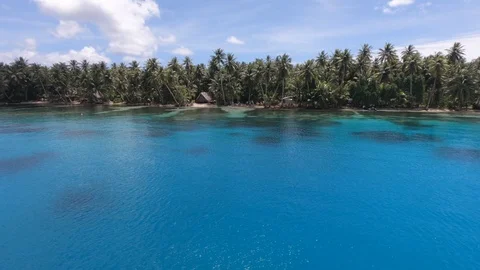
Mokil Atoll is one of Micronesia’s hidden tropical gems, offering visitors an authentic island experience far from crowded tourist destinations. Comprising several small islands surrounding a beautiful turquoise lagoon, Mokil is renowned for its white-sand beaches, thriving coral reefs, coconut groves, and peaceful atmosphere.
Visitors can snorkel among colorful coral gardens, swim in warm crystal-clear waters, kayak across calm lagoons, fish using traditional methods, and experience the welcoming hospitality of the local community. The untouched natural beauty and quiet surroundings make Mokil an ideal destination for travelers seeking relaxation and adventure in the Pacific.
History
Mokil Atoll has been inhabited for centuries by Micronesian communities who developed sophisticated navigation skills and sustainable fishing practices. Traditional customs, language, and cultural ceremonies continue to play an important role in daily life, preserving the atoll’s rich heritage for future generations.
Best Time to Visit
The best time to visit is December through April, when lower rainfall and calmer seas provide excellent conditions for snorkeling, boating, and island exploration.
22. Pingelap Atoll Travel Guide: Explore Micronesia’s Island of Legends
Meta Description
Discover Pingelap Atoll in the Federated States of Micronesia, known for its turquoise lagoon, coral reefs, traditional island culture, and remarkable history.
Introduction
Pingelap Atoll is a picturesque coral atoll surrounded by brilliant turquoise waters and lush tropical vegetation. The atoll offers pristine beaches, healthy coral reefs, calm lagoons, and a peaceful atmosphere that reflects the authentic beauty of Micronesia.
Visitors can enjoy snorkeling, swimming, kayaking, reef fishing, birdwatching, and exploring traditional island villages while experiencing one of the Pacific’s most remote and culturally fascinating communities.
History
Pingelap is internationally recognized for its unique genetic history following a devastating typhoon in the 18th century that left only a small number of survivors. As a result, the island has one of the world’s highest rates of complete color blindness, a condition that has attracted scientific research from around the globe. Despite this unusual history, Pingelap has preserved its rich cultural traditions and close-knit community.
Best Time to Visit
The ideal time to visit is December through April, when weather conditions are most favorable for outdoor activities and marine exploration.
23. Ifalik Atoll Travel Guide: Experience an Untouched Pacific Paradise
Meta Description
Visit Ifalik Atoll in the Federated States of Micronesia, featuring untouched coral reefs, crystal-clear lagoons, tropical beaches, and authentic island traditions.
Introduction
Ifalik Atoll is one of the Pacific Ocean’s most secluded and beautiful coral atolls. Surrounded by vibrant reefs and crystal-clear lagoons, the atoll offers a peaceful environment where visitors can experience traditional Micronesian culture alongside spectacular natural scenery.
The calm waters are ideal for snorkeling, diving, paddleboarding, kayaking, and observing colorful marine life including sea turtles, reef sharks, tropical fish, and giant clams. Visitors can also enjoy relaxing walks along white-sand beaches shaded by coconut palms.
History
For centuries, Ifalik Atoll has supported a small Micronesian community that relies on fishing, coconut cultivation, and traditional navigation. The island’s cultural heritage remains remarkably well preserved, providing visitors with a rare opportunity to experience authentic Pacific island life.
Best Time to Visit
The best time to visit is December through April, when calm seas and sunny weather create ideal conditions for water activities.
24. Lamotrek Atoll Travel Guide: Discover the Heart of Traditional Micronesian Culture

Meta Description
Explore Lamotrek Atoll in the Federated States of Micronesia, famous for traditional navigation, beautiful lagoons, coral reefs, cultural heritage, and peaceful island life.
Introduction
Lamotrek Atoll is internationally respected for preserving one of the Pacific’s oldest traditions of celestial navigation and canoe building. Surrounded by turquoise lagoons, vibrant coral reefs, and pristine beaches, the atoll offers visitors a unique blend of cultural heritage and natural beauty.
Visitors can experience traditional sailing canoes, local ceremonies, snorkeling, diving, fishing, and island walks while learning about navigation techniques that have guided Pacific voyagers for centuries.
History
Lamotrek has played a central role in preserving Micronesia’s ancient seafaring traditions. Generations of master navigators have passed down their knowledge through oral teaching, allowing the island to maintain one of the world’s oldest living navigation cultures.
Best Time to Visit
The ideal time to visit is December through April, when favorable weather supports sailing, snorkeling, and cultural exploration.
25. Nukuoro Atoll Travel Guide: Explore a Remote Polynesian Paradise in Micronesia

Meta Description
Discover Nukuoro Atoll in the Federated States of Micronesia, a remote Polynesian island featuring crystal-clear lagoons, tropical beaches, vibrant coral reefs, and rich cultural traditions.
Introduction
Nukuoro Atoll is one of the most isolated and culturally unique atolls in the Pacific Ocean. Although politically part of the Federated States of Micronesia, Nukuoro is one of the country’s Polynesian outlier communities, preserving distinctive language, traditions, and customs.
Surrounded by turquoise lagoons, healthy coral reefs, and white-sand beaches, the atoll offers outstanding opportunities for snorkeling, kayaking, fishing, birdwatching, and experiencing authentic island life. Its peaceful atmosphere and untouched natural beauty make it an ideal destination for travelers seeking a true escape into the Pacific.
History
Nukuoro has been inhabited for many centuries by Polynesian settlers who established a thriving island community based on fishing, agriculture, and traditional navigation. Despite its remote location, the atoll has maintained its cultural identity while becoming part of the Federated States of Micronesia in the modern era.
Best Time to Visit
The best time to visit is December through April, when lower rainfall, calm ocean conditions, and warm tropical temperatures provide excellent opportunities for sightseeing, marine activities, and cultural experiences.
Related artical : Best place to visit in Ifalik