

Now Reading: Top 10 Best Places Visiting in Dibrugarh for Nature, Culture & Heritage
-
01
Top 10 Best Places Visiting in Dibrugarh for Nature, Culture & Heritage

Top 10 Best Places Visiting in Dibrugarh for Nature, Culture & Heritage
1. Dehing Patkai Wildlife Sanctuary
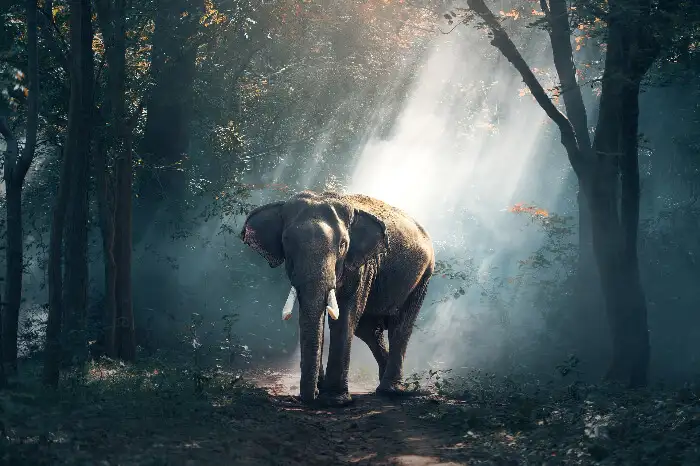
The 111.19 sq. km area constitutes the solitary rainforest that exists in Assam. The Dehing Patkai forest borders the Tinsukia and Dibrugarh districts with three sections named Dirok Rainforest, Jeypore and Upper Dihing River. The entire region of Dehing Patkai exists within both Dehing Patkai Elephant Reserve and Dibru – Deomali.
The four-layered rainforest contains an enormous diversity of Orchids and wild Bananas and their abundant species have positioned it as the leading Dibrugarh sightseeing destination. You will enhance your chances of animal interactions because Dibru-Saikhowa National Park holds 293 bird species alongside 47 mammal species and 30 butterfly species and 47 species of reptiles. The rainforest encompasses several animals for observation including Capped Langur, Black Panther, Asiatic Elephant, Tiger, Black Bear and Clouded Leopard alongside Hoolock Gibbon and Pig Tailed Macaque.
Best Time To Visit:
You should plan your visit during the period from September to March. February visitors will benefit from enjoying both the visit and Dehing – Patkai festival activities during their stay.
2. Joypur Rainforest: Green Paradise
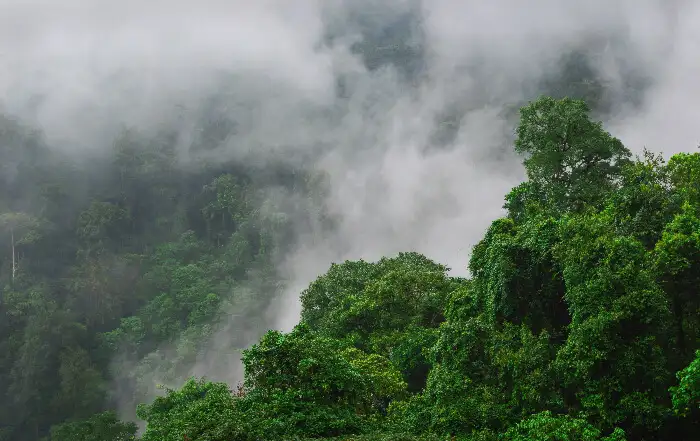
The 108 sq. km area of Joypur Rainforest functions as an ecological wonder which brings visitors from across Dibrugarh as its biodiversity-rich environment ranks at the top among local attractions. Visit this site for the opportunity to see 102 species of Orchids with Holong trees that reach 50 meters tall. Ajae and Segun with Nahar and Bohot accompany Sam as the widespread tree varieties throughout the area.
The forest environment supports all animal species that inhabit the area which includes Elephants and Hornbills together with Leopards and Flying Squirrels and Pythons and Spotted Deer and Langurs.
Best Time To Visit:
The Second week of February stands as the optimal moment to explore this region since it provides the ideal conditions for Rainforest Festival activities together with rafting, camping, trekking, elephant riding and bird watching experiences.
3. Namphake Village: Glimpse Of Nirvana
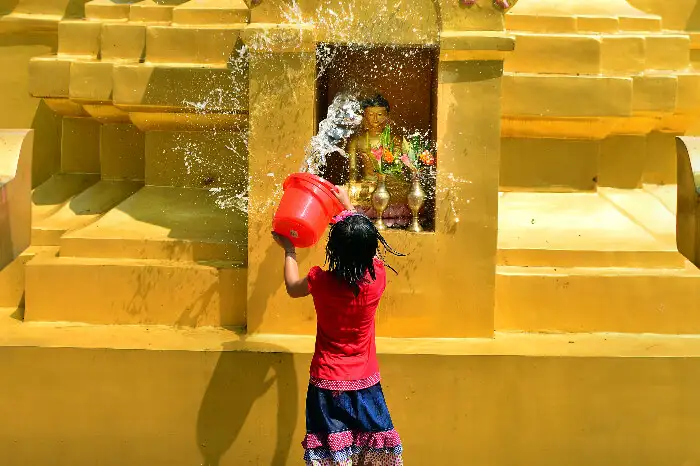
Dibrugarh destination requires traveling 37 kilometers to this site. Namphake Village exists 37 kilometers outside of the city and serves as the community residence for many Tai Phakey families. Upon entering Namphake Village you will immediately feel its essence because it stands in extensive natural surroundings alongside the Burhi Dihing river.
Namphake discovers its name from the Buddhist followers who make up the population. Namphake functions as one of the leading tourist sites near Dibrugarh because of its splendid Buddhist monastery which serves as a meditation center. The most important attraction within the monastery consists of the Ashokan Pillar and the Buddhist Pagoda. A holy water tank named Mucalinda Tank is found inside the main temple along with a gold statue of Lord Buddha.
Best Time To Visit:
Travelers should visit during October to March because this season allows attendance at local festivals which include Poi-Nen-Chi festival in March and Poi-Nun-Hok festival dedicated to Lord Buddha. During this time one may have the opportunity to witness local village women perform traditional dances as a reward for visiting.
4. Naharkatia: The Tea Town
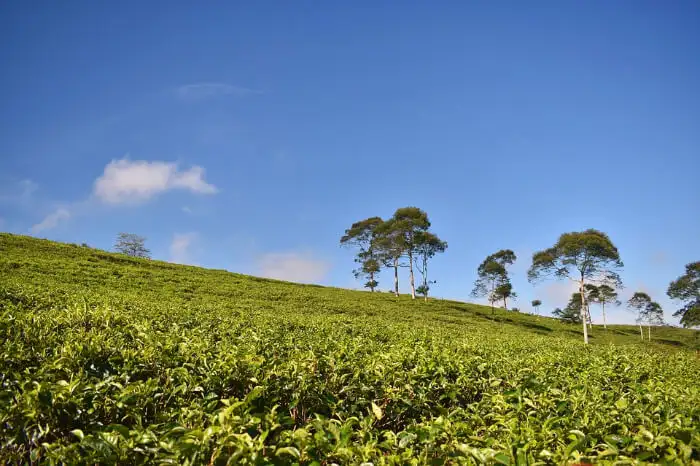
Any person who has ever enjoyed tea will find Naharkatia fascinating for understanding the tea production process. Naharkatia functions as a commercial town of Dibrugarh district and contains numerous tea plantations with surrounding villages. History recalls how Prince Nahar died after Kalia the Ahom noble beheaded him which led to the naming of this place as Naharkatia.
Naharkatia transforms into one of the primary options for picnics within the Dibrugarh district region. You can visit the attractive nearby villages Namphake along with Sasoni Gojpuria, Merill Eco-Tourism, and Gobhuro Dolong from the town. Religious site Vainavi Satra established by Sriram Ata exists as an interesting attraction in the town. The state of Assam contains its most ancient oil reserve within Naharkatia.
Best Time To Visit:
Winters represent the best time for Naharkatia traveling yet Durga Puja symbolizes an excellent opportunity to see the town shine with festival lights and parade activities on its final day of celebrations.
5. Radha Krishna Temple: Embracing Peace
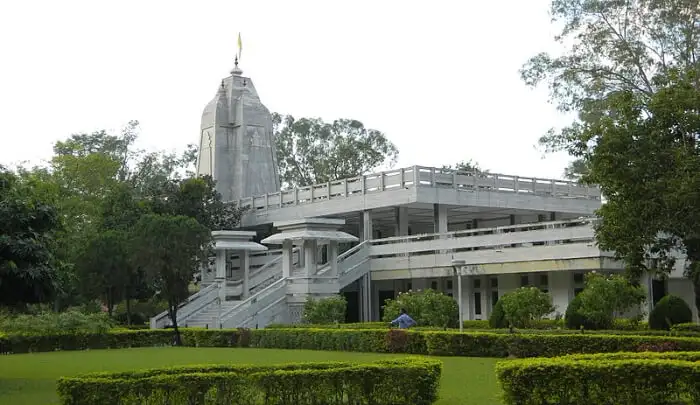
The Radha Krishna Mandir serves as the perfect place for those seeking spiritual relaxation. The Hindu shrine stands as a white structure which encompasses its gardens through the green stretches of Jalan Nagar. The environment will create absolute serenity that can help you relax your thoughts. People enjoy spending their time at this temple because of its distinct and recognizable architectural design.
Apart from Radha Krishna Temple there exist three spiritual spots in Dibrugarh known as Koli Aai Thaan and these satras: Dehing Namtii Satra, Garpara Satra, and Dehing Satra.
Visit Radha Krishna Mandir?
✅ Serene Atmosphere – A peaceful escape from city life.
Religious architecture of the temple stands out as an aesthetic feature which enhances its charm.
✅ Lush Gardens – Enhances the spiritual experience.
✅ Popular Among Devotees – Ideal for prayer and meditation
Best Time To Visit:
Prefer visiting Dibrugarh during winter since the local temperatures fall down to 7-degree celsius.
6. Shri Jagannath Temple: Replica Of Puri

The Shri Jagannath Temple of Dibrugarh serves as a duplicate version of the Jagannath Temple in Puri which exists in Odissa. Tourists find this temple in Khanikar close to Mahatma Gandhi Park and it receives its additional name as Shikshetra Dhaam.
The city contains various other temples distributed across its territory. With its initial status count at 24 the Raidongia Dol maintains fourteen surviving wall projections today. The statues measure 45 feet in height. Swargodeo Pramatta Singha built the temple during the 700 AD. When constructed the temple served Lord Vishnu until the faith transformed into the worship of Shiva which made it the Shiva Dol.
Best Time To Visit:.
The temple remains open for visitors during every month without restriction. The colder winter months drive tourists to visit Dibrugarh because of the favorable weather conditions.
7. Barbarua Maidam: Remains Of The Brave
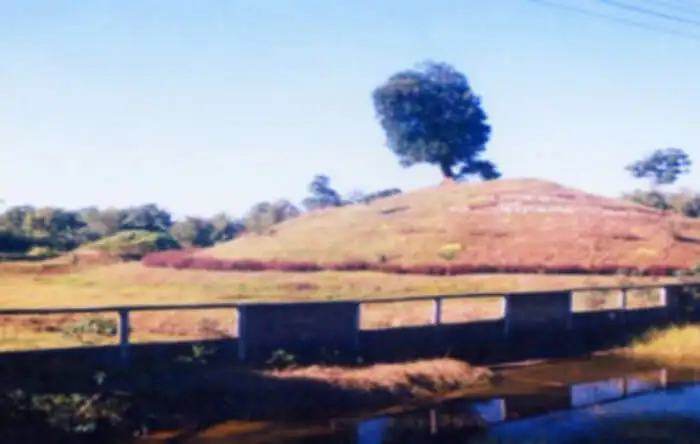
The Shri Jagannath Temple of Dibrugarh serves as a duplicate version of the Jagannath Temple in Puri which exists in Odissa. Tourists find this temple in Khanikar close to Mahatma Gandhi Park and it receives its additional name as Shikshetra Dhaam.
The city contains various other temples distributed across its territory. With its initial status count at 24 the Raidongia Dol maintains fourteen surviving wall projections today. The statues measure 45 feet in height. Swargodeo Pramatta Singha built the temple during the 700 AD. When constructed the temple served Lord Vishnu until the faith transformed into the worship of Shiva which made it the Shiva Dol.
Best Time To Visit:.
The temple remains open for visitors during every month without restriction. The colder winter months drive tourists to visit Dibrugarh because of the favorable weather conditions.
8. Dinjoy Satra: Get To Know About Assamese Culture
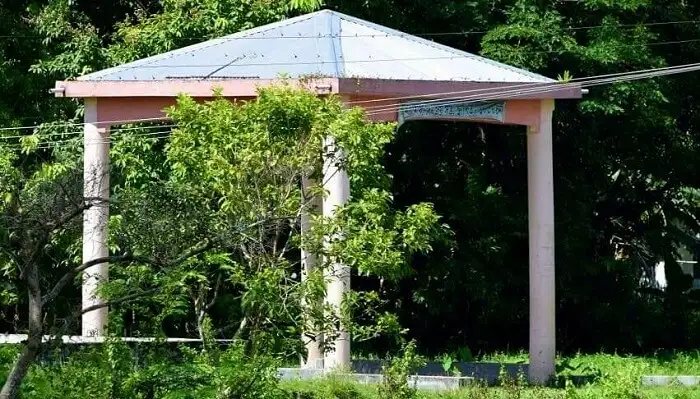
The establishment of Dinjoy Satra began by Aniruddha Dev whose foundation created one of the holiest Vaishnavite monasteries in Assam. Since its origin Dinjoy Satra has moved several times throughout its history before reaching its final position at Dibrugarh.
Visit Dinjoy Satra?
✅ Rich Assamese History – Offers a deep dive into Vaishnavite traditions and Assamese culture.
✅ Religious & Spiritual Significance – One of the most important Satras in Upper Assam.
✅ Peaceful Atmosphere – Ideal for those seeking tranquility & spiritual connection.
📅 Best Time To Visit
The public can access Dinjoy Satra throughout the entire year which provides an excellent time for both cultural enthusiasts and history buffs.
When traveling to Dibrugarh you need to stop at Dinjoy Satra to study the socio-religious heritage of Assam.
9. Dehing Namti Satra: Calm Your Senses
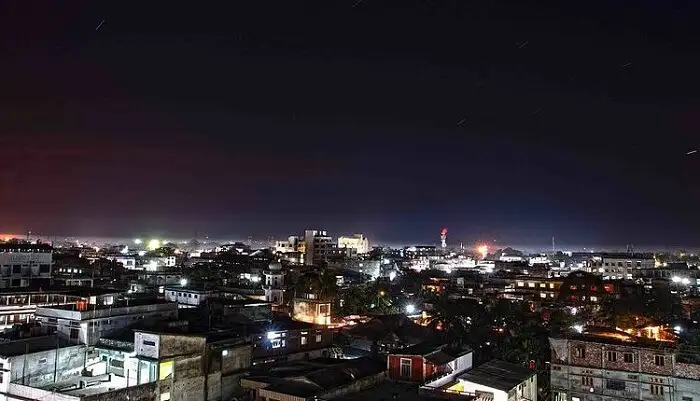
The scenic Dehing Namti Satra exists at the riverfront of Disang River while ranking among the places worth visiting in Assam. Throughout the period of the Ahom Kingdom this place carried meaning as an important cultural site. This Satra contains some historical artifacts that belonged to the Ahom period. The historical aspects of this place will captivate your attention making it an excellent site for exploration. The lush natural environment of this place provides peaceful conditions that will help you breathe better as you relax in pure air.
Visit Dehing Namti Satra?
This location contains rich Ahom period history because it preserves ancient relics from the Ahom Era.
The Vaishnavite monastery serves as a shrine that presents traditional Assamese customs along with its spiritual functions.
This location presents scenic mountainside views because it sits in a forested area by the riverbank creating a serene resting spot.
📅 Best Time To Visit
Visitors can explore the site all year although the most ideal time is winter when pleasant weather prevails.
You must visit this historical & spiritual attraction if you happen to be in Dibrugarh 🌿📜
10. Jokai Botanical Garden: Explore North-East Flora & Fauna
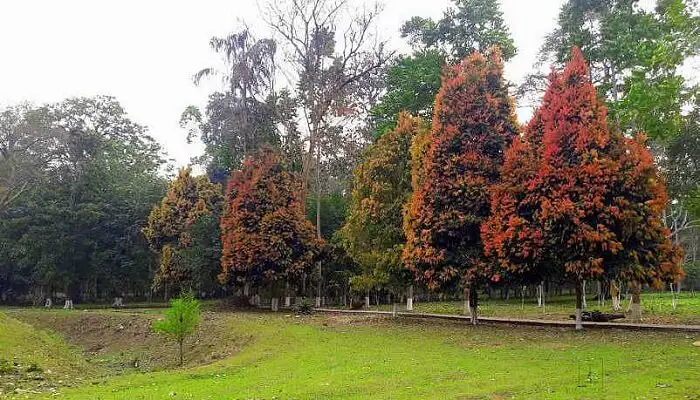
For those who like nature among the best attractions in Dibrugarh stands Jokai Botanical Garden. The area stores various species of plants as well as animal life. The garden collects all types of plants which range from medicinal to orchid and aromatic species. The Jokai Reserve can be explored through elephant rides plus boating options are available. A range of birds exists in the reserve during its migratory period.
Jokai Botanical Garden provides the best environment for weekend escapes because it perfectly combines the diversity of organisms. Visitors seeking to observe the diverse botanical species and wildlife of North-East India should visit Jokai Botanical Garden. This location provides the ideal spot to calm your vision along with offering natural therapeutic experiences.
Best Time To Visit
The only period when this destination is not accessible for visits is the rainy season. It is best to plan a visit during the migratory season to spot birds in their migratory patterns.
Related articles : Best Places Visiting in Begusarai for Nature, Culture & Heritage






Pingback: Best Places Visiting in Dibrugarh – Explore Assam's Hidden Gem