

Now Reading: Top 5 Best Places Visiting in Mungeli for Nature, Heritage & Spirituality
-
01
Top 5 Best Places Visiting in Mungeli for Nature, Heritage & Spirituality

Top 5 Best Places Visiting in Mungeli for Nature, Heritage & Spirituality
1.Rajiv Gandhi reservoir
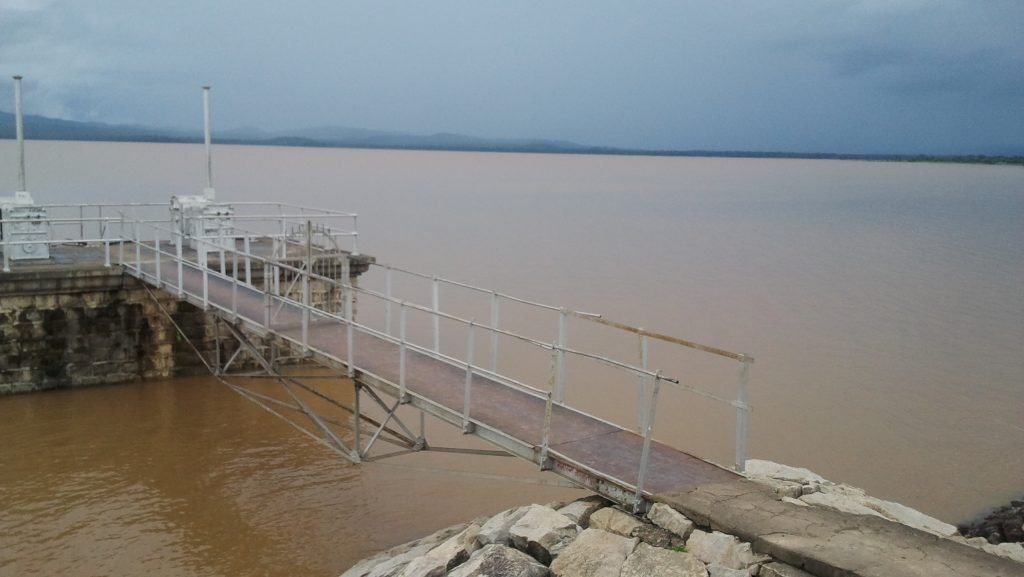
Engineers built the reservoir through the addition of three hills selected from their natural state. Three hills where Maniyari river runs through serve as a central point for the dams. Before British rule, plans started to combine the three hills and construct the reservoir in 1927 until its completion as Rajiv Gandhi Reservoir during 1930. The built dam at Khudia village leads to its dual name as Khudia reservoir. The farmers in Mungeli Lorami and Block use agriculture as their main economic source that depends on the Rajiv Gandhi reservoir.
🌟 Why Visit Rajiv Gandhi Reservoir?
- Historic Reservoir – Built during British rule for agricultural irrigation
- Stunning Landscape – Surrounded by three natural hills & a flowing river
- Agricultural Lifeline – Supports farmers in Mungeli & Lorami Blocks
- Serene Picnic Spot – Ideal for a relaxing day amidst nature
🌸 Things to Do Here
The reservoir becomes a tranquil spot to experience boating activities.
Photography – Capture the beautiful water & hill views
The local fishing activity remains popular among residents and town members.
Nature Walks & Picnics – Perfect for a refreshing outdoor experience
📍 Location: Khudia Village, Mungeli District, Chhattisgarh
2.Satyanarayan Temple
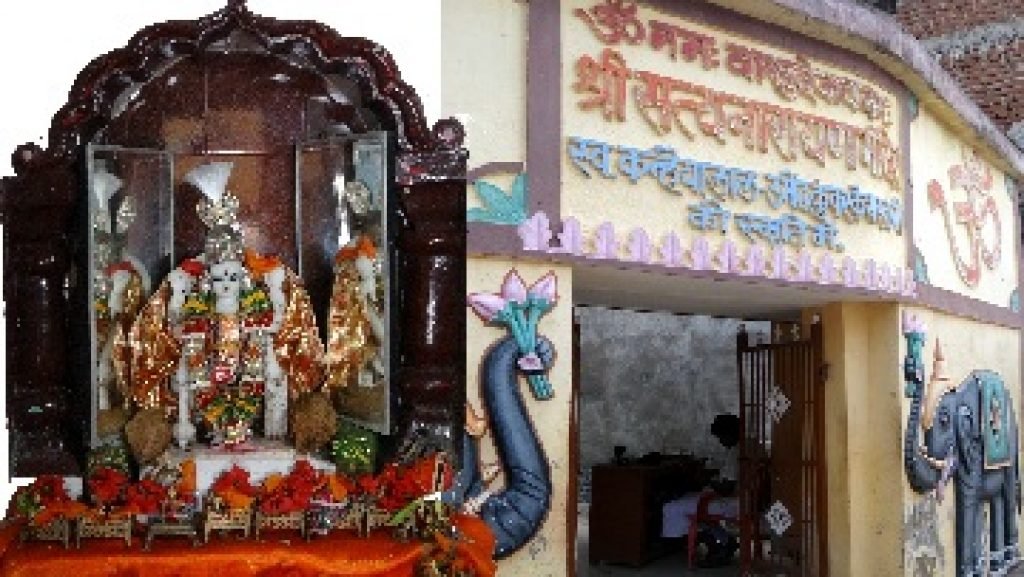
The temple structure in Mungali stands apart from all Hindu worship sites since it serves as the second temple of Satya Narayan God within the country. Experts identify this temple as the second place in the nation which houses a Satya Narayan God statue. Standing in Malhapara of Mungeli city near the temple follows standard temple design but its statue differs substantially from other holy sites. The scholars have explained that Lord Satyanarayan worship generates satisfaction of one’s wishes. People from the area estimate the temple to be about 200 years old but there is no definite information about its construction period. The Lord Satyanarayan temple lies only in Pushkar Rajasthan among all existing places of worship. The Lord Satyanarayan Temple stands in Malhapara within the Rajendra Ward which residents consider the central point of Mungeli district headquarters.
🌟 Why Visit Lord Satyanarayan Temple?
- The Rare & Unique Temple in Mungeli is dedicated to Lord Satyanarayan instead of worshiping the many common Hindu deities found in other religious institutions
- Worshiping the holy site according to devotees results in fulfilling wishes and divine blessings.
- Local tradition suggests that this temple exists beyond two centuries since its establishment.
- Visitors exploring the city can easily reach this temple which occupies a central position in Mungeli.
📍 Location: Malhapara (Rajendra Ward), Mungeli, Chhattisgarh
3.Achnakmarg Tiger Reserve
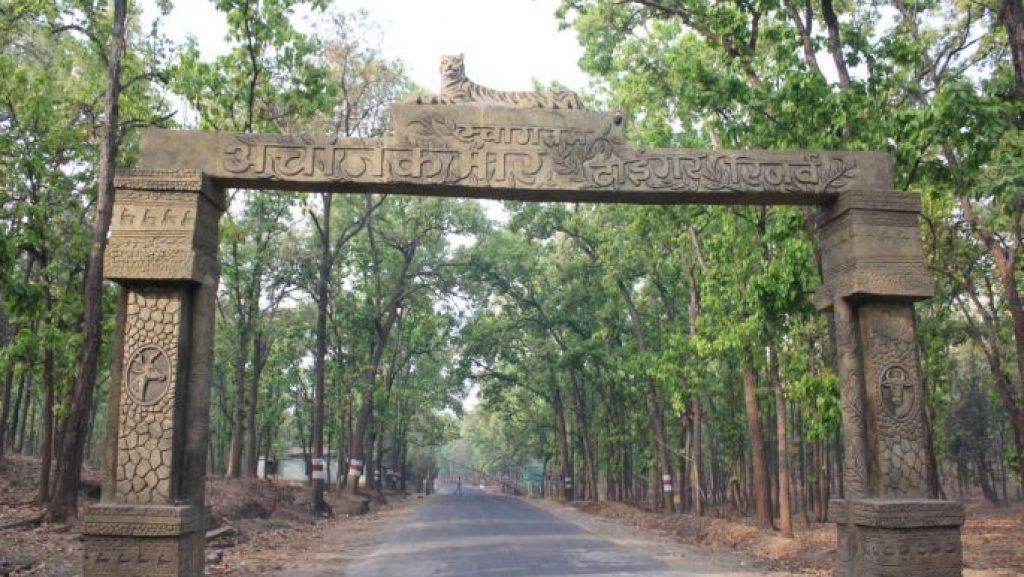
The Sumerian Tiger Reserve presents stunning panoramic views of natural beauty that extends across the 553.286 sq. Km area of Satpura’s Meccal mountain range with its other vegetation containing bamboo and teak. The authorities founded Suddena Reserve in 1975 through Wild Life Protection Act-1972. The biosphere designation came to Sumerian Tiger Reserve in 2007 followed by their announcement as a Tiger Reserve space in 2009. Since its establishment the Sumermar Tiger Reserve has gained position among the current 39 Tiger Reserve locations throughout the country. Observation of wildlife mammals at Sumerian Tiger Reserve includes 50 recognized species while bird watchers may spot more than 200 different species together with tigers, leopards, gaur, flying squirrels, wild pigs, bison, chilli deer, bears, hyena, jackal, four-horned deer, chinkara.
🌿 Why Visit Sumerian Tiger Reserve?
- The Sanctuary Welcomes Rare Tigers Alongside Over 39 Other Indian Tiger Reserves
- Rich Biodiversity – Houses 50 species of mammals and 200+ species of birds
- Scenic Beauty – Lush green bamboo and teak forests amidst the Satpura & Meccal Hills
- Wildlife safaris along with trekking and birdwatching prove to be the perfect activities in this destination.
📍 Location: Satpura Range, Meccal Hills, Chhattisgarh
4.Madku Islands
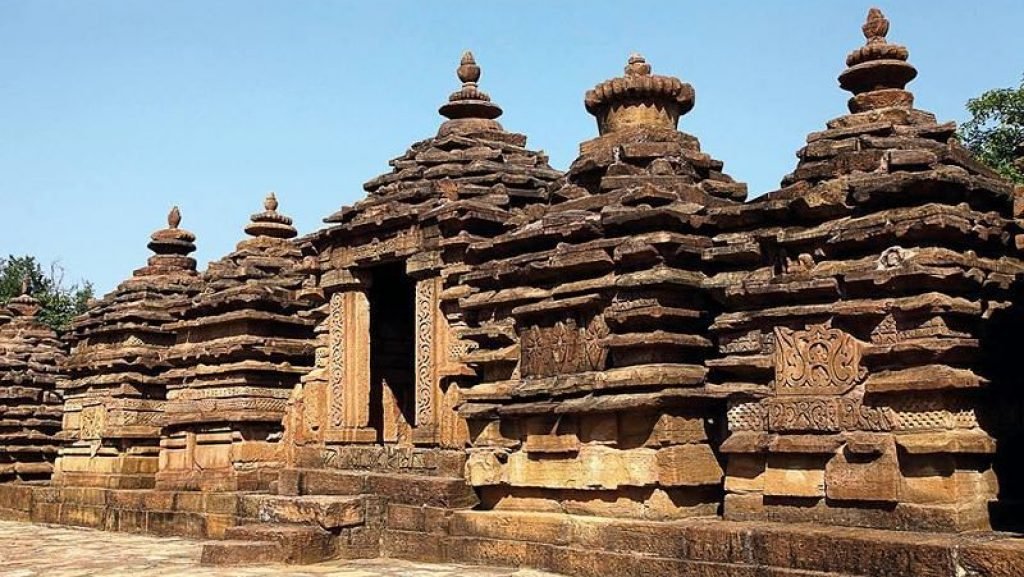
Mudku Island exists as an ancient scenic location with its division into two river regions by Shivnath river. Multiple ancient temples of Shiva together with numerous architectural features exist on the island. According to historians Two Shiva temples located on this island were built in the 10th and 11th centuries. A historical valley exists toward the north of Dhanmanteshwar temple on its right side which serves as drainage for the water. The site boasts two historic engravings that researchers have discovered there. The Brahma inscription was written during the 3rd century AD. The Akshaya fund as well as the second inscription are written in the ancient text known as Shankhalipi. Visitors can purchase prehistoric time miniature stone artifacts at this island. Architectural and artistic studies date the headless statue of the man at around 10th or 11th century AD. Archaeological digs in present times have uncovered early Guptun and Calcutta sculptures located in the region. Visitors can find the statue which depicts the Culturary Chattrabhuji dance positioned under the tree of Bakul that protects Ganesh statue. Among all the 11th century statues it stands as the most remarkable piece of art.
🌿 Why Visit Mudku Island?
- Two Shiva temples from the 10th and 11th centuries can be found on Mudku Island.
- Rare Inscriptions – Brahmi script (3rd century AD) & Shankhalipi script engravings
- Prehistoric Miniature Stone Carvings – Evidence of early human civilization
- Two exceptional statues stand out in this site. A human statue without a head exists while the Chaturbhuj (four-armed) dancing figurines and Ganesh idol under Bakul tree make a unique appearance.
- The island offers a peaceful natural setting because it lies adjacent to the Shivnath River.
📍 Location: Shivnath River, Chhattisgarh
5.Hathnikala Temple
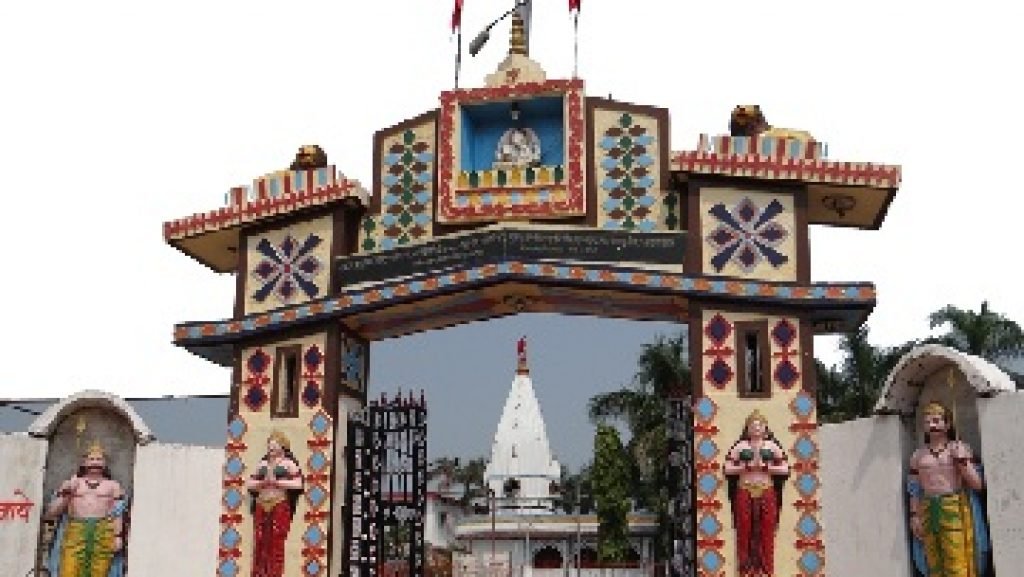
The Hathnikala Devi site proceeds toward development through tourism activities as well as religious belief and reverence centers. Four moons surround this Goddess because of her beauty which tree plant and front pond enhance. Inside the temple resides a Goddess Durga statue that displays lifelike qualities. The temple was built during 1972 under the direction of local monarch Rohan Singh Rajput alongside Jana Jogog’s assistance. The temple serving all religious devotees opened its doors to worshipers in 1972. People consistently visit this location to see the distinctive tourism experience besides its religious objectives. During the Navaratri festival the holy site receives an increasing number of visitors. The temple exists uniquely in the southeast direction of Dharampura which is positioned 8 km from Mungeli district headquarters.
✨ Why Visit Hathnikala Devi Temple?
- The temple features a divine lifelike depiction of Goddess Durga through its artistic sculpture.
- The temple environment combines forest cover with a chilling pond because it is situated in a peaceful setting.
- Open to All Faiths – A symbol of unity and religious harmony
- The historic site traces its origin to when the local king employed community efforts to construct it.
- Visitors can see the temple reach its peak during Major Navratri Celebrations through festive celebrations.
✔️ Best Time to Visit: During Navratri for grand celebrations or throughout the year for peace
fees; There are no entry fees at the site so all visitors can access it without charge.
📍 Location: Hathnikala, 8 km from Mungeli, Chhattisgarh
Related articles : Top 5 Best Places Visiting in Mohla-Manpur-Ambagarh Chouki for Nature, Heritage & Spirituality





Pingback: Top 7 Best Places Visiting in Nalanda – Explore Bihar's Ancient Heritage