
Now Reading: Best place to visit in Néma
-
01
Best place to visit in Néma
Best place to visit in Néma
1. Néma Central Market

Néma Central Market is the vibrant commercial heart of eastern Mauritania and one of the city’s most fascinating attractions. As an important trading center close to the Malian border, the market attracts merchants, nomadic communities, and travelers from across the Hodh Ech Chargui region. The bustling streets are lined with stalls selling colorful textiles, handcrafted leather goods, silver jewelry, traditional clothing, spices, dates, grains, pottery, carpets, and locally produced handicrafts.
Visitors can experience the lively atmosphere while interacting with local traders and observing the unique blend of Arab, Berber, Fulani, Soninke, and West African cultures that meet in Néma. The market provides an excellent opportunity to purchase authentic Mauritanian souvenirs while learning about the centuries-old trading traditions that continue to shape life in eastern Mauritania. Walking through the market offers a genuine cultural experience that reflects the city’s importance as a crossroads of commerce and desert travel.
2. Traditional Camel Market

The Traditional Camel Market is one of Néma’s most authentic cultural attractions and an excellent place to experience the region’s nomadic heritage. Camels remain an essential part of daily life in eastern Mauritania, serving as transportation, livestock, and symbols of wealth among desert communities.
Visitors can observe lively trading sessions where merchants negotiate prices, inspect animals, and continue trading customs that have existed for centuries. The market offers fascinating insight into the importance of camels in Saharan culture while providing outstanding opportunities for photography and cultural exploration.
3. Néma Grand Mosque
The Grand Mosque of Néma is one of the city’s most recognizable landmarks and an important center of religious life. Its elegant architecture, impressive minarets, and traditional Islamic design reflect Mauritania’s deep spiritual heritage and the central role of Islam in everyday life.
Visitors can admire the mosque’s exterior while learning about local customs, religious traditions, and the significance of Islamic architecture throughout Mauritania. The peaceful surroundings provide a quiet place for reflection and appreciation of the city’s cultural identity.
4. Nomadic Desert Camps

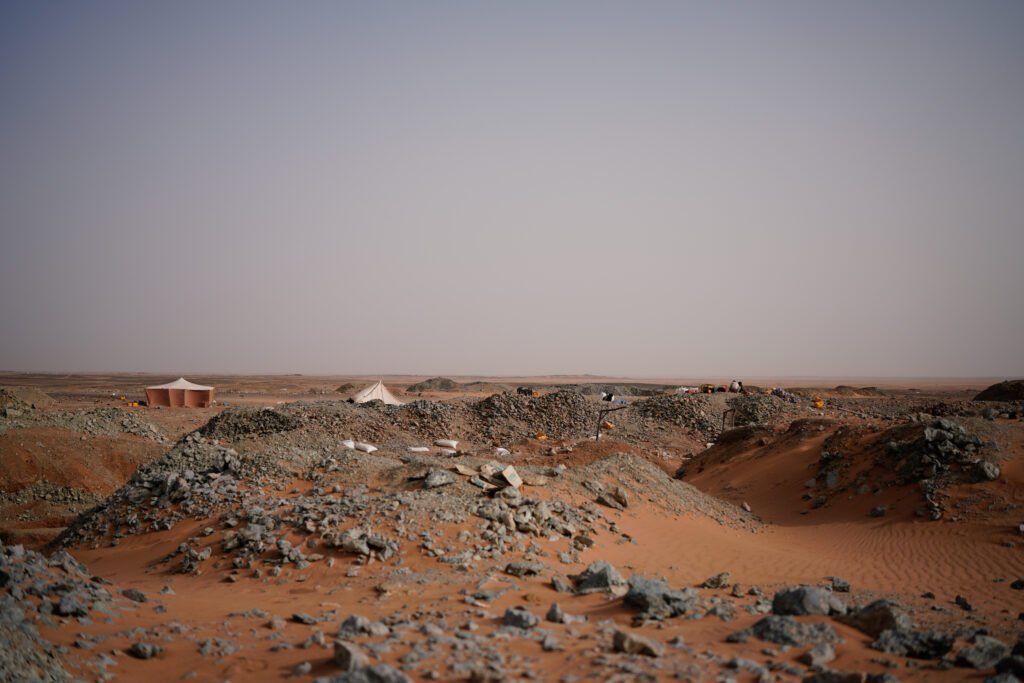
The vast desert surrounding Néma is home to traditional nomadic communities that continue to preserve centuries-old Saharan customs. Guided visits to these camps allow travelers to experience authentic desert hospitality while learning about camel herding, traditional tent life, handicrafts, music, and survival techniques used in one of the world’s harshest environments.
Visitors can enjoy traditional Mauritanian mint tea, taste local cuisine, and hear stories about life in the Sahara while experiencing the warm hospitality that has defined desert culture for generations.
5. Sahara Desert Sand Dunes
The spectacular Sahara Desert surrounding Néma offers endless landscapes of golden sand dunes, rocky plains, and vast open horizons that stretch far into the distance. Visitors can enjoy camel trekking, 4×4 desert safaris, hiking, sandboarding, and landscape photography while exploring one of the most remote regions of the Sahara.
The silence and beauty of the desert create an unforgettable experience, especially during sunrise and sunset when warm colors illuminate the dunes and transform the landscape into a breathtaking natural masterpiece.
6. Traditional Oasis Villages

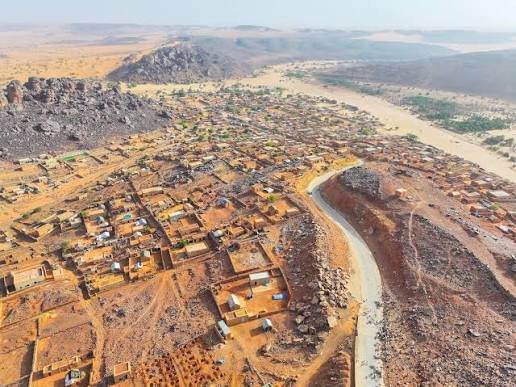
Several traditional oasis communities can be found in the region surrounding Néma, providing a striking contrast to the surrounding desert. Date palms, small farms, natural wells, and traditional mud-brick homes create peaceful green settlements that have supported travelers and local families for centuries.
Visitors can learn about traditional irrigation systems, oasis agriculture, and the important role these communities played along ancient caravan routes crossing the Sahara Desert.
7. Hodh Desert Landscapes

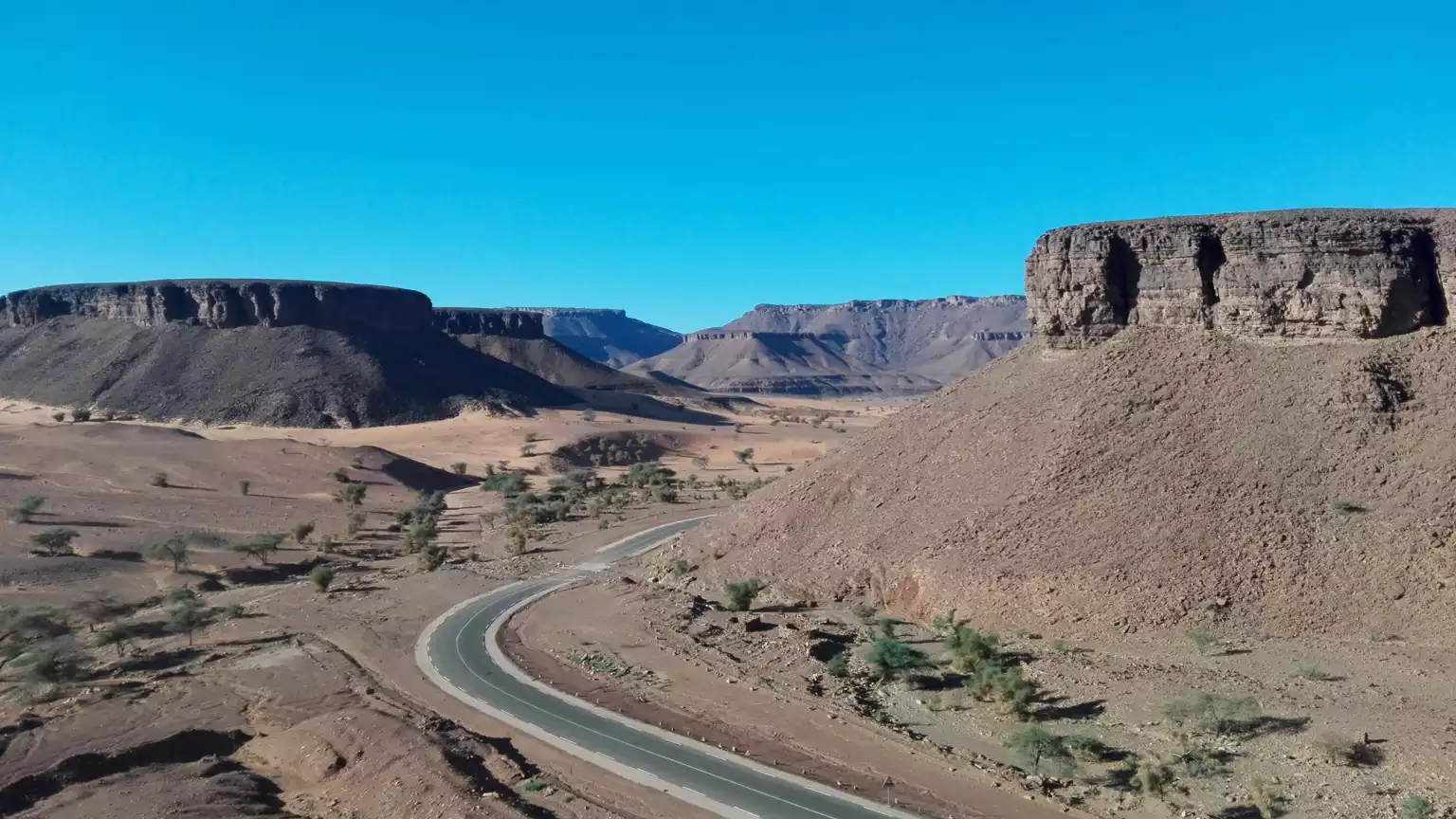
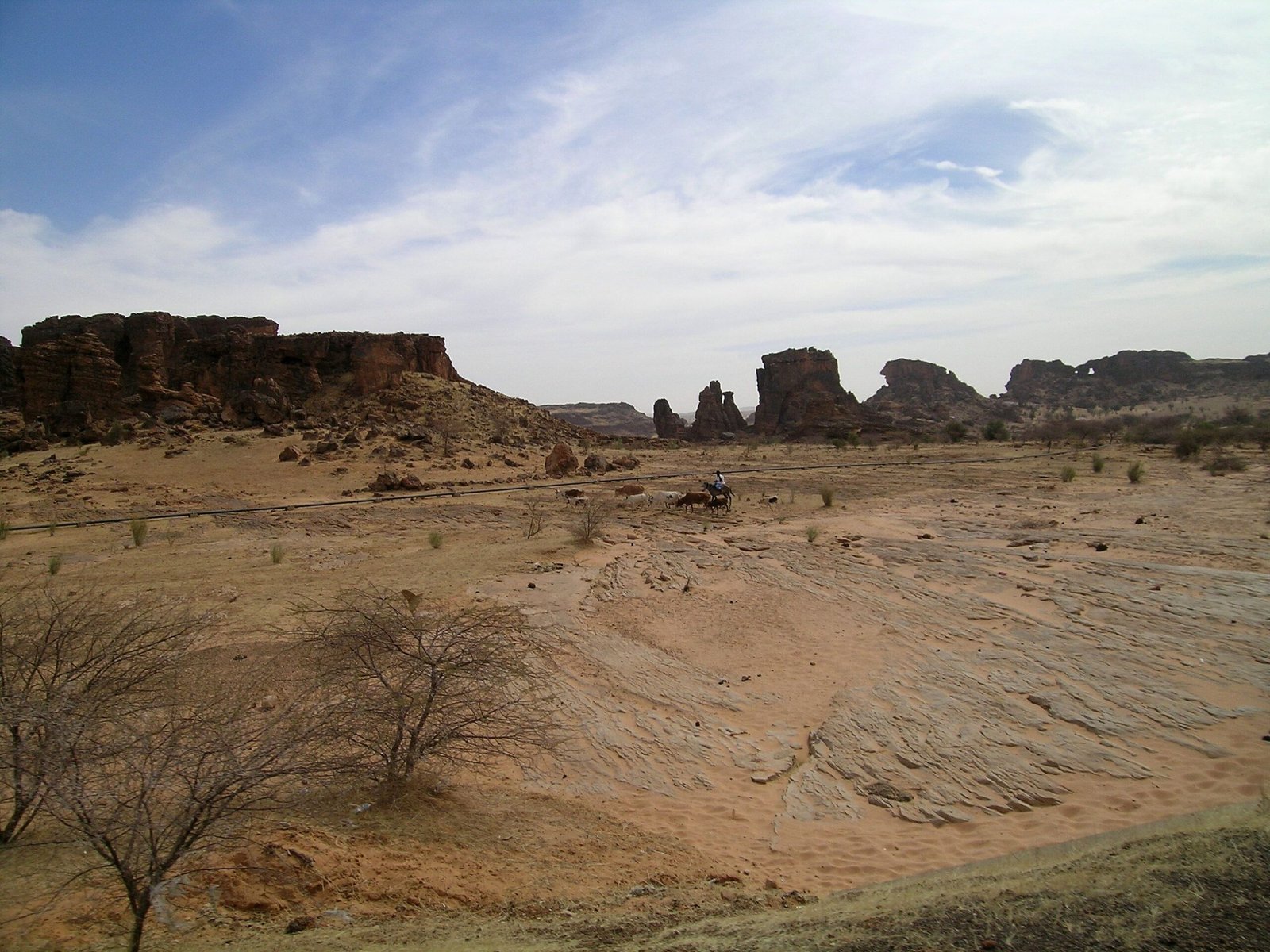
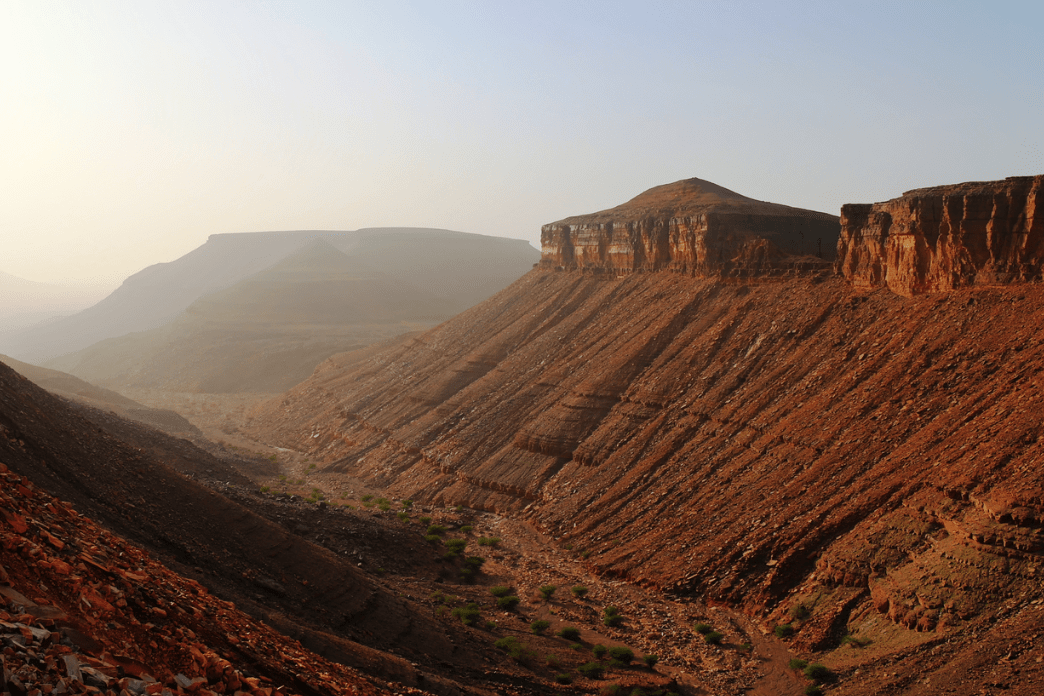
The Hodh region surrounding Néma offers some of the most spectacular desert scenery in Mauritania. Rolling dunes, rocky outcrops, dry valleys, and endless open plains create dramatic landscapes perfect for adventure travel and photography.
Visitors can explore remote areas that remain virtually untouched while experiencing the peaceful atmosphere and immense scale of the eastern Sahara.
8. Traditional Handicraft Workshops

Néma is known for its skilled artisans who continue to produce traditional leather goods, woven textiles, embroidered garments, silver jewelry, and decorative handicrafts using techniques passed down through generations.
Visitors can observe local craftsmen at work, learn about traditional production methods, and purchase authentic handmade souvenirs that reflect the rich cultural heritage of eastern Mauritania.
9. Ancient Caravan Route Landscapes

For centuries, the area around Néma served as part of important trans-Saharan caravan routes connecting West Africa with North Africa. Today, visitors can explore sections of these historic desert landscapes while learning about the merchants, camel caravans, and ancient trade networks that transported gold, salt, textiles, and other valuable goods across the Sahara.
The surrounding scenery offers fascinating insight into the region’s historical importance while providing spectacular desert views.
10. Desert Sunset Viewpoint

Watching the sunset over the Sahara Desert is one of the most unforgettable experiences in Néma. As the sun slowly disappears beyond the endless horizon, the desert landscape transforms into brilliant shades of orange, crimson, pink, and gold while the dunes cast long dramatic shadows across the sand.
Visitors often choose elevated viewpoints outside the city to admire the spectacular colors and peaceful silence of the desert. The breathtaking scenery, cool evening breeze, and vast open landscapes create the perfect conclusion to a day of exploring eastern Mauritania and provide memories that last a lifetime.
Related artical : Best place to visit in Kiffa