

Now Reading: Best Places to Visit in Kumuram Bheem Asifabad – Temples, Waterfalls & Natural Wonders
-
01
Best Places to Visit in Kumuram Bheem Asifabad – Temples, Waterfalls & Natural Wonders

Best Places to Visit in Kumuram Bheem Asifabad – Temples, Waterfalls & Natural Wonders
1.Gangapur Temple
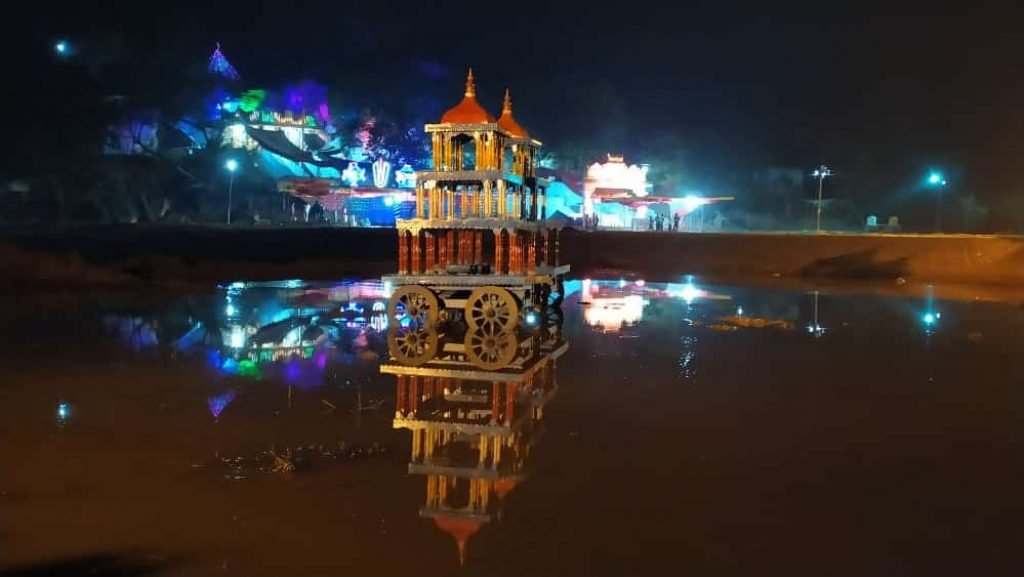
Gangapur village of Rebbana mandal ancient Sri Balaji Venkateshwara Swamy Devasthanam is revamped to be spruced up in a flying visit during the three day long annual Jathara in every year.
13th century temple
The Balaji temple one of the great pilgrimage centres of this district was constructed on the picturesque shores of a rivulet and on outskirts of Gangapur in 13th century AD. Just five kilometres from the mandal centre, devotees come to the temple to worship the deity on full moon day of the sacred month of Magha in the Hindu calendar year.
Mummadi Pothaji, staunch devotee of Lord Venkateswara Swamy, allegedly used to visit Tirumala annually and pray. In one year due to visit the Tirumala Pothaji was not able to go in an ailment because of old age he felt depressed about not taking the pilgrimage and hence decided to make a replica of the same Tirumala built with marbles and bricks and mock footages were shown around this statue. Then Lord Balaji appeared to him in a dream and said that he (Lord) could be seen inside a hillock if he drills one. In that way, Pothaji successfully punched a hole in the rock hillock by the means of a crowbar and after some time discovered an idol of the Lord. He used to worship the idol and pray specifically on every field day of Magha.
Rulers from the Kakatiya dynasty visited the temple later, and in the 16th century, built a holy pond in front of the temple, including an idol of goddess Padmavati. The pond disappeared over the centuries though. The crowbar can still be seen on the shrine however.
2.Kerameri Ghats
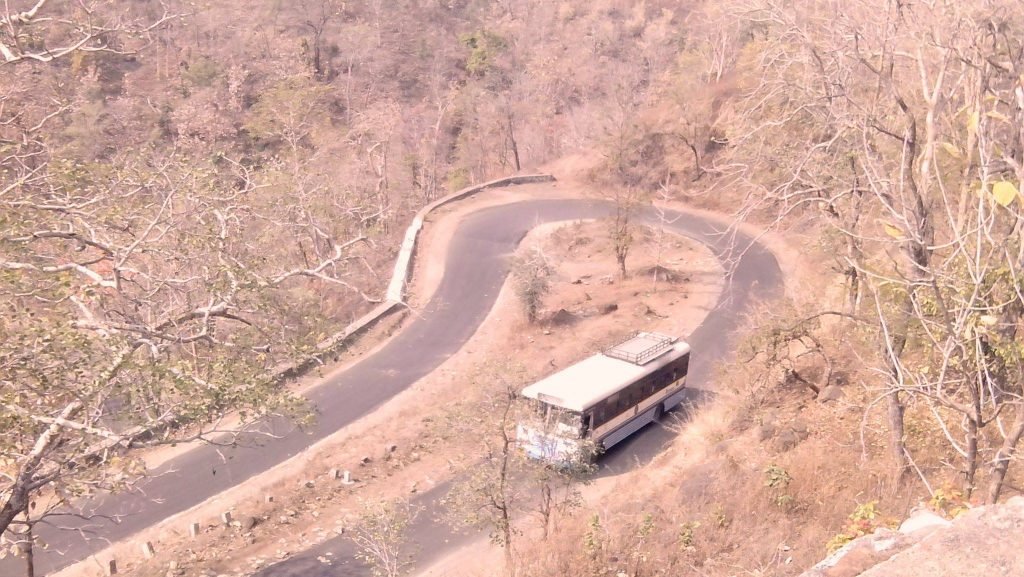
Gangapur village of Rebbana mandal ancient Sri Balaji Venkateshwara Swamy Devasthanam is revamped to be spruced up in a flying visit during the three day long annual Jathara in every year.
13th century temple
The Balaji temple one of the great pilgrimage centres of this district was constructed on the picturesque shores of a rivulet and on outskirts of Gangapur in 13th century AD. Just five kilometres from the mandal centre, devotees come to the temple to worship the deity on full moon day of the sacred month of Magha in the Hindu calendar year.
Mummadi Pothaji, staunch devotee of Lord Venkateswara Swamy, allegedly used to visit Tirumala annually and pray. In one year due to visit the Tirumala Pothaji was not able to go in an ailment because of old age he felt depressed about not taking the pilgrimage and hence decided to make a replica of the same Tirumala built with marbles and bricks and mock footages were shown around this statue. Then Lord Balaji appeared to him in a dream and said that he (Lord) could be seen inside a hillock if he drills one. In that way, Pothaji successfully punched a hole in the rock hillock by the means of a crowbar and after some time discovered an idol of the Lord. He used to worship the idol and pray specifically on every field day of Magha.
Rulers from the Kakatiya dynasty visited the temple later, and in the 16th century, built a holy pond in front of the temple, including an idol of goddess Padmavati. The pond disappeared over the centuries though. The crowbar can still be seen on the shrine however.
3.Mitta Waterfalls
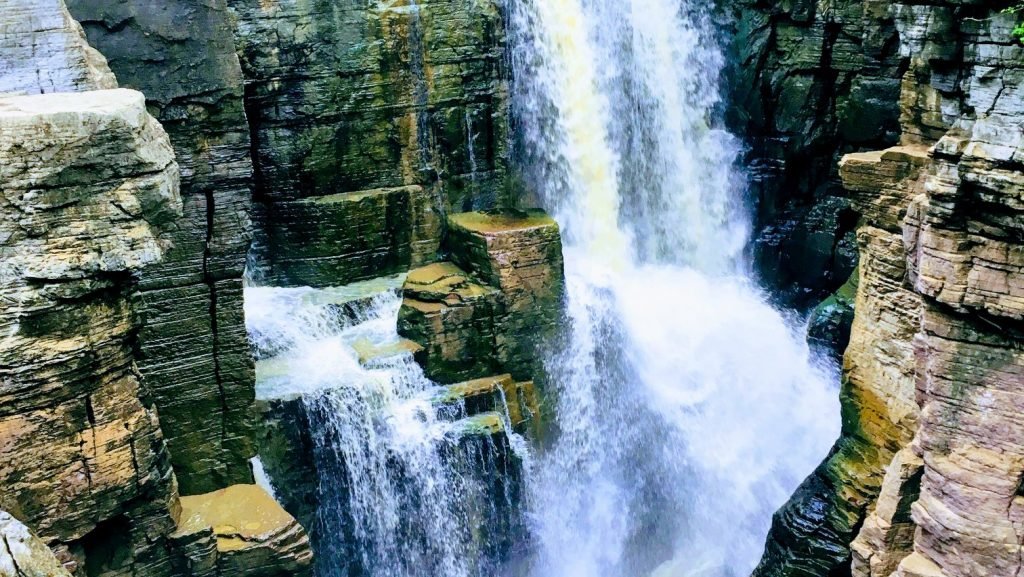
In terms of pristine beauty of nature, the Saptagundala waterfalls at Pittalaguda village of Lingalapur mandal is best in all waterfalls of Telangana, Kuntala and Pochera. Indeed, it includes not a single waterfall but seven of them, hence the name Saptagundala. The waterfall 100 km away from Asifabad is located between tall hills on its one side and dense forest on its other side where there are the Saptagundala who are also known by the name of Mittha waterfalls isolated from the civilisation can be found, there are no proper roads to visit the nature’s beauty.
It is a three kilometres distance from hand to reach the spot by a rough and uneven terrain.One wants to forget all the difficulties of reaching the natural beauty by trekking, when he or she arrives to view nature’s splendour as a tourist from Jainoor, Ravinder, had said. Among the seven, Pedda Jalapatam in the most significant waterfall. It looks like the skies have opened up, for a wonderful descent of a vast stream of milk, literally.
A wave of relaxation spreads across the minds of people when they watch the waterfall’s magic.The rhythmic sound of waterfalls makes an echo to the ears of the tourists who are captivated by its beauty; they shower; under it. People forget their worries and as if feeling the beauty of nature with their own sels, take pictures with their cameras not even a selfie or two.
The waterfall flows with grace from a height down on the stones below. The water is drained in to a valley which is approximately 100 metres deep. The natural slabs of stone recall us back to the ancient stepwells of erstwhile rulers. A stream rushes from the point of landing of the water from a great height.
Few of the seven waterfalls have names after Lord Rama, Goddess Sita and Bheema. There was Idol of Bheema at the place. Each year tribals hold two fairs in honor of their deity Bheema. They believe that Bheema passed around the place and therefore believe the stone slabs bear foot impressions of the deity.








Pingback: Best Places to Visit in Mahabubabad – Explore Temples, Waterfalls & Scenic Spots