

Now Reading: Best Places to Visit in Uttar Dinajpur – Explore Hidden Bengal Gems
-
01
Best Places to Visit in Uttar Dinajpur – Explore Hidden Bengal Gems
Best Places to Visit in Uttar Dinajpur – Explore Hidden Bengal Gems
1.Bahin Zamindar Bari
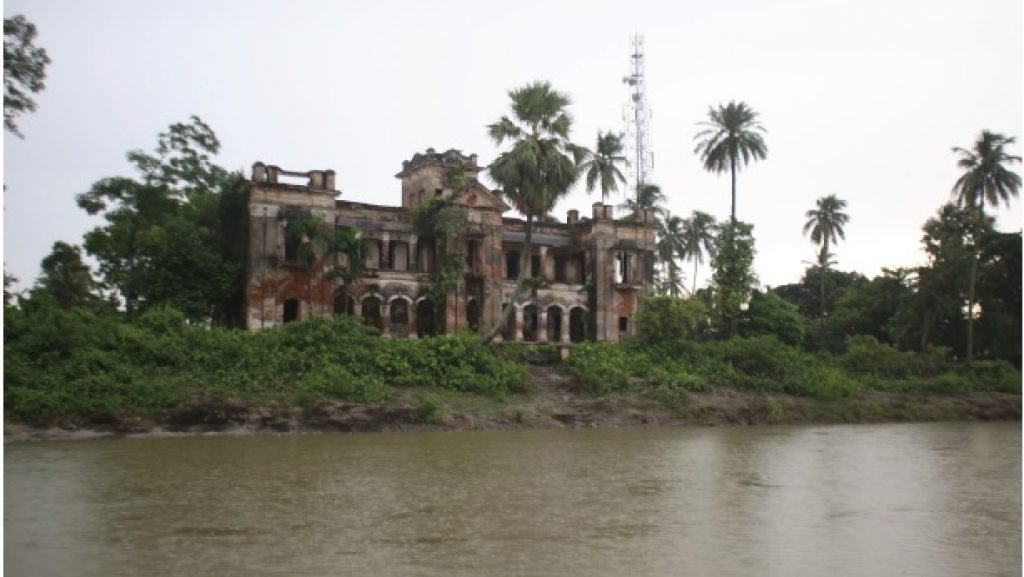
Hidden in the idyllic Bahin village, 1 km south of Raiganj, emerges a magnificent remnant of the fabulously wealthy bygone days of Bengal – the Bahin Zamindar Bari. Overlooking the relaxing Nagar river, this old mansion is a witness of noble debonair, rich heritage, and ageless heritage.
This beautiful building of the Bahin Zamindar Bari was moved by Zamindar Ishwar Chandra Chowdhury, a prominent personality in the regions during the times of Zamindari. Made according to the traditional architecture of brick mason, the mansion has spacious rooms, expansive verandah and ornate details that demonstrate the skill of the architectural genius of the period.
But as you step inside, the atmosphere of yesteryear Bengal envelops you – whispers of royal faraand, stories of landlords and peasants, and thee back-to-the-wall countryside simplicity of riverbank living.
Why You Should Visit
- Step into Bengal’s aristocratic past
- Explore preserved heritage architecture
- Experience the peaceful beauty of Nagar river.
- Ideal for heritage photography; cultural tours.
Best Time to Visit: October to February winter months are for nice weather.
2.Sap Nikla Forest
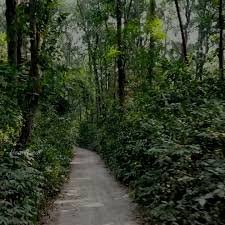
Sunk in from the centre of the Chopra Block, 22 km away from Islampur, there lies a cluster of peaceful and untainted greenery – the Sap Nikla Forest. This hidden destination is rising to fame due to the increasing numbers of nature lovers, bird watchers, or even people who just need to take a break from city hustles for a sanctuary from the city noise.
Sap Nikla Forest majorly belongs to the Northern Tropical Moist Mixed Deciduous Forest type. Although the forest is not large in one stretch, the scattered and fragmented pockets- covering about 282.11 acres, provide a unique wilderness experience.
The forest houses many indigenous floral and faunal species, and its erratic coverage qualifies it to be exclusive for purposes of eco-tourism and exploration adventure.
Best Time to Visit: November-February is the time when the weather is nice and appropriate for outdoor activities.
3.Kunore
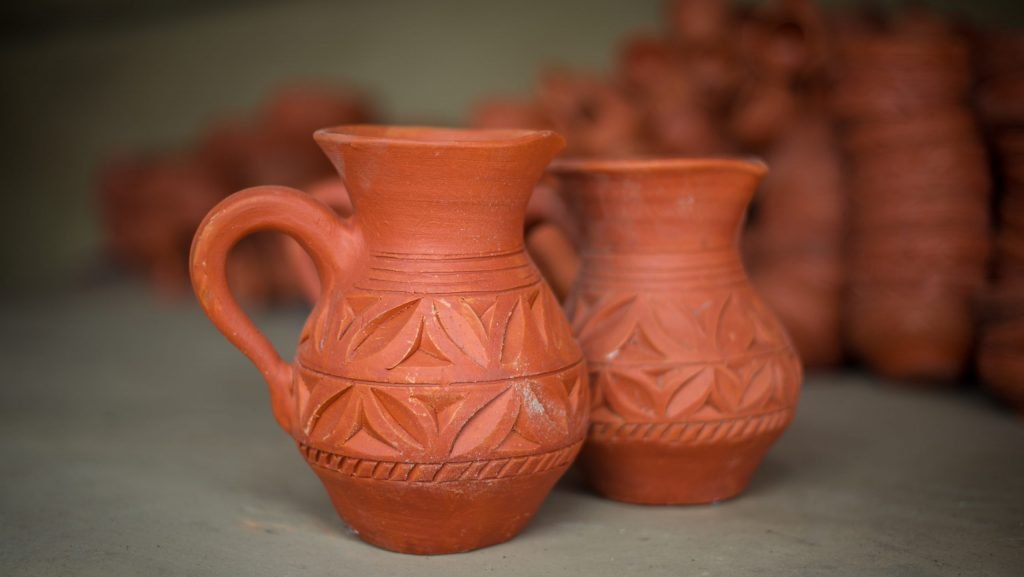
Kunore cozily laid at the center of Uttar Dinajpur stands out to be a midsized village going by the appearance. However, for those who wander in with a quizzing gaze, it opens up to a bustling domain of clay craftsmanship and terracotta bricolage, a mirror of the har-annas of Bengal in each bow and ridge.
Although Kunore might not necessarily be a busy tourist destination, it has an understated appeal of being true to its roots and raw rural flare. A stroll into the village shows houses converted into mini studios, with the artisans sitting outside in courtyards, molding clay with their expert hands while tales cascade as freely as water that makes their medium soft.
For art lovers, for researchers, even for travelers, Kunore is an embodiment of an immersion into the world of the indigenous craft and the reflection of the resistance, the flexibility, and the creativity of the local community.
Location: Kunore village of the Uttar Dinajpur district in West Bengal
Best Time to Visit: Convenient period of time between October to March when the weather is cool and suitable for exploring
4.Karnajora Museum and Park

Snuggled in the die of North Dinajpur, Karnajora Museum and Park is a serene hide out where Bengal’s ripe cultural heritage and natural splendour meet in a seamless arrangement. Behind the veil of urban noise, this gem of a place affords its guest a once in a lifetime opportunity to regroup – with art, with history and with the calm reassurance of nature’s rhythm.
In the middle of this park, there is the Karnajora Museum, a small but entrancing repository of wealth. Step in and you become magically transported back into Bengal’s artistic history. Museum is renowned for its terracotta sculptures and the pottery works—each piece is a quiet account of rustic way of being, old giveances, and daring artwork.
From clay tablets with mythological motifs exposed to simple domestic items created by dexterous hands, the exhibits represent the soul of the community with tradition at its core. It’s not only a museum, it’s a silent tale-teller of bygone times.
Highlights at a Glance:
Karnajora Museum: Cultural artifacts and pottery, terracotta heritage
Park Trails: Clean, quiet, and green it is.
Rare Flora and Fauna: A paradise for botanical lovers and bird observers
Peaceful Environment: Perfect for individual, family, and history buff travelers
Best Time to Visit:
- October to March is the best period, nice weather and blossoming greenery.
- Avoid peak summer or monsoon season, humidity or rain may spoil outdoor trips.
5.Kulik Bird Sanctuary, Raiganj
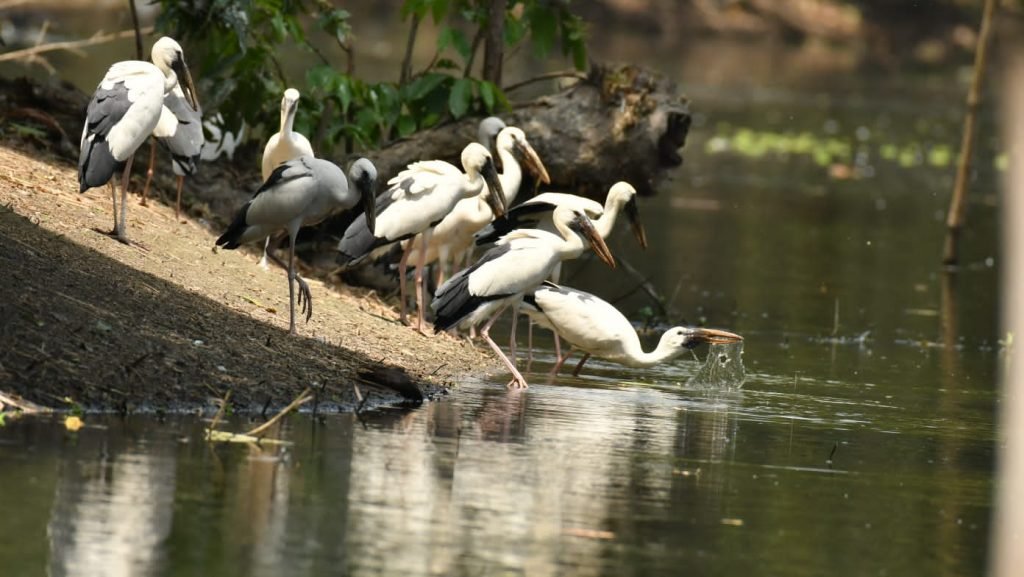
Hidden in tranquil periphery of Raiganj, the district of Uttar Dinajpur, the Kulik Bird Sanctuary, or the Raiganj Wildlife Sanctuary is a bird lover’s and nature lover’s paradise. This luxuriant green paradise buzzes with life, with thousands of winged guests flying in every year, which helps to make it one of the most colorful and tranquil sanctuaries across all of Asia.
It is far from the hustling towns that Kulik is not a place; it is a song of flapping wings and breeze playing leaves, soft rhythm of nature.
Over an area of 1.30 sq. km, this sanctuary is reportedly the second largest bird sanctuary of Asia if population is to be the yardstick. The shape of the English alphabet “U” it was shaped, it is beautifully interwoven by a network of artificial canals that connect it to the River Kulik making a dynamic wetland ecosystem full of the biodiversity.
Best Time to Visit:
- July to November – these are peak migratory months, and best months for bird-watching.
- Winters (December-February) are cool and perfect for nature walk and photography.
- Escape from heavy monsoons as a result of accessibility problem and dense vegetation.
Related articles : Best Places to Visit in South 24 Parganas – Explore Nature & History






Pingback: Best Places to Visit in Chandigarh – Explore Gardens, Lakes & Landmarks