

Now Reading: 15 Best Places to Visit in Vadodara for History, Culture & Leisure
-
01
15 Best Places to Visit in Vadodara for History, Culture & Leisure

15 Best Places to Visit in Vadodara for History, Culture & Leisure
1. Laxmi Vilas Palace, Vadodara
Timings : 9:30 AM – 5:00 PM (Closed on Mondays and public holidays)
Time Required : 2-3 hrs
Entry Fee : Palace fees: INR 150 Museum fees: INR 60
One of India’s most regal buildings stands as Laxmi Vilas Palace which served as the private residence of Maharaja Sayajirao Gaekwad III. Tourists should make Laxmi Vilas Palace their top sightseeing destination because it stands as a private abode four times larger than Buckingham Palace.
The architects required twelve years to complete the construction of Laxmi Vilas Palace which was built in 1890. The royal Gaekwads of Vadodara continue to inhabit the structure which occupies 700 acres of land. The mixture of Hindu architecture with Gothic and Mughal elements constitutes the Indo-Saracenic style that you can observe throughout this structure.
The Laxmi Vilas Palace contains multiple additional buildings structured as part of its complex that comprise LVP Banquets and Conventions along with Moti Baug Palace and the Maharaja Fateh Singh Museum building. The Maharaja established the museum structure initially to function as his children’s school facility. The building functions as a home for Raja Ravi Verma’s famous paintings and international artifacts originating from different global regions. The entry charge provides touring audio with complimentary drink and snack.
Architecture of Laxmi Vilas Palace
- The Laxmi Vilas Palace ranks among the most spectacular royal buildings that still exist in India.
- The interior area of the palace shows exceptional preservation of montage artwork and chandeliers along with maintained decorative pieces.
- During its construction the palace received advanced facilities such as elevators because the designers wanted it to serve as a
more appropriate place with western facilities.
- The structure consists of 170 rooms while its original purpose was to serve two royal inhabitants called the Maharaja and Maharani.
- After entering through the front doors visitors will find the Darbar Hall decorated with mosaic floors and period furniture combined with Venetian chandeliers and Belgian stained glass windows. The decorative chamber displays exceptional bronze statues combined with marble and terracotta pieces and draws many visitors for its events.
venue for cultural events and musical concerts.
- Across 700 acres of land the Laxmi Vilas Palace presents visitors with three stunning attractions including the Navlakhi stepwell and Maharaja Fatehgarh museum and a crocodile-habitat small zoo.
- The armoury exhibits an exceptional collection of swords and war weapons that belonged to the time of the Maharaja.
- A palm courtyard with a decorative fountain stands at the entrance of Laxmi Vilas Palace.
- The palace interior incorporates multiple marble tiles along with many other pieces of art.
- The archives show that botanist Sir William Goldring who planned the famous Kew Botanical Gardens in London designed the gardens of this magnificent palace.
Attractions and Things to Do
- The swimming pool located at the deck attracts numerous visitors who prefer this spot for relaxation. Families can further enjoy the place because it offers a Jacuzzi together with a baby pool.
- Visitors can access an Ayurvedic massage center through the pool area where they can get a wide selection of therapeutic treatments and massages.
- The traditional puppet show has maintained its important place in Rajasthani culture and takes place at the palace daily during evening hours.
- Recreational areas at the establishment include facilities for table tennis along with a pool table and carom board.
- Near the swimming pool stands a dedicated play zone for kids while adults can enjoy relaxation while watching their children from the same location.
- Visit all the sights by using the booking facility offered through the travel desk located at the property.
Maharaja Fateh Singh Museum
The Maharaja Fateh Singh Museum exists as a grand establishment inside the Laxmi Vilas Palace. Visitors can see numerous prestigious sculptures at this location stemming from past great masters. All the art pieces displayed within the museum are from the era that belonged to 19th-century royal family head Maharaja Sir Sayajirao Gaekwad III and his household members. All artworks and paintings that Maharaja collected on his travel within and outside India are now displayed within the museum. During his era Raja Ravi Varma emerged as the most famous artist who created paintings about Hindu myths which continue to mesmerize viewers throughout modern times.
The museum displays different portraits of royal members who enable visitors to experience their former majestic lifestyle. The site welcomes numerous visitors because of its lovely scenery and its vast fields. The museum displays an oriental gallery with both Chinese and Japanese sculptures inside.
2. Sayaji Gardens
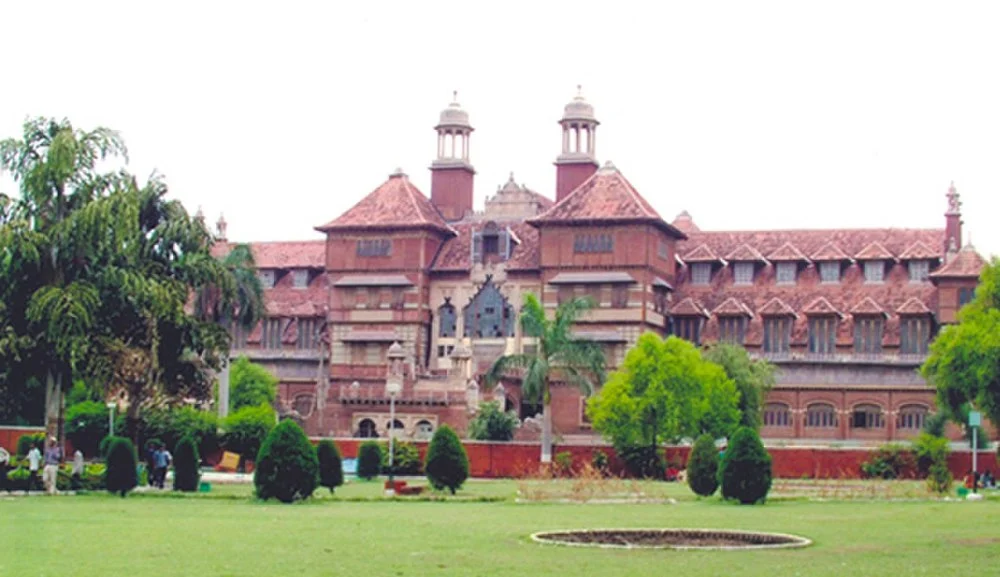
Sayaji Baug received its name from Maharaja Sayajirao Gaekwad III and it stands as a tribute from him to his great grandfather Maharaja Sayajirao Gaekwad III. The western Indian locale possesses the largest garden consisting of a total 45 hectares of land space. Construction started in 1879 on Vishwamitri riverbanks and features more than 99 tree species spread across its boundaries. Visitors to this park can explore a planetarium alongside two museums while also enjoying their time at the zoo while small children ride the toy train and appreciate the flower clock. The welcoming combination of many amenities at this destination makes it the favorite attraction for people throughout Gujarat.
Places in Sayaji Baug
- Vadodara Museum and Picture Gallery was built by the Gaekwads in 1894 and showcases countless objects spanning archaeological to geological topics. People mainly visit for the complete skeleton of the enormous blue whale.
- The Floral Clock stands as an enormous unique architectural marvel throughout the state. The clock designer used precise machinery in its system to maintain correct time reading.
- The Sayaji Baug Zoo exhibits 167 different species among its total fauna collection of 1103 animals. A new aquarium featuring 45 fish species became part of the Sayaji Baug Zoo in recent times.
- People can attend daily public shows and educational special shows run by the Sardar Patel Planetarium at this location which stands near the main entrance to the Sayaji Gardens.
3. Champaner Pavagadh
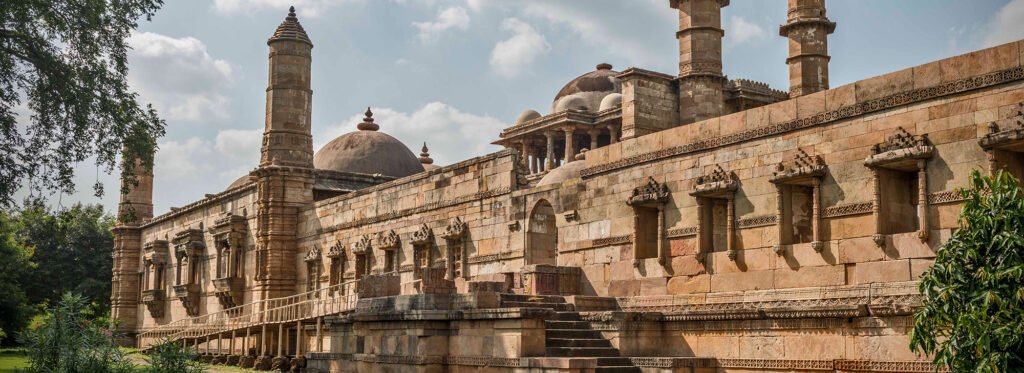
Champaner functions as the capital city for the former Sultanate of Gujarat within its location in the Panchmahal district of Gujarat. Located at the central place where Champaner city intersects with Pavagadh hills this marvelous archaeological park maintains membership in the UNESCO World Heritage Sites worldwide. People from all around Gujarat actively visit this place.
This historical and mythological place called Champaner-Pavagadh Archaeological Park has multiple important points. Several magnificent architectural masterpieces within the Park combine both Hindu and Islamic Islamic styles of design. A significant piece of history tells that the Pavagadh hill stands as a fragment from the original Himalayas which Hanuman utilized during his journey to Lanka according to the Ramayana story. This place stands out because of its extensive historical background that creates an incredibly fascinating destination for visitors.
Champaner and Pavagadh comprise this UNESCO Heritage location which people tend to visit as one unified historical destination in Gujarat. Pavagadh rises from a hill where it oversees all the monuments at the base of Champaner. The site consists of eight to fourteen-century heritage architecture that comprises multiple forts along with mosques monuments and temples and fortresses at its base in addition to the Pavagadh hill fortress. Large numbers of devotees go to Pavagadh to visit the significant Kalikamata Temple that worships the goddess Kali who presides at the summit. As centuries have passed Champaner remains distinct among Islamic-Mughal cities since its architecture has kept its original state. Thousands of worshippers gather at the Kalika Mata Temple which is situated on Pavagadh Hill specifically during the Navratris period.
The Citadel at Champaner features beautiful Islamic and Hindu architectural elements in its 16th-century mosques that are no longer used for religious ceremonies. Visitors reaching the Jami Masjid through its impressive carved portal experience a delightful courtyard space which circles a gallery of majestic pillars. The prayer hall contains two high central minarets in addition to exceptional stone carving and multiple domes together with finely latticed windows and seven mihrabs arranged along the back wall.
ayo Khoker connects visitors to Saher ki Masjid behind the ticket office within the Citadel as well as Kevda Masjid located 300 meters north of the stronghold and a short distance of 600 meters west of the Jami Masjid. You can reach the roof of Kavir Madarsa by climbing its narrow steps and viewing different temples all across the rural landscape from the minarets – first Nagina Masjid is 500 meters to the north, then Lila Gumbaj ki Masjid stands 800 meters to the east. The Brick Minar ki Masjid contains twin factory-chimney-like minarets which decorate its premises as it stands approximately 1 km west from the complex.
History
Pavagadh functioned as the Chauhan Rajput capital since 1300 AD until 1484 when Gujarat Sultan Mahmud Begada captured it through a 20-month siege resulting in Rajput jauhar suicide ritual. Sultan Mahmud Begada created a splendid capital at Champaner after he seized control of Pavagadh Hill. The city experienced a short reign because Mughal emperor Humayun seized it in 1535 turning the main Gujarati capital back to Ahmedabad which caused Champaner to decay.
4. Vadodara Museum and Picture Gallery
Timings : Monday – Friday: 9.30 AM – 6.00 PM
Saturday: 9.30 AM – 6.00 PM
Sunday: 9.30 AM – 6.00 PM
Public Holidays: 9.30 AM – 6.00 PM
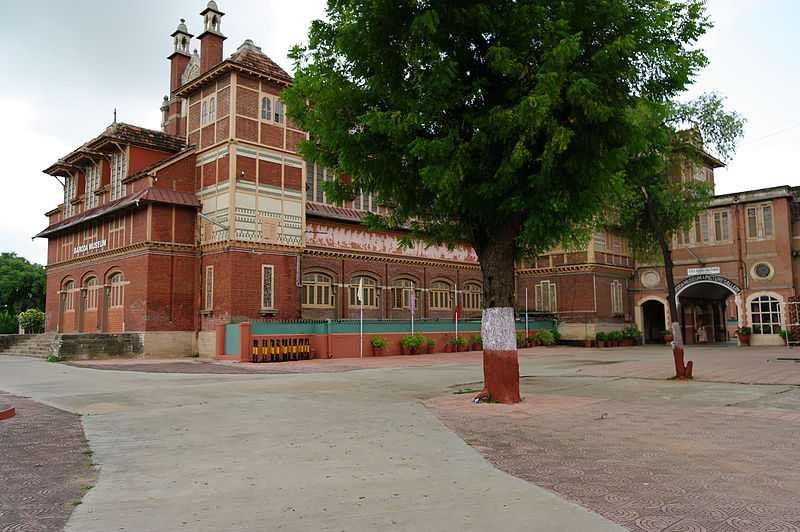
The Picture Gallery and Museum of Vadodara originated from Gaekwad construction in 1894 and displays countless relics spanning archeology to geology.
The gallery contains specific rare personal items belonging to Maharaja Sayajirao III among its collections. The most important artifacts include 109 Mughal miniature paintings from Mughal times which were commissioned by Mughal Emperor Akbar and an 11th century Shiva Natraj alongside various other significant items.
History of Baroda Museum & Picture Gallery
The Baroda Museum and Picture Gallery established its presence at Sayaji Baug under the foundation of Maharaja Sayajirao Gaekwad III. Freedom from traditional constraints could be permanently overcome through education according to the words of H.H.Sayajirao III during the period 1863-1939 AD. The idea is fulfilled through the subsequent establishment of library services and Kalabhavan and Sanskrit Mahavidyalaya and The Oriental Institute and the Baroda Museum. The Baroda Museum together with the Picture Gallery represent two distinct two-storied buildings designed in the Indo-Saracenic architecture style. The design work belonged to R.F. Chisholm who served as the Consulting State Architect at that time alongside Major R.N. Mant. The museum facility adheres to traditional Maratha architectural principles by having wooden frames with brick-filled walls which comprise its basic structure. A pure European design adorns the ground floor through its fascist-like structure and the ceramic replication of a Parthenon relief piece on the cornice. The south porch which ascends through a grand stairway contains decorations featuring both initial Mughal and later Mughal elements.
5. Sursagar Lake
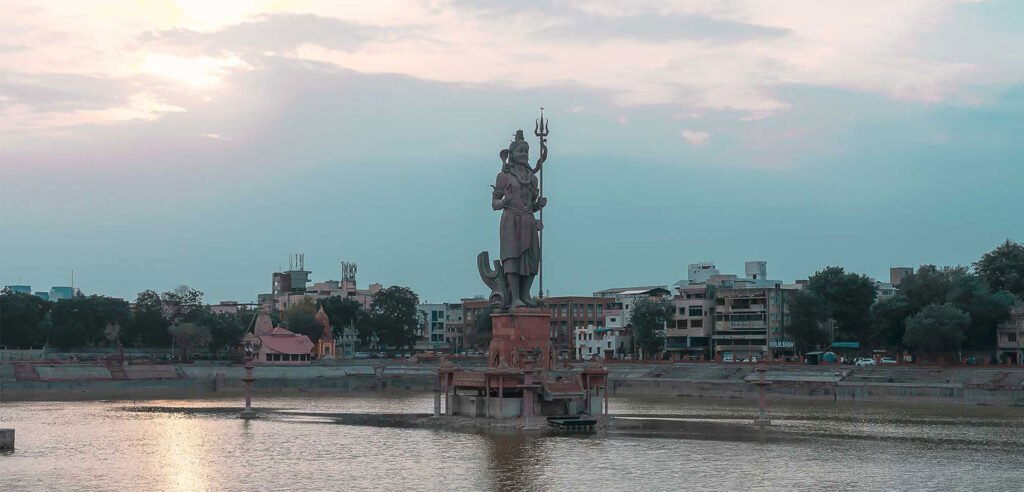
Sursagar Lake: The Timeless Jewel of Vadodara
Sursagar Lake exists as a prominent landmark of Vadodara within its central region with the local name of Chand Talao. Sursagar Lake appeared in the 18th century to create a peaceful reservoir among the busy surroundings of Old City. Sursagar Lake remains a historical monument which provides city visitors calmness in the midst of busy urban areas.
Historical Significance of Sursagar Lake
The historic construction of Sursagar Lake originated from the original Chandan Talav pond. Shri Sureshwar Desai created this water reservoir. Significant changes have been made throughout history to improve the lake following orders from different rulers who controlled Vadodara. Full water levels characterize the entire year at the lake due to its purposeful design.
Sursagar started its existence outside of the walled city at the time of its initial construction. The growth of Vadodara turned Sursagar Lake into a fundamental feature of its active central district. Today the historical lakeinspectifies visitors from both local neighborhoods and tourists as a major destination.
Engineering & Water Management
Sursagar Lake stands out because it contains an exceptional water control system. Excess water draining into the Vishvamitra River is made possible by several bottom-mounted gates which authorities can open when necessary. During monsoon floods the city remains safe because of an advanced design system.
The Magnificent Statue of Lord Shiva
Vadodara Mahanagar Seva Sadan erected a 120-foot-tall Lord Shiva statue at the middle of the lake to create more spiritual value. The majestically high statue looks extraordinary with bright lights during the celebrations of Maha Shivratri. The statue has attained spiritual status which continues to give people of faith and religious curiosity from throughout Gujarat.
Temples & Cultural Significance
The lake finds significance as a major religious location in Vadodara because different historical temples encircle it. Two temples distinguish themselves among the others which surround Sursagar Lake.
People consider Akkalkot Swami Maharaj Mandir as a holy sanctuary which honors Akkalkot Swami Maharaj.
Devis at Hanuman Mandir temple draw numerous worshippers because they especially dedicate their prayers on Tuesdays and Saturdays.
The Faculty of Performing Arts at Maharaja Sayajirao University (MSU) operates in front of the lake where people know it as ‘Music College’. The cultural ambiance of the lake environment stems from the establishment by Maharaja Sayajirao Gaekwad III.
Sursagar Lake: A Perfect Hangout Spot
People find Sursagar Lake to be the perfect location where they can relax and enjoy themselves after exploring its religious and historical value. Visitors can have a quiet stroll by the banks of the water to see gorgeous city reflections while looking up at the Shiva statue.
Sursagar Lake gives visitors an enriching experience suitable for history enthusiasts as well as those who love devotion and nature.
Best Time to Visit
You will find the best conditions at Sursagar Lake to enjoy the place during early hours and late afternoon when both weather and number of visitors are minimal.
During Maha Shivratri festivals the Shiva statue stands as a stunning sight because of its beautiful illumination.
6. Kirti Mandir, Vadodara
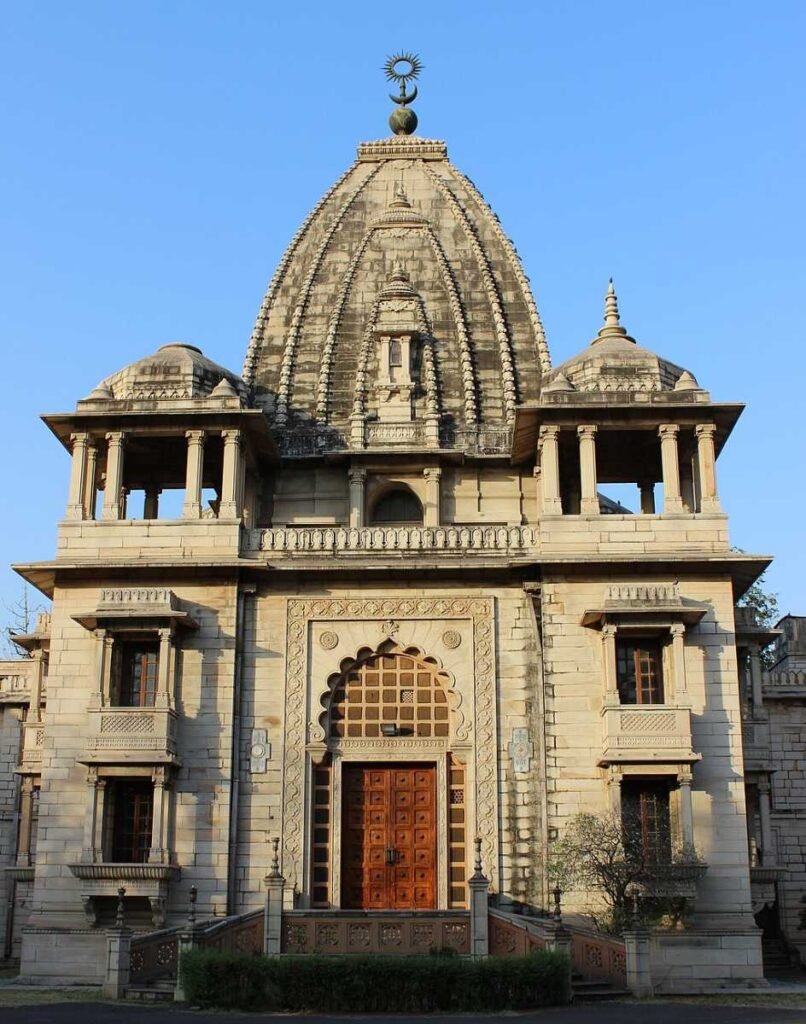
Timings : 9 am to 12 pm and 2:30 to 5:30 pm
Among all the remarkable historical monuments found within Vadodara city Kirti Mandir stands out as the most glorious. Kirti Mandir serves as the common name for this temple while Maharaja Sayajirao Gaekwad III built it as a memorial honoring the family cremation grounds. Kirti Mandir preserves two essential roles by being a place of reverence while showcasing the ruling power together with financial wealth and visionary leadership of Vadodara’s greatest leader.
A Monument of Remembrance and Glory
Kirti Mandir represents an architectural achievement because it honors the Gaekwad family cremation site. Kirti Mandir transcends its role as a memorial because it once marked the attainment of fifty years by the reign of Maharaja Sayajirao Gaekwad III. One of Gujarat’s most revered male rulers left his historic mark on society through his leadership which brought modernization to Vadodara while also facilitating multiple economic and social reforms.
Architectural Grandeur and Symbolism
Kirti Mandir stands out with its main arched doorway which reaches 33meters in height. An impressive architectural structure features celestial decorations in the form of sun moon and earth to represent the everlasting rhythm of time along with cosmic equalibria. Complex architectural details on these walls depict the artistic and religious interests of the Gaekwad dynasty.
A remarkable detail of Kirti Mandir resides in the complete Indian geographical layout which adorns its central arch. The historical depiction on display reminds tourists about a historical moment when India operated as one nation through its unified structure before serving to elicit memories about the past of the nation.
A Glimpse into the Gaekwad Dynasty
Kirti Mandir displays the same mesmerizing charm inside as it does outside. The rooms within the monument house sculptures and photographs of the Gaekwad family, offering visitors a glimpse into the royal lineage and their contributions. Visitors can discover through these displays how the influential ruling dynasty of Gujarat gained its power and longevity.
Why Visit Kirti Mandir?
Kirti Mandir stands as a family memorial to the Gaekwad dynasty that celebrated fifty years under the reign of Sayajirao Gaekwad III.
Architectural Marvel: Unique celestial carvings and an impressive 33-meter-high arch.
The establishment displays sculptures and photographs which document the story of Vadodara’s royal lineage.
Visitors can experience a nostalgic trip to India before partition through the engraved undivided map displayed at the site.
7. Maharaja Sayajirao University

The prestigious Maharaja Sayajirao University maintains its status as a leading educational institution in Vadodara which belongs to Gujarat state. The University began as Baroda College in 1881 before it developed into one of the oldest revered centers of education in western India. The institution received its present name in honor of its founder Maharaja Sayajirao Gaekwad III who once led Baroda State. Through its programs the present Maharaja Sayaji Rao University shows respect for its first name and honors the great Gaekwad dynasty which created it. The institution began its existence as both a learning establishment and historical site.
With 275 acres of land under its control the university houses 14 faculties that include arts, commerce, education and psychology along with family and community sciences, fine arts, journalism and communication, law, management studies, medicine, performing arts, science, social work and technology and engineering, and pharmacy. As a field-leading educational establishment the Institution operates 90 departments alongside 3 constitutional colleges and various other centers which deliver educational programs across kindergarten through PhD levels. The educational institution branched out to contemporary subjects such as fashion designing and catering technology alongside hotel management as it seeks to stay current with modern times.
History of Maharaja Sayajirao University
The institution started operating as Baroda College of Science and obtained its founding charter through establishment in 1881. The university achieved its status after 1949. The institution maintains its name as tribute to former Baroda State ruler Maharaja Saiyajirao Gaekwad III from the Maratha Gaekwad dynasty. Through the desire of his grandfather Maharaja Sayaji Rao III Maharaja Pratap Singh Gaekwad founded the University when it opened in 1949. He created the Sir Sayaji Diamond Jubilee and Memorial Trust for providing educational opportunities to students from the past Baroda State.
The historical significance marks every single structure at this university. The official song of the Maharaja Sayajirao University showcases Gujarati lyrics through Devanagari script according to Baroda kingdom tradition as Professor C.C Mehta penned its verses. Its library foundation took place on 1st May 1950 when the facility became operational. The establishment contains numerous books covering all subjects besides the 5,12,159 books acquired from the combination of state libraries.
The university grew several outstanding personalities including Vinoba Bhave who advocated peace and human rights while Venkataraman Radhakrishnan secured the Nobel Laureate status and Dadasaheb Phalke became the Father of India Cinema while Ajay Bhatt contributed to Intel’s Universal serial bus co-invention and Param Super Computer inventor Vijay P Bhatkar worked at RBI where IG Patel served as the Governor.
Architecture of Maharaja Sayajirao University
Robert Fellowes Chisholm designed the primary University building in Indo-Saracenic style. The building combines architecture from India together with Byzantine features using polychromed stone and bricks. The domed roof at the convocation hall acquired its shape from the major dome found at Gol Gumbaz in Bijapur.
The Maharaja Sayaji Rao University stands in the midst of the city within a fortified building design. The royal essence of the university continues to exist throughout its location within Vadodara’s active urban environment.
8. EME Temple
Timings : 6:30 AM – 8:30 PM (closed on Sunday)
Time Required : 1-2 hrs
Entry Fee : No entry fee
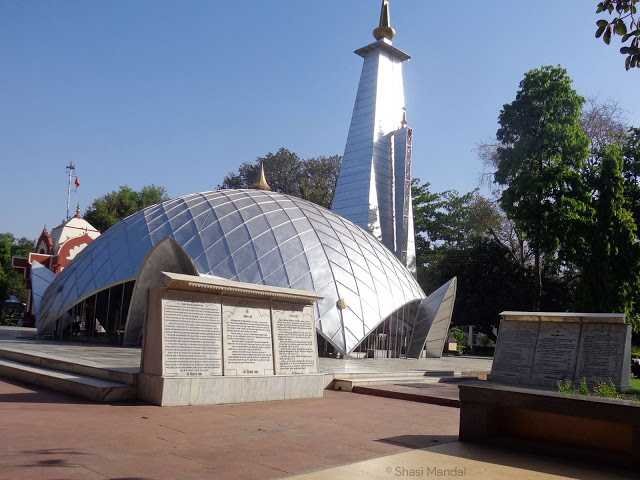
This EME Temple serves as a label of army secularism through its aluminium exterior built at the meeting point of historical and contemporary landmarks while also honoring the Electrical and Mechanical Corps personnel who constructed it.
The main religious components of this site consist of the large Lord Shiva statues together with a tiny Lord Ganesha image which came from Mahabalipuram specifically for display. The arch made from silver contains the sacred phrase “Om Namah Shivaya” written upon it.
The archaeological community widely considers this temple distinctive because it presents a distinct design approach and concept while using geodesic construction elements combined with war waste and aluminum sheets. The temple implements a distinctive feature by integrating religious symbols from all faiths into its architectural framework as a support for secularism. The highest element serves Hinduism according to religious symbolism. The Dome signifies Islam. The Tower represents Christianity. The Buddhist symbol appears through the Golden-structure located above the tower. The Entrance stands for Jainism.
Architecture of EME Temple
- GEodesic architecture guides the design of the EME Temple which shows core values that define the Indian Army. Various religious holy symbols decorate the temple exterior. Every section of this structure stands as a representation for one of various religious beliefs –
- A dome cap at the top represents Hinduism.
- The dome stands as an Islamic structure because architects use it in mosque construction.
- The tower contains religious meanings which align with Christian beliefs.
- A golden ornament on top of the tower serves as a symbol of Buddhist faith.
- Through its main entrance the temple presents traditional Jain principles.
Best Time To Visit EME Temple
July to September brings the perfect weather for an evening night visit to this amazing temple because the temperature rises due to the aluminum exterior.
Tips For Visiting EME Temple
The temple grounds restrict all pet animals from entering.
The security system requires a valid identification document from at least one person within the visiting group.
The temple might maintain its closed status on Tuesday evenings so inspect the schedule beforehand.
My mobile phone along with camera devices need to remain out of sight.
9. Kabirvad

Timings : 24 hrs
Time Required : 2 – 3 hrs
Entry Fee : No Entry Fee
Saint Kabir resided in the Gujarat region of Bharuch district on Kabirvad which constitutes an island several centuries ago. This island which sits on Narmada riverbanks provides visitors a peaceful home beneath the majestic Banyan tree canopy that makes Kabirvad famous.
The original Banyan tree in Kabirvad developed these 3000 offspring trunks and its 600-year-old mother tree cannot be distinguished from the others today. The 17,520 square meter canopy area of the Banyan trees stretches across 641 meters of perimeter throughout the forest. The natural wonder of Kabirvad stands out as its main attraction though local myths about it further enhance the island’s magical qualities.
Tips For Visiting Kabirvad
- Staying until nightfall on the island should be avoided since bats overrun the island rendering evening hours unsafe.
- People should avoid entering the river waters during monsoon season because the water turns perilous from the poor visibility.
- The only available foods on the island include fruits and corn which both come from two food vendors. Staying without personal snacks will be better for extended stays on the island.
1.Kabir Temple
A shrine honoring Great Sage Kabir stands at the Kabir Temple located within Kabirvad island. A circular temple structure stands in place because of its pillars which extend from all directions. The temple serves both believers of Saint Kabir’s teachings and other devotees as their sacred sanctuary.
- Golden Bridge
Architectural excellence characterizes the golden gate bridge which was constructed in British imperial times. During its initial period of existence the Narmada Bridge received its Golden Bridge nickname because of its high construction expenses. The golden bridge gives a perfect vantage point for a pleasant drive across 1.4 kilometers while you appreciate its 132-year-old architectural legacy despite enduring floods and earthquakes. - Shri Swaminarayan Temple
A nicely built temple stands 13 kilometers from Kabirvad within the Zadeshwar Chowkdi stretch of Bharuch. People of every community join together at this temple devoted to Lord Swaminarayan to experience its peaceful atmosphere which extends through its beautiful front gardens.
The temple maintains a service to provide food each afternoon and evening for visitors worshiping at the location. - Nilkanteshwar Temple
Located within Zadeshwar Chowkdi next to the Narmada river at a distance of 13 kilometers from Kabirvad stands the Nilkanteshwar Temple. The temple worshiping Lord Shiva showcases 1008 names of Lord Shiva written inscriptions on its temple walls. The temple location along its waterfront provides excellent sunset viewing opportunities together with boat ride services on the river. There are two main attractions at the temple: a well-kept lawn and standard worshipping facilities alongside maximum evening crowd coming for the evening pooja. The temple maintains its own facilities to provide food service as well as accommodation for distant pilgrims who wish to visit. - Shirdi Sai Baba Temple
The recently built temple lies about 13 kilometers from Kabirvad and its ornate wall carvings create the appearance of an aged religious site. A sanctuary for Sai Baba exists at the temple. Visitors can walk along well-made paths throughout a small pond which exists inside the temple complex. During their temple visit followers request blessings from Sai Baba and afterward they stroll through the pond to feel the calm atmosphere of the holy place.
- Gayatri Mata Temple
The Gayatri Mata Temple exists in an area 13 kilometers from Kabirvad along the Narmada river bank with its religious focus dedicated to Goddess Gayatri Mata. People can sit at the river ghat area of the temple while experiencing beautiful views of diyas drifting on Narmada river along with the newly built Sardar Bridge. Devotees have access to riverside bathing steps in order to perform worship ceremonies. A Maha Aarti ceremony draws numerous visitors annually because 1000 diyas are launched on the river Narmada. - Narmada Park
The Narmada park serves as a massive destination on the Narmada riverbanks which provides outdoor walks for visitors who wish to admire both the tranquil river and the upcoming Narmada bridge during peaceful evenings. The garden also houses
The children can enjoy their own dedicated play zone at the site which makes it suitable for families.
Things to Do
Nature enthusiasts can walk through the area while relaxing under Banyan tree canopies while they enjoy lawn picnics. Guests can swim in Narmada river waters at the shore due to its proximity.
A miracle of nature exists in Kabirvad because of the massive Banyan tree forest canopy. Kabirvad provides complete serenity to its visitors with its remote oceanic location in the middle of the sea. Kabirvad provides an excellent historical day outing that appeals directly to people who share a passion for history.
10. Zarwani Waterfalls

Timings : 24 hrs
Time Required : 1 day
Entry Fee : No Entry Fee
Located 90 kilometers from Vadodara in Gujarat India has Zarwani Waterfalls which are highly desired natural destinations. Shoolpaneshwar Wildlife Sanctuary inside the Narmada district houses Zarwani Waterfalls as a permanent waterfall which enables visitors to hike, have picnics while taking wildlife photographs.
- Sardar Sarovar Dam
Located close to Rajpipla Sardar Sarovar Dam holds the title as the largest structure on the Narmada River. The hydroelectric power distributed from this dam reaches multiple states surrounding Gujarat and it continues to fascinate visitors for its historical importance and remarkable construction. Tourists can choose boating activities in the catchment area when they stop by. Visitors to Zarwani Waterfalls should prioritize these dams among their attractions. - Shoolpaneshwar Wildlife Sanctuary
The 607 square kilometer Shoolpaneshwar Wildlife Sanctuary stands as India’s most forest-diverse area while protecting both Zarwani Waterfalls and numerous animal species. The forest supports more than 575 fauna species which make its habitat tropical plants and deciduous trees. Seeing wildlife during the safari encounters in this habitat remains an experience that should never be bypassed. These forests house a wide array of animals including hyenas, leopards, rare rhesus monkeys, pythons, flying squirrels, sloth bears, near-extinct barking deers, pangolins and numerous wild dog species thus allowing visitors to enjoy wildlife photography. Bird enthusiasts can spot migration patterns of Himalayan birds as well as Western Ghats birds during their visits. Nature has freely provided its beauty across the Rajpipla hills where this sanctuary exists. All visitors to Zarwani Waterfalls should make time to explore its attractions. - Samot Malsamot Eco Campsite
Travellers who prefer forests filled with tall trees and calm surroundings should visit this 28km long two-hour drive from Rajpipla which makes it the best campsite option. The Samot-Malsamot campsite presents multiple teak trees together with valley-facing view points that let you experience equally spectacular sunrises and sunsets. The higher position of this location creates a mild cooling effect on the climate. Visitors do not need to bring their own food because the local organizers provide meals at this location. The adjacent waterfall (Ninai) is smaller than Zarwani Waterfalls but its green color stands out.
- The Shoolpaneshwar Temple
The temple of Mahadev stands along the Narmada River at its location. The developers adjusted its position near the Sardar Sarovar Dam basin area while constructing the dam project. The site requires a two-hour boat journey and limited access to transport visitors who want to see its forest surrounds. Visitors who start at Baruch city must cover a 5 kilometer distance to reach the destination. The Gujarat Tourism Board established a campsite in the area along with hikes and temple prayer activities and sightseeing opportunities and trekking and bank visits along the river. The Shoolpaneshwar Wildlife Sanctuary together with other animal species makes up the abundant wildlife near this site. The site receives numerous visitors during the Hindu calendar month known as “Shravana” which coincides with August to September.
Tips For Visiting Zarwani Waterfalls
- The presence of water flowing beneath slippery rocks makes it more likely for you to lose your balance. People should stay away from these areas when spending time near the waterfall.
- Cigarette smoking is strictly prohibited under the visiting regulations established for both waterfall and forest areas.
- Use the solar energy-generated power source carefully since it could create an emergency shortage.
- Sports shoes provide optimal protection since you will need to trek through the area.
- Select a light-weight bag because dragging big baggage would only add unnecessary strain.
- Obtaining Forest Office permission stands as a requirement to access the waterfall.
- The availability of permission for flash photography and loud music activities depends specifically on your location.
How To Reach Zarwani Waterfalls
- By Air: The nearest airport to Zarwani Waterfalls is Baroda-Vadodara Airport, the place is located at 97kms and a two hour journey from here.
- By Train: Approximately 2hr 30 minute ride will be needed if traveling from Vadodara Railway station. If you are traveling from New Delhi region, the station should also be linked to remote areas of Madhya Pradesh like Ratlam and Mathura. Train travels additionally permit you to see a lot of the final location in addition to the areas to it.
- By Car or Bus: But, if you are a resident of the Vadodara then you should not face any issues for visiting Zarwani Waterfalls. Airport and railway station is located here – which is 90 kilometers away from the falls. Route from Rajpipla is the distance of 28 kilometres. In event you travel on a vehicle or Acceptable, You will cross the national Highway-8, which is other tackled from important cities like Mumbai and New Delhi. Unfortunately, the main Attraction themselves then are not too far from Zarwani Waterfall,
- some of them are even headed in the direction of the falls. This will make the navigation much easier.
Best Time To Visit The Zarwani Waterfalls
The ideal time to visit Zarwani Waterfalls is between months of November to February. The temperatures in these months are average to 20 to 30 degree. Visiting these falls in the summers is not recommended because it is hot and humid and becomes a misery to trek and have a picnic in the forests.
11. Surya Mandir, Vadodara
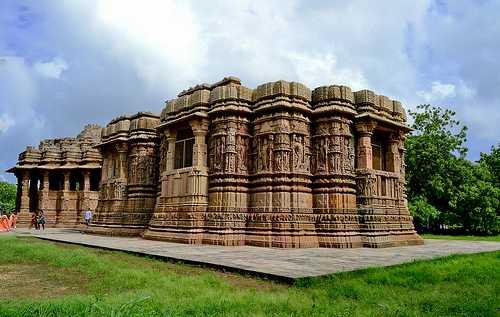
Timings : 7 AM – 7 PM
Time Required : 2/3 hours
Entry Fee : Free
Sun Temple, Borsad exists in Borsad town within Anand district of Gujarat state and worships primarily the Sun God. Visitors that come to worship at the Sun Temple of Borsad acquire divine blessings and find relief from any health issues which bring them sadness. People worldwide travel to the Sun Temple because of their enthusiastic attitude toward it. God revealed the history of temple construction which specifies he ordained its construction.
The Sun Temple of Borsad exists within the urban center of Borsad which belongs to Anand district in Gujarat state. This temple manifests divine unity between Gods because it hosts the Sun Lord together with various deities of the Vaishnav Sampraday, Shiv Sampraday, Devi Sampraday, Swaminarayan Sampraday, Ramanand Sampraday, Dutt Sampraday, Jalaram Bapu of Virpur and Saibaba of Shirdi. The Borsad Sun Temple attracts devotees through its divine blessings that relieve visitors from medical conditions which threaten their well-being and happiness. The Sun Temple receives visitors from every corner of Earth who show great interest in visiting their shrine. The establishment extends sleeping accommodations with evening meals to everyone because of the big number of pilgrims who visit.
History of the temple
Researchers have established little information about this temple’s past origins because God is described to have instructed its construction. A 5 months old baby named Kalpesh started this tale when God became visible through his body causing him to become speechless. A short patch of red powder appeared on the boy’s body because of God’s manifestation before his parents and then vanished. His parents reacted in astonishment because this experience should never have occurred. When the temple concept became solid God provided inspiration to all those who were actively participating in temple construction. Nadidad became home to the public trust registered for the temple after its construction in 1972. Non-profit Suryanarayan Sevashram Trust Fund Corporation exists both in Illinois at Elkgrove village U.S.A and at Nadidad as public trusts from 1996.
The sun worship temple exists in Borsad close to Vadodara within Gujarat State boundaries.
A place of worship for followers of the Sun God and other deities.
Visitors can access Surya Mandir in Vadodara through this specific route
The local town of Borsad enables easy transportation to all major cities in Gujarat through rail networks as well as road systems. The main city of Gujarat Vadodara maintains round-the-clock State Transport bus service to Borsad. There are two daily trains that allow travelers to reach Borsad after departing from Vadodara train station en route to Kathana. Travelers can easily access the Sun Temple through State Highway No. 6 which leads directly to its location. Borsad connects to Vadodara Airport through a 40-kilometer distance and the major town of Gujarat Ahmedabad exists 90 kilometers away from Borsad using State Transport bus services.
12. Makarpura Palace
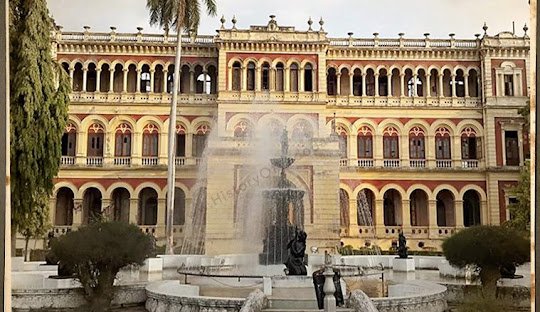
During 1870 the royal Gaekwads of Vadodara built Makarpura Palace to function as their summer residence. The builders established this magnificent structure during 1870 by combining Italian architectural principles with royal greatness. The palace remained unused since the Gaekwad family spent their summers at the cooler Nilgiris location in Tamil Nadu.
Architectural Grandeur of Makarpura Palace
The palace showcases Italian artistic skills through elaborate carvings and ornate pillars and majestic arches in its structure. The majestic structure gained recognition for its remarkable status because of its expansive gardens along with its fountains which complemented its noble charm. This European-style construction distinguishes Makarpura Palace from all other Vadodara royal residences thus creating an exceptional place for the architectural history of the city.
Transformation Over Time
The Gaekwads neglected to use Makarpura Palace as a summer palace primarily because they preferred other locations. The palace went through renovation to adapt to contemporary Indian requirements before its new purpose was established. The building functions as the No.17 Tetra School training institution for the Indian Air Force personnel.
Restricted Access and Current Usage
Permission to enter Makarpura Palace is denied to all civilians because ofongoing security concerns in this strategically important area. The palace stands as a royal historical monument for Vadodara because the public does not have access to its interior sections.
Why Makarpura Palace is Significant
- Historical Importance: Built by the Gaekwads as a summer retreat in 1870.
- Italian architectural inspiration led to buildings with magnificent designs accompanying well-kept gardens as its main features.
- The facility operates as an Indian Air Force training center in current times.
- Although public access is restricted the palace serves as a landmark which represents both the historic and present-day developments of Vadodara.
13. Aurobindo Ashram
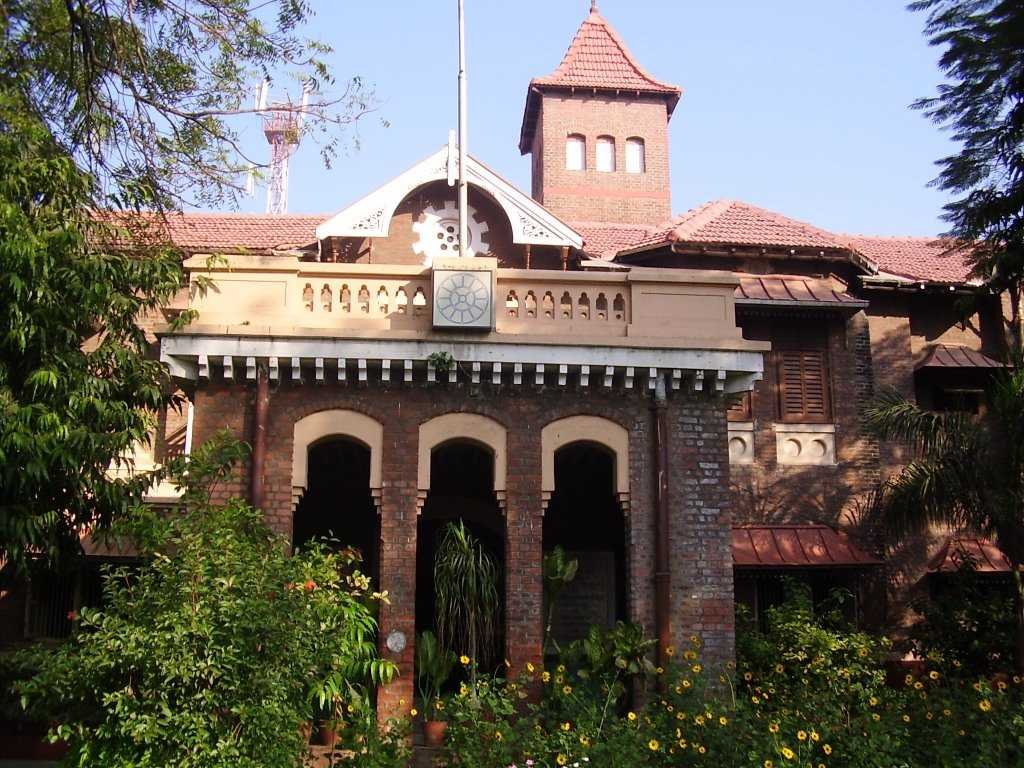
During the period from 1894 to 1906 while living in Baroda Aurobindo Ghosh inhabited the establishment known as the Aurobindo Ashram or Arvind Ashram or Auro Nivas. Aurobindo Ashram found its place at the Dandia Bazar section of Vadodara in Gujarat and achieved fame and reverence across southern areas of the state.
The Aurobindo Ashram consists of 23 rooms and contains a library as well as a study room and sales emporium. Aurobindo’s relics along with all rare books about and authored by him exist in this location. Any person interested in meditation along with spirituality or The Mother can access the ashram. The Mother received her original name Mirra Alfassa from Sri Aurobindo as she served as his disciple and collaborator. Based on his divine insight Shri Aurobindo recognized Mirra Alfassa as Mother Divine so he bestowed upon her the name The Mother. The Arvind Ashram operates as a memorial established by the nation and it received numerous influential visitors during its original operation. All visitors value the tranquil environments throughout the meditation areas and throughout the campus.
History of Aurobindo Ashram
Aurobindo Ghosh maintained his activities as private secretary to HH Sayajirao Gaekwad III, the Maharaja of Baroda at this ashram. During this period Aurobindo Ghosh served simultaneously as English teacher then as Baroda College vice-principal and lecturer. The increasing recognition of Sri Aurobindo made him well-known throughout the world as both philosopher and social and political thinker and freedom fighter and yogi who became known as Sri Aurobindo. Reputable figures such as Lokmanya Tilak, Bipin Chandra Pal, Sister Nivedita and Sakharam Ganesh Dueskar along with other visitors came to this bungalow during those times. His wife Mrinalini Devi and sister Sarojini Devi as well as his younger brother Barindar Kumar Ghose who became a well-known freedom fighter added regular appearances to his list of visitors.
The institution known as Sri Aurobindo Society in Baroda asked state authorities for bungalow control to create a memorial facility. On September 29 in 1971 the Government of Gujarat completed the process of bungalow transfer to the recipients after their thorough assessment phase. Sri Aurobindo memorial was established at the bungalow on permanent basis after its completion.
Architecture of Aurobindo Ashram
The Aurobindo Ashram rests within large red-brick walls that surround pleasant gardens. The building presents an old English bungalow look through its combination of tall towers with wooden white window frames. Visitors can find that the ashram grounds reach high standards of upkeep and grounding cleanliness. The ground floor includes a library and the main ashram office as well as an exhibition hall beside a shop displaying natural products for sale. Consumers can acquire soaps along with honey and fragrance oils as well as medicines and incense sticks and books from this store.
The meditation hall exists on the first floor of the Arvind Ashram. The meditation hall consists of numerous interconnected small and large rooms instead of being one extensive space. Inside the halls there exists complete silence even with the loud outdoor traffic created by heavy vehicular movement. The meditation hall attracts people who practice meditation while being unresponsive to their environment.
Shri Aurobindo Jeevan Darshan
A permanent photo exhibition established in 1993 became one of the commemorative displays celebrating Sri Aurobindo’s homecoming Centenary Year at the Aurobindo Ashram main building. Visitors stop at the exhibition to observe his life events and chosen writings as it welcomes many daily visitors. Hundreds of visitors from many distances travel to the memorial site to express respect for Sri Aurobindo.
14. Jambughoda Wildlife Sanctuary
Timings : 6:00 AM – 7:00 PM
Entry Fee : INR 50
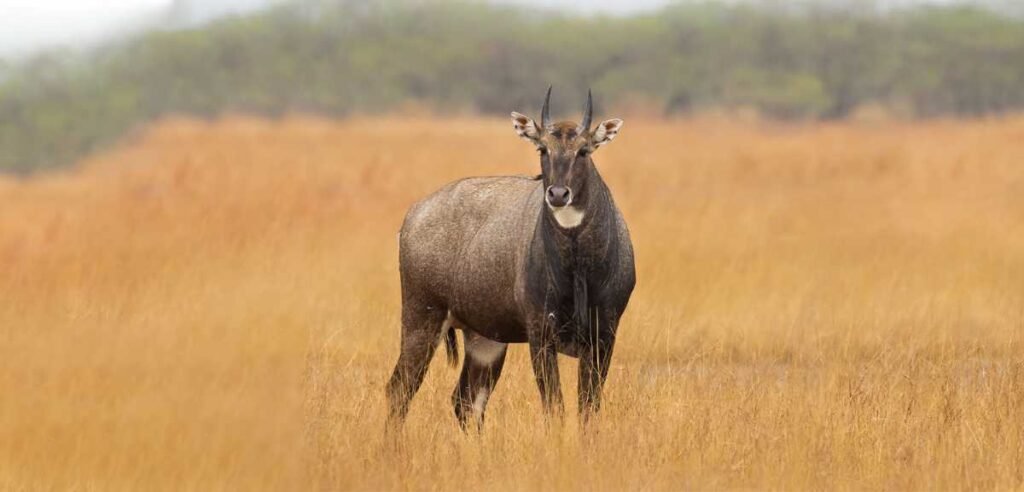
Jambughoda Wildlife Sanctuary finds its location within Central Gujarat to provide an oasis for wildlife fans and nature enthusiasts. The authorities established the sanctuary during May 1990 and currently it extends 130.38 square kilometers over Panchmahal district. The sanctuary stands out as a major ecological site in Gujarat because of its forested hills together with its diverse animals and its abundant green landscape.
A Rich and Diverse Ecosystem
The sanctuary exists 70 kilometers distant from Vadodara while being situated 20 kilometers away from Champaner. Multiple wildlife species thrive in the territory because it consists mainly of teak mahua bamboo thickets. The sanctuary features several significant animal species that include:
- Leopards – The apex predators of the sanctuary.
- Sloth Bears reside frequently in the thick woodland areas.
- Chausinghas (Four-horned Antelopes) – A rare and fascinating species.
- The Barking Deer often exist alongside Nilgais (Blue Bulls) as common herbivore species of the area.
- The sanctuary benefits from a thriving carnivorous community that includes the wild boar and jackal and hyena species.
Picturesque Water Reservoirs
The sanctuary becomes more biodiverse and attractive due to its two major water reservoirs called Kada and Targol. Birdwatching and nature photography become possible at this location because the reservoirs attract numerous bird species.
Visitor Information and Best Time to Visit
The wildlife sanctuary allows visitors during its daily operational hours from 6:00 AM until 7:00 PM.
Entry Fee: Rs 50 per person.
The best season to visit the sanctuary runs between October to May because this period provides perfect weather conditions to observe wildlife while exploring the outdoors.
Visitors who wish to stay longer can choose from the Forest Rest House accommodations situated near Kada reservoir where they can relax amidst natural surroundings.
15. Nyaya Mandir
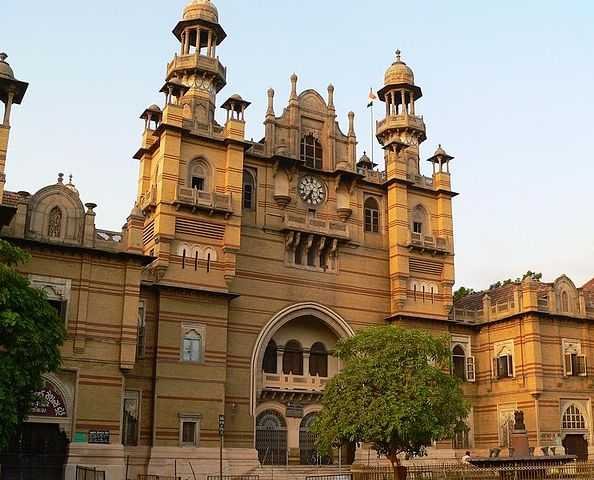
Nyaya Mandir resides in Vadodara’s center as a grand temple dedicated to justice along with exceptional architectural design. The District Court of Vadodara functions in this historic structure that maintains its relevant status as a major city landmark.
Architectural Excellence of Nyaya Mandir
Portuguese architect Robert Fellowes Chisholm who worked in Madras during that period designed Nyaya Mandir using Indo-Saracenic and Mughal architectural elements. The court building stands as a masterful architectural masterpiece because its various elements from multiple cultures result in being one of India’s most visually stunning judicial facilities.
The structure contains a remarkable artwork which features Maharani Chimnabai who became the first wife of Maharaja Sayajirao Gaekwad III. The statue has enriched the ancient historical value of this structure by honoring Vadodara’s royal heritage.
A Symbol of Justice and Heritage
Through its historic significance Nyaya Mandir operatess as the District Court of Vadodara while serving the judicial framework of the city. The structure exemplifies historical and administrative judicial heritage in the region since it functions as an integral element of Vadodara’s administration.
Why Nyaya Mandir is Significant
- As the District Court of Vadodara it maintains an essential position in preserving the judicial system.
- Robert Fellowes Chisholm applied his creative talent to develop this building as a combination of Indo-Saracenic and Mughal architectural design.
- Vadodara visitors can find a sculpture of Maharani Chimnabai at this location due to its royal historical link.
- The mandir stands at the city center which positions it as a significant city landmark.
realted articles ; 5 Best Places to Visit in Mehsana for a Historical and Spiritual Tour





Pingback: 10 Best Places to Visit in Jamnagar – Explore History & Nature