

Now Reading: Top 5 Best Places Visiting in Buxar for History, Spirituality & Culture
-
01
Top 5 Best Places Visiting in Buxar for History, Spirituality & Culture

Top 5 Best Places Visiting in Buxar for History, Spirituality & Culture
1. ramrekha ghat
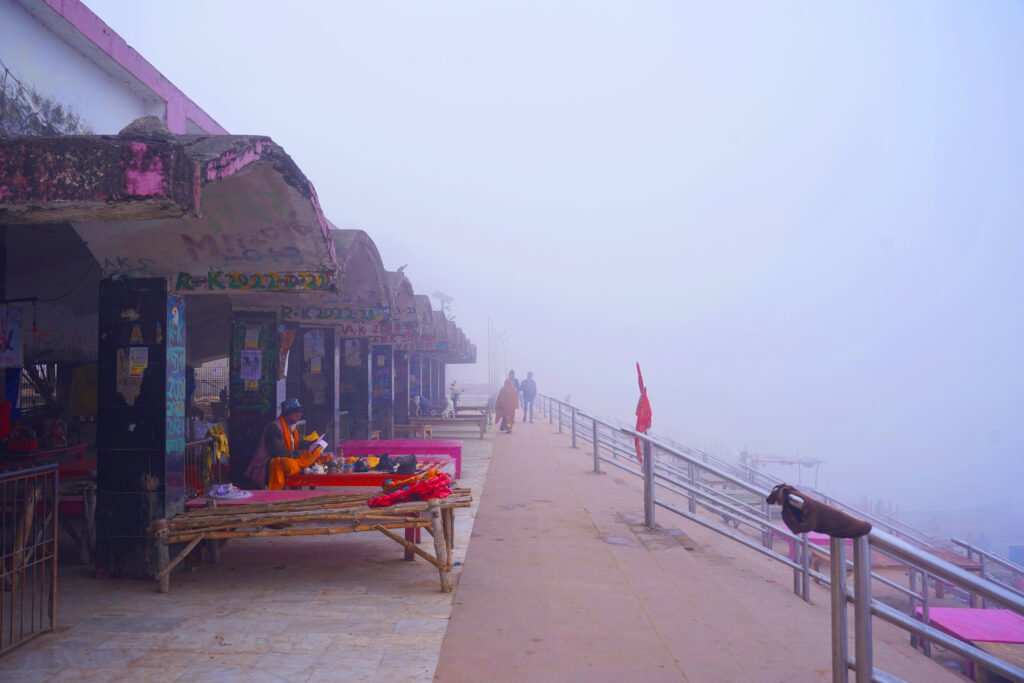
Ram Rekha Ghat stands as a sacred religious location near the banks of Ganges throughout Buxar district in Bihar. The speculative association between Ram Rekha Ghat stands at historical and spiritual importance because of its relation to both the Ramayana period and its link to Lord Shri Ram. Devotees and pilgrims travel from distant locations to visit Ram Rekha Ghat because its rich mythology increases the sacred value of this religious site.
This article unveils the mystical stories and religious value while sharing visitor guidelines about the Ram Rekha Ghat holy site.
Legend states that after Lord Shri Ram defeated the demoness Tadka he received an accusation for the crime of female murder. To relieve himself of his wrongdoing Lord Ram bathed at Ram Rekha Ghat located by the Ganges near Buxar.
At the ghat Lord Ram created a Shivling from clay before completing his religious ritual worship. Lord Ram began performing jal abhishek on the Shivling made from soft clay but the water revealed the destruction caused by such baths on the sacred stone. Due to his desire to safeguard the Shivling Lord Ram kept his hand resting upon it. The Shivling received a divine imprint from the hand of Lord Ram at the same moment that his footprints appeared in the surrounding earth. Religious believers consider these sacred marks to still exist at Ram Rekha Ghat thus turning it into an essential pilgrimage location.
The Shivling located at Ram Rekha Ghat draws continuous devotion from people who value its sacred nature. Many people go to this sacred location to perform religious rites during which they give prayers together with seeking divine benefits. Devotees find peace through the peaceful environment at the ghat which draws power from Lord Ram’s spiritual presence.
A massive number of faithful people arrive at the ghat to worship and observe Ram Navami and Mahashivratri rituals. Religious worshippers consider the Ganges River to be sacred enough that they perform a ritual bath in its waters because they believe this contains both cleansing power and spiritual benefits.
People visiting Ram Rekha Ghat can appreciate both religious and scenic elements because the location displays breathtaking views of the Ganges while presenting beautiful natural scenery. The peaceful environment formed by the river water and natural vegetation at the ghat creates an improved prayer experience for all attendees.
The platform together with other structures at this ghat exhibits simple design principles which preserve sacredness from Hindu holy traditions. Informative markers with historical details and mythological explanations about the site can be found throughout the area.
Best Time to Visit
The most suitable period for enjoying Ram Rekha Ghat lies between October through March when outdoor activities take place under pleasant atmospheric conditions. The spiritual ambiance reaches its peak whenever visitors choose to come for Ram Navami and Mahashivratri festivals.
Tips for Visitors
The following advice will maximize your visit to Ram Rekha Ghat:
People visiting the sacred site must uphold clean practices and proper manners at Ram Rekha Ghat.
Spiritual enlightenment can be deepened by joining the religious rituals and prayers performed at the ghat premises.
Take a camera to photograph the spiritual ghat atmosphere and breathtaking scenery while complying with any camera bans in the vicinity of the Shivling.
The nearby historical sites Buxar Fort and Siddhashram are both accessible to Buxar visitors.
2. Chausa
Chausa exists in the Buxar district of Bihar where it maintains remarkable historical importance. This location gained fame because of its critical role during the decisive Battle of Chausa in Indian medieval history. The area is distinguished by its past prominence and it becomes a magnet for mango enthusiasts because of its sweet fruits during the summer.
Our discussion will focus on the background and vital aspects of the town together with its distinctive landmarks of Chausa.
History
The Battle of Chausa (1539)
Chausa stands out in historical significance because it marked the location where Humayun fought against Sher Shah Suri in the Battle of Chausa during 1539. Sher Shah Suri won the Battle of Chausa to claim Mughal Empire rule in a decisive historical moment. Sher Shah Suri started his Sur Empire after his victory at Chausa in 1539.
Sher Shah Suri gained his title as Farid al-Din Sher Shah while making administrative changes in battle that became important for the Mughal Empire.
The administrative legacy of Sher Shah Suri includes creating a standardized currency system and building the Grand Trunk Road which became his notable infrastructural projects. Chausa victory became the foundation that established Sher Shah Suri as both an authoritative ruler and talented strategist.
Mango lovers should schedule their visit to Chausa specifically within the summer months between May and July.
Visitors should plan their trip to Chausa for mango consumption during summer specifically May through July when mangoes reach their seasonal peak. Mango lovers who visit Chausa can purchase fresh Chausa mangoes as they shop in local markets during the seasonal mango period.
Best Time to Visit
When pursuing historical sites during the weeks of October through March is the most suitable time to visit.
Those who love mangoes should plan their visit between May and July to appreciate the renowned Chausa mango harvest.
Tips for Visitors
Before traveling to Chausa seek information about the Battle of Chausa because it will deepen your understanding of its historic value.
During summer people should definitely taste the renowned Chausa mangoes because they are a regional delicacy.
The local population invites guests to spend time in their markets while they discover the dynamic Chausa cultural traditions.
Photo documentation requires a camera thus visitors should bring one for taking pictures of historical sights and scenic scenery.
3. Navratan ghar kila
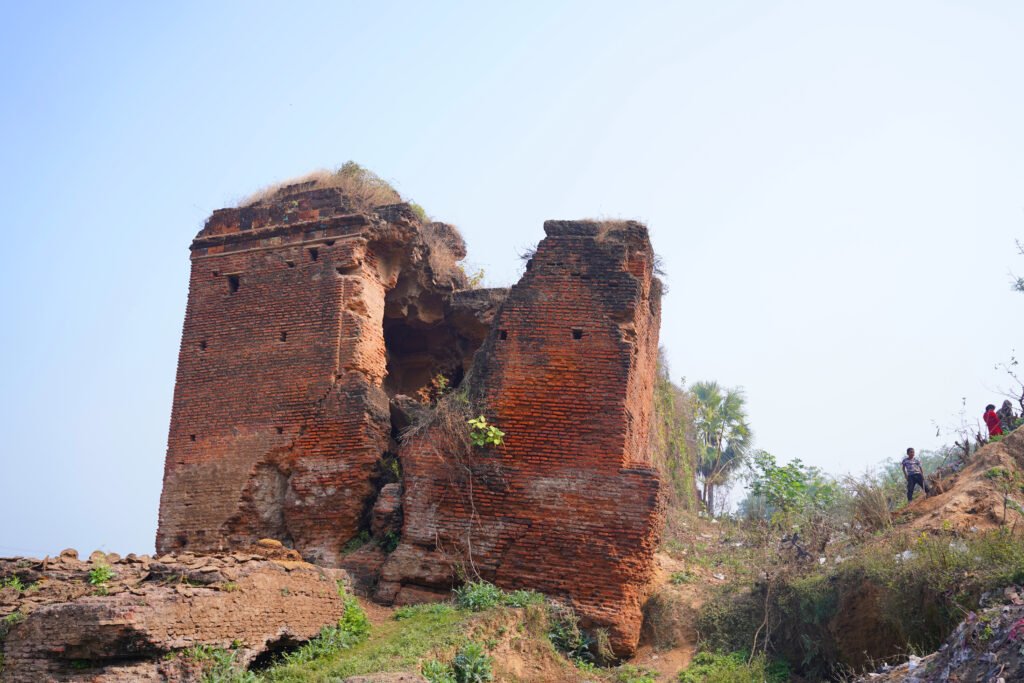
The historical landmark known as Navratangarh Kila survives today under its alternate name Raja Bhoj Ka Kila within the Buxar district of Bihar. Rajasthan’s past historical story and architectural excellence shine through this venerable site. History enthusiasts along with heritage lovers and travelers should visit Navratangarh Kila to experience its ancient ruins which stand as quiet reminders of a previous generation because the site shines as an essential destination representing Bihar’s less familiar treasures.
This article investigates the historical background while examining the structural value and all essential details regarding the Navratangarh Kila.
History
Raja Bhoj remains celebrated through ages for his leadership skills combined with his support for art and culture while Navratangarh Kila bears the reputation as the legacy of this wise and daring monarch. The establishment took on an essential role to defend and administer the territory when it was at the height of its glory. Today the ruined state of Navratangarh reveals the magnificent lifestyle that prevailed at this site during its heyday.
Ancient fortifications designed for protecting the kingdom from enemy forces have established this site as a vital military organization during the past era following its geographical placement.
Other than being a remarkable architectural structure Navratangarh Kila embodies the cultural history of the region. Numerous tales and local myths have developed from the fortress leading to its magical and attractive nature. Guests find opportunity to participate with residents whose knowledge extends to fort traditions and historical royal background.
Best Time to Visit
The winter season (October to March) represents the optimal period to see Navratangarh Kila due to its pleasant climate that enhances sightseeing at the fort and its surrounding areas.
Tips for Visitors
Visitors should follow these recommendations during their trip to Navratangarh Kila:
- When visiting the site you must wear shoes with good support because the environment has rough terrain.
- Visitors should transport water supplies along with small snacks because the area near the fort lacks many service stations.
- Due to its historical significance as a ruin sites visitors need to preserve cleanliness while refraining from destructive activities.
- Don’t forget your camera to record tropical wonder and remarkable architectural designs of the fort.
4. Brahmeshwarnath temple
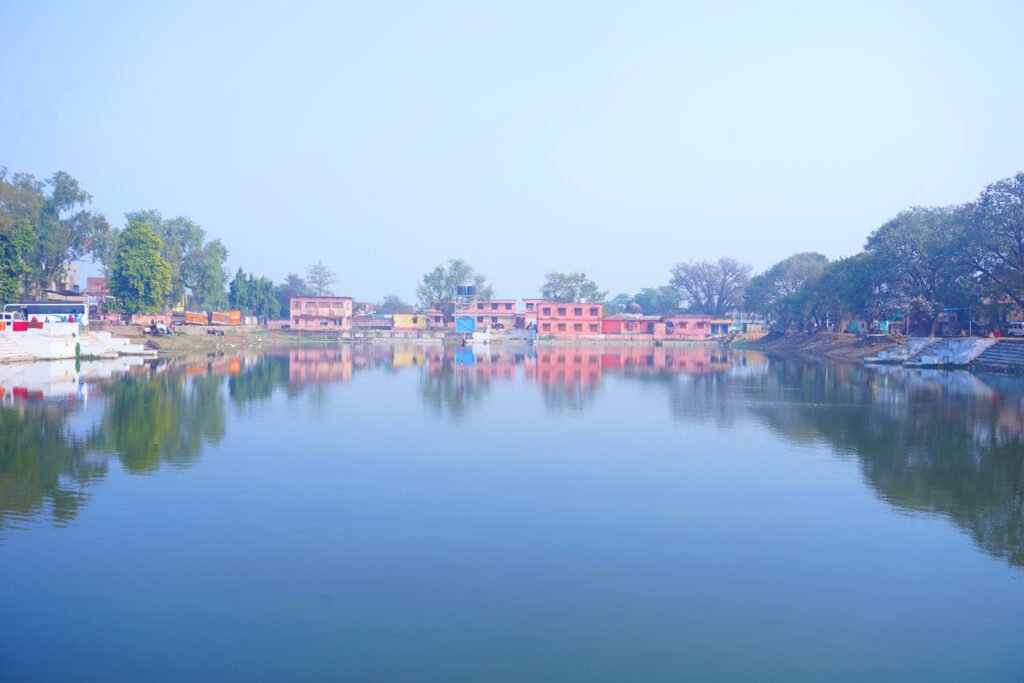
Sheer majesty defines Raja Bhoj Ka Kila but visitors know it better as Navratangarh Kila where it resides in the Buxar district of Bihar. The ancient fort silently maintains its status as an important historical monument of the region while welcoming history enthusiasts heritage lovers and people curious about local heritage. The ruined ruins and tales of heroism position Navratangarh Kila as an essential cultural and historical landmark of Bihar.
This blog explores Navratangarh Kila from multiple angles including its historical development and architectural features alongside its cultural significance and provides useful visitation advice.
History
Navratangarh Kila carries strong historical ties to Raja Bhoj whose fame rests on his brilliant character and extensive support of arts and territorial defense as well as cultural patronage. As a defensive fortification the British built the structure to protect the kingdom from potential threats. The passing years have destroyed many parts of Navratangarh Kila yet its remaining fragments create powerful sensations among modern visitors.
Several local myths have developed around the site because people share accounts of historical battles and royal schemes alongside descriptions of its majestic architecture.
Best Time to Visit
The most suitable period to see Navratangarh Kila appears in the winter season between October to March when temperatures remain mild. The pleasant winter months provide the opportunity for visitors to explore the ruins without difficulty while enjoying the scenic environment.
Tips for Visitors
Visitors should remember these important points when visiting Navratangarh Kila:
- People visiting Navratangarh Kila should wear sturdy walking shoes because they need protection against the uneven ground throughout their exploration.
- Sustaining your visit demands you bring water alongside snacks while using sunscreen particularly for daytime trips.
- The historical site needs visitors to maintain respect through the prevention of both littering and actions that could potentially damage the ruins.
- No visit to the fort should end without talking to locals for both historical knowledge and supernatural stories about the site.
- Your journey will be incomplete without a camera to record your experience of the fort because its charm transcends time.
5. Buxar fort
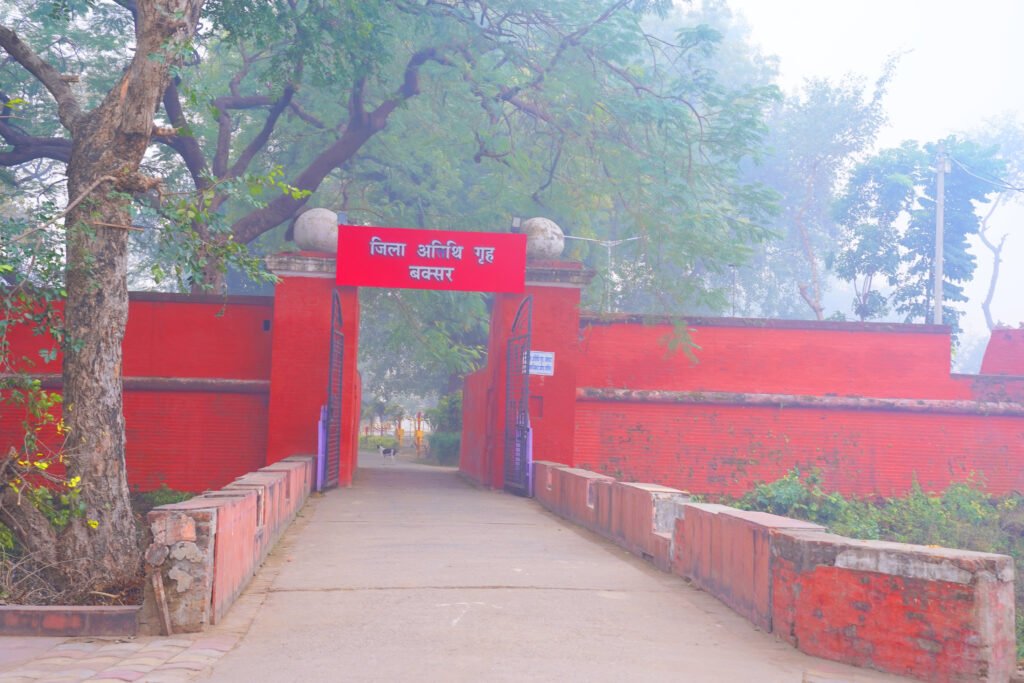
The Buxar district of Bihar brings us Buxar Fort which stands as an important historical monument with great cultural value. The fort proudly showcases its grand architectural design close to the holy Ganges River because of its prime riverfront position. Time travel happens when you visit Buxar Fort because this remarkable structure enables visitors to observe Bihar’s magnificent past and the excellent architecture from ancient times.
This blog explores everything about the magnificent Buxar Fort including its historical development its architectural features and visitor tips.
History
The past of both Bihar and northern India and its future were fundamentally shaped by Buxar Fort. The ancient construction that dates back centuries has observed many historical events starting with battles followed by administrative changes and the collapse and growth of numerous empires throughout its time. The Ganges strategic position turned Buxar Fort into a strategic military outpost that defended the area from invaders and enhanced trade routes and transportation.
Several traditional stories linked to Buxar Fort contribute to its strong mythical element. Today this heritage site welcomes every year a large number of history enthusiasts archaeologists and tourists who come from distant regions to visit it.
Building techniques along with artistic mastery characterize the architectural design of Buxar Fort. Time has caused damage to the structure but the comprehensive design of the fort remains visible for its visitors to appreciate. Key architectural features include:
- Gigantic Fort Walls and Ramparts served two functions: they ensured fortification against enemy attacks while providing complete security for the inhabitants.
- Watchtowers together with Bastions serve both military defensive purposes while allowing visitors to see extensive views across the surrounding territory.
- Specimens of excellent art from the time period characterize both the fort’s elaborate gate structures and entry points.
- Visiting both inner courtyards with ruins reveals understanding about how residents lived in the fort’s prime and provides knowledge about its historical layout.
Buxar Fort stands beyond its architectural mastery to embody historic cultural customs of the region. The fort stands as a silent keeper of history while emanating an eternal majestic aura through its walls due to its role as a scene of many regionally important events. Most visitors interact with local people to hear traditional accounts dating back to generations as well as the history of the fort.
Best Time to Visit
Visitors should choose the winter season between October and March when the climate is comfortable for exploring Buxar Fort and its historic regions.
Tips for Visitors
- Experiencing Buxar Fort will be improved by keeping these suggestions in mind.
- Before entering the fort it is crucial to wear suitable footwear because walking on irregular surfaces demands strong shoes.
- Visitors should bring necessary items such as water along with snacks and sunscreen especially when they plan to spend time under the afternoon sun.
- Upkeep of Buxar Fort depends on visitors who practice both refuse management and structural maintenance protection.
- Considering local guidance for the fort is suggested when planning a visit to enhance historical understanding about its significance.
- Your journey will be more memorable when you take photographs of the unending majestic beauty found in the fort.
Related articles : Best Places Visiting in Hailakandi for Nature, Culture & Serenity







Pingback: Best Places Visiting in Darbhanga – Explore Bihar's Cultural Gem