
Now Reading: Top 20 Tourist Places in Chad
-
01
Top 20 Tourist Places in Chad
Top 20 Tourist Places in Chad
1. N’Djamena – The Capital Gateway to Chad
N’Djamena is the vibrant capital and largest city of Chad, serving as the country’s political, economic, and cultural center. Located on the banks of the Chari River, it is the primary gateway for travelers entering Chad and provides a first impression of the nation’s complex and fascinating identity.
The city blends traditional African life with modern influences. Busy markets, colorful streets, and local restaurants showcase the daily life of Chadians. The Chari River plays a central role in the city’s life, offering scenic views and a source of transportation and trade.
N’Djamena is also a hub for national administration and international organizations, which makes it a center for diplomacy and development efforts. Despite facing challenges like rapid urbanization and infrastructure issues, the city remains resilient and dynamic.
For visitors, N’Djamena offers a chance to understand Chad’s culture, history, and modern realities. From markets to museums and riverfront views, the capital is an essential starting point for any journey through Chad.
2. Zakouma National Park – One of Africa’s Greatest Wildlife Parks
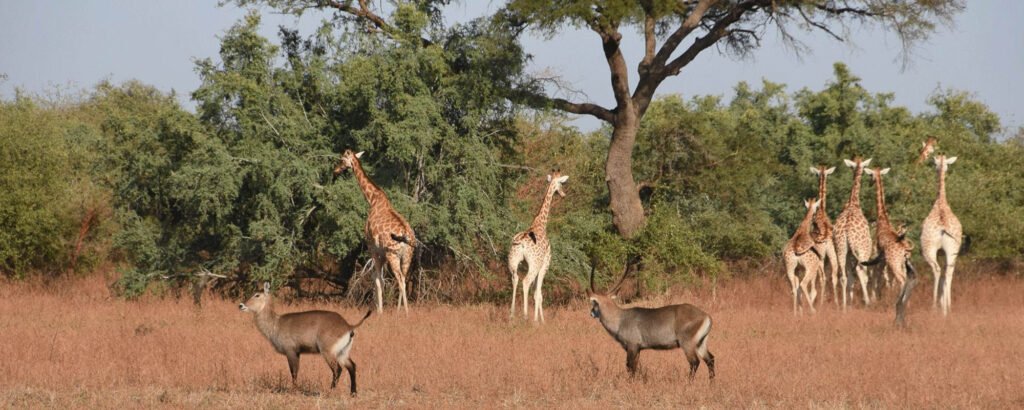
Zakouma National Park is widely regarded as one of Africa’s most important and successful wildlife conservation areas. Located in southeastern Chad, Zakouma is renowned for its large populations of elephants, buffalo, giraffes, lions, and numerous bird species.
Once threatened by poaching, Zakouma has experienced a remarkable conservation success story through international support and strong protection efforts. Today, the park is celebrated for its thriving wildlife and is one of the best places in Africa to witness large herds of elephants in their natural habitat.
The park’s landscapes include savannahs, grasslands, and seasonal rivers. The Salamat River runs through the park, attracting wildlife and creating stunning safari scenes. Guided game drives and boat safaris provide visitors with close wildlife encounters and opportunities for photography.
Zakouma offers a rare chance to see a rich variety of animals in a relatively untouched setting. For wildlife lovers and adventure travelers, it is a top destination in Chad and a must-visit on any African safari itinerary.
3. Ennedi Plateau – The Desert’s Natural Sculpture Gallery

The Ennedi Plateau is one of Chad’s most breathtaking natural wonders. Located in the northeastern region, this sandstone plateau is famous for its dramatic rock formations, natural arches, and ancient rock art.
The landscape looks like a natural sculpture gallery, with towering cliffs, deep gorges, and stunning rock formations shaped by wind and time. The plateau’s unique terrain creates an otherworldly atmosphere, making it a dream destination for photographers and nature lovers.
One of the most fascinating features of Ennedi is its prehistoric rock art. These ancient paintings depict scenes of daily life, wildlife, and early human civilization, offering a window into Chad’s deep history and cultural heritage.
The Ennedi Plateau is also home to small nomadic communities that have lived in the region for centuries. Travelers who visit the area often experience authentic desert life, traditional hospitality, and cultural exchange.
For those seeking adventure and remote landscapes, Ennedi is a must-visit destination that represents the raw beauty and mystery of the Sahara.
4. Tibesti Mountains – Chad’s Volcanic Peaks and Remote Wilderness
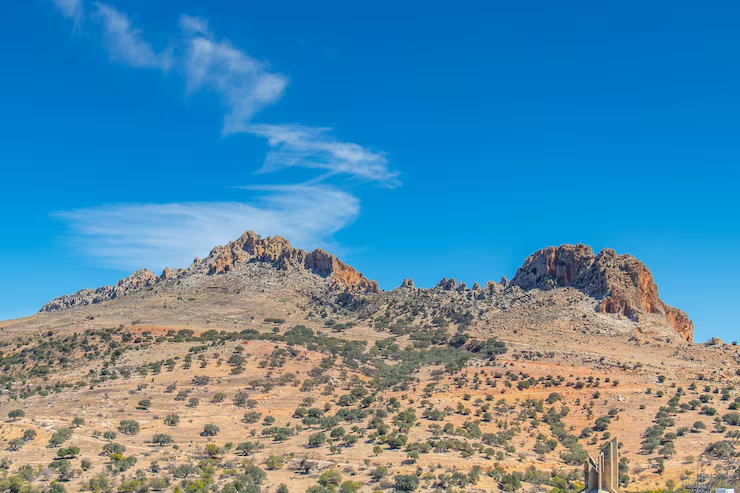
The Tibesti Mountains are the highest and most remote mountain range in Chad, located in the northern Sahara region. This volcanic range is known for its dramatic peaks, including Emi Koussi, the highest mountain in Chad and one of the highest in the Sahara.
The Tibesti region is remote and difficult to access, making it a true wilderness destination. The landscape includes volcanic peaks, deep valleys, and vast desert plains. The mountains provide a unique contrast to the surrounding Sahara, with cooler temperatures and rare highland vegetation.
The area is also culturally significant, home to the Toubou people, who have lived in the region for generations. Travelers visiting Tibesti often experience traditional desert life, ancient traditions, and incredible hospitality.
Due to its remoteness, visiting Tibesti requires careful planning and guided travel. However, for those seeking adventure and extreme landscapes, Tibesti offers an unforgettable experience of one of Africa’s most isolated regions.
5. Lake Chad – A Historic Lake of Life and Survival
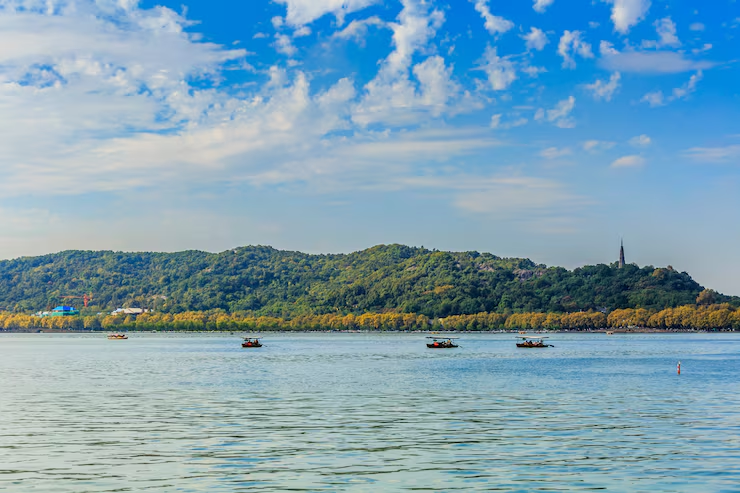
Lake Chad is one of Africa’s most important lakes, located in the western region of Chad and bordering neighboring countries. Once one of the largest lakes in Africa, Lake Chad has dramatically reduced in size over the past decades due to climate change and water usage.
Despite its shrinking size, Lake Chad remains vital for the people and wildlife of the region. It supports fishing communities, agriculture, and livestock, making it a lifeline for millions of people living around its shores.
The lake is also a rich habitat for birdlife and aquatic species. The surrounding wetlands provide important ecosystems for migratory birds and wildlife.
Visiting Lake Chad offers travelers a chance to witness a unique natural landscape and understand the challenges of environmental change. The lake’s history, cultural importance, and ecological value make it a significant destination in Chad.
6. Ounianga Lakes – The Desert’s Miraculous Oasis
Ounianga Lakes are one of Chad’s most astonishing natural wonders and a UNESCO World Heritage Site. Located deep in the Sahara Desert, this group of lakes creates an incredible oasis that seems almost impossible in such a harsh environment.
The Ounianga lakes are divided into two main groups—Ounianga Kebir (large lakes) and Ounianga Serir (small lakes). What makes these lakes extraordinary is that they remain full of water despite being surrounded by endless dunes and dry desert terrain. The reason is a unique combination of underground aquifers, natural springs, and ancient climatic patterns.
The lakes’ waters range from deep blue to green, and the surrounding landscape is shaped by massive sand dunes, rocky formations, and palm trees. The contrast between the bright desert sand and the cool lake waters creates a surreal and unforgettable visual experience.
The Ounianga region is also home to nomadic communities, who have adapted to desert life for centuries. Travelers visiting the lakes often experience traditional hospitality, local culture, and a sense of timeless desert living.
Visiting Ounianga is like stepping into a hidden world, where life thrives against all odds. For photographers, nature lovers, and adventurous travelers, the Ounianga Lakes are a must-visit destination in Chad.
7. Kaoura – The Gateway to the Ennedi Plateau
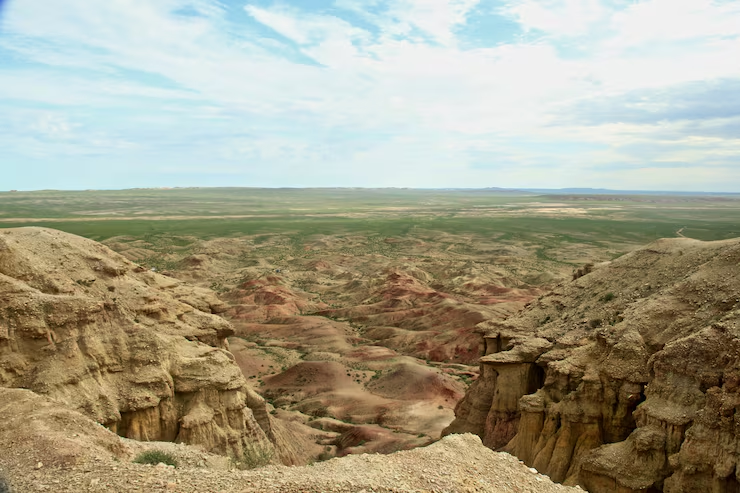
Kaoura is a small town in northeastern Chad that serves as the main gateway to the Ennedi Plateau. Due to its strategic location, Kaoura is a key starting point for travelers planning to explore the famous rock formations, arches, and prehistoric rock art of the Ennedi region.
The town is a simple and traditional desert settlement, offering basic services for travelers and local communities. From Kaoura, visitors can organize guided tours into the Ennedi Plateau, often involving 4×4 vehicles, desert camping, and multi-day journeys.
The area around Kaoura is characterized by desert landscapes, scattered trees, and a sense of vast open space. Travelers who visit Kaoura often do so to experience the true Sahara environment and then continue deeper into the Ennedi Plateau.
While Kaoura itself may not be a major tourist hub, its importance lies in its role as the starting point for one of Chad’s most iconic natural attractions.
8. Faya-Largeau – A Major Town in the Sahara Region
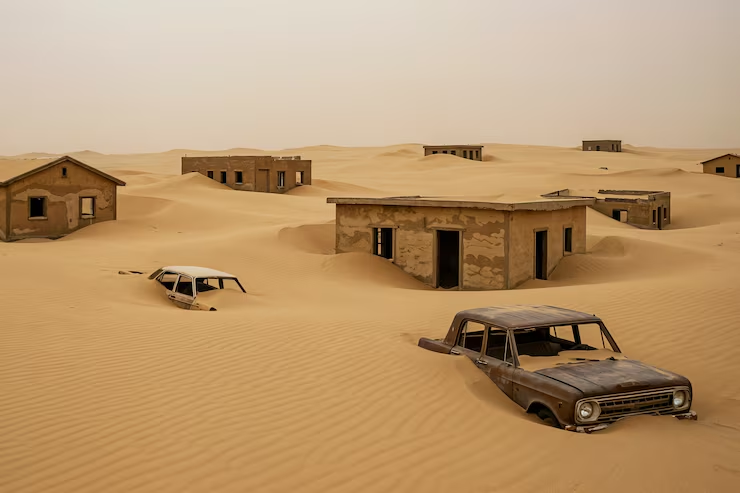
Faya-Largeau is one of the most significant towns in northern Chad and serves as a major center in the Sahara region. Located along the desert landscape, this town plays an important role in administration, trade, and local life.
Faya-Largeau is known for its remote desert environment, with endless dunes and vast open spaces surrounding the town. The region is also rich in mineral resources, including oil and salt, which contribute to its economic significance.
Despite its harsh climate, Faya-Largeau is a key hub for desert communities and nomadic populations. It offers basic facilities, markets, and services for local residents and travelers passing through.
For travelers exploring northern Chad, Faya-Largeau is an important stop due to its location and historical significance. It represents life in the Sahara and provides insight into desert survival and community life.
9. Kirdimi – Historic Desert Town with Cultural Heritage
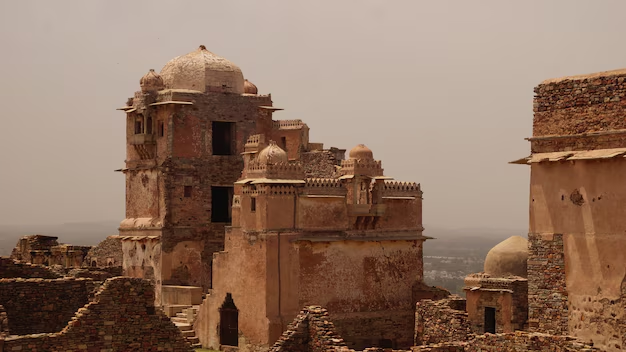
Kirdimi is a historic town located in Chad’s desert region, known for its cultural heritage and traditional way of life. While not widely known as a tourist destination, Kirdimi offers travelers a rare opportunity to explore authentic desert culture and history.
The town is characterized by traditional architecture, desert landscapes, and a strong sense of community. Local markets offer handmade goods, traditional crafts, and everyday necessities for residents.
Kirdimi is also known for its cultural traditions, which are preserved through generations. Visitors can experience local music, storytelling, and traditional ceremonies that reflect the region’s history.
Traveling to Kirdimi requires careful planning and guidance due to its remote location. However, for those seeking genuine cultural experiences and desert authenticity, Kirdimi provides a meaningful and unforgettable destination.
10. Wadi Rimé-Ouadi Achim – The Desert Valley of Rock Formations

Wadi Rimé-Ouadi Achim is a breathtaking desert valley in Chad known for its scenic rock formations and vast open landscapes. The area features unique geological formations, including cliffs, plateaus, and rocky ridges that create dramatic desert scenery.
The valley is an excellent destination for travelers seeking adventure, photography, and exploration. Its remote location makes it a quiet and untouched destination, far from modern tourism.
Wadi Rimé-Ouadi Achim is also rich in natural history and geological significance. The rock formations create a sense of ancient landscapes shaped by time, wind, and natural forces.
For travelers exploring Chad’s desert regions, this valley offers a unique experience of raw natural beauty and geological wonder.
11. Bahr el Ghazal – The Seasonal River of Life and Wildlife

Bahr el Ghazal is a seasonal river system in Chad that plays a crucial role in the country’s ecology and local livelihoods. Located in the southern region, this river area becomes a lifeline during the rainy season when waters rise and flood the surrounding plains.
The seasonal flooding creates fertile wetlands that support agriculture, fishing, and wildlife. Local communities rely on the river for water, food, and transportation, making it an essential natural resource in the region.
Bahr el Ghazal also attracts wildlife, especially during the wet season. The flooded areas become a habitat for birds, fish, and other animals, creating a vibrant ecosystem full of life. This makes it an ideal destination for nature lovers and birdwatchers who want to explore Chad’s natural diversity.
Traveling along Bahr el Ghazal offers a glimpse into the traditional lifestyle of rural Chad. Visitors can witness local farming practices, fishing activities, and the daily rhythm of life shaped by the river’s seasonal changes.
The river’s changing nature reflects the dynamic relationship between humans and nature in Chad. Bahr el Ghazal is a living example of how water can transform landscapes and sustain life in challenging environments.
12. Guelta d’Archei – The Desert Pool with Crocodiles
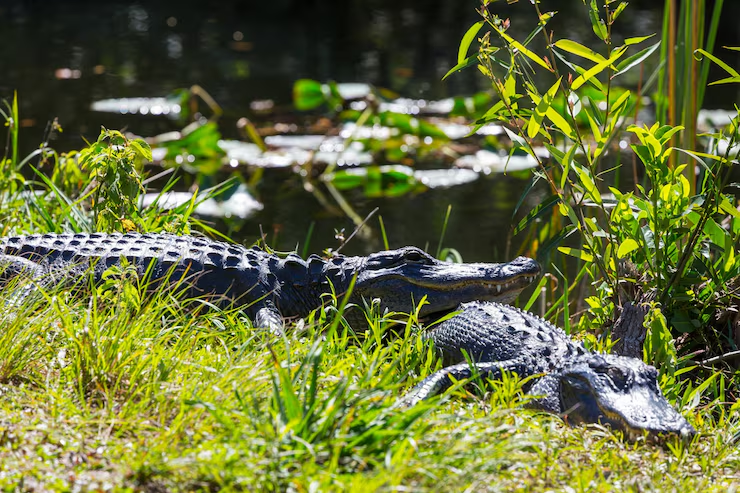
Guelta d’Archei is one of Chad’s most famous natural attractions, known for its dramatic desert setting and rare population of desert crocodiles. Located in the Ennedi Plateau region, this natural pool is surrounded by towering cliffs and rocky formations, creating a breathtaking desert oasis.
The pool is a rare source of water in the arid landscape, making it a vital refuge for wildlife. The desert crocodiles living here are among the most unique in the world, adapted to survive in extreme conditions.
Visiting Guelta d’Archei is an unforgettable experience. The dramatic cliffs, the blue water, and the presence of crocodiles create a surreal scene in the heart of the Sahara. The area also offers opportunities for hiking, photography, and experiencing the raw beauty of the desert.
Guelta d’Archei is not just a natural wonder—it is a symbol of survival and resilience in one of the harshest environments on Earth.
13. Goz Beïda – A Town Near Eastern Natural Landscapes
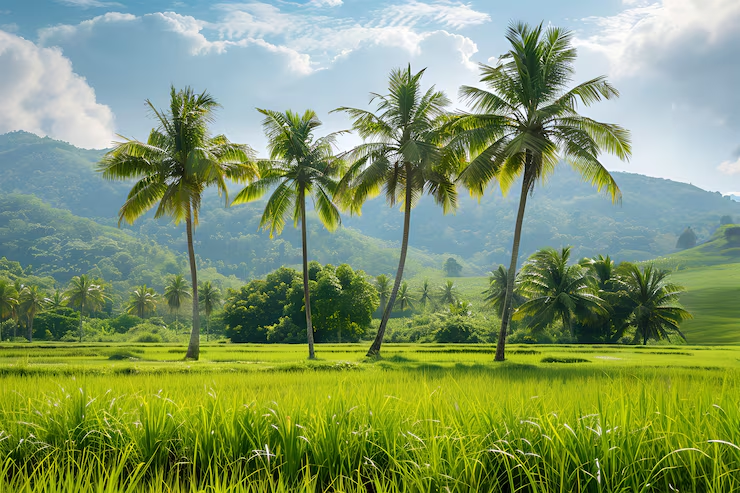
Goz Beïda is a town located in eastern Chad, near natural landscapes and remote regions. It serves as a gateway to the eastern areas of the country, which are known for their wilderness and desert beauty.
The town provides basic services for local communities and travelers passing through the region. The surrounding landscapes feature open plains, seasonal rivers, and desert terrain.
Travelers visiting Goz Beïda can experience rural life, traditional communities, and the natural beauty of eastern Chad. The area is less visited by tourists, offering a sense of authenticity and quiet exploration.
While Goz Beïda may not be a major tourist destination, its importance lies in its role as a gateway to remote landscapes and desert adventures.
14. Sarh – The City on the Chari River

Sarh is a major city located along the Chari River in southern Chad. It is one of the country’s most important urban centers and serves as a gateway to southern regions and natural landscapes.
The Chari River is central to Sarh’s identity, providing water for agriculture, transportation, and daily life. The city is surrounded by fertile land, making agriculture a major part of the local economy.
Sarh is also known for its local culture, markets, and community life. Traditional crafts, food markets, and daily activities create a vibrant atmosphere that reflects southern Chad’s cultural diversity.
The city’s location near the river also makes it a starting point for exploring nearby natural areas, including wetlands and wildlife habitats. For travelers interested in understanding Chad’s agricultural life and river culture, Sarh offers a meaningful experience.
15. Moundou – Chad’s Second Largest City and Cultural Hub
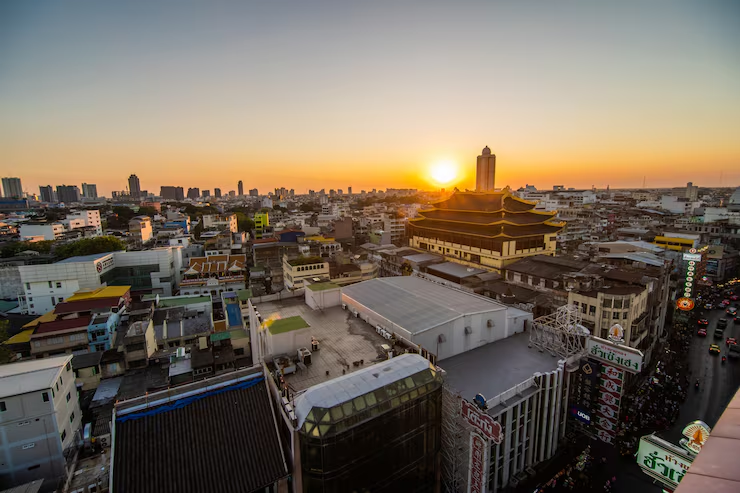
Moundou is the second-largest city in Chad and an important center of culture and economy in the southern region. Located in the Logone Occidental area, Moundou is known for its lively markets, diverse communities, and local traditions.
The city is also famous for its local beer, which is a popular part of the social culture. Breweries and local markets are common meeting points for residents, creating a lively and social atmosphere.
Moundou is surrounded by agricultural land and supports many industries related to farming and trade. The city is a major commercial center, connecting rural communities with urban markets.
Visitors to Moundou can experience the vibrant culture of southern Chad, including local food, music, and daily life. It’s a city where tradition meets modern growth, and where the local community plays a central role in shaping the city’s identity.
16. Koumra – City Near Wetlands and Natural Landscapes
Koumra is a town located in southern Chad, known for its proximity to wetlands and natural areas. This region is characterized by fertile land and seasonal waterways, which support agriculture and local wildlife.
Koumra’s landscape includes wetlands that become lush and green during the rainy season. The surrounding areas are rich in biodiversity and provide habitats for birds, fish, and other wildlife. This makes the region appealing for nature lovers and travelers interested in exploring rural Chad.
The town serves as a local commercial center, connecting nearby villages and agricultural communities. Markets in Koumra offer fresh produce, traditional goods, and daily necessities.
For travelers, Koumra is an opportunity to experience the quiet life of southern Chad and observe the region’s natural beauty. It’s a destination for those who enjoy slow travel and authentic cultural experiences.
17. Massakory – Town Near Lake Chad with Local Markets
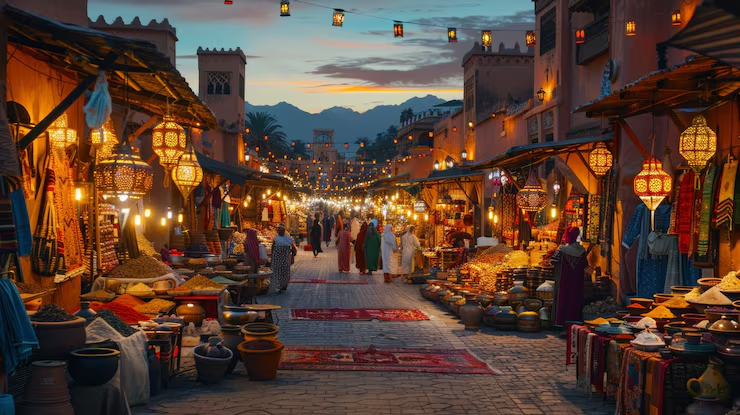
Massakory is a town located near the shores of Lake Chad, making it an important local hub for trade and community life. Its location near the lake provides access to fishing, agriculture, and transportation.
Local markets in Massakory are lively and vibrant, offering fresh fish, produce, and traditional goods. Visitors can experience the daily life of the region and observe how the lake supports the local economy.
The surrounding area includes wetlands and natural landscapes that attract birds and wildlife. Travelers can explore the region to see the impact of Lake Chad on local communities and ecosystems.
Massakory is an important stop for those traveling to Lake Chad, offering a glimpse into the cultural and economic life of the area.
18. Abéché – Historic Town with Old Markets and Traditions
Abéché is a historic town located in eastern Chad, known for its cultural heritage and traditional markets. It has long been an important center of trade and culture in the region.
The town’s markets are full of local goods, including handmade crafts, textiles, spices, and traditional food. The market atmosphere reflects Chad’s cultural diversity and long history of trade.
Abéché is also known for its historical significance and traditional architecture. The town has served as a center for regional trade routes and cultural exchange for many years.
Visitors to Abéché can experience authentic Chadian culture, traditional community life, and the energy of one of the country’s oldest towns.
19. Koro Toro – Wildlife Reserve and Fossil Discovery Site
Koro Toro is a wildlife reserve and paleontological site in Chad, known for its unique natural environment and important fossil discoveries. The area is part of Chad’s protected regions and offers significant scientific value.
Koro Toro is famous for fossil remains that have helped researchers understand prehistoric life in Africa. These discoveries include ancient mammals and other species that reveal the region’s ecological history.
The wildlife reserve also supports local biodiversity, with natural habitats for animals and birds. Visitors interested in nature and science can explore the region’s landscapes and learn about its significance in paleontology.
Koro Toro is a destination for travelers who appreciate natural history and want to experience one of Chad’s most scientifically important regions.
20. Koundoul – Desert Nature Area with Sand Dunes
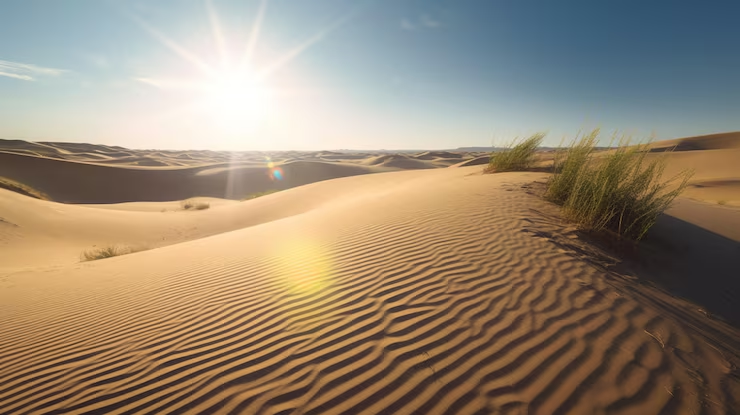
Koundoul is a desert nature area known for its sand dunes and remote landscapes. Located in Chad’s arid regions, this area offers a pure desert experience with wide open spaces and dramatic dune formations.
The landscape is ideal for adventure travel, including desert trekking, photography, and exploring remote wilderness. The sand dunes create beautiful patterns and textures, especially during sunrise and sunset.
Koundoul is also a place where visitors can experience the quiet and stillness of the Sahara. The vast open desert provides a sense of freedom and solitude, allowing travelers to connect with nature in a deep way.
For those seeking a true desert adventure, Koundoul is a destination that showcases the raw beauty and silence of Chad’s desert regions.