
Now Reading: Top 5 place to visit in Bigene
-
01
Top 5 place to visit in Bigene
Top 5 place to visit in Bigene
🌍 1. Bigene – The Quiet Riverside Destination of Northern Guinea-Bissau

Bigene is a peaceful rural town located in the lush northern region of Guinea-Bissau. Surrounded by rivers, wetlands, forests, and fertile farmland, Bigene offers visitors a calm atmosphere where traditional village life and natural beauty remain closely connected.
Unlike crowded tourist destinations, Bigene provides an authentic experience of rural West Africa. Visitors traveling through the region can enjoy quiet countryside scenery, traditional farming communities, and warm hospitality from local people who continue to preserve cultural traditions passed down through generations.
The town is especially known for its agricultural landscapes, tropical vegetation, and proximity to important waterways that support fishing and farming activities throughout the region.
Bigene remains one of Guinea-Bissau’s hidden natural destinations ideal for eco-tourism and cultural exploration.
🌊 2. Cacheu River Tributaries – Canoe Adventures & Wetland Beauty
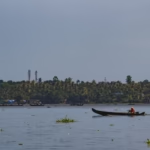
The waterways surrounding Bigene form part of the larger Cacheu River system, creating peaceful wetland environments filled with mangroves, fishing villages, and tropical scenery.
Visitors can explore these calm rivers using traditional wooden canoes while observing fishermen working with handmade nets and local communities traveling between riverside settlements. The wetlands support fish populations, tropical birds, and rich biodiversity throughout the region.
The reflections of palm trees and tropical vegetation across the calm water create breathtaking views, especially during sunrise and sunset.
Nature lovers and photographers visiting Bigene often enjoy the peaceful atmosphere of the waterways and the untouched beauty of the mangrove ecosystems.
The river excursions around Bigene provide one of the most relaxing eco-tourism experiences in northern Guinea-Bissau.
🌾 3. Rice Fields & Palm Groves – The Agricultural Landscapes of Bigene

The fertile countryside surrounding Bigene is famous for rice cultivation, palm groves, and traditional farming activities that support many local communities.
During the rainy season, the landscape transforms into endless green fields filled with water channels and tropical vegetation. Farmers continue to use traditional agricultural techniques passed down through generations, preserving strong cultural connections to the land.
Visitors exploring the region can observe rural farming life while traveling through peaceful villages surrounded by rice paddies and palm trees. These agricultural landscapes offer authentic insight into the daily life and economy of rural Guinea-Bissau.
The natural beauty of Bigene’s farmland creates ideal opportunities for photography and countryside exploration.
🌿 4. Forest Trails & Wildlife Habitats
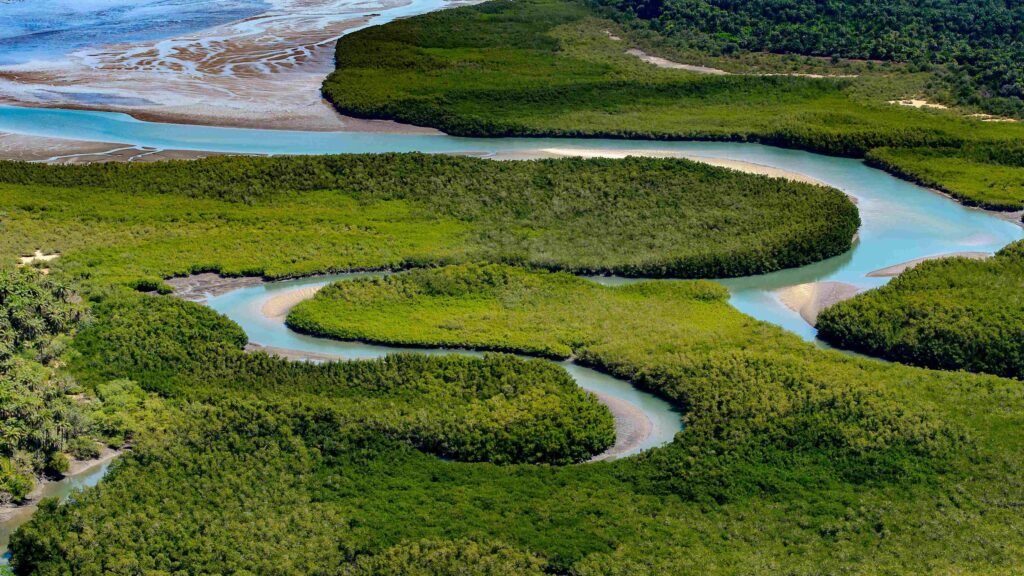
The forests and wetlands around Bigene provide important habitats for birds, monkeys, butterflies, and tropical wildlife species.
Visitors can enjoy peaceful nature walks through forest trails lined with dense vegetation and tropical trees. Birdwatchers often visit the area to observe colorful African bird species living within the wetlands and mangrove ecosystems.
Because tourism remains limited in the region, the natural environments around Bigene maintain an untouched and authentic atmosphere perfect for eco-tourism and wildlife photography.
The quiet forests create a relaxing escape for travelers seeking peaceful outdoor experiences surrounded by nature.
🏺 5. Traditional Manjaco & Papel Villages – Cultural Heritage of Bigene

The Bigene region is home to traditional Manjaco and Papel communities known for their rich cultural heritage, ceremonies, and agricultural traditions.
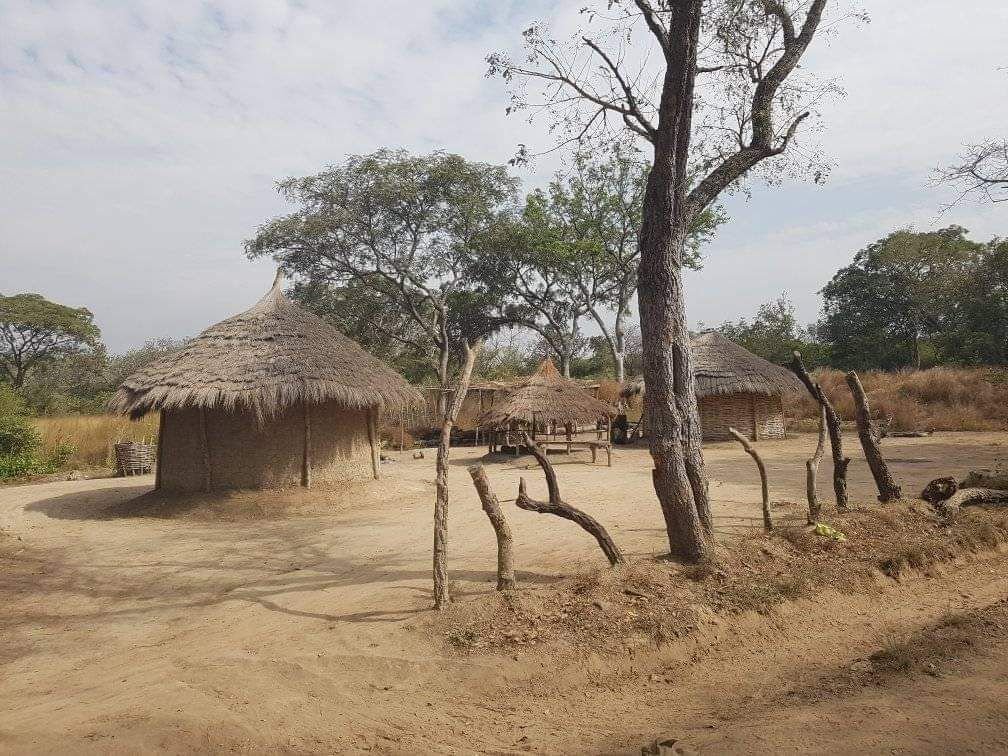
Visitors can explore villages where homes built from mud, wood, and thatched roofs stand beside fertile farmland and open community gathering spaces. Traditional music, storytelling, farming rituals, and spiritual customs remain important parts of village life.
The Manjaco people are especially respected for their craftsmanship and cultural identity, while Papel communities preserve strong agricultural and fishing traditions.
Travelers visiting these villages often experience warm hospitality and authentic cultural exchanges rarely influenced by modern tourism.
The combination of wetlands, forests, rice fields, rivers, and traditional villages makes Bigene one of the most naturally peaceful and culturally rich destinations in Guinea-Bissau.
Related artical : Top 5 place to visit in Canchungo