
Now Reading: Top 5 place to visit in Dalaba
-
01
Top 5 place to visit in Dalaba
Top 5 place to visit in Dalaba
🌄 1. Dalaba – The Scenic Mountain Jewel of Guinea

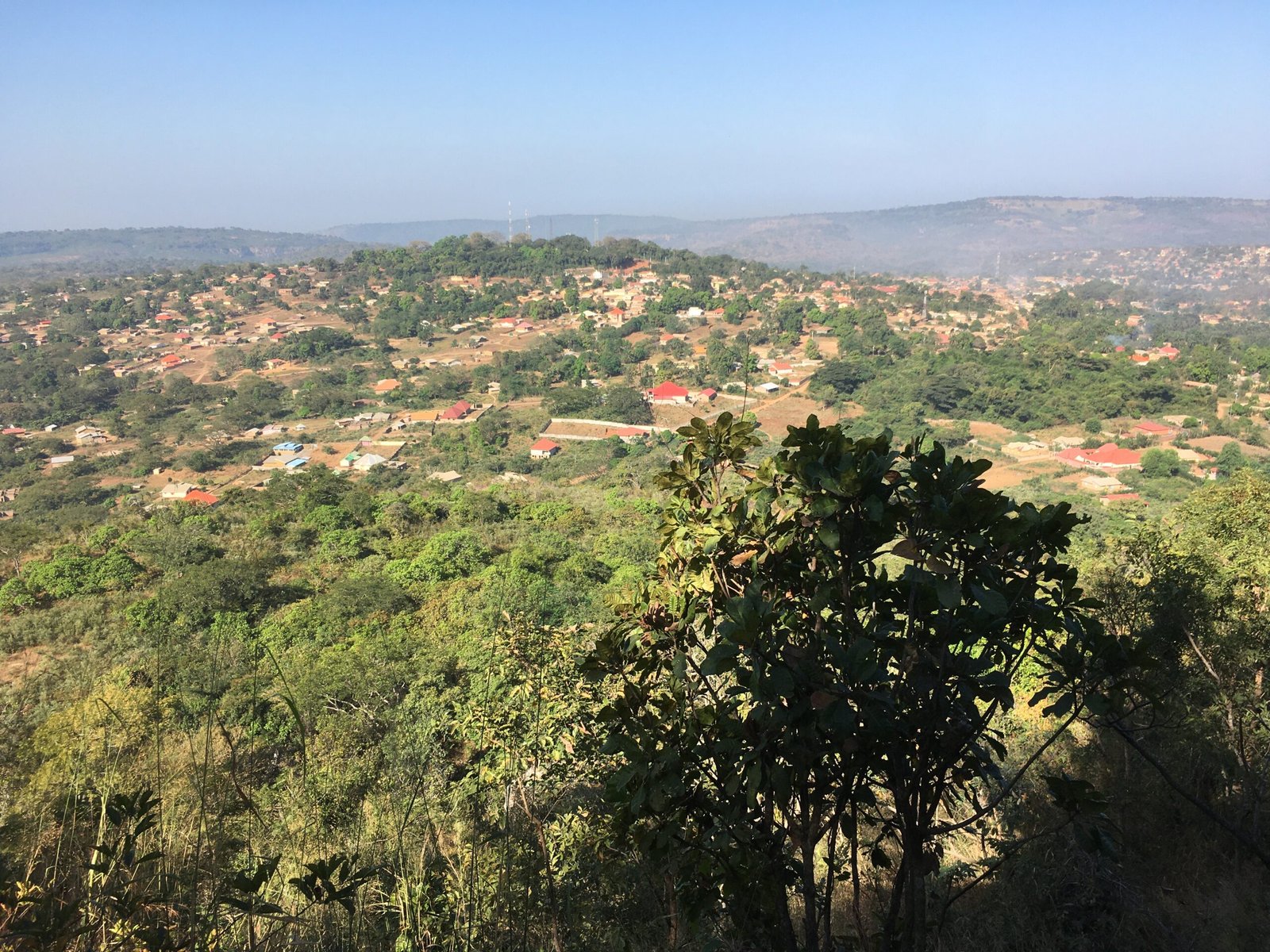
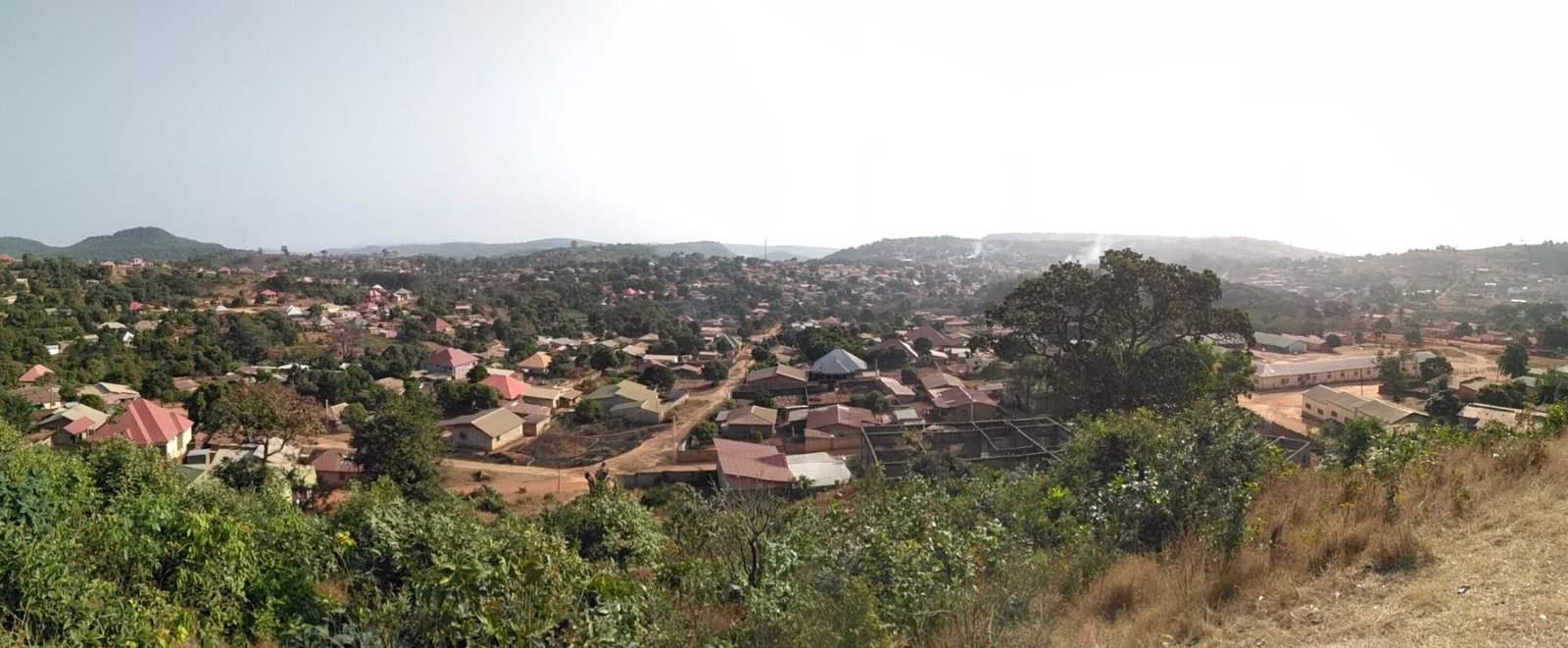
Dalaba is one of the most beautiful and historically important mountain towns in Guinea. Located deep within the breathtaking Fouta Djallon highlands, Dalaba is famous for its cool climate, green valleys, waterfalls, peaceful atmosphere, and colonial-era charm. Because of its elevation and fresh mountain air, the town became a popular retreat during the French colonial period and was often visited by administrators and travelers looking to escape the heat of the lowlands.
Today, Dalaba remains one of Guinea’s most relaxing destinations, offering visitors stunning natural scenery combined with authentic cultural experiences. The town is surrounded by rolling mountains, forests, rivers, and dramatic cliffs that create incredible panoramic views in every direction. Morning mist covering the valleys and cool evening temperatures give Dalaba a calm and refreshing atmosphere rarely found in West Africa.
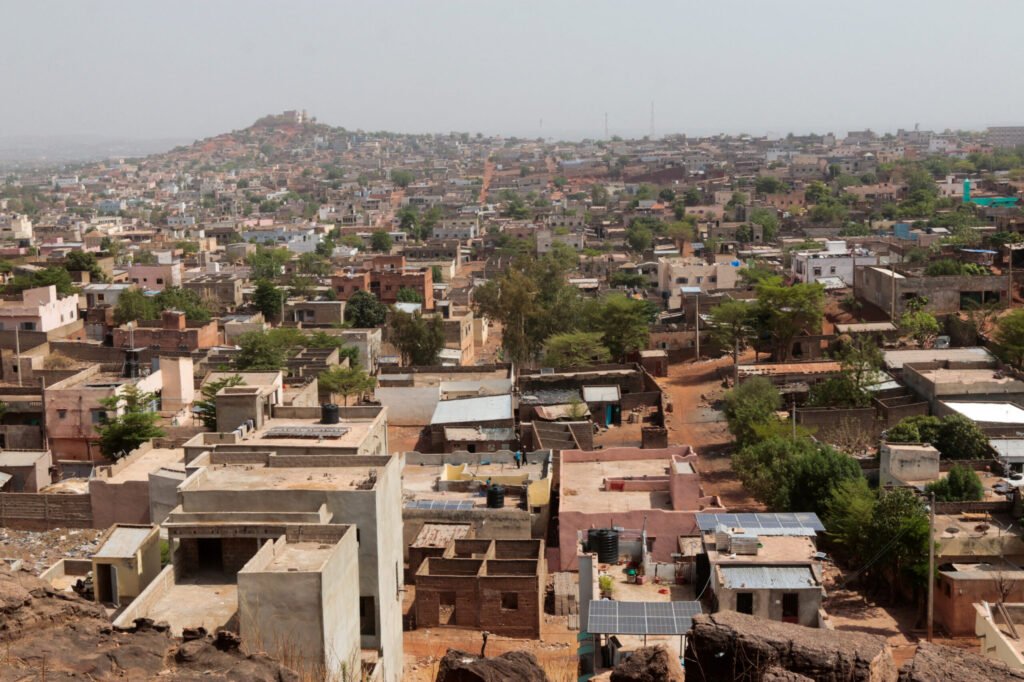
Walking through the town, visitors can see old colonial-style buildings, traditional Fulani homes, lively local markets, schools, mosques, and quiet mountain streets lined with greenery. Dalaba’s slower pace of life allows travelers to fully appreciate the peaceful environment and strong community culture that define the region.
The combination of natural beauty, history, and traditional highland life makes Dalaba one of the hidden treasures of Guinea.
🌊 2. Waterfalls & Rivers – The Natural Wonders of Dalaba

Dalaba is surrounded by some of the most spectacular waterfalls and river landscapes in Guinea. The mountainous geography of the Fouta Djallon region creates countless rivers, streams, and waterfalls flowing through green valleys and rocky cliffs.
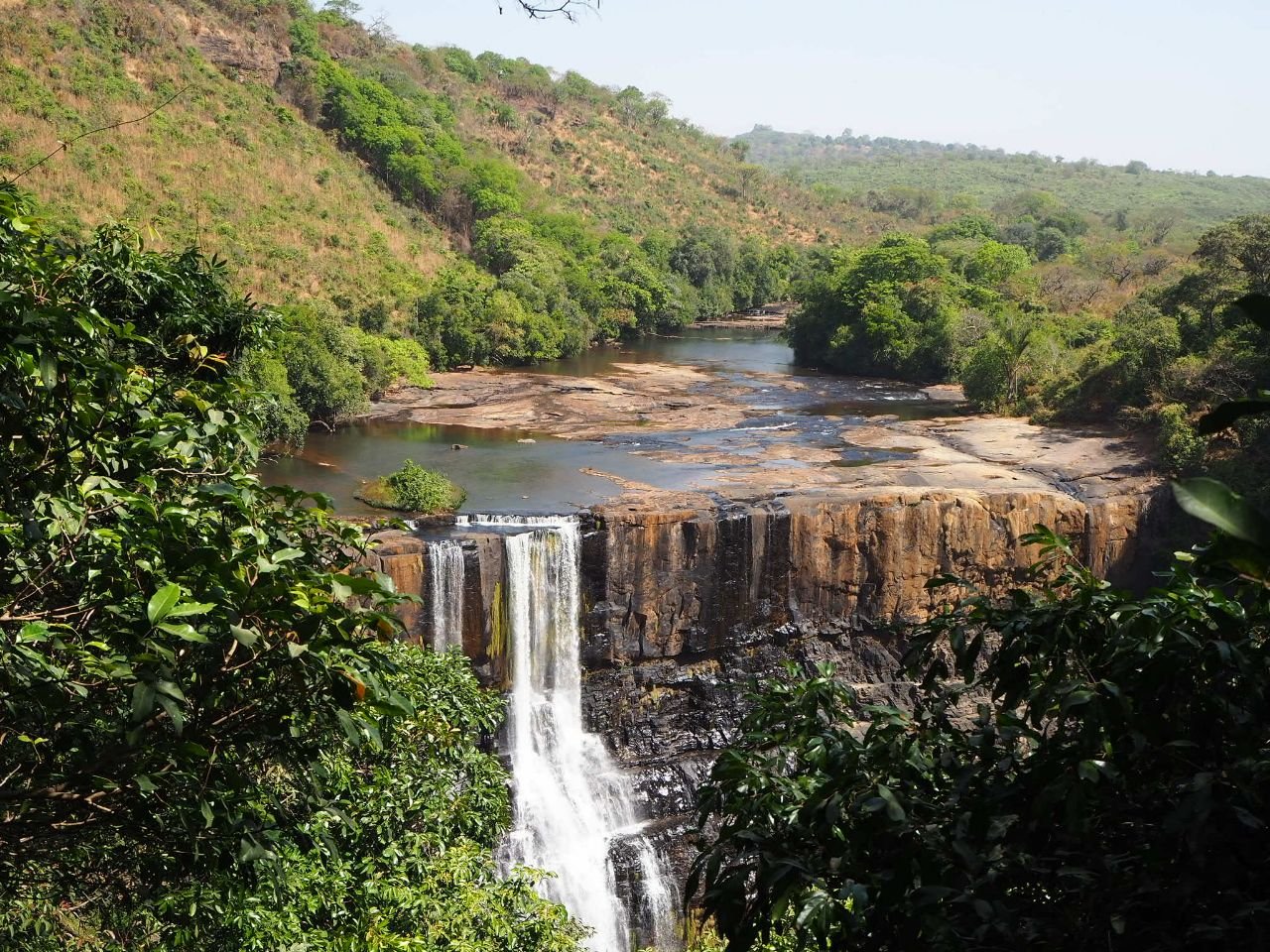
One of the most famous attractions near Dalaba is the stunning Ditinn Falls, a powerful waterfall that cascades down steep rock formations surrounded by lush vegetation and fresh mountain air. During the rainy season, the waterfall becomes even more dramatic as huge volumes of water rush through the valley, creating mist and thunderous sounds that echo across the mountains.
Another famous natural attraction near the region is the Chutes de Kambadaga, known for its breathtaking scenery and peaceful atmosphere. Visitors traveling through the countryside can discover hidden waterfalls, crystal-clear streams, and scenic picnic areas surrounded by untouched nature.
The rivers originating in the Fouta Djallon highlands are extremely important because they supply water to large parts of West Africa. This is why the region is often called the “water tower of West Africa.”
Nature lovers visiting Dalaba can enjoy hiking, photography, swimming, birdwatching, and exploring remote valleys filled with tropical plants and wildlife. The refreshing climate and natural beauty make the region ideal for eco-tourism and adventure travel.
🌿 3. The Fouta Djallon Highlands – A Land of Mountains & Green Valleys

Dalaba lies in the heart of the legendary Fouta Djallon highlands, one of the most geographically beautiful regions in West Africa. The landscape is filled with dramatic cliffs, rolling green hills, fertile valleys, rivers, forests, and rocky plateaus that stretch across central Guinea.
The region’s cooler temperatures and fertile soil make it one of Guinea’s most important agricultural areas. Farmers cultivate potatoes, onions, maize, tomatoes, bananas, oranges, and many other crops on terraced hillsides and fertile valley floors.
Road journeys through the Dalaba region are considered some of the most scenic in Guinea. Travelers pass through winding mountain roads, peaceful villages, waterfalls, grazing cattle, and panoramic viewpoints overlooking endless valleys covered in greenery.
The natural environment changes throughout the seasons. During the rainy season, the mountains become intensely green and filled with flowing rivers, while the dry season offers clear skies and beautiful golden landscapes.
Because of its stunning scenery and peaceful atmosphere, the Fouta Djallon region around Dalaba has become one of Guinea’s most important eco-tourism destinations.
🛍️ 4. Local Markets & Traditional Highland Culture

The local markets of Dalaba are vibrant centers of trade, culture, and social life. Villagers from surrounding mountain communities travel to the town to sell fresh produce, livestock, handmade crafts, woven fabrics, spices, and traditional foods.
Walking through the markets allows visitors to experience authentic daily life in Guinea’s highlands. Women wearing colorful Fulani clothing sell vegetables, fruits, milk products, and handmade goods while local traders gather to exchange products and news from nearby villages.
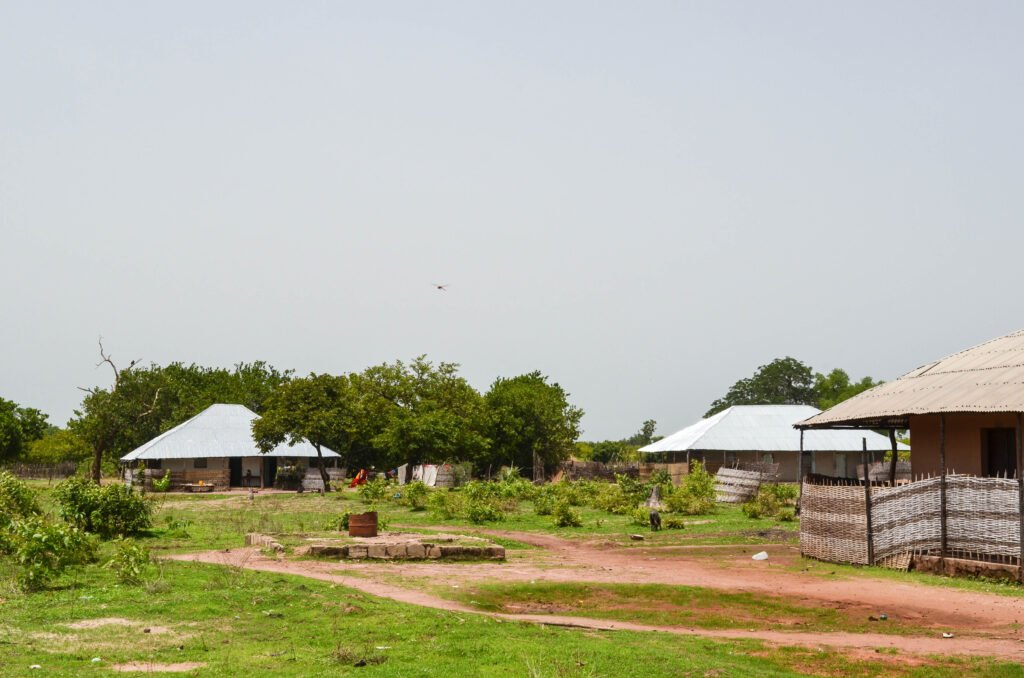
Traditional architecture and cultural practices remain strong throughout the region. Many homes are built using local materials and traditional methods adapted to the mountain environment.
The Fulani (Peul) people, who form the majority population in the area, are famous for their hospitality, elegant traditional clothing, strong Islamic traditions, and rich cultural heritage. Music, storytelling, and oral history continue to play important roles in preserving local identity.
Visitors can also taste traditional Guinean dishes prepared with rice, vegetables, sauces, grilled meat, fresh milk, and regional spices that reflect the agricultural richness of the highlands.
🎭 5. Culture, History & Peaceful Lifestyle in Dalaba

Dalaba is deeply connected to the cultural traditions and history of the Fulani people, whose influence can be seen throughout the town and surrounding villages. Traditional ceremonies, weddings, religious celebrations, and festivals are important social events that bring communities together through music, dance, prayer, and storytelling.
Drumming and traditional songs remain central parts of cultural life, while griots — traditional West African storytellers and historians — continue to preserve historical knowledge and family heritage through oral traditions.
The peaceful lifestyle of Dalaba is one of its greatest attractions. Unlike crowded urban centers, the town offers a calm environment where people maintain close family relationships, community traditions, and strong respect for nature and religion.
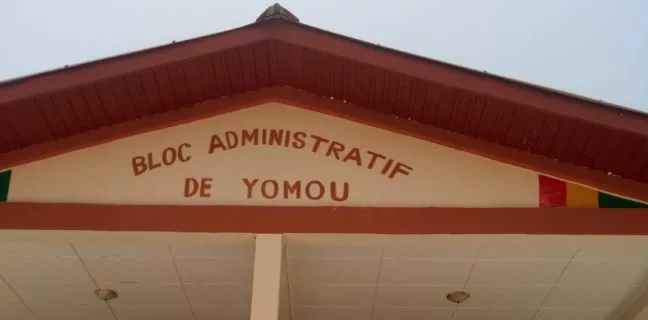
Colonial history also left an important mark on Dalaba. Several old colonial-era buildings and administrative structures still remain, reflecting the town’s historical role during the French colonial period.
Today, Dalaba is increasingly recognized as one of Guinea’s best destinations for cultural tourism, eco-tourism, hiking, and mountain travel. The combination of waterfalls, valleys, cool weather, cultural richness, and peaceful scenery makes Dalaba one of the most unforgettable places in Guinea and all of West Africa.
Related artical : Top 5 place to visit in Pita