
Now Reading: Top 5 place to visit in Lüneburg
-
01
Top 5 place to visit in Lüneburg
Top 5 place to visit in Lüneburg
🏛️ 1. Lüneburg Old Town – A Perfect Medieval Fairytale City

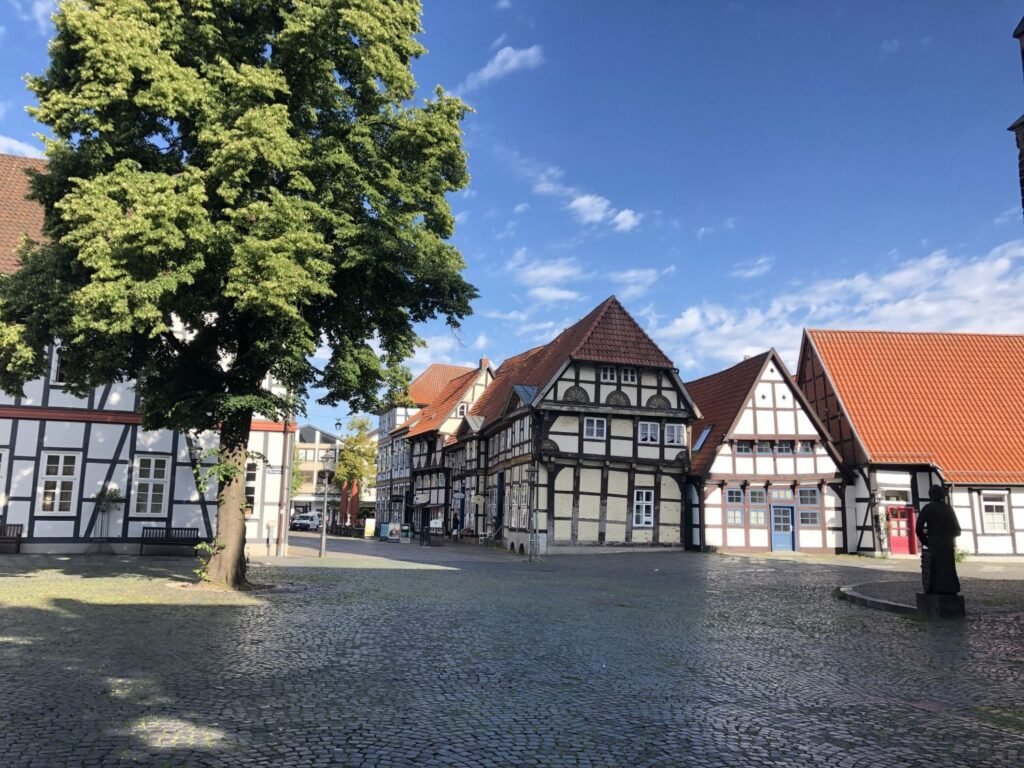
Lüneburg Old Town is one of the best-preserved medieval city centers in Germany and feels like a real fairytale destination filled with history, elegance, and traditional northern German charm. Unlike many German cities damaged during World War II, Lüneburg survived largely intact, allowing visitors to experience authentic medieval architecture across the city.
Walking through the old town reveals cobblestone streets, colorful half-timbered houses, Gothic churches, narrow alleys, and beautiful brick buildings dating back several centuries. The city became wealthy during the Middle Ages because of its salt trade, and this prosperity can still be seen in the grand merchant houses and impressive public buildings.
The historic market square forms the heart of the city and is surrounded by cafes, restaurants, boutiques, and centuries-old structures. The atmosphere is lively yet peaceful, making it perfect for relaxing walks and photography.
Lüneburg’s architectural beauty has also made it a popular filming location for German television and cinema productions. Every corner of the old town reflects timeless medieval character mixed with modern cultural life.
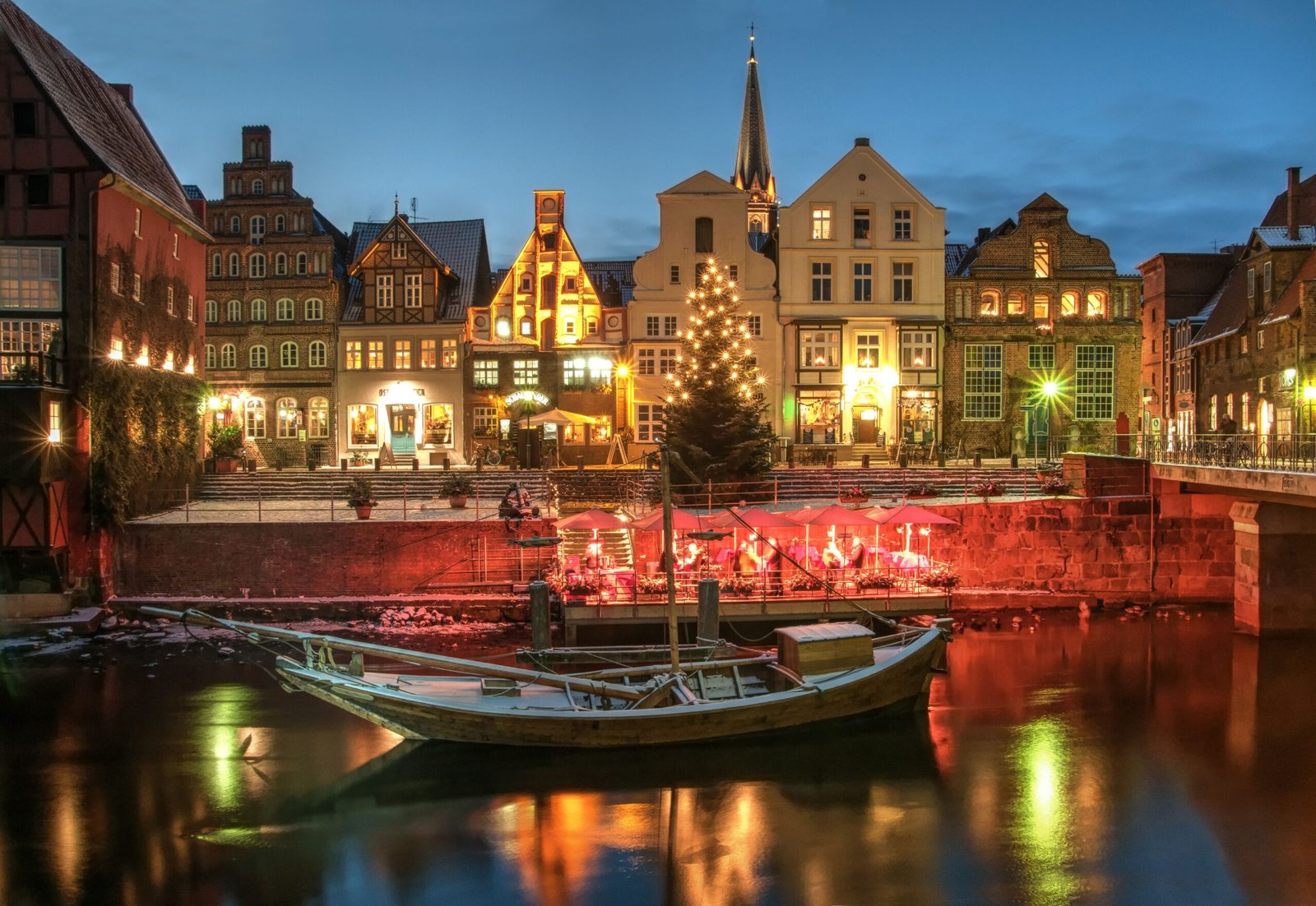
During Christmas season, the streets become magical with festive lights, seasonal markets, and traditional holiday celebrations that attract visitors from across Germany.
Lüneburg Old Town perfectly preserves the romance and elegance of medieval Europe.
🧂 2. German Salt Museum & Salt History – The Wealth of Lüneburg

Lüneburg is historically famous as the “City of Salt” because salt production shaped its wealth, power, and development for over 1,000 years. During the Middle Ages, salt was known as “white gold” because it was extremely valuable for preserving food before refrigeration existed.
The German Salt Museum allows visitors to explore the fascinating history of salt mining and production that transformed Lüneburg into one of northern Germany’s richest trading cities. The museum is located on the site of the city’s former saltworks and contains original machinery, historical tools, exhibitions, and underground mining displays.
Visitors learn how salt was extracted, processed, transported, and traded throughout Europe. The Hanseatic League, a powerful medieval trading network, helped spread Lüneburg salt across the continent and brought enormous wealth to the city.
The salt industry also influenced the architecture, economy, and culture of Lüneburg. Many elegant merchant houses and churches were built using profits from the salt trade.
The museum provides both educational and historical insight while helping visitors understand why Lüneburg became such an important medieval city.
The story of salt remains deeply connected to the identity and heritage of Lüneburg even today.
⛪ 3. St. Michaelis & Historic Churches – Spiritual Heritage of the City

Lüneburg is home to several magnificent churches that reflect the city’s spiritual importance and architectural beauty during the medieval era. Among the most famous is St. Michaelis Church, known for its Gothic brick architecture and historical significance.
The church is especially famous because renowned composer Johann Sebastian Bach studied here as a young student during the early 18th century. This connection gives the church an important place in German musical history.
Visitors entering St. Michaelis can admire tall Gothic ceilings, stained-glass windows, carved altars, and peaceful interiors filled with historical atmosphere. Organ concerts and cultural performances continue to attract music lovers throughout the year.
Other important churches in Lüneburg include St. Johannis and St. Nicolai, both featuring impressive towers and medieval architectural details visible across the city skyline.
These churches reflect the wealth and cultural sophistication that Lüneburg achieved during the height of the salt trade era. Their brick Gothic style is especially characteristic of northern Germany and adds unique beauty to the city’s appearance.
The religious architecture of Lüneburg remains among the finest examples of medieval craftsmanship in Lower Saxony.
🌊 4. River Ilmenau & Riverside Walks – Scenic Relaxation and Nature

The peaceful River Ilmenau flows through Lüneburg and adds natural beauty to the city’s medieval atmosphere. Historic bridges, riverside paths, canals, and waterfront buildings create some of the most scenic views in the city.
Visitors often enjoy relaxing walks beside the river while admiring reflections of old buildings across the calm water. Cafes and restaurants near the river provide beautiful outdoor seating areas where travelers can experience the peaceful atmosphere of the city.
Boat tours and cycling routes along the Ilmenau River allow visitors to explore surrounding countryside landscapes and nearby villages. The waterways once played an important role in transporting salt and trade goods across northern Germany.
The riverside becomes especially beautiful during sunset when golden light reflects across the water and medieval architecture glows warmly against the evening sky.
Lüneburg also contains parks, gardens, and green spaces that create a balance between urban life and environmental beauty. Nature lovers appreciate the calm atmosphere and easy access to outdoor recreation.
The River Ilmenau perfectly complements Lüneburg’s historical charm with peaceful natural scenery.
🎭 5. Markets, Festivals & Modern Cultural Life

Lüneburg has a vibrant cultural atmosphere shaped by students, artists, musicians, and local traditions. The city is home to Leuphana University, which adds youthful energy and modern creativity to the historic surroundings.
Throughout the year, Lüneburg hosts festivals, concerts, theatre performances, art exhibitions, and public celebrations that bring life to the medieval streets and squares. Seasonal markets are especially popular and attract visitors from nearby cities including Hamburg.
The Lüneburg Christmas Market is one of the most magical experiences in northern Germany. Historic squares become decorated with lights, wooden stalls, holiday music, and traditional foods such as roasted almonds, gingerbread, sausages, and mulled wine.
The city’s cafes and restaurants offer both traditional Lower Saxony cuisine and modern international dishes. Visitors can enjoy fresh pastries, seafood, regional specialties, and authentic northern German hospitality.
Local shops and boutiques also make Lüneburg a wonderful shopping destination, especially for handmade crafts, antiques, and artisan products.
Lüneburg beautifully combines medieval heritage, riverside beauty, salt history, cultural richness, and modern city life, making it one of Germany’s most enchanting travel destinations.
Related artical : Top 5 place to visit in Emden