
Now Reading: Top 5 tourist place in Centre-Val de Loire
-
01
Top 5 tourist place in Centre-Val de Loire
Top 5 tourist place in Centre-Val de Loire
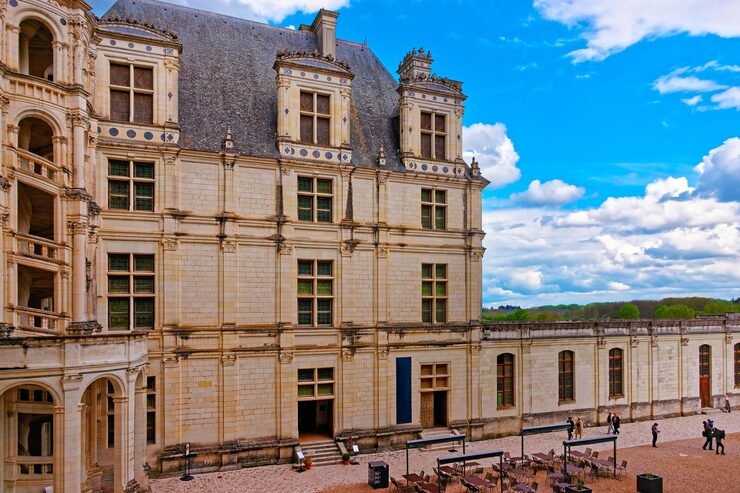
1. Château de Chambord

The Château de Chambord is the largest and most magnificent castle in the Loire Valley and one of the greatest masterpieces of French Renaissance architecture. Built during the reign of King Francis I in the 16th century, the château was designed as a symbol of royal power, elegance, and artistic ambition.
The castle is famous for its enormous size, impressive towers, detailed rooftops, and unique double-helix staircase often associated with the ideas of Leonardo da Vinci. With more than 400 rooms, hundreds of chimneys, and vast royal halls, Chambord feels like a palace from a fairytale.
Surrounding the château is a huge forest park and beautifully maintained gardens where visitors can enjoy peaceful walks, cycling, and scenic views of the estate. The castle also hosts exhibitions, horse shows, and cultural events throughout the year.
Whether exploring its grand interiors or admiring the spectacular architecture from outside, Château de Chambord remains one of France’s most iconic landmarks.
2. Château de Chenonceau

The Château de Chenonceau is one of the most elegant and romantic castles in France. Built across the River Cher, the château appears to float gracefully above the water, creating one of the most photographed scenes in the Loire Valley.
Often called the “Ladies’ Castle,” Chenonceau owes much of its beauty and history to influential women such as Diane de Poitiers and Catherine de’ Medici, who shaped the castle’s design, gardens, and cultural importance.
The château is famous for its beautiful galleries spanning the river, luxurious decorated rooms, flower gardens, and peaceful riverside setting. Inside, visitors can admire Renaissance furniture, artwork, tapestries, and royal apartments filled with historical charm.
The surrounding gardens are equally stunning, especially during spring and summer when colorful flowers bloom throughout the estate. Boat rides on the river offer another beautiful perspective of the castle.
Chenonceau perfectly combines elegance, history, romance, and natural beauty.
3. Tours

Tours is one of the liveliest and most charming cities in the Loire Valley. Known for its vibrant atmosphere, historic streets, and excellent food culture, the city serves as a perfect base for exploring nearby castles and vineyards.
The old town is filled with colorful half-timbered houses, lively cafés, restaurants, and bustling markets. One of the most popular areas is Place Plumereau, a beautiful square surrounded by medieval buildings and outdoor terraces where visitors can relax and enjoy local cuisine.
Tours is also famous for its connection to French history and culture. Magnificent churches, museums, and riverside promenades add to the city’s charm. The Loire River nearby provides scenic walking and cycling opportunities through beautiful landscapes.
Food lovers especially enjoy Tours for its local wines, cheeses, pastries, and traditional Loire Valley dishes. The city’s friendly atmosphere and central location make it a favorite destination for travelers exploring the region.
4. Orléans

Orléans is a historic city best known for its connection to Joan of Arc, who helped liberate the city during the Hundred Years’ War. Today, Orléans combines rich history with elegant architecture and a peaceful riverside atmosphere.
The city’s most impressive landmark is the magnificent Sainte-Croix Cathedral, a Gothic masterpiece with soaring towers and beautiful stained-glass windows. The old town surrounding the cathedral features charming streets, traditional houses, cafés, and historic squares.
Visitors can follow the footsteps of Joan of Arc through museums, monuments, and annual festivals celebrating her legacy. Her story remains deeply connected to the identity of the city.
Located along the Loire River, Orléans also offers scenic riverfront walks, parks, and relaxing outdoor spaces. The city beautifully blends historical heritage with modern French lifestyle.
5. Chartres Cathedral

Chartres Cathedral is one of the finest examples of Gothic architecture in the world and a UNESCO World Heritage Site. Located in the historic town of Chartres, the cathedral has inspired visitors for centuries with its incredible beauty and spiritual atmosphere.
The cathedral is especially famous for its stunning stained-glass windows, many of which date back to the 12th and 13th centuries. The colorful glass fills the interior with magical light and depicts biblical stories, saints, and medieval life in extraordinary detail.
Its towering spires, detailed sculptures, and magnificent façade make the cathedral one of France’s most recognizable religious monuments. Inside, visitors can also see the famous labyrinth embedded in the floor, traditionally used by pilgrims for meditation.
Beyond the cathedral itself, the town of Chartres offers picturesque streets, riverside scenery, and charming French atmosphere. Together, they create an unforgettable destination rich in history, art, and culture.
Related artical : Top 5 tourist place in Burgundy