
Now Reading: Top 5 Tourist Places in Alberta, Canada
-
01
Top 5 Tourist Places in Alberta, Canada
Top 5 Tourist Places in Alberta, Canada
Alberta – Canada’s Land of Mountains, Lakes, Prairies, and Dinosaurs
Alberta is one of Canada’s most breathtaking provinces, known for its dramatic Rocky Mountain landscapes, turquoise glacial lakes, vast prairies, vibrant cities, and rich natural history. Located in Western Canada, Alberta offers an incredible mix of world-famous national parks, modern urban culture, wildlife experiences, and prehistoric wonders. Whether you are an adventure seeker, nature lover, photographer, history enthusiast, or family traveler, Alberta delivers unforgettable experiences in every season.
From snow-capped peaks and crystal-clear lakes to cowboy culture and dinosaur fossils, Alberta stands out as one of North America’s most diverse travel destinations. In this detailed travel guide, we explore five of Alberta’s top tourist destinations, with 500+ words dedicated to each location, giving you deep insight into what makes each place truly special.
1. Banff National Park – Turquoise Lakes, Rocky Mountain Peaks, and Wildlife

Beyond its postcard-famous scenery, Banff National Park plays a crucial role in conservation and environmental education in Canada. The park protects fragile alpine ecosystems, ancient glaciers, and wildlife corridors that allow animals to migrate safely across the Rocky Mountains. Visitors are encouraged to practice responsible tourism, including staying on marked trails and respecting wildlife viewing distances.
Banff is also deeply connected to Indigenous history. Long before becoming a national park, the area was used by Indigenous peoples for hunting, travel, and spiritual practices. Today, interpretive programs and cultural experiences help visitors understand the original stewards of the land and their relationship with the mountains.
Seasonal changes dramatically transform Banff’s landscape. Spring brings wildflowers and flowing waterfalls, autumn paints the forests in golden colors, and winter creates frozen lakes and snow-covered peaks. Each season offers a different but equally magical experience, making Banff a year-round destination.
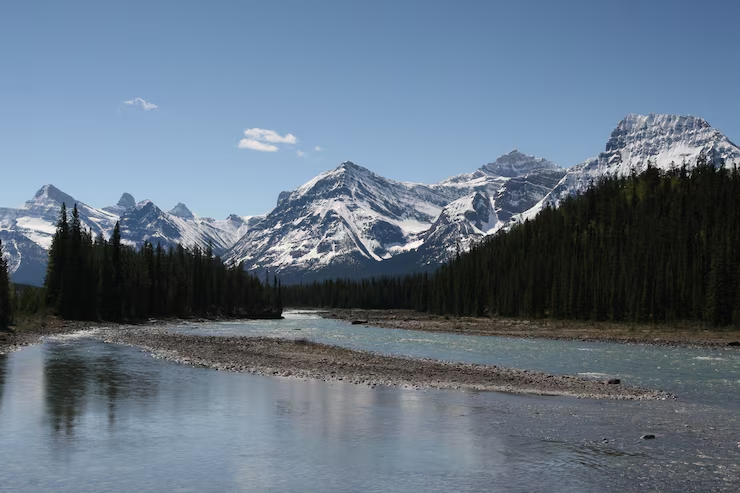
Banff National Park is Canada’s oldest national park and one of the most iconic natural destinations in the world. Located in the heart of the Canadian Rockies, Banff is famous for its towering mountain peaks, turquoise lakes, abundant wildlife, and scenic drives that rank among the most beautiful on Earth.
The park is home to dramatic landscapes shaped by glaciers over millions of years. Jagged peaks rise above alpine meadows, dense pine forests, and glacial valleys. Visitors are often struck by the vivid blue and green colors of Banff’s lakes, which come from rock flour carried by melting glaciers.
Wildlife viewing is a major highlight in Banff National Park. Elk, deer, bighorn sheep, mountain goats, black bears, and grizzly bears inhabit the region. Early mornings and evenings are the best times to spot animals along roadsides and hiking trails.
Banff offers endless outdoor activities year-round. In summer, visitors enjoy hiking, canoeing, mountain biking, and scenic gondola rides. Popular trails range from easy lakeside walks to challenging alpine hikes with panoramic views. In winter, Banff transforms into a snowy wonderland, attracting skiers and snowboarders to world-class resorts such as Banff Sunshine, Lake Louise Ski Resort, and Mount Norquay.
The town of Banff, located within the park, adds cultural charm to the natural beauty. It features cozy mountain lodges, restaurants, art galleries, and shops. The Banff Upper Hot Springs provide a relaxing way to soak in mineral-rich waters while enjoying mountain views.
Scenic drives like the Bow Valley Parkway and the Icefields Parkway (connecting Banff to Jasper) are among the most scenic routes in the world. Every turn reveals glaciers, waterfalls, and postcard-perfect landscapes.
Banff National Park is more than a destination—it is a symbol of Canada’s natural heritage and one of the world’s great outdoor playgrounds.
2. Lake Louise – Emerald Waters, Glaciers, and Hiking Trails
Lake Louise is not only a scenic wonder but also a gateway to high-alpine exploration. The surrounding area offers access to backcountry routes, alpine passes, and glacier viewpoints that attract hikers and mountaineers from around the world. Guided hikes and interpretive walks help visitors learn about glacial movement, alpine flora, and climate change.
Photography is a major draw at Lake Louise. The lake’s colors shift throughout the day depending on light conditions, making every visit visually unique. Winter photography is equally striking, with snow-covered peaks and frozen reflections creating a dreamlike atmosphere.
Despite its popularity, careful visitor management helps preserve the lake’s natural beauty. Shuttle systems, walking paths, and conservation efforts ensure that future generations can continue to enjoy this iconic destination.
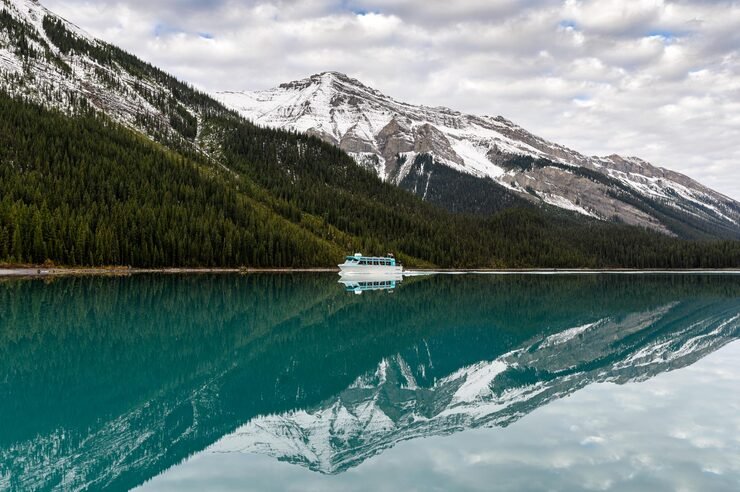
Lake Louise is one of the most photographed places in Canada and a true jewel of the Rocky Mountains. Famous for its stunning emerald-green waters, the lake is surrounded by towering peaks, hanging glaciers, and pristine alpine scenery.
The lake’s striking color comes from glacial meltwater carrying fine rock particles that reflect sunlight, creating its signature turquoise hue. The view of Victoria Glacier looming above the lake is unforgettable and draws visitors from around the globe.
Lake Louise is a paradise for outdoor enthusiasts. During summer, visitors can canoe on the calm waters, walk along the lakeshore, or hike some of the most famous trails in the Canadian Rockies. Popular hikes include the Lake Agnes Tea House Trail, Plain of Six Glaciers, and Sentinel Pass, each offering spectacular views.
In winter, Lake Louise becomes a magical snow-covered destination. The frozen lake often hosts ice sculptures and winter festivals, while nearby Lake Louise Ski Resort offers exceptional skiing and snowboarding with panoramic mountain views.
The historic Fairmont Château Lake Louise, located on the lake’s shore, adds elegance and history to the area. Originally built as a base for mountain climbers, the hotel is now a world-famous luxury resort and landmark.
Despite its popularity, Lake Louise remains a place of serenity, especially during early mornings or quieter seasons. Sunrise and sunset are particularly magical, with soft light reflecting off the water and surrounding peaks.
Lake Louise represents the essence of the Canadian Rockies—pure, powerful, and breathtaking—and is an absolute must-visit destination in Alberta.
3. Jasper National Park – Glaciers, Waterfalls, and Dark-Sky Wonders
Jasper’s sense of wilderness is unmatched in the Canadian Rockies. Vast stretches of untouched forest, mountain ranges, and river valleys create an environment where nature dominates. The park’s size allows for long scenic drives and multi-day adventures that feel far removed from modern life.
Astronomy tourism has become increasingly popular in Jasper. Annual dark-sky festivals bring together scientists, photographers, and travelers to celebrate the night sky through guided stargazing sessions and educational talks.
Jasper also offers excellent opportunities for canoeing, kayaking, and fishing in pristine mountain lakes. These quiet water activities allow visitors to experience the park at a slower, more immersive pace.
Jasper National Park is the largest national park in the Canadian Rockies and offers a more rugged, less crowded alternative to Banff. Known for its vast wilderness, glaciers, waterfalls, and dark-sky preserve, Jasper is ideal for travelers seeking raw natural beauty.
The park is home to some of the most impressive glaciers in North America, including the Athabasca Glacier, part of the Columbia Icefield. Visitors can walk on the glacier or take guided snowcoach tours to learn about climate and glacial history.
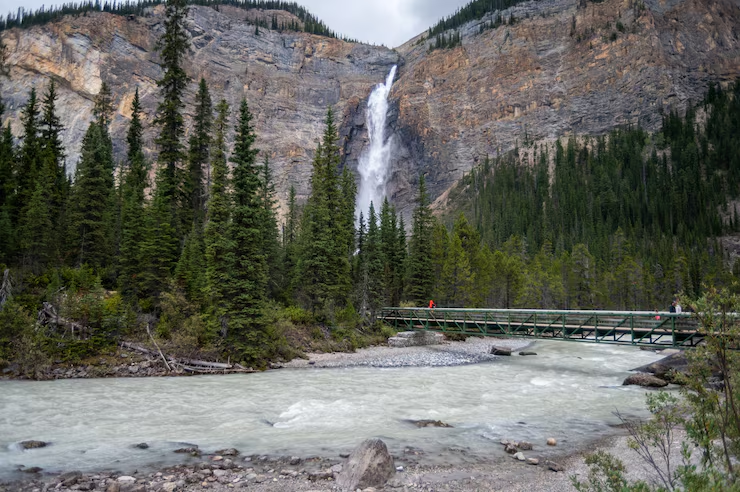
Jasper’s waterfalls are among its most spectacular features. Athabasca Falls, Sunwapta Falls, and Maligne Canyon showcase the power of glacial meltwater carving through rock over time.
One of Jasper’s most unique distinctions is its designation as a Dark Sky Preserve, making it one of the best places in the world for stargazing. On clear nights, visitors can see the Milky Way, planets, and even the northern lights.
Wildlife thrives in Jasper National Park, with frequent sightings of elk, moose, bears, wolves, and caribou. The park’s remote nature allows animals to live with minimal human interference.
The town of Jasper is small and welcoming, offering accommodations, restaurants, and tour services while maintaining a relaxed mountain-town atmosphere.
Jasper National Park delivers a sense of scale and solitude that leaves visitors deeply connected to nature.
4. Calgary – Modern City, Stampede Spirit, and Urban Culture

Calgary’s cultural diversity is reflected in its festivals, cuisine, and neighborhoods. From international food markets to contemporary art galleries, the city offers a wide range of experiences beyond its western image.
The Bow and Elbow rivers shape Calgary’s landscape, providing scenic walking and cycling paths used by locals year-round. These riverfront areas highlight the city’s commitment to outdoor living even within an urban environment.
Calgary’s role as an economic and innovation hub adds to its appeal. Modern architecture, tech development, and cultural investment continue to shape the city’s future while preserving its historical roots.
Calgary is Alberta’s largest city and a dynamic blend of modern urban life and western heritage. Known globally for the Calgary Stampede, the city celebrates its cowboy roots while embracing innovation, culture, and diversity.
The Calgary Stampede, held every July, is one of the world’s largest outdoor rodeos and festivals. It features rodeo competitions, parades, concerts, and cultural events that attract millions of visitors.
Beyond the Stampede, Calgary offers vibrant cultural attractions. The Calgary Tower provides panoramic views of the city and the Rockies, while neighborhoods like Kensington and Inglewood showcase local art, shopping, and dining.
The city’s proximity to the Rocky Mountains makes it an ideal base for exploring Banff and surrounding regions. At the same time, Calgary itself boasts extensive parks, river pathways, and green spaces.
Museums, music venues, and a thriving food scene reflect Calgary’s cosmopolitan character. The city consistently ranks among the world’s most livable cities.
Calgary represents Alberta’s modern face—energetic, ambitious, and deeply connected to its western identity.
5. Drumheller – Badlands, Dinosaurs, and Ancient History
Drumheller’s landscape tells a story millions of years in the making. Once covered by ancient seas and forests, the region gradually transformed into the dry badlands seen today. Fossil discoveries continue to provide valuable scientific insights into Earth’s prehistoric life.
Outdoor exploration is a major part of the Drumheller experience. Visitors can hike among hoodoos, explore canyons, and enjoy panoramic viewpoints that reveal the dramatic erosion patterns of the land.
Educational programs and guided tours make Drumheller both entertaining and informative, especially for families and students. It stands as one of Canada’s most unique and educational travel destinations.
Drumheller offers a dramatic contrast to Alberta’s mountain scenery. Located in the heart of the Canadian Badlands, the region is known for its strange rock formations, deep canyons, and rich dinosaur fossil history.
The Royal Tyrrell Museum of Palaeontology is Drumheller’s main attraction and one of the world’s leading dinosaur museums. It houses one of the largest collections of dinosaur fossils on Earth, including complete skeletons and interactive exhibits.
The badlands landscape features hoodoos—tall, thin rock spires formed by erosion—as well as colorful layered hills shaped over millions of years. Hiking and driving through the region feels like stepping into a prehistoric world.
Drumheller also offers scenic viewpoints, suspension bridges, and interpretive trails that explain the area’s geological and cultural history.
The town embraces its dinosaur identity with playful statues, museums, and events, making it a popular destination for families and history enthusiasts.
Drumheller is a reminder that Alberta’s story stretches far beyond human history into the ancient past.
Conclusion: Why Alberta Is One of Canada’s Greatest Travel Destinations
Alberta offers extraordinary diversity—from the majestic Rockies and glacial lakes of Banff, Lake Louise, and Jasper to the urban energy of Calgary and the prehistoric landscapes of Drumheller. Each destination provides a unique perspective on the province’s natural beauty, culture, and history.
Whether you seek adventure, relaxation, education, or inspiration, Alberta delivers unforgettable experiences that make it one of the world’s top travel destinations.rich natural history. Located in Western Canada, Alberta offers an incredible mix of world-famous national parks, modern urban culture, wildlife experiences, and prehistoric wonders. Whether you are an adventure seeker, nature lover, photographer, history enthusiast, or family traveler, Alberta delivers unforgettable experiences in every season.
From snow-capped peaks and crystal-clear lakes to cowboy culture and dinosaur fossils, Alberta stands out as one of North America’s most diverse travel destinations. In this detailed travel guide, we explore five of Alberta’s top tourist destinations, with 500+ words dedicated to each location, giving you deep insight into what makes each place truly special.
1. Banff National Park – Turquoise Lakes, Rocky Mountain Peaks, and Wildlife
Banff National Park is Canada’s oldest national park and one of the most iconic natural destinations in the world. Located in the heart of the Canadian Rockies, Banff is famous for its towering mountain peaks, turquoise lakes, abundant wildlife, and scenic drives that rank among the most beautiful on Earth.
The park is home to dramatic landscapes shaped by glaciers over millions of years. Jagged peaks rise above alpine meadows, dense pine forests, and glacial valleys. Visitors are often struck by the vivid blue and green colors of Banff’s lakes, which come from rock flour carried by melting glaciers.
Wildlife viewing is a major highlight in Banff National Park. Elk, deer, bighorn sheep, mountain goats, black bears, and grizzly bears inhabit the region. Early mornings and evenings are the best times to spot animals along roadsides and hiking trails.
Banff offers endless outdoor activities year-round. In summer, visitors enjoy hiking, canoeing, mountain biking, and scenic gondola rides. Popular trails range from easy lakeside walks to challenging alpine hikes with panoramic views. In winter, Banff transforms into a snowy wonderland, attracting skiers and snowboarders to world-class resorts such as Banff Sunshine, Lake Louise Ski Resort, and Mount Norquay.
The town of Banff, located within the park, adds cultural charm to the natural beauty. It features cozy mountain lodges, restaurants, art galleries, and shops. The Banff Upper Hot Springs provide a relaxing way to soak in mineral-rich waters while enjoying mountain views.
Scenic drives like the Bow Valley Parkway and the Icefields Parkway (connecting Banff to Jasper) are among the most scenic routes in the world. Every turn reveals glaciers, waterfalls, and postcard-perfect landscapes.
Banff National Park is more than a destination—it is a symbol of Canada’s natural heritage and one of the world’s great outdoor playgrounds.
2. Lake Louise – Emerald Waters, Glaciers, and Hiking Trails
Lake Louise is one of the most photographed places in Canada and a true jewel of the Rocky Mountains. Famous for its stunning emerald-green waters, the lake is surrounded by towering peaks, hanging glaciers, and pristine alpine scenery.
The lake’s striking color comes from glacial meltwater carrying fine rock particles that reflect sunlight, creating its signature turquoise hue. The view of Victoria Glacier looming above the lake is unforgettable and draws visitors from around the globe.
Lake Louise is a paradise for outdoor enthusiasts. During summer, visitors can canoe on the calm waters, walk along the lakeshore, or hike some of the most famous trails in the Canadian Rockies. Popular hikes include the Lake Agnes Tea House Trail, Plain of Six Glaciers, and Sentinel Pass, each offering spectacular views.
In winter, Lake Louise becomes a magical snow-covered destination. The frozen lake often hosts ice sculptures and winter festivals, while nearby Lake Louise Ski Resort offers exceptional skiing and snowboarding with panoramic mountain views.
The historic Fairmont Château Lake Louise, located on the lake’s shore, adds elegance and history to the area. Originally built as a base for mountain climbers, the hotel is now a world-famous luxury resort and landmark.
Despite its popularity, Lake Louise remains a place of serenity, especially during early mornings or quieter seasons. Sunrise and sunset are particularly magical, with soft light reflecting off the water and surrounding peaks.
Lake Louise represents the essence of the Canadian Rockies—pure, powerful, and breathtaking—and is an absolute must-visit destination in Alberta.
3. Jasper National Park – Glaciers, Waterfalls, and Dark-Sky Wonders
Jasper National Park is the largest national park in the Canadian Rockies and offers a more rugged, less crowded alternative to Banff. Known for its vast wilderness, glaciers, waterfalls, and dark-sky preserve, Jasper is ideal for travelers seeking raw natural beauty.
The park is home to some of the most impressive glaciers in North America, including the Athabasca Glacier, part of the Columbia Icefield. Visitors can walk on the glacier or take guided snowcoach tours to learn about climate and glacial history.
Jasper’s waterfalls are among its most spectacular features. Athabasca Falls, Sunwapta Falls, and Maligne Canyon showcase the power of glacial meltwater carving through rock over time.
One of Jasper’s most unique distinctions is its designation as a Dark Sky Preserve, making it one of the best places in the world for stargazing. On clear nights, visitors can see the Milky Way, planets, and even the northern lights.
Wildlife thrives in Jasper National Park, with frequent sightings of elk, moose, bears, wolves, and caribou. The park’s remote nature allows animals to live with minimal human interference.
The town of Jasper is small and welcoming, offering accommodations, restaurants, and tour services while maintaining a relaxed mountain-town atmosphere.
Jasper National Park delivers a sense of scale and solitude that leaves visitors deeply connected to nature.
4. Calgary – Modern City, Stampede Spirit, and Urban Culture
Calgary is Alberta’s largest city and a dynamic blend of modern urban life and western heritage. Known globally for the Calgary Stampede, the city celebrates its cowboy roots while embracing innovation, culture, and diversity.
The Calgary Stampede, held every July, is one of the world’s largest outdoor rodeos and festivals. It features rodeo competitions, parades, concerts, and cultural events that attract millions of visitors.
Beyond the Stampede, Calgary offers vibrant cultural attractions. The Calgary Tower provides panoramic views of the city and the Rockies, while neighborhoods like Kensington and Inglewood showcase local art, shopping, and dining.
The city’s proximity to the Rocky Mountains makes it an ideal base for exploring Banff and surrounding regions. At the same time, Calgary itself boasts extensive parks, river pathways, and green spaces.
Museums, music venues, and a thriving food scene reflect Calgary’s cosmopolitan character. The city consistently ranks among the world’s most livable cities.
Calgary represents Alberta’s modern face—energetic, ambitious, and deeply connected to its western identity.
5. Drumheller – Badlands, Dinosaurs, and Ancient History
Drumheller offers a dramatic contrast to Alberta’s mountain scenery. Located in the heart of the Canadian Badlands, the region is known for its strange rock formations, deep canyons, and rich dinosaur fossil history.
The Royal Tyrrell Museum of Palaeontology is Drumheller’s main attraction and one of the world’s leading dinosaur museums. It houses one of the largest collections of dinosaur fossils on Earth, including complete skeletons and interactive exhibits.
The badlands landscape features hoodoos—tall, thin rock spires formed by erosion—as well as colorful layered hills shaped over millions of years. Hiking and driving through the region feels like stepping into a prehistoric world.
Drumheller also offers scenic viewpoints, suspension bridges, and interpretive trails that explain the area’s geological and cultural history.
The town embraces its dinosaur identity with playful statues, museums, and events, making it a popular destination for families and history enthusiasts.
Drumheller is a reminder that Alberta’s story stretches far beyond human history into the ancient past.
Conclusion: Why Alberta Is One of Canada’s Greatest Travel Destinations
Alberta offers extraordinary diversity—from the majestic Rockies and glacial lakes of Banff, Lake Louise, and Jasper to the urban energy of Calgary and the prehistoric landscapes of Drumheller. Each destination provides a unique perspective on the province’s natural beauty, culture, and history.
Whether you seek adventure, relaxation, education, or inspiration, Alberta delivers unforgettable experiences that make it one of the world’s top travel destinations.