
Now Reading: Top 5 Tourist Places in Chattogram, Bangladesh
-
01
Top 5 Tourist Places in Chattogram, Bangladesh
Top 5 Tourist Places in Chattogram, Bangladesh
Chattogram Division, located in southeastern Bangladesh, is one of the country’s most scenic and diverse regions. Known for its long coastline, rolling hills, islands, forests, and rich cultural heritage, the division offers an extraordinary blend of natural beauty and human history. From the world’s longest sea beach to misty hill districts and coral islands, Chattogram Division stands apart as Bangladesh’s premier tourism zone.
This blog explores the Top 5 Tourist Places in Chattogram Division, highlighting why this region attracts nature lovers, adventure seekers, beach travelers, and cultural explorers from around the world.
1. Cox’s Bazar – The World’s Longest Natural Sea Beach
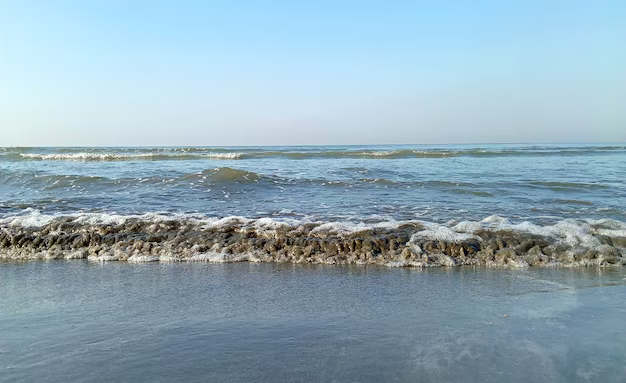
Cox’s Bazar is Bangladesh’s most famous tourist destination and home to the world’s longest uninterrupted natural sea beach, stretching over 120 kilometers along the Bay of Bengal. With its golden sands, rolling waves, and dramatic sunsets, Cox’s Bazar is the crown jewel of Chattogram Division.
The beach offers a wide range of experiences. Laboni Beach and Kolatoli Beach are lively areas with hotels, restaurants, and street food, while Inani Beach and Himchari provide a quieter, more natural atmosphere with rocky landscapes and forested hills. Watching the sun set over the sea is one of the most memorable experiences for visitors.
Beyond the beach, Cox’s Bazar offers cultural and natural attractions. The Buddhist temples, fishing harbors, and local markets reflect the area’s heritage. Nearby destinations like Moheshkhali Island and Sonadia Island provide insight into traditional coastal life.
Water activities such as swimming, surfing, jet skiing, and beach sports are popular, while seafood lovers enjoy freshly caught fish, crabs, and lobsters. The city also serves as a gateway to Saint Martin’s Island.
Cox’s Bazar perfectly combines relaxation, entertainment, and natural beauty, making it an essential destination not only in Chattogram Division but in all of Bangladesh.
2. Chattogram City – Port City of Hills and the Sea
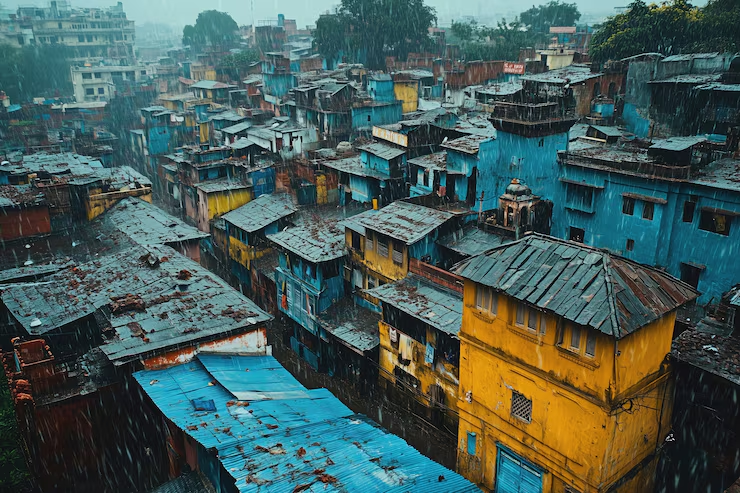
Chattogram City, formerly known as Chittagong, is Bangladesh’s second-largest city and its principal seaport. With a history stretching back over a thousand years, the city has been influenced by Arab traders, Mughal rulers, colonial powers, and modern industrial development.
Set between hills and the sea, Chattogram offers a unique urban landscape. Patenga Beach, located near the port, is a popular recreational area where visitors can watch ships enter and exit the harbor. The sea breeze, walking paths, and local snacks make it a favorite spot for both locals and tourists.
The city is also rich in cultural attractions. The Ethnological Museum showcases the lifestyles, traditions, and artifacts of Bangladesh’s indigenous communities. Religious harmony is visible through historic mosques, Buddhist temples, churches, and Hindu shrines spread across the city.
Chattogram’s hill areas, such as Batali Hill and Foy’s Lake, provide panoramic views and recreational opportunities. Foy’s Lake, surrounded by green hills, is a popular spot for boating and family outings.
As a port city, Chattogram plays a crucial role in Bangladesh’s economy, yet it retains a relaxed coastal charm. The mix of commerce, culture, hills, and sea makes Chattogram City a fascinating destination.
3. Saint Martin’s Island – Bangladesh’s Only Coral Island
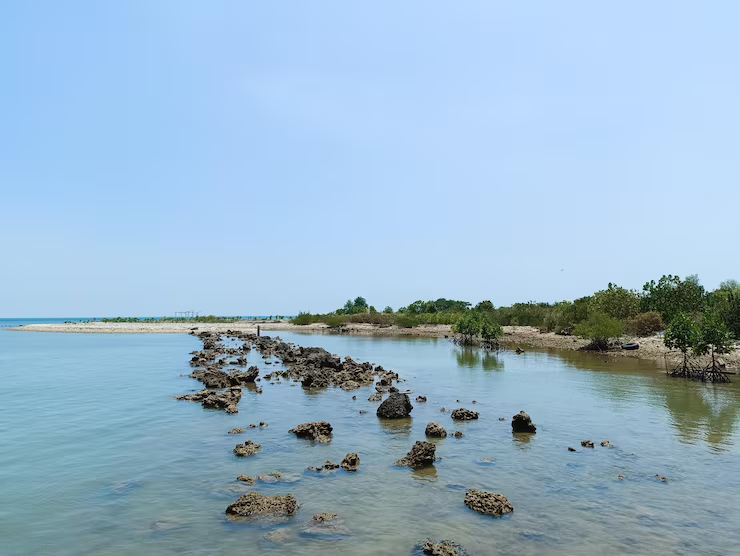
Saint Martin’s Island, located in the northeastern Bay of Bengal near the Myanmar border, is Bangladesh’s only coral island and one of its most beautiful natural destinations. Accessible by boat from Teknaf, the island feels like a tropical paradise far removed from city life.
The island is known for its crystal-clear turquoise waters, white sandy beaches, and vibrant coral formations. During low tide, visitors can walk across exposed coral flats and observe marine life such as colorful fish, crabs, and starfish.
Saint Martin’s Island offers a peaceful, slow-paced environment. There are no large resorts or urban crowds, allowing travelers to experience nature in its purest form. Fresh seafood, especially grilled fish and lobster, is a highlight of the island’s culinary experience.
Sunrise and sunset views are breathtaking, with the sky reflecting shades of orange, pink, and purple over the sea. During winter, the island becomes a favorite destination for photographers and honeymooners.
Despite its beauty, conservation is crucial to protect the island’s fragile ecosystem. Saint Martin’s Island represents the pristine coastal charm of Chattogram Division and remains one of Bangladesh’s most unique travel experiences.
4. Bandarban – Land of Hills, Waterfalls, and Tribal Culture
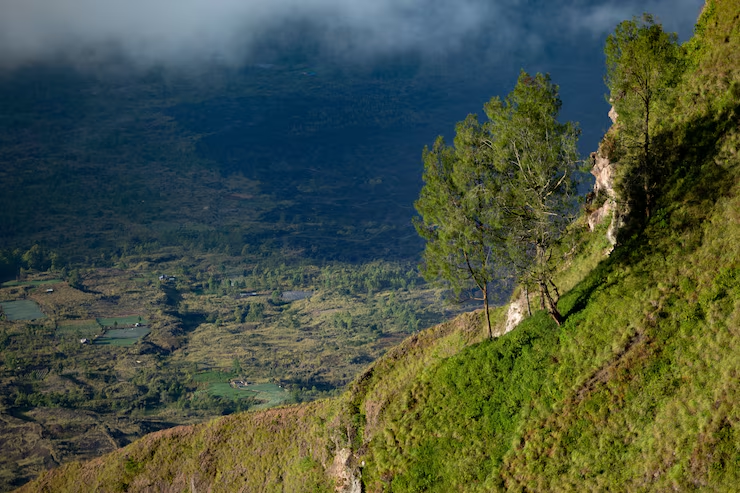
Bandarban is the most scenic hill district in Bangladesh and a key highlight of Chattogram Division. Part of the Chittagong Hill Tracts, Bandarban is characterized by rolling hills, deep valleys, waterfalls, and indigenous communities.
Nature lovers and adventure seekers are drawn to destinations such as Nilgiri, Nilachal, and Boga Lake, which offer stunning panoramic views. Nafakhum Waterfall, one of the largest waterfalls in the country, is especially impressive during the monsoon season when water flows powerfully through rocky gorges.
Bandarban is home to several indigenous groups, including the Marma, Bawm, and Chakma communities. Their traditional lifestyles, colorful attire, and cultural practices add richness to the region’s identity. Visitors can experience tribal villages, local handicrafts, and traditional foods.
Trekking is a popular activity, with routes leading through forests, hills, and remote villages. The peaceful environment, cool climate, and natural beauty make Bandarban a refreshing escape from urban life.
Bandarban offers a perfect combination of adventure, culture, and scenic beauty, making it one of the most unique destinations in Bangladesh.
5. Rangamati – Lake, Hills, and Indigenous Heritage
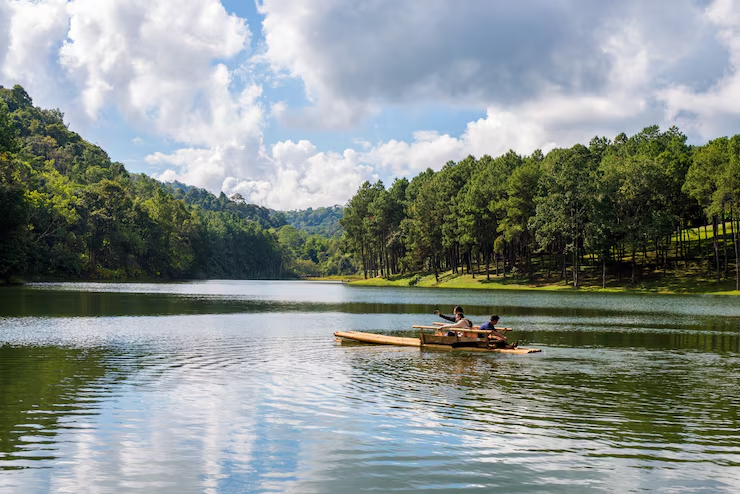
Rangamati, another jewel of the Chittagong Hill Tracts, is best known for Kaptai Lake, the largest man-made lake in Bangladesh. Surrounded by forested hills, Rangamati offers a serene and picturesque environment.
Boat rides on Kaptai Lake are the main attraction, allowing visitors to explore islands, floating markets, and lakeside villages. The reflection of hills on the calm water creates postcard-perfect scenery.
The city features landmarks such as the Hanging Bridge, a popular tourist spot connecting small islands across the lake. Rangamati is also home to several Buddhist temples and monasteries, reflecting the spiritual traditions of the indigenous Chakma community.
Indigenous culture is deeply rooted in Rangamati. Visitors can learn about traditional lifestyles, crafts, and festivals of the hill communities. The region’s natural beauty, combined with cultural depth, creates a peaceful and enriching travel experience.
Rangamati is ideal for travelers seeking tranquility, scenic landscapes, and cultural exploration.