
Now Reading: Top 5 Tourist Places in Sylhet, Bangladesh
-
01
Top 5 Tourist Places in Sylhet, Bangladesh
Top 5 Tourist Places in Sylhet, Bangladesh
Sylhet Division, located in the northeastern corner of Bangladesh, is widely regarded as one of the most naturally beautiful and spiritually significant regions of the country. Surrounded by rolling hills, tea gardens, rivers, forests, and wetlands, Sylhet offers a landscape very different from the flat plains that dominate much of Bangladesh. Its misty mornings, lush greenery, and calm atmosphere have earned it the title of the country’s green paradise.
The region is shaped by rivers flowing down from the Indian hills, creating scenic waterways, wetlands, and fertile valleys. Sylhet is also a deeply spiritual land, known for the arrival of early Islamic saints and scholars whose influence continues to shape its culture today. Alongside its religious heritage, Sylhet is famous for tea cultivation, eco-tourism, and some of the most picturesque river landscapes in South Asia.
In this blog, we explore the Top 5 Tourist Places in Sylhet Division, highlighting why this region is a must-visit destination for nature lovers, spiritual travelers, photographers, and those seeking peace away from crowded cities.
1. Ratargul Swamp Forest – Bangladesh’s Only Freshwater Swamp Forest
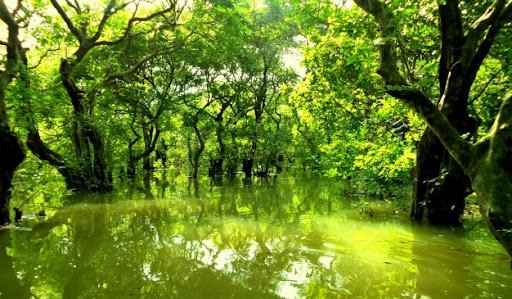
Ratargul Swamp Forest is one of the most extraordinary natural wonders in Bangladesh and the only known freshwater swamp forest in the country. Located near the Goain River in Sylhet, Ratargul becomes truly magical during the monsoon season when rising water levels submerge the forest floor, allowing visitors to explore the area by boat.
Tall trees rise directly from the water, their roots hidden beneath the surface, while narrow channels wind through dense greenery. Small wooden boats glide silently between tree trunks, creating a dreamlike atmosphere that feels untouched and mysterious. During the rainy season, fish swim freely among the trees, birds nest overhead, and the forest comes alive with sound and movement.
Ratargul is an important ecological zone, home to freshwater fish, birds, reptiles, and plant species adapted to seasonal flooding. The forest plays a crucial role in water regulation and biodiversity conservation in the region.
For tourists, Ratargul offers a rare opportunity to experience wetland ecology up close. Boat rides are the main attraction, providing breathtaking views and peaceful immersion in nature. Photography enthusiasts find endless inspiration in the reflections, light patterns, and dense greenery.
Ratargul Swamp Forest represents Sylhet’s raw natural beauty and stands as one of Bangladesh’s most unique eco-tourism destinations.
2. Jaflong – Hills, Stones, and Borderland Beauty

Jaflong is one of the most popular tourist destinations in Sylhet Division, located near the Bangladesh–India border. Known for its dramatic landscapes, Jaflong features rolling hills, clear rivers, stone collection sites, waterfalls, and tea gardens—all set against a backdrop of distant Indian mountains.
The Dawki River, flowing through Jaflong, is famous for its crystal-clear water, especially during the dry season when the riverbed and stones beneath are visible. Stone collection is a major local activity, with workers gathering smooth stones from the riverbed, creating a striking visual contrast between labor and nature.
Jaflong is also home to Khasi tribal communities who live in nearby hills. Their traditional lifestyle, betel leaf cultivation, and bamboo houses add cultural depth to the scenic environment. Visitors can observe rural hill life and gain insight into indigenous traditions that have survived for generations.
The area is especially beautiful during the monsoon, when waterfalls flow down the hills and greenery covers every surface. Tea gardens stretch across nearby slopes, adding to the postcard-like scenery.
Jaflong’s combination of natural beauty, cultural diversity, and borderland geography makes it one of Sylhet’s most visually impressive and emotionally engaging destinations.
3. Srimangal – The Tea Capital of Bangladesh
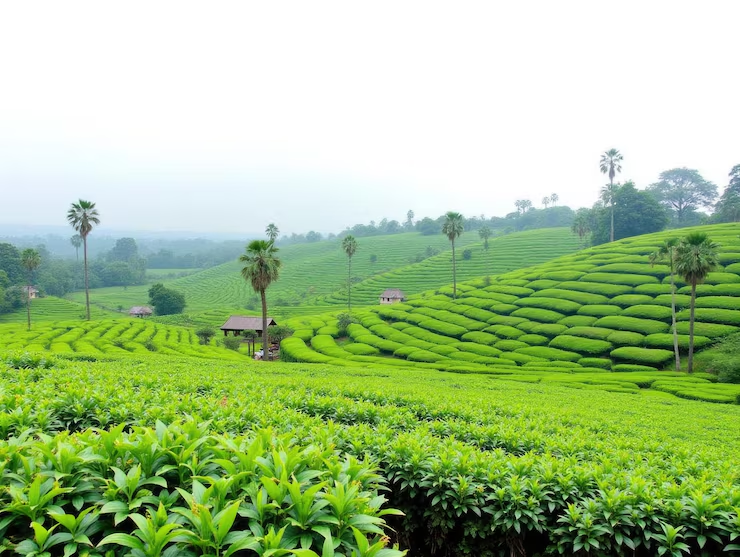
Srimangal is widely known as the Tea Capital of Bangladesh, famous for its vast rolling tea estates, cool climate, and peaceful countryside. Located in Moulvibazar District, Srimangal offers a refreshing escape into green landscapes and colonial-era plantation culture.
Endless tea gardens stretch across gentle hills, creating a rhythmic pattern of green that changes with the light throughout the day. Visitors can walk through tea estates, observe tea plucking, and learn about the production process from leaf to cup. The region’s tea industry dates back to the British colonial period and remains a vital part of Bangladesh’s economy.
Srimangal is also famous for its unique Seven Layer Tea, a visually striking drink made by carefully layering teas of different colors and flavors. This local specialty has become a symbol of the town and attracts visitors from across the country.
Beyond tea, Srimangal is surrounded by forests, national parks, and tribal villages. Nearby attractions include Lawachara National Park, home to rare wildlife and indigenous communities. The area’s calm environment, fresh air, and scenic beauty make it ideal for relaxation, cycling, and eco-tourism.
Srimangal represents the softer, greener side of Sylhet—perfect for travelers seeking tranquility, nature, and cultural depth.
4. Lalakhal – Turquoise River of the Hills
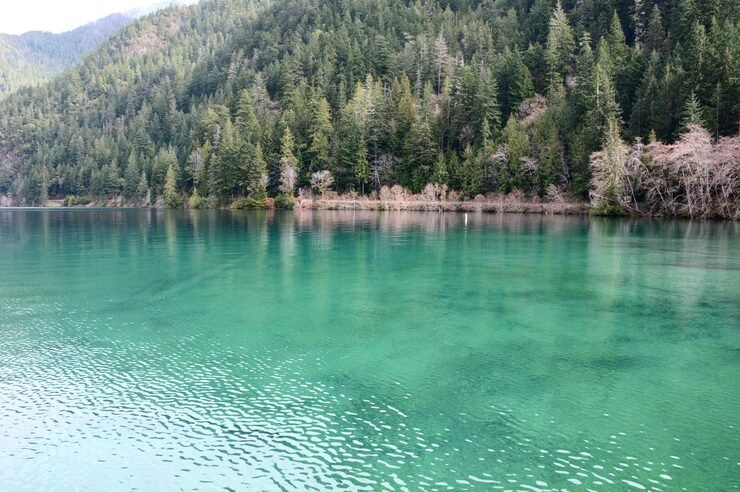
Lalakhal is one of the most visually stunning river destinations in Bangladesh, known for its turquoise-colored water flowing between green hills and forested banks. Located near the Meghalaya hills, Lalakhal is fed by mountain streams that give the river its striking clarity and color.
Boat rides are the main attraction, allowing visitors to drift along calm waters while surrounded by hills, clouds, and open skies. During the rainy season, Lalakhal becomes especially dramatic, with increased water flow and deeper shades of blue and green.
The riverbanks are sparsely populated, creating a peaceful environment far removed from urban life. Occasional fishing boats, stone collectors, and small villages add a human presence without disrupting the natural harmony.
Lalakhal is ideal for photography, nature walks, and quiet reflection. The area is best visited during daylight hours when sunlight enhances the river’s unique color. The surrounding hills and open landscape make it one of the most relaxing destinations in Sylhet Division.
Lalakhal perfectly captures the essence of northeastern Bangladesh—clean water, green hills, and an atmosphere of calm beauty.
5. Hazrat Shah Jalal Shrine – Spiritual Heart of Sylhet
The Shrine of Hazrat Shah Jalal (R.) is the most important spiritual and historical site in Sylhet Division. Hazrat Shah Jalal was a revered Sufi saint who arrived in the region in the 14th century and played a key role in spreading Islam in Bengal.
Located in Sylhet City, the shrine attracts thousands of devotees and visitors every day. People from all over Bangladesh—and even from abroad—come to seek blessings, offer prayers, and pay respect. The atmosphere around the shrine is deeply spiritual, filled with devotion, humility, and peace.
The shrine complex includes the main tomb, prayer areas, and facilities for visitors. Nearby markets sell religious items, sweets, and souvenirs, creating a lively yet respectful environment. The site is especially crowded during religious festivals and Urs celebrations.
Beyond its religious importance, the shrine is central to Sylhet’s identity. The city itself is named after Shah Jalal, and his legacy continues to shape the region’s cultural and spiritual character.
For travelers, visiting the shrine offers insight into Bangladesh’s spiritual traditions, history, and the enduring influence of Sufism in South Asian culture.
Related artical : Top 5 Tourist Places in Barishal, Bangladesh