
Now Reading: Top 5 Tourist Places in Henan, China
-
01
Top 5 Tourist Places in Henan, China

Top 5 Tourist Places in Henan, China
Henan Travel Guide: The Cradle of Chinese Civilization, Kung Fu Heritage, and Sacred Mountains
Henan Province holds a unique and irreplaceable position in China’s history. Often called the cradle of Chinese civilization, Henan is where ancient dynasties rose, philosophies were born, martial arts took shape, and sacred mountains inspired emperors, monks, and scholars for thousands of years. Located in central China along the Yellow River, Henan is not just a destination—it is a living museum of Chinese culture.
With more ancient capitals than any other province, Henan preserves China’s spiritual, political, and cultural foundations. From legendary Kung Fu temples and UNESCO-listed Buddhist grottoes to imperial cities and sacred mountains, Henan offers travelers a deep, meaningful journey into China’s past and present.
This in-depth Henan travel guide (2,000+ words) explores five of the province’s most important tourist destinations:
- Shaolin Temple
- Longmen Grottoes
- Kaifeng
- Luoyang
- Mount Song
1. Shaolin Temple – Birthplace of Kung Fu and Zen Buddhism
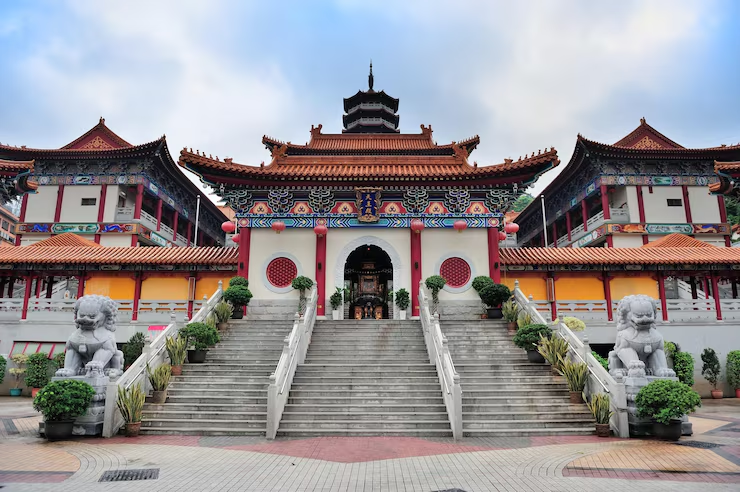
The Shaolin Temple, located on the slopes of Mount Song, is one of the most famous religious and cultural landmarks in the world. Recognized as the birthplace of Chinese Kung Fu, Shaolin Temple is far more than a martial arts site—it is a spiritual center that blends Buddhism, philosophy, discipline, and physical mastery.
Historical Significance
Founded in 495 AD during the Northern Wei Dynasty, Shaolin Temple was originally built as a Buddhist monastery. Over time, monks developed a unique system of physical training to protect themselves and strengthen the body for meditation. This system evolved into Shaolin Kung Fu, which later influenced countless martial arts styles worldwide.
The arrival of Bodhidharma, an Indian monk credited with founding Chan (Zen) Buddhism, further shaped Shaolin’s philosophy, emphasizing meditation, discipline, and harmony between mind and body.
Shaolin Kung Fu Culture
Shaolin Kung Fu is not about aggression—it focuses on:
- Self-discipline
- Balance of mind and body
- Spiritual awareness
- Physical endurance
Visitors can watch live martial arts performances showcasing:
- Traditional Kung Fu forms
- Weapon techniques
- Acrobatics and strength demonstrations
Many schools near the temple offer short-term training programs for visitors.
Temple Complex and Attractions
- Main Hall – Ancient Buddhist worship space
- Pagoda Forest – A cemetery of stone pagodas honoring legendary monks
- Bodhidharma Cave – Meditation site linked to Zen Buddhism
Why Visit Shaolin Temple
Shaolin Temple represents the soul of Chinese martial arts and spiritual discipline. It is a must-visit destination for anyone interested in Kung Fu, Buddhism, or Chinese philosophy.
2. Longmen Grottoes – A Masterpiece of Buddhist Art

The Longmen Grottoes, located near Luoyang along the Yi River, are one of China’s greatest artistic and religious treasures. Recognized as a UNESCO World Heritage Site, Longmen is home to one of the largest collections of Buddhist stone carvings in the world.
A Thousand Years of Art
Carved between the 5th and 8th centuries, the grottoes span several dynasties, including the Northern Wei and Tang Dynasties. Over 100,000 Buddha statues, thousands of inscriptions, and hundreds of caves line the limestone cliffs.
The evolution of carving styles reflects changes in Chinese aesthetics—from early solemn forms to more refined Tang Dynasty realism.
Iconic Highlights
- Vairocana Buddha – A majestic 17-meter-tall statue symbolizing enlightenment
- Binyang Caves – Detailed reliefs depicting Buddhist stories
- Fengxian Temple – Considered the artistic peak of Longmen
Spiritual and Cultural Meaning
Longmen Grottoes were not only religious sites but also political statements, commissioned by emperors to display devotion and power. The sculptures embody ideals of compassion, wisdom, and serenity.
Best Time to Visit
Spring and autumn offer comfortable weather and scenic river views.
Why Visit Longmen Grottoes
Longmen Grottoes are a timeless expression of faith and artistry, offering deep insight into China’s Buddhist heritage.
3. Kaifeng – Ancient Capital of Imperial China
Kaifeng is one of China’s Eight Ancient Capitals and a city deeply rooted in imperial history. It served as the capital during the Northern Song Dynasty, a period known for cultural brilliance, economic growth, and urban innovation.
Historical Importance
During its peak, Kaifeng was one of the largest and most advanced cities in the world. It was a center of:
- Governance
- Commerce
- Literature and art
Kaifeng’s layout influenced later Chinese urban planning.
Major Attractions in Kaifeng
- Iron Pagoda – A brick pagoda surviving floods and wars
- Dragon Pavilion – Imperial palace complex by Panlong Lake
- Millennium City Park – A living recreation of Song Dynasty life
Cultural Experiences
Kaifeng is known for its:
- Traditional night markets
- Song Dynasty performances
- Local snacks and street food
The city also holds historical significance for Chinese Jewish heritage, one of the oldest Jewish communities in China.
Why Visit Kaifeng
Kaifeng offers a rare opportunity to walk through the streets of imperial China and experience daily life as it once was.
4. Luoyang – Ancient Capital and City of Peonies
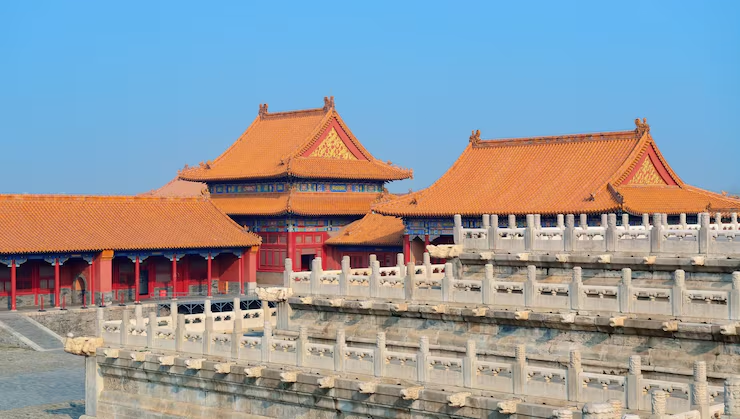
Luoyang is one of China’s most historically important cities, having served as the capital for 13 dynasties. It is often regarded as the spiritual and cultural heart of ancient China.
A City of Dynasties
Luoyang played a central role in:
- Imperial governance
- Buddhist expansion
- Silk Road trade
It was one of the first cities where Buddhism flourished after entering China.
Peony Festival
Luoyang is known as the “City of Peonies.” Every April, the Luoyang Peony Festival attracts visitors from around the world. The peony symbolizes wealth, honor, and prosperity in Chinese culture.
Top Attractions in Luoyang
- White Horse Temple – China’s first Buddhist temple
- Longmen Grottoes – UNESCO site
- Ancient City Ruins – Archaeological treasures
Why Visit Luoyang
Luoyang blends deep history with natural beauty, making it one of Henan’s most culturally rich destinations.
5. Mount Song – Sacred Mountain of Philosophy and Faith
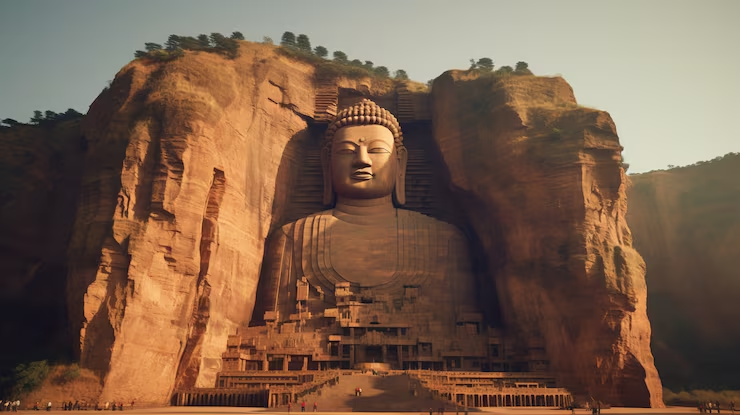
Mount Song, one of China’s Five Great Sacred Mountains, holds immense spiritual and philosophical importance. It has been a center of Taoism, Buddhism, and Confucianism for centuries.
Religious Significance
Mount Song is home to:
- Shaolin Temple
- Taoist temples
- Ancient academies
It represents balance between heaven and earth in Chinese cosmology.
Natural Beauty
Mount Song offers:
- Forested slopes
- Stone peaks
- Scenic hiking trails
The landscape changes dramatically with the seasons, from spring blossoms to autumn colors.
Cultural Landmarks
- Zhongyue Temple – Major Taoist complex
- Songyang Academy – One of China’s oldest educational institutions
Why Visit Mount Song
Mount Song is ideal for travelers seeking spiritual reflection, cultural depth, and natural beauty.
Best Time to Visit Henan
- Spring (Mar–May): Pleasant weather, peony festival
- Autumn (Sep–Oct): Clear skies, comfortable temperatures
- Summer: Hot but lively with festivals
- Winter: Fewer crowds, quieter attractions
Henan Cuisine Highlights
- Henan-style noodles
- Stewed lamb and beef
- Traditional soups
- Street snacks from Kaifeng
The food is hearty and deeply rooted in northern Chinese traditions.