
Now Reading: Top 5 Tourist Places in Hubei, China
-
01
Top 5 Tourist Places in Hubei, China
Top 5 Tourist Places in Hubei, China
Hubei Travel Guide: Rivers, Sacred Mountains, Ancient Cities, and the Heart of Central China
Hubei Province sits at the very heart of China, both geographically and historically. Often called the “Province of a Thousand Lakes”, Hubei is shaped by the mighty Yangtze River, fertile plains, sacred mountains, and ancient cities that once guided Chinese civilization. As a crossroads of culture, commerce, and philosophy, Hubei has played a crucial role in China’s development for over two millennia.
From the vibrant river city of Wuhan to the engineering marvel of the Three Gorges Dam, from the mysterious forests of Shennongjia to the Taoist peaks of Wudang Mountains and the ancient walls of Jingzhou, Hubei offers a diverse and deeply rewarding travel experience.
This 2,000+ word comprehensive Hubei travel guide explores the province’s top five tourist destinations:
- Wuhan
- Three Gorges Dam
- Shennongjia
- Wudang Mountains
- Jingzhou
1. Wuhan – Yangtze River Metropolis and Cultural Heart of Central China
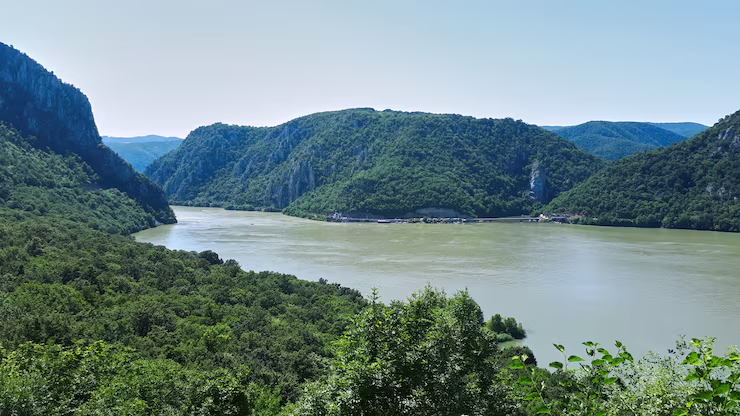
Wuhan, the capital of Hubei Province, is one of China’s most important inland cities. Located at the confluence of the Yangtze River and Han River, Wuhan has long served as a major transportation, industrial, and cultural hub. The city is often described as the “thoroughfare of nine provinces,” highlighting its strategic position in central China.
Historical and Cultural Importance
Wuhan’s history spans more than 3,500 years and includes the ancient cities of Wuchang, Hankou, and Hanyang, which later merged into modern Wuhan. The city has played key roles in:
- Ancient river trade
- The rise of modern industry
- Revolutionary movements, including the 1911 Wuchang Uprising, which led to the fall of the Qing Dynasty
Yellow Crane Tower – Wuhan’s Icon
The Yellow Crane Tower is Wuhan’s most famous landmark and one of China’s Four Great Towers. Originally built over 1,700 years ago, the tower has been rebuilt multiple times and symbolizes:
- Literary inspiration
- Philosophical reflection
- The passage of time
From the top, visitors enjoy panoramic views of the Yangtze River, bridges, and city skyline.
Modern Wuhan
Today, Wuhan is a vibrant metropolis known for:
- Universities and research centers
- Bustling riverfront promenades
- Night markets and cultural districts
Food and Local Cuisine
Wuhan is famous for its bold and flavorful cuisine:
- Hot dry noodles (Re Gan Mian)
- Duck neck snacks
- River fish dishes
Why Visit Wuhan
Wuhan combines ancient history with modern urban energy, making it an essential gateway to Hubei Province.
2. Three Gorges Dam – Engineering Wonder of the Modern World
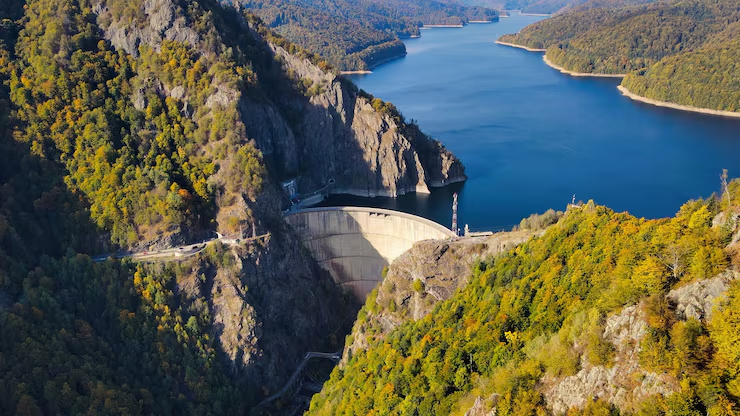
The Three Gorges Dam, located near Yichang on the Yangtze River, is the largest hydroelectric power station in the world. It stands as a symbol of China’s engineering ambition and technological achievement.
The Yangtze River and the Three Gorges
For centuries, the Three Gorges region—Qutang Gorge, Wu Gorge, and Xiling Gorge—was known for its dramatic cliffs, fast-flowing waters, and poetic beauty. While the dam transformed the landscape, it also created new scenic reservoirs and viewpoints.
Scale and Significance of the Dam
Key facts:
- Over 2 kilometers long
- Produces massive amounts of renewable energy
- Controls flooding along the Yangtze
- Improves river navigation
The dam plays a crucial role in powering cities across China.
Visitor Experience
Tourists can:
- Visit observation decks
- Learn about hydropower technology
- Enjoy panoramic views of the Yangtze River
Nearby museums explain the dam’s construction, environmental impact, and social changes.
Yangtze River Cruises
Many travelers combine a visit to the dam with a Yangtze River cruise, offering scenic views of cliffs, temples, and river towns.
Why Visit the Three Gorges Dam
The Three Gorges Dam represents the intersection of nature, technology, and modern China’s vision for the future.
3. Shennongjia – Pristine Forests and China’s Wild Heart
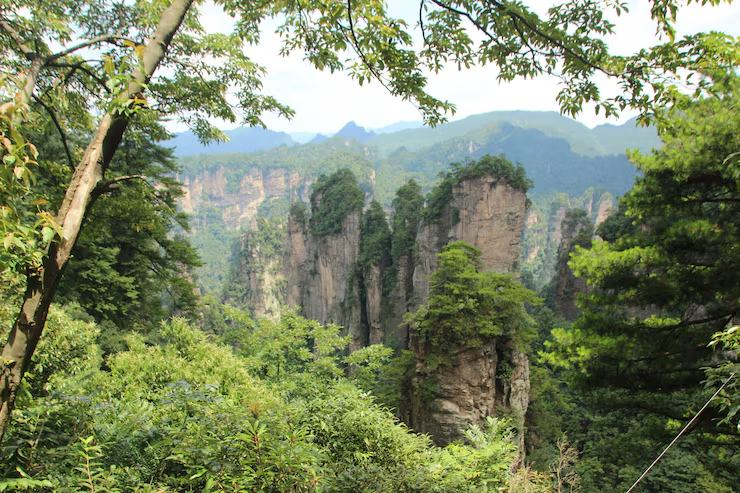
Shennongjia is one of China’s most mysterious and ecologically rich regions. Located in western Hubei, this vast forest reserve is recognized as a UNESCO World Heritage Site and a national nature reserve.
A Land of Legends
Named after Shennong, the mythical “Divine Farmer” who taught ancient Chinese people about agriculture and medicine, the region is steeped in folklore. Shennongjia is also famous for legends of the Yeren, a creature often compared to Bigfoot.
Biodiversity and Wildlife
Shennongjia is one of China’s most important biodiversity hotspots, home to:
- Golden snub-nosed monkeys
- Clouded leopards
- Rare birds and plant species
Dense forests, deep valleys, and high mountains create diverse ecosystems.
Natural Attractions
- Primeval forests
- Alpine meadows
- Waterfalls and streams
- Snow-covered peaks in winter
Outdoor Activities
Visitors can enjoy:
- Hiking and trekking
- Wildlife observation
- Photography and eco-tourism
Why Visit Shennongjia
Shennongjia offers untouched nature, fresh air, and a rare glimpse into China’s wild landscapes.
4. Wudang Mountains – Sacred Taoist Peaks and Martial Arts Legacy
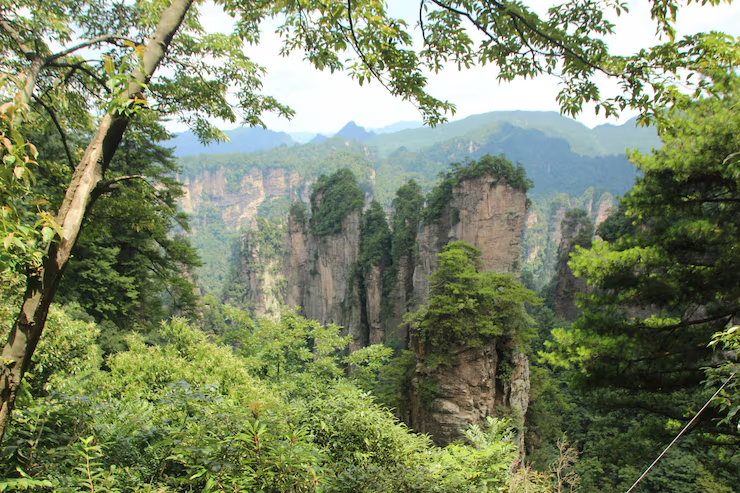
The Wudang Mountains are one of China’s most sacred Taoist sites and a UNESCO World Heritage Site. Located in northwestern Hubei, Wudang is famous for its spiritual atmosphere, ancient temples, and internal martial arts traditions.
Taoist Significance
For over a thousand years, Wudang has been a center of Taoism, emphasizing:
- Harmony with nature
- Balance of yin and yang
- Spiritual cultivation
Emperors of the Ming Dynasty heavily sponsored temple construction here.
Temple Complexes
Key sites include:
- Golden Hall – A copper-gilded shrine atop Tianzhu Peak
- Purple Cloud Temple – A beautifully preserved Taoist complex
- Nanyan Palace – Dramatically built into cliffs
Wudang Martial Arts
Wudang is known as the birthplace of internal martial arts, such as Tai Chi. These practices focus on:
- Controlled movement
- Breath and energy flow
- Meditation in motion
Scenic Beauty
Mist-covered peaks, ancient stairways, and mountain forests create a peaceful, otherworldly environment.
Why Visit Wudang Mountains
Wudang offers spiritual depth, cultural heritage, and breathtaking mountain scenery.
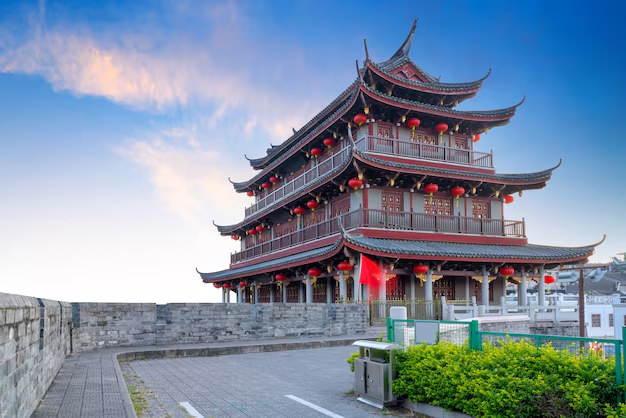
5. Jingzhou – Ancient Walled City of the Three Kingdoms Era
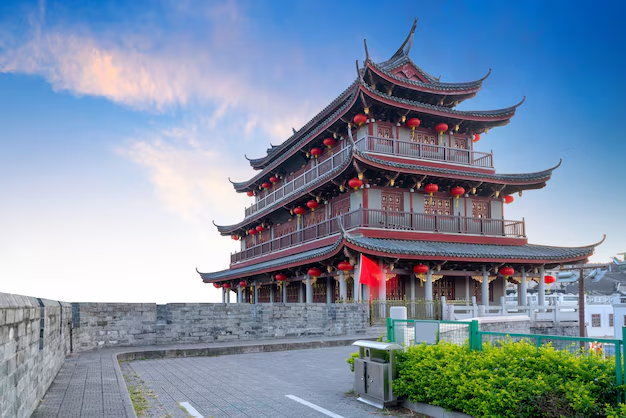
Jingzhou is one of China’s best-preserved ancient walled cities and a key site in Three Kingdoms history. Located along the Yangtze River, Jingzhou was once a major military and administrative center.
Historical Importance
Jingzhou played a vital role during:
- The Three Kingdoms period
- Ancient river trade
- Southern Chinese defense strategies
It was famously associated with legendary figures such as Guan Yu.
Jingzhou Ancient City Wall
The massive city wall stretches for kilometers and remains remarkably intact. Visitors can:
- Walk or cycle along the walls
- View gates, towers, and moats
Cultural Attractions
- Guan Yu Temple – Honoring the legendary general
- Jingzhou Museum – Artifacts from ancient Chu culture
- Traditional streets and markets
Why Visit Jingzhou
Jingzhou offers a vivid journey into ancient Chinese warfare, culture, and daily life.
Best Time to Visit Hubei
- Spring (Mar–May): Mild weather, flowers, ideal sightseeing
- Summer (Jun–Aug): Hot and lively, river cruises popular
- Autumn (Sep–Oct): Clear skies, comfortable temperatures
- Winter: Quiet season, fewer tourists
Related artical : Top 5 Tourist Places in Henan, China