
Now Reading: Top 5 Tourist Places in Hunan, China
-
01
Top 5 Tourist Places in Hunan, China
Top 5 Tourist Places in Hunan, China
Hunan Travel Guide: Avatar Mountains, Ancient Towns, Sacred Peaks, and the Spirit of Central China
Hunan Province is one of China’s most visually dramatic and culturally rich destinations. Located in south-central China, Hunan is known for its towering sandstone mountains, mist-filled valleys, ancient towns, sacred peaks, fiery cuisine, and deep intellectual traditions. The province’s name means “south of the lake,” referring to its position below Dongting Lake, one of China’s largest freshwater lakes.
Hunan has inspired poets, philosophers, revolutionaries, and filmmakers alike. From the otherworldly landscapes of Zhangjiajie to the lantern-lit streets of Fenghuang Ancient Town, from sacred Taoist mountains to historic academies of learning, Hunan offers travelers a powerful blend of nature, history, and culture.
This 2,000+ word comprehensive Hunan travel guide explores the province’s top five tourist destinations:
- Zhangjiajie National Forest Park
- Fenghuang Ancient Town
- Mount Heng
- Changsha
- Yuelu Academy
1. Zhangjiajie National Forest Park – The Real-Life Avatar Mountains
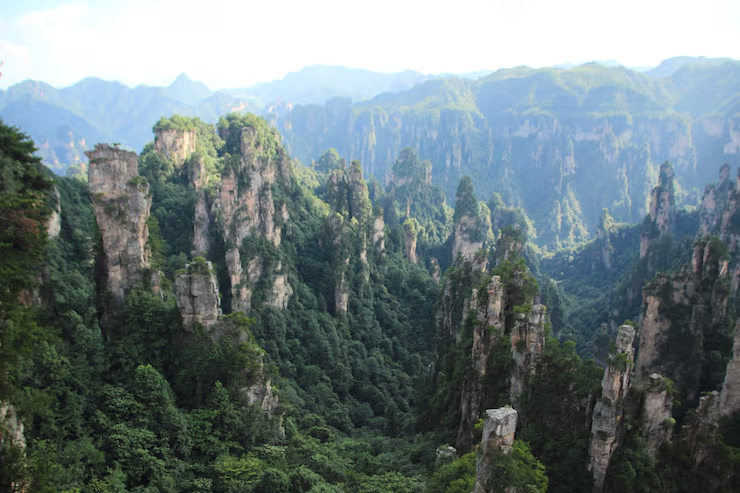
Zhangjiajie National Forest Park is Hunan’s most famous attraction and one of China’s most iconic natural landscapes. Known worldwide for its towering sandstone pillars, this UNESCO-listed site inspired the floating mountains in James Cameron’s film Avatar.
A Landscape Unlike Anywhere Else on Earth
The park features more than 3,000 vertical sandstone pillars, rising hundreds of meters from deep forested valleys. Over millions of years, erosion sculpted these rock columns into dramatic shapes resembling pillars, peaks, and spires.
Mists often drift between the mountains, creating an ethereal atmosphere that feels surreal and dreamlike.
Major Scenic Areas
- Yuanjiajie Scenic Area – Home to the famous “Avatar Hallelujah Mountain”
- Tianzi Mountain – Known for sweeping views, sea of clouds, and sunrise scenery
- Golden Whip Stream – A peaceful valley trail with clear water and lush greenery
Glass Bridges and Modern Attractions
Zhangjiajie is also known for daring attractions:
- Zhangjiajie Glass Bridge – One of the world’s highest and longest glass bridges
- Cliffside walkways and skywalks
These modern features offer thrilling perspectives of the dramatic landscape.
Best Time to Visit Zhangjiajie
- April–October for greenery and mist
- Spring and autumn provide the best balance of weather and scenery
Why Visit Zhangjiajie
Zhangjiajie is a once-in-a-lifetime destination, offering some of the most surreal mountain scenery in the world.
2. Fenghuang Ancient Town – Timeless Riverside Beauty

Fenghuang Ancient Town, located in western Hunan, is one of China’s most picturesque historic towns. Set along the Tuojiang River, Fenghuang is known for its stilted wooden houses, stone bridges, narrow alleys, and glowing lanterns.
History and Ethnic Culture
Fenghuang has over 1,300 years of history and is home to ethnic minority groups such as the Miao and Tujia. Their traditions, costumes, music, and architecture shape the town’s unique identity.
Architectural Highlights
- Wooden stilt houses built over the river
- Ancient city walls and gates
- Stone bridges crossing the Tuojiang River
At night, the town transforms as lanterns reflect on the water, creating a magical atmosphere.
Cultural Experiences
Visitors can:
- Explore traditional workshops
- Watch folk performances
- Taste local snacks and rice wine
Best Time to Visit Fenghuang
- Spring and autumn offer pleasant weather
- Early morning and evening provide the best photography
Why Visit Fenghuang
Fenghuang feels like stepping back in time. It is perfect for slow travel, photography, and cultural immersion.
3. Mount Heng – Sacred Taoist Mountain of Southern China
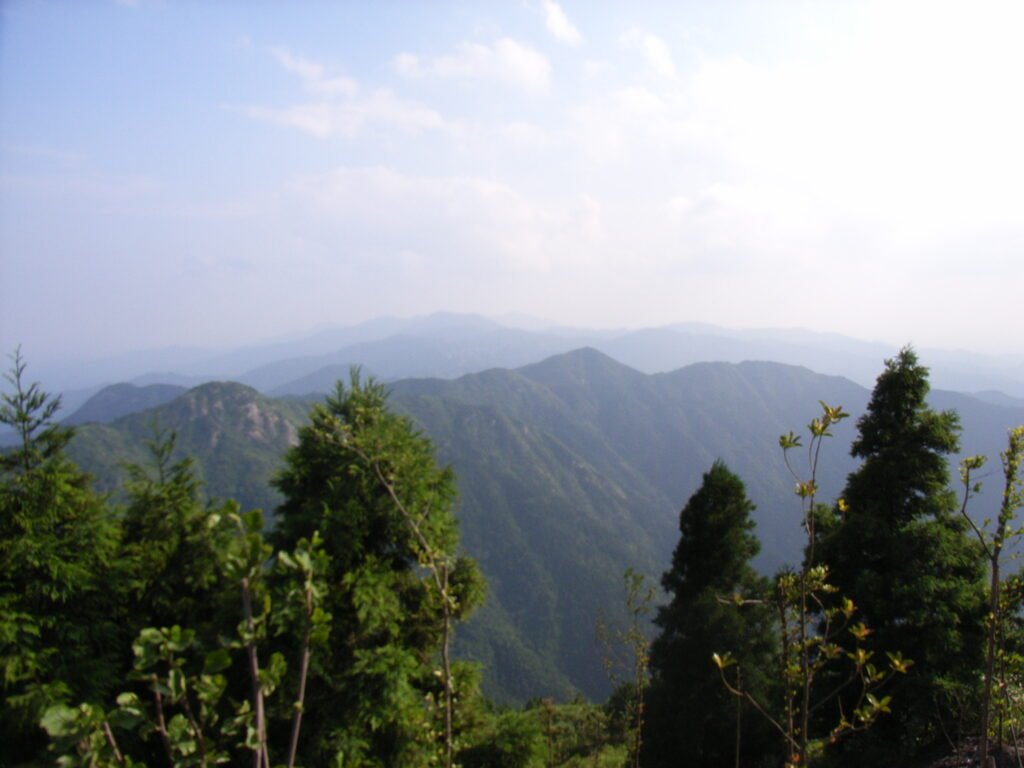
Mount Heng (Hengshan) is one of China’s Five Great Sacred Mountains, representing the southern direction in Chinese cosmology. For thousands of years, it has been a center of Taoism, Buddhism, and Confucian worship.
Religious and Cultural Significance
Mount Heng has attracted emperors, monks, and scholars who came to pray for harmony, prosperity, and enlightenment. Temples and shrines are scattered throughout the mountain range.
Major Attractions on Mount Heng
- Nanyue Temple – One of the largest Taoist temples in southern China
- Zhurong Peak – The highest peak, offering panoramic views
- Ancient stone stairways and forested trails
Natural Beauty
Mount Heng features:
- Dense forests
- Granite peaks
- Changing seasonal scenery
In spring, the mountain blooms with flowers; in autumn, it glows with golden foliage.
Why Visit Mount Heng
Mount Heng offers spiritual depth, cultural heritage, and peaceful natural scenery, making it ideal for reflective travelers.
4. Changsha – Spicy Capital of Hunan and Cultural Powerhouse
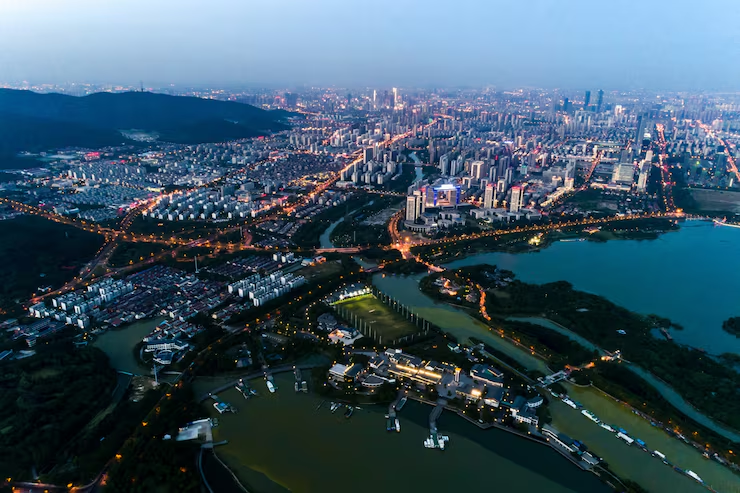
Changsha, the capital of Hunan Province, is a lively modern city with deep historical roots. Located along the Xiang River, Changsha blends youthful energy, ancient history, and some of the spiciest food in China.
Historical Importance
Changsha has been an important city for over 3,000 years and played a major role in:
- Ancient Chu culture
- Revolutionary history
- Modern Chinese education
Food Capital of China
Hunan cuisine is famous for its bold heat and rich flavors, and Changsha is its heart.
Popular dishes include:
- Spicy chopped chili fish head
- Stir-fried pork with chilies
- Smelly tofu (a local specialty)
Modern Attractions
- Riverfront night markets
- Cultural streets and shopping areas
- Museums showcasing Chu culture and modern history
Why Visit Changsha
Changsha offers the perfect mix of history, nightlife, culture, and unforgettable food.
5. Yuelu Academy – Ancient Center of Learning and Philosophy
Yuelu Academy, located at the foot of Yuelu Mountain in Changsha, is one of China’s four great ancient academies. Founded over 1,000 years ago, it played a crucial role in shaping Confucian scholarship.
Academic Legacy
Yuelu Academy educated generations of scholars who influenced:
- Imperial governance
- Philosophy and ethics
- Chinese education systems
The academy later became part of Hunan University, linking ancient scholarship with modern education.
Architectural Features
- Traditional courtyards
- Lecture halls and libraries
- Stone tablets with classical inscriptions
Spiritual Atmosphere
Surrounded by trees and hills, Yuelu Academy offers a peaceful environment ideal for reflection and learning.
Why Visit Yuelu Academy
Yuelu Academy represents the intellectual soul of Hunan and offers insight into China’s scholarly traditions.
Best Time to Visit Hunan
- Spring (Mar–May): Flowers, mild weather
- Summer (Jun–Aug): Hot but vibrant, ideal for mountains
- Autumn (Sep–Oct): Best overall season
- Winter: Quiet, fewer crowds