
Now Reading: Top 5 Tourist Places in Manitoba, Canada
-
01
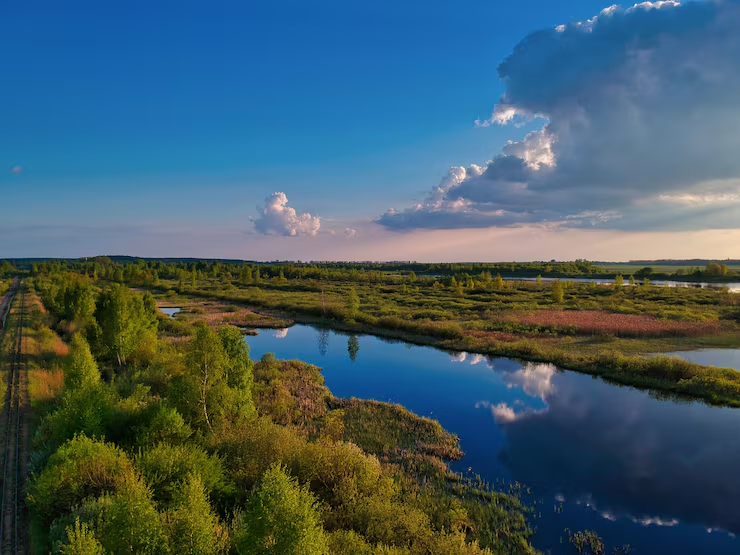
Top 5 Tourist Places in Manitoba, Canada
Top 5 Tourist Places in Manitoba, Canada
Manitoba – Where Prairies Meet the Wild North
Manitoba is a fascinating Canadian province that blends wide-open prairies, deep Indigenous history, vibrant cities, pristine lakes, and some of the most unique wildlife experiences in the world. Located in the heart of Canada, Manitoba often surprises travelers with its cultural richness and natural beauty. From historic trading routes and multicultural neighborhoods to polar bears and northern lights, Manitoba offers experiences that cannot be found anywhere else in the country.
Often called the gateway between eastern and western Canada, Manitoba has played a crucial role in the nation’s development. It is a province shaped by rivers, railways, and resilience. In this long-form travel guide, we explore the top five tourist destinations in Manitoba, each in depth, making this article ideal for SEO-focused travel blogs, WordPress websites, and destination guides.
1. Winnipeg – Cultural Hub with Museums and Historic Districts

Winnipeg, the capital and largest city of Manitoba, is widely regarded as the cultural heart of the province. Situated at the confluence of the Red and Assiniboine Rivers, Winnipeg has long been a meeting place for Indigenous peoples, fur traders, and settlers, shaping its rich and diverse identity.
One of Winnipeg’s most important attractions is The Canadian Museum for Human Rights, an architectural landmark and one of the world’s only museums dedicated entirely to human rights. Through interactive exhibits and powerful storytelling, the museum explores global and Canadian struggles for equality and justice. Nearby, The Forks area connects visitors to centuries of history while serving as a lively public space.
Winnipeg’s historic districts offer deep insight into the city’s past. The Exchange District, a National Historic Site, features beautifully preserved early 20th-century warehouses, now home to art galleries, cafes, boutiques, and theaters. Walking through its streets feels like stepping back in time while enjoying a modern cultural scene.
The city is also known for its strong arts community. Winnipeg supports world-class ballet, theater, and music institutions, including the Royal Winnipeg Ballet, one of the oldest ballet companies in North America. Festivals, live music, and cultural events take place year-round, reflecting the city’s multicultural population.
Winnipeg’s food scene mirrors its diversity, offering everything from traditional Indigenous cuisine to Eastern European specialties and modern Canadian dining. Seasonal markets and local restaurants highlight Manitoba-grown ingredients.
Despite its urban character, Winnipeg embraces nature. Extensive riverwalks, parks, and green spaces provide opportunities for cycling, walking, and winter activities such as skating on frozen rivers.
Winnipeg is a city of resilience, creativity, and cultural depth, making it an essential starting point for exploring Manitoba.
2. Churchill – Polar Bear Capital and Northern Lights Destination
Churchill is one of the most extraordinary travel destinations in the world. Located on the western shore of Hudson Bay, this remote northern town is internationally famous as the Polar Bear Capital of the World. Every autumn, polar bears migrate through the area while waiting for the bay to freeze, creating a once-in-a-lifetime wildlife experience.
Visitors come to Churchill from across the globe to see polar bears in their natural habitat. Special tundra vehicles allow safe and respectful viewing, offering close encounters with these magnificent animals. This wildlife tourism plays an important role in conservation and education.
Churchill is also one of the best places on Earth to witness the Northern Lights (Aurora Borealis). Long winter nights, clear skies, and minimal light pollution create ideal conditions for viewing vibrant green and purple auroras dancing across the sky.
In summer, Churchill transforms into a beluga whale hotspot. Thousands of beluga whales migrate to the Churchill River estuary, and visitors can kayak or take boat tours to observe these friendly and vocal marine mammals.
The town has a rich history shaped by fur trading, railways, and Indigenous culture. Historic forts, shipwrecks, and cultural centers tell the story of life in Canada’s far north.
Churchill offers raw, unforgettable encounters with nature, making it one of Manitoba’s most iconic and adventurous destinations.
3. Riding Mountain National Park – Forests, Wildlife, and Lakes

Riding Mountain National Park is a natural oasis rising dramatically from the surrounding prairies of Manitoba. This unique landscape of forested hills, lakes, and wildlife provides a striking contrast to the flat farmland beyond its borders.
The park is home to a wide variety of wildlife, including bison, elk, moose, deer, black bears, and numerous bird species. Wildlife viewing is one of the park’s main attractions, especially during early mornings and evenings.
Hiking trails wind through forests, meadows, and scenic viewpoints, offering routes suitable for all fitness levels. In summer, visitors enjoy swimming, canoeing, and kayaking on clear lakes, while winter brings snowshoeing, cross-country skiing, and peaceful snowy landscapes.
The townsite of Wasagaming, located within the park, serves as a welcoming hub with accommodations, restaurants, and visitor services. Clear Lake, with its sandy beaches and calm waters, is a popular gathering place for families and travelers.
Riding Mountain also holds cultural and historical significance, with Indigenous heritage and early settlement stories preserved through interpretation and education.
The park offers a perfect blend of adventure, relaxation, and wildlife immersion, making it one of Manitoba’s top outdoor destinations.
4. Hecla Island – Peaceful Retreat on Lake Winnipeg
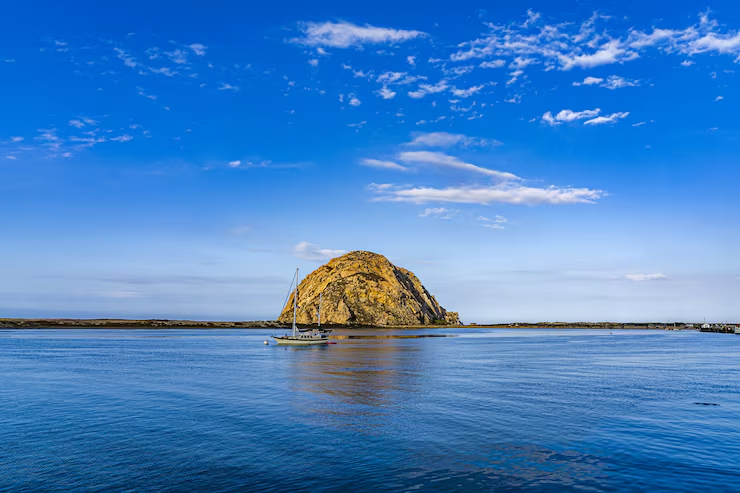
Hecla Island is a tranquil getaway located on the western shore of Lake Winnipeg, one of the largest freshwater lakes in the world. Connected to the mainland by a causeway, Hecla Island feels remote and peaceful, making it ideal for travelers seeking relaxation and nature.
The island is known for its scenic beauty, featuring shoreline trails, wetlands, and wide-open skies. Birdwatching is especially popular, with migratory birds passing through the area in large numbers.
Hecla Island has a strong Icelandic heritage, reflected in local culture, architecture, and traditions. Museums and cultural centers share the story of Icelandic settlers who arrived in the region in the 19th century.
Outdoor activities include hiking, cycling, boating, fishing, and cross-country skiing in winter. The island’s quiet environment makes it a favorite for wellness retreats, photography, and peaceful escapes.
Hecla Island combines natural beauty, cultural history, and calm surroundings, offering a refreshing contrast to city life.
5. The Forks – Historic Meeting Place and Riverfront Attraction
The Forks is one of Manitoba’s most important historic and cultural landmarks. Located at the junction of the Red and Assiniboine Rivers in Winnipeg, The Forks has been a gathering place for Indigenous peoples for over 6,000 years.
Today, The Forks is a vibrant public space that blends history with modern attractions. The area features markets, restaurants, museums, and riverwalks that attract both locals and visitors.
The Forks Market is a highlight, offering local food vendors, artisan shops, and cultural displays. Seasonal events, live music, and festivals create a lively atmosphere throughout the year.
Riverwalk paths allow visitors to explore the waterfront on foot or by bike. In winter, frozen river trails become popular for skating and walking, showcasing Manitoba’s embrace of all seasons.
Interpretive signage and public art installations tell the story of The Forks’ Indigenous roots, fur trade history, and role in the development of Winnipeg.
The Forks represents the heart of Manitoba’s past and present, making it an essential stop for anyone visiting the province.
Conclusion: Why Manitoba Deserves a Place on Your Travel List
Manitoba is a province of powerful contrasts—from vibrant cultural cities to remote Arctic wildlife destinations. Winnipeg’s creativity, Churchill’s wildlife wonders, Riding Mountain’s natural beauty, Hecla Island’s peaceful charm, and The Forks’ historic significance together create a diverse and rewarding travel experience.
For travelers seeking authenticity, nature, culture, and unforgettable moments, Manitoba stands out as one of Canada’s most unique and underrated destinations.