
Now Reading: Top 5 Tourist Places in Mymensingh, Bangladesh
-
01
Top 5 Tourist Places in Mymensingh, Bangladesh

Top 5 Tourist Places in Mymensingh, Bangladesh
Mymensingh Division, located in north-central Bangladesh, is a region rich in rivers, culture, folklore, and natural beauty. Separated from Dhaka Division in 2015, it includes the districts of Mymensingh, Netrokona, Sherpur, and Jamalpur. The division is deeply rooted in Bengali literature, traditional music, indigenous cultures, and river-based life shaped by the mighty Brahmaputra River.
Unlike fast-paced urban destinations, Mymensingh offers travelers a more peaceful and culturally immersive experience. Rolling hills near the Indian border, forested landscapes, ancient zamindar estates, and vibrant rural communities define the region’s character. It is also home to several indigenous groups, including the Garo, Hajong, and Koch communities, whose traditions add cultural depth to the area.
Mymensingh has long been celebrated in Bengali folk songs, poems, and literature, especially through the famous Mymensingh Geetika. The division balances historical landmarks, scenic countryside, and eco-tourism opportunities, making it ideal for travelers seeking authenticity, nature, and heritage.
In this blog, we explore the Top 5 Tourist Places in Mymensingh Division, each highlighting a unique aspect of the region’s history, environment, and cultural richness.
1. Birishiri (Netrokona) – Land of Ceramic Hills and Indigenous Culture
Birishiri, located in Durgapur Upazila of Netrokona District, is one of the most beautiful and unique tourist destinations in Mymensingh Division. Known for its ceramic hills, colorful soil formations, rivers, and indigenous communities, Birishiri offers a rare blend of natural beauty and cultural heritage.
The region is famous for its white and reddish clay hills, which give the landscape a striking appearance unlike anywhere else in Bangladesh. The Someshwari River, flowing from the Garo Hills of India, runs through Birishiri and changes color with the seasons—from crystal clear in winter to vibrant shades during the monsoon.
Birishiri is home to several indigenous groups, particularly the Garo and Hajong communities, who maintain distinct languages, customs, and traditional lifestyles. Visitors can experience local culture, traditional clothing, food, and handicrafts while interacting respectfully with the community.
Nearby attractions include Durgapur Mission, historical churches, small lakes, and open fields ideal for photography and nature walks. The peaceful environment makes Birishiri a popular destination for eco-tourism, students, researchers, and travelers seeking off-the-beaten-path experiences.
Birishiri represents the raw, untouched beauty of northern Bangladesh and stands as a symbol of harmony between nature and indigenous culture.
2. Mymensingh City – Cultural Heart of Northern Bangladesh
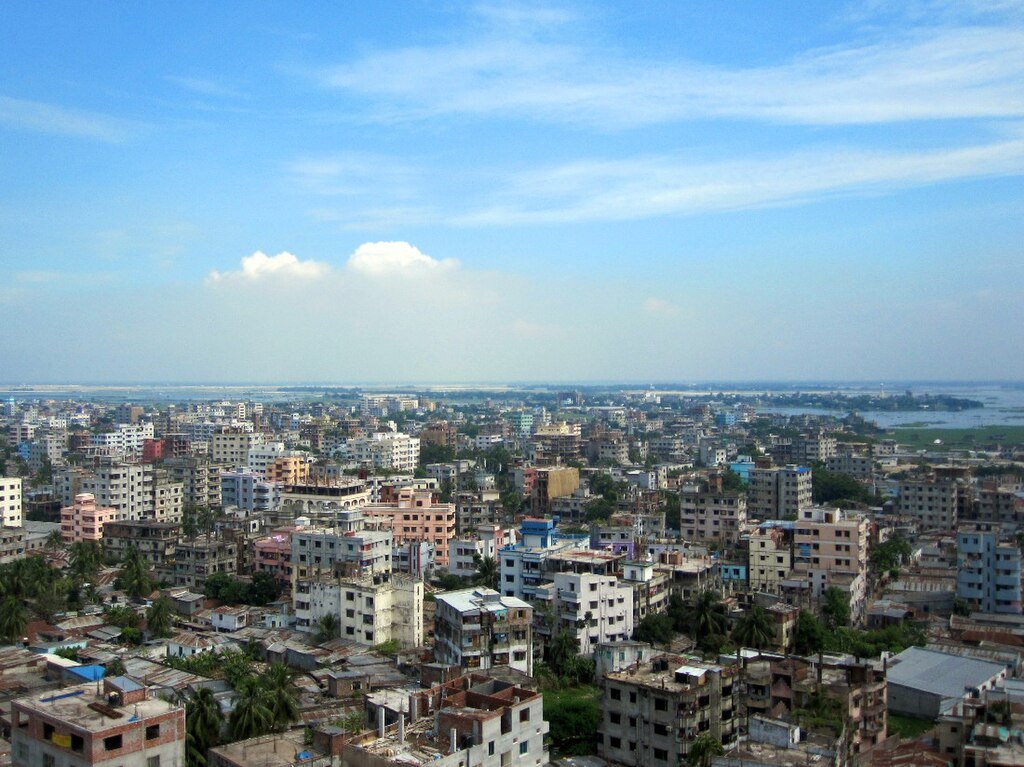
Mymensingh City is the administrative and cultural capital of the division and one of the oldest municipalities in Bangladesh. Situated on the banks of the Brahmaputra River, the city has played a significant role in education, literature, and politics throughout the country’s history.
The city is best known for Shashi Lodge, a historic building associated with zamindari heritage and literary movements. It once hosted poets, writers, and intellectuals, contributing to Mymensingh’s reputation as a center of Bengali culture.
Mymensingh is also home to Bangladesh Agricultural University (BAU), one of the country’s leading educational institutions. The university campus is vast, green, and scenic, attracting visitors for its peaceful environment and academic legacy.
A walk along the Brahmaputra riverbank offers stunning views, especially during sunset. Boat rides, riverside parks, and local food stalls provide a relaxing urban experience with a rural touch.
Museums, libraries, old colonial buildings, and traditional markets reflect the city’s historical layers. Mymensingh City beautifully balances education, culture, and river-based life, making it an essential destination for understanding the region’s identity.
3. Haluaghat Border Area – Scenic Countryside and River Landscapes
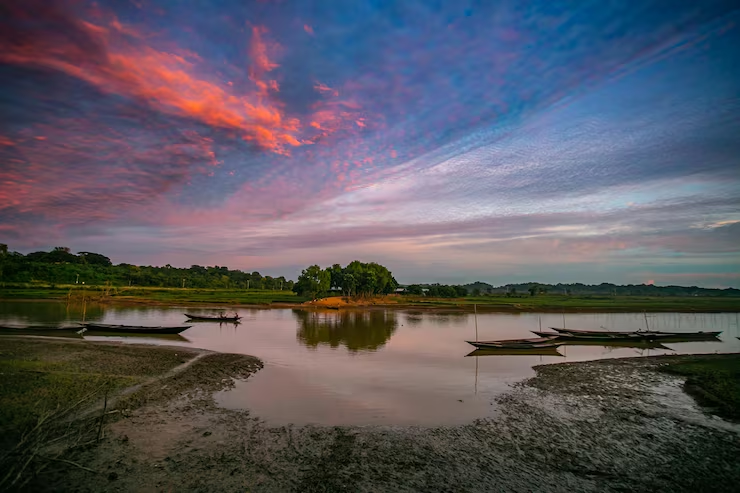
The Haluaghat Border Area, located near the Bangladesh–India border in Mymensingh District, is known for its open countryside, river scenery, and peaceful rural atmosphere. This area remains largely untouched by mass tourism, offering visitors a glimpse of authentic village life.
The landscape is shaped by rivers, canals, agricultural fields, and distant hills from the Indian side of the border. During different seasons, the scenery transforms dramatically—from lush green fields in monsoon to golden farmlands during harvest time.
Haluaghat is an ideal destination for travelers who enjoy nature walks, photography, and slow travel. The simplicity of rural life, combined with wide skies and flowing rivers, creates a calming and reflective experience.
The border region also offers insight into cross-border culture, trade routes, and historical connections between communities on both sides. Local markets showcase agricultural produce, handmade goods, and traditional foods.
Though lacking major monuments, Haluaghat’s charm lies in its natural beauty, quiet rhythm, and human connection, making it a refreshing escape from crowded tourist destinations.
4. Muktagacha Zamindar Bari – Legacy of Landlords and Architecture
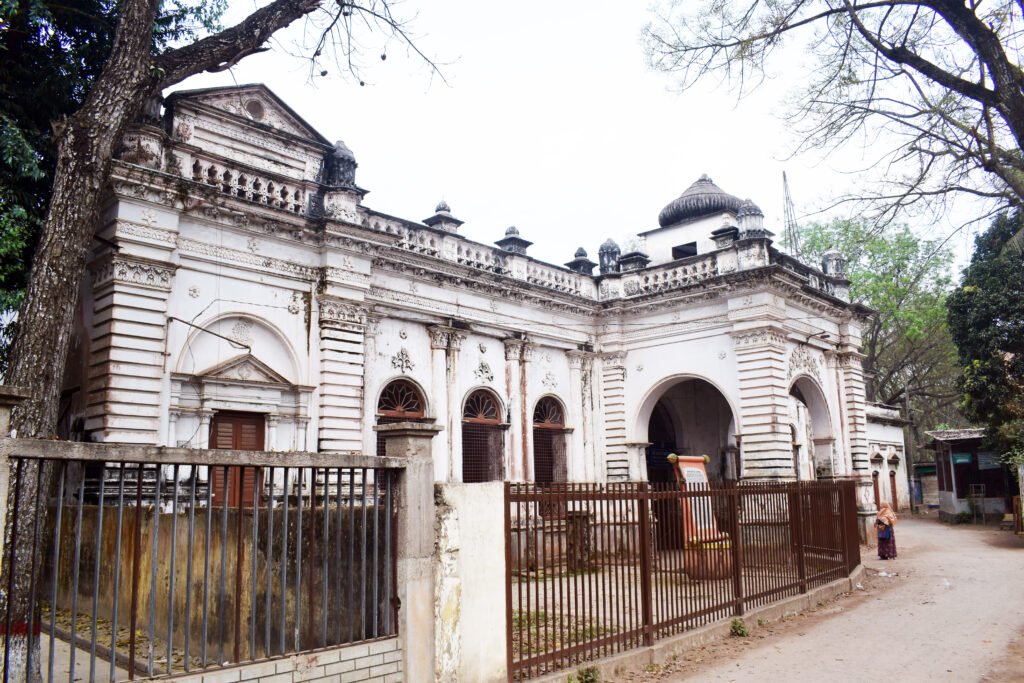
Muktagacha Zamindar Bari, located in Muktagacha Upazila of Mymensingh District, is one of the most historically significant zamindar estates in Bangladesh. Built during the British colonial period, the palace reflects the wealth, power, and lifestyle of the zamindar (landlord) class.
The estate is known for its grand entrance, spacious courtyards, thick walls, and classical architectural features. Though time has left visible marks, the structure still conveys a sense of authority and elegance from a bygone era.
Muktagacha Zamindar Bari is also closely associated with the region’s cultural history, including patronage of arts, education, and social development. The zamindars played an influential role in shaping local administration and economy during colonial times.
The surrounding town of Muktagacha is famous for its traditional sweets, particularly monda, which visitors often enjoy after exploring the estate.
For history lovers and architecture enthusiasts, Muktagacha Zamindar Bari offers valuable insight into Bengal’s feudal past and colonial heritage.
5. Garo Hills Region – Forests, Wildlife, and Tribal Life
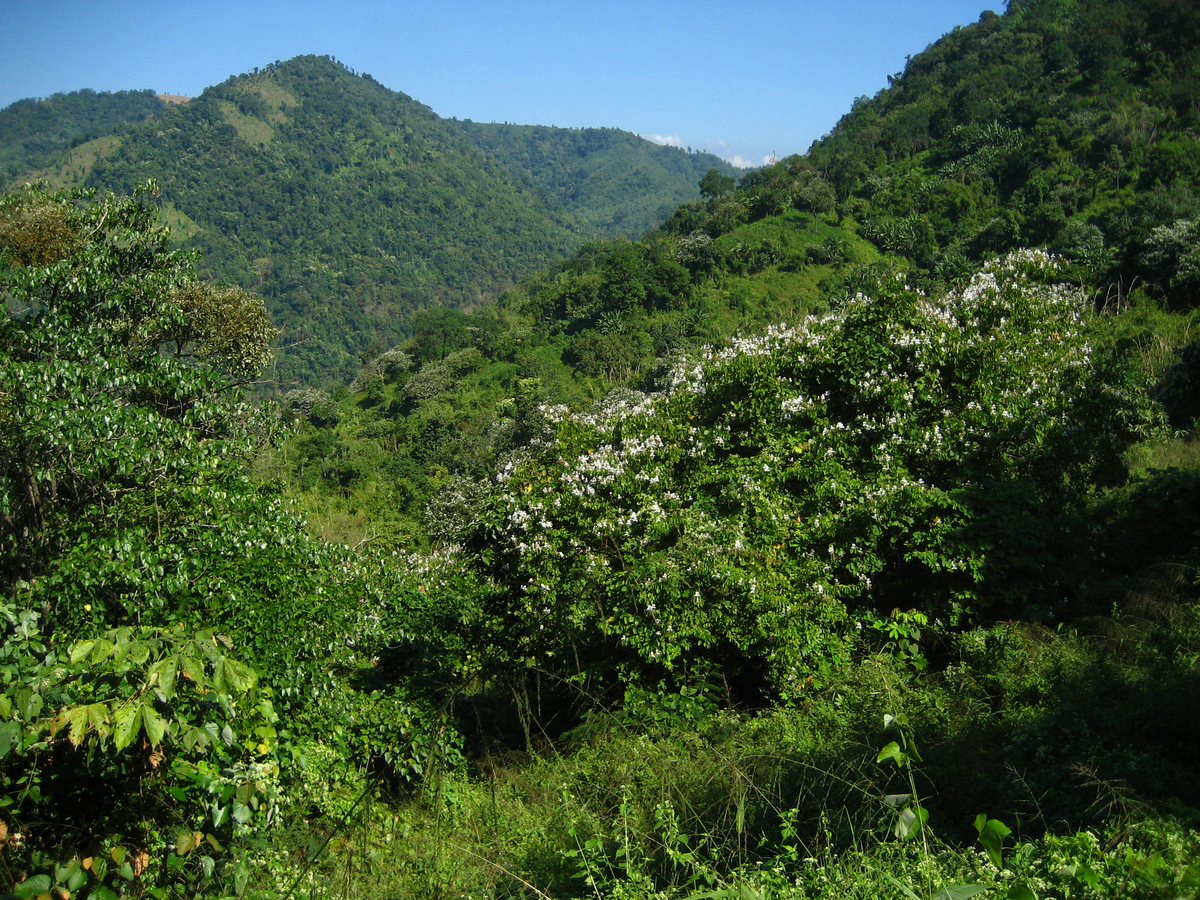
The Garo Hills Region, stretching across parts of Netrokona, Sherpur, and Mymensingh districts near the Indian border, is one of the most ecologically and culturally rich areas in Bangladesh. Covered with forests, hills, rivers, and wildlife, the region is ideal for eco-tourism and cultural exploration.
This area is home to the Garo indigenous community, known for their matrilineal society, unique traditions, festivals, and sustainable lifestyle. Visitors can learn about indigenous customs, traditional farming methods, and community-based living.
The forested hills provide habitats for diverse flora and fauna and offer opportunities for trekking, birdwatching, and nature photography. Seasonal waterfalls, forest trails, and open hill views add to the region’s appeal.
Unlike commercial tourist zones, the Garo Hills remain relatively untouched, making responsible tourism essential. Visitors are encouraged to respect local culture and environment while enjoying the natural beauty.
The Garo Hills Region represents the ecological diversity and cultural depth of Mymensingh Division and highlights the importance of preserving indigenous heritage.