
Now Reading: Top 5 Tourist Places in Rangpur, Bangladesh
-
01
Top 5 Tourist Places in Rangpur, Bangladesh

Top 5 Tourist Places in Rangpur, Bangladesh
Rangpur Division, located in the northernmost region of Bangladesh, is a land rich in history, culture, rivers, and emerging natural beauty. Often less crowded than other tourist regions, Rangpur offers visitors a chance to experience authentic rural Bangladesh, ancient heritage sites, royal architecture, and peaceful landscapes shaped by mighty rivers.
The division is bordered by India to the north and west and is traversed by important rivers such as the Teesta and Brahmaputra, which play a major role in local life, agriculture, and trade. Historically, Rangpur was influenced by ancient Hindu kingdoms, Mughal administration, and later British colonial rule, leaving behind a unique architectural and cultural legacy.
Though traditionally known for agriculture, Rangpur Division is steadily gaining attention for tourism due to its palaces, temples, tea gardens, lakes, and river ports. The calm environment, friendly local communities, and historic landmarks make it ideal for travelers who enjoy slow travel, cultural exploration, and photography.
In this blog, we explore the Top 5 Tourist Places in Rangpur Division, each offering a distinctive glimpse into the region’s heritage, nature, and evolving identity.
1. Tajhat Palace – Royal Architecture and Cultural Heritage
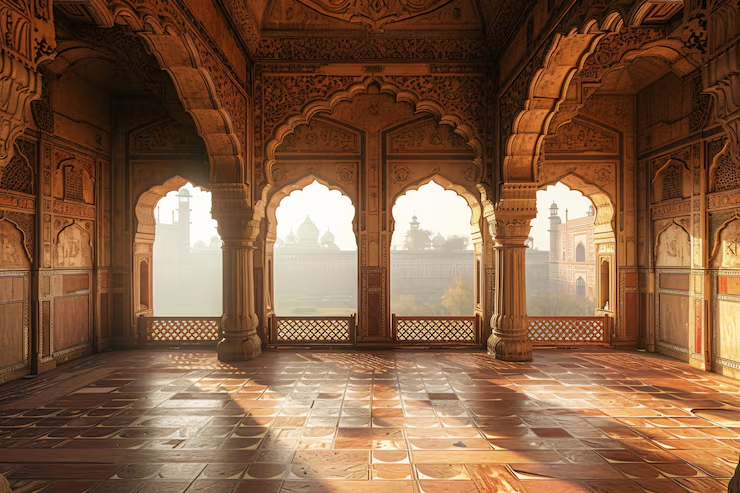
Tajhat Palace, located near Rangpur City, is one of the most impressive historical structures in northern Bangladesh. Built in the early 20th century by Maharaja Kumar Gopal Lal Roy, the palace stands as a symbol of aristocratic wealth, refined taste, and architectural excellence during the late colonial period.
The palace features a grand symmetrical design, wide staircases, elegant columns, and beautifully decorated interiors. Its Indo-European architectural style reflects a blend of Mughal influence and British-era aesthetics. The raised platform on which the palace stands offers a commanding view of the surrounding area, enhancing its royal presence.
Today, Tajhat Palace houses the Rangpur Museum, where visitors can explore collections of ancient artifacts, sculptures, manuscripts, coins, and historical documents. These exhibits provide valuable insight into the cultural, religious, and political history of northern Bengal, from ancient times through the medieval and colonial eras.
The palace grounds are peaceful and well-maintained, making it a popular spot for history enthusiasts, students, and photographers. The calm surroundings allow visitors to imagine the lifestyle of the region’s former elites and appreciate the craftsmanship of the era.
Tajhat Palace is not just an architectural landmark—it is a gateway to understanding Rangpur’s historical identity and cultural evolution.
2. Kantajew Temple (Dinajpur) – A Masterpiece of Terracotta Art
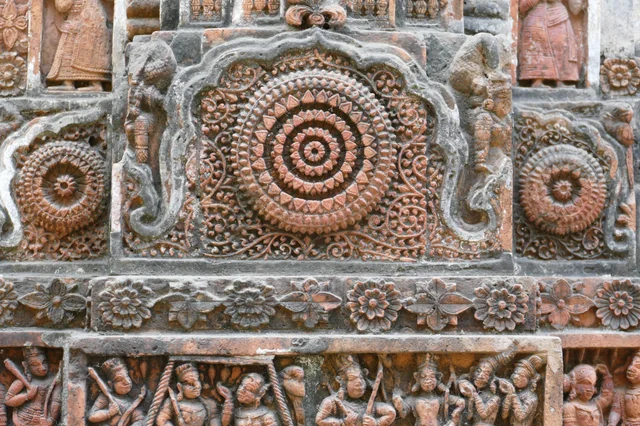
The Kantajew Temple, also known as Kantanagar Temple, is one of the most extraordinary Hindu temples in South Asia and a major cultural treasure of Bangladesh. Located in Dinajpur District, this 18th-century temple is renowned for its intricate terracotta ornamentation, unmatched in detail and artistic sophistication.
Originally built by Maharaja Pran Nath and completed during the reign of his son Raja Ram Nath, the temple was dedicated to Lord Krishna and was once crowned with nine spires. Although the spires were destroyed during an earthquake in the 19th century, the remaining structure continues to inspire awe.
Every inch of the temple’s outer walls is covered with terracotta panels depicting scenes from Hindu epics such as the Ramayana and Mahabharata, stories of Lord Krishna, floral patterns, animals, and everyday life of ancient Bengal. These carvings provide not only religious symbolism but also valuable historical records of social customs, attire, and architecture of the time.
The temple attracts pilgrims, historians, artists, and tourists from across the country and beyond. During religious festivals, especially Rash Mela, the area becomes vibrant with celebrations, music, and devotion.
Kantajew Temple stands as a timeless example of Bengal’s artistic heritage and is one of the most important historical monuments in Rangpur Division.
3. Nilphamari Tea Gardens – The Emerging Tea Landscape of the North
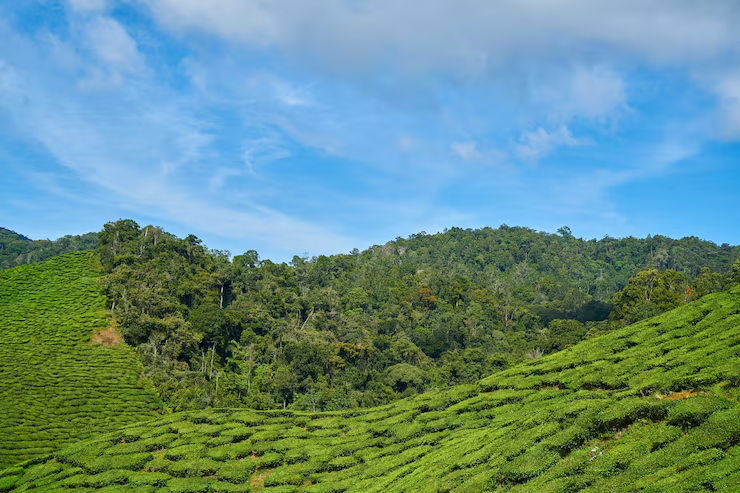
While Bangladesh is traditionally associated with tea gardens in Sylhet, Nilphamari District has emerged as a promising new tea-growing region in Rangpur Division. The tea gardens of Nilphamari represent a growing agricultural success story and a fresh addition to the country’s tourism map.
Located near the foothills of the Himalayas, Nilphamari benefits from fertile soil, suitable rainfall, and a favorable climate for tea cultivation. The tea estates here are relatively young compared to those in Sylhet, but their scenic beauty and economic importance are rapidly increasing.
Visitors to the Nilphamari tea gardens are greeted by rolling green fields, orderly rows of tea bushes, and a peaceful rural environment. Tea workers can be seen plucking leaves, offering insight into the labor-intensive process behind one of Bangladesh’s most popular beverages.
The region is ideal for eco-tourism, photography, and slow travel. Unlike more commercialized tea destinations, Nilphamari offers a quiet and authentic experience, allowing visitors to enjoy nature without crowds.
As tea production expands, Nilphamari is expected to play a significant role in both the national economy and future tourism development, making it an exciting destination in Rangpur Division.
4. Ramsagar National Park – History, Nature, and Recreation
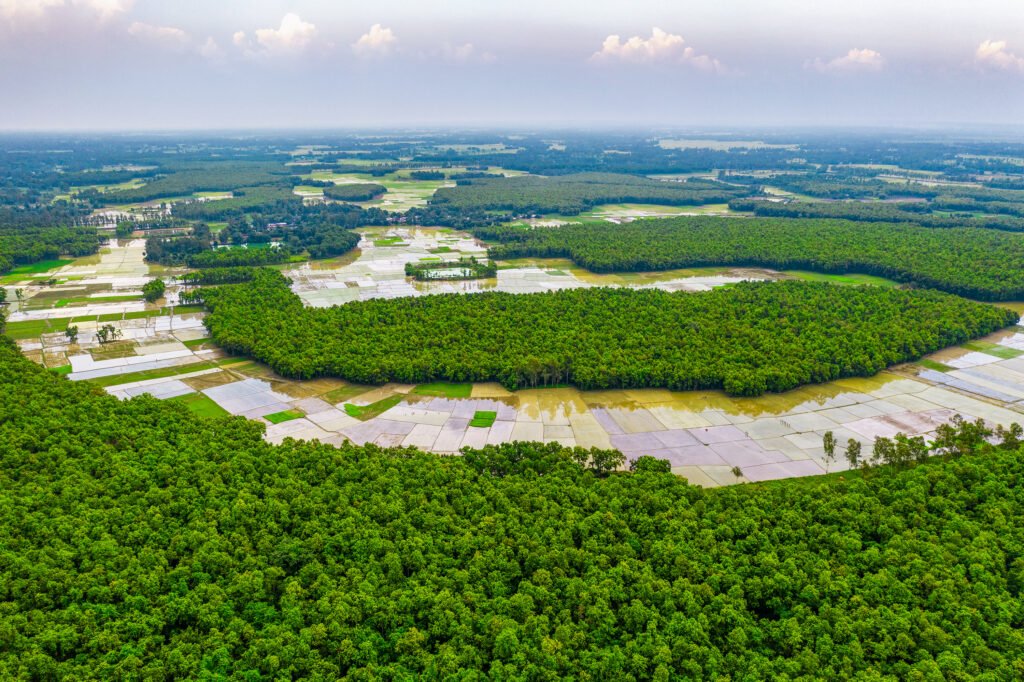
Ramsagar National Park, located near Dinajpur town, is centered around Ramsagar Dighi, one of the largest man-made lakes in Bangladesh. The lake was excavated in the mid-18th century under the patronage of Raja Ram Nath to address water scarcity and improve local livelihoods.
Today, Ramsagar has become a popular recreational and tourism site, combining historical significance with natural beauty. The vast water body reflects the sky and surrounding greenery, creating a tranquil atmosphere ideal for relaxation and photography.
The area has been developed into a national park with walking paths, picnic spots, gardens, and viewing areas. Families, students, and tourists often visit Ramsagar for day trips, enjoying the open space and fresh air.
Birdlife is abundant, especially during winter when migratory birds arrive, making it an attractive spot for birdwatchers. The calm environment also makes it suitable for meditation and quiet reflection.
Ramsagar National Park demonstrates how historical infrastructure can evolve into a modern recreational space while preserving its original purpose and cultural value.
5. Chilmari River Port – Life Along the Brahmaputra
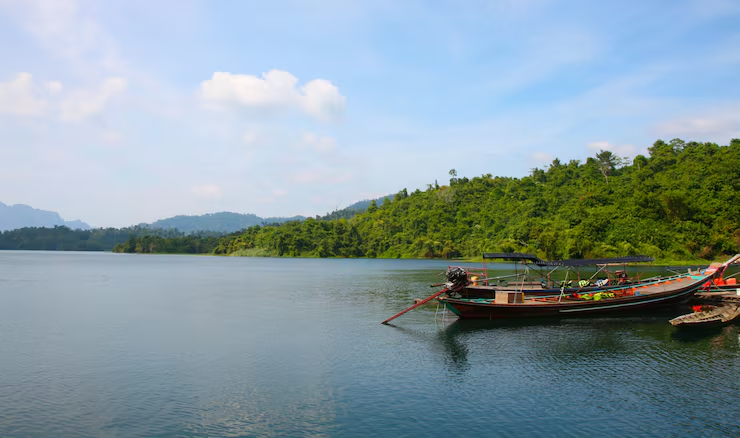
Chilmari River Port, located in Kurigram District, is one of the most important river ports in northern Bangladesh and offers a fascinating glimpse into river-based life and trade along the Brahmaputra River.
The Brahmaputra is one of Asia’s largest and most powerful rivers, and Chilmari serves as a key transit point for goods, passengers, and local commerce. Boats, ferries, and cargo vessels move constantly, creating a lively and dynamic riverscape.
For visitors, Chilmari is not about monuments but about experience. The sight of boats docking, fishermen hauling nets, traders loading goods, and passengers embarking on journeys provides a vivid picture of how rivers shape livelihoods in Bangladesh.
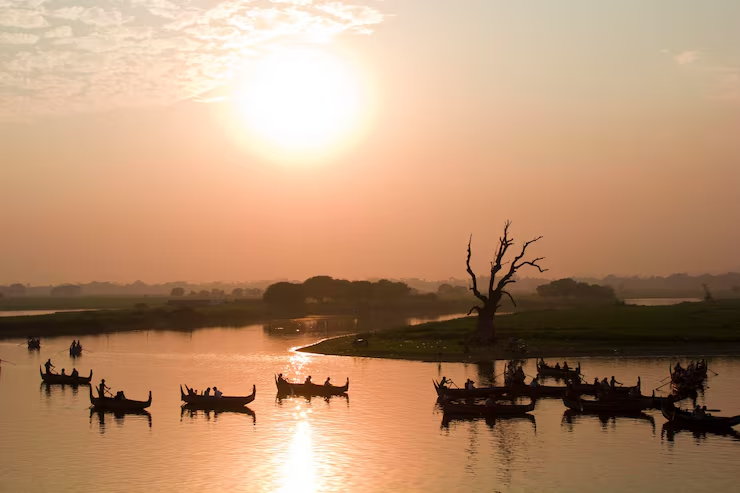
The riverfront offers breathtaking views, especially during sunrise and sunset when the sky reflects on the vast water surface. Seasonal changes dramatically alter the river’s appearance, from calm and wide during dry months to powerful and expansive during the monsoon.
Chilmari is also significant for understanding climate challenges, river erosion, and resilience in riverine communities, making it an educational destination for researchers and socially conscious travelers.