Now Reading: Top 5 Tourist Places in Shanxi, China
-
01
Top 5 Tourist Places in Shanxi, China
Top 5 Tourist Places in Shanxi, China
Shanxi Travel Guide: Ancient Cities, Sacred Mountains, Buddhist Art, and the Heart of Traditional China
Shanxi Province is one of China’s most historically profound regions, often described as an open-air museum of Chinese civilization. Located in northern China along the Yellow River, Shanxi preserves some of the country’s oldest cities, wooden temples, Buddhist cave art, and sacred mountains. While modern development has reshaped many parts of China, Shanxi has remained deeply rooted in tradition, making it a destination for travelers seeking authentic history, spirituality, and architectural heritage.
Once a cradle of ancient Chinese dynasties, Shanxi played a central role in politics, religion, commerce, and culture for more than two thousand years. It was home to powerful merchant families, influential Buddhist centers, and fortified cities that guarded the northern frontier. Today, Shanxi rewards visitors with UNESCO World Heritage Sites, dramatic landscapes, cliffside temples, and some of the finest surviving examples of ancient Chinese architecture.
This 2,000+ word comprehensive Shanxi travel guide explores the province’s top five must-visit destinations:
- Pingyao Ancient City
- Yungang Grottoes
- Mount Wutai
- Datong
- Hanging Temple
1. Pingyao Ancient City – Best-Preserved Walled Town in China
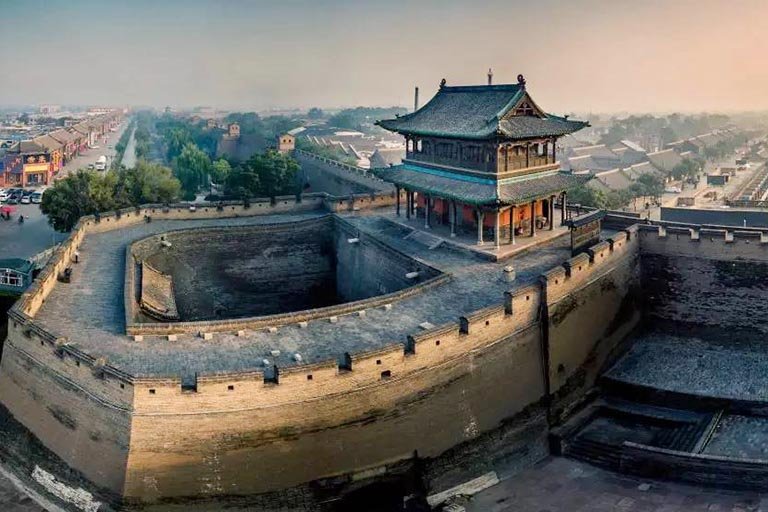
Pingyao Ancient City is one of China’s most remarkable historical treasures and a UNESCO World Heritage Site. Unlike many ancient cities that have been heavily modernized, Pingyao has preserved its original Ming and Qing dynasty layout, architecture, and defensive walls almost intact.
A Living Museum of Imperial China
Founded more than 2,700 years ago, Pingyao flourished during the Ming and Qing dynasties as a major financial and commercial center. It is often called the birthplace of China’s earliest banks, where merchant families established sophisticated financial systems that influenced the entire country.
City Walls and Urban Layout
The massive city wall surrounds Pingyao in a near-perfect square, symbolizing traditional Chinese cosmology. Walking along the wall offers panoramic views of:
- Grey-tiled rooftops
- Narrow stone streets
- Courtyard houses
Inside the walls, cars are restricted, allowing visitors to experience the city much as it existed centuries ago.
Traditional Architecture and Culture
Pingyao’s streets are lined with:
- Merchant residences
- Temples and ancestral halls
- Traditional shops and guesthouses
Many courtyard homes have been converted into boutique inns, offering immersive historical stays.
Why Visit Pingyao
Pingyao is essential for travelers who want to step directly into imperial-era China and experience traditional urban life preserved in remarkable detail.
2. Yungang Grottoes – Masterpiece of Buddhist Cave Art
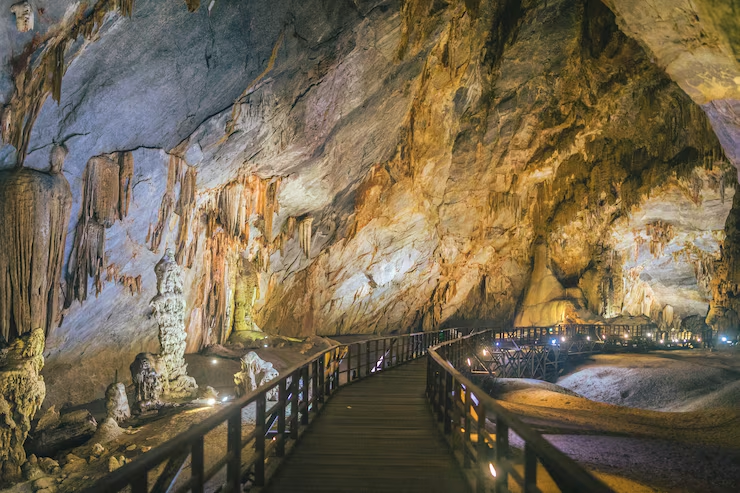
Located near Datong, the Yungang Grottoes are among China’s most significant Buddhist sites and a UNESCO World Heritage Site. Carved into sandstone cliffs during the 5th and 6th centuries, these caves represent a golden age of Buddhist art along the ancient Silk Road.
Scale and Artistic Achievement
The Yungang complex consists of:
- Over 250 caves
- More than 51,000 Buddhist statues
- Colossal Buddha figures reaching up to 17 meters tall
The sculptures display a fusion of Indian, Central Asian, and Chinese artistic influences, reflecting cultural exchange along trade routes.
Religious and Cultural Significance
The caves were commissioned during the Northern Wei Dynasty, when Buddhism was promoted as a unifying spiritual force. Each cave tells stories from Buddhist scriptures, depicting enlightenment, compassion, and devotion.
Preservation and Atmosphere
Despite their age, many carvings remain remarkably detailed. Visiting Yungang offers a quiet, contemplative experience surrounded by centuries-old spiritual art.
Why Visit Yungang Grottoes
Yungang is a must-see destination for anyone interested in Buddhism, ancient sculpture, and Silk Road history.
3. Mount Wutai – Holiest Buddhist Mountain in China
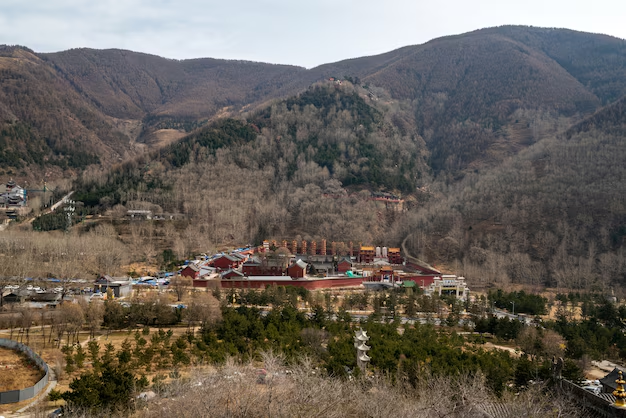
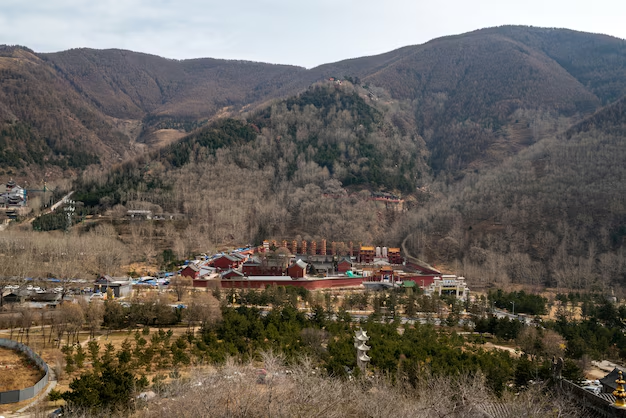
Mount Wutai is the most sacred Buddhist mountain in China and one of the Four Sacred Mountains of Chinese Buddhism. It is believed to be the earthly dwelling place of Manjushri, the Bodhisattva of Wisdom.
Spiritual Importance
For over 1,500 years, Mount Wutai has attracted monks, pilgrims, and emperors. Unlike other sacred mountains known for dramatic peaks, Mount Wutai is characterized by five flat summits, symbolizing spiritual balance and clarity.
Temples and Monasteries
Mount Wutai is home to more than 50 active temples, including:
- Xiantong Temple
- Tayuan Temple
- Nanchan Temple (one of China’s oldest wooden structures)
Many temples still host monks practicing daily rituals, creating a living spiritual landscape.
Pilgrimage and Meditation
Pilgrims walk long routes between temples, offering prayers and incense. Visitors often describe the mountain’s atmosphere as deeply peaceful and introspective.
Why Visit Mount Wutai
Mount Wutai is ideal for travelers seeking spiritual depth, Buddhist heritage, and tranquil mountain scenery.
4. Datong – Ancient Frontier City of Dynasties
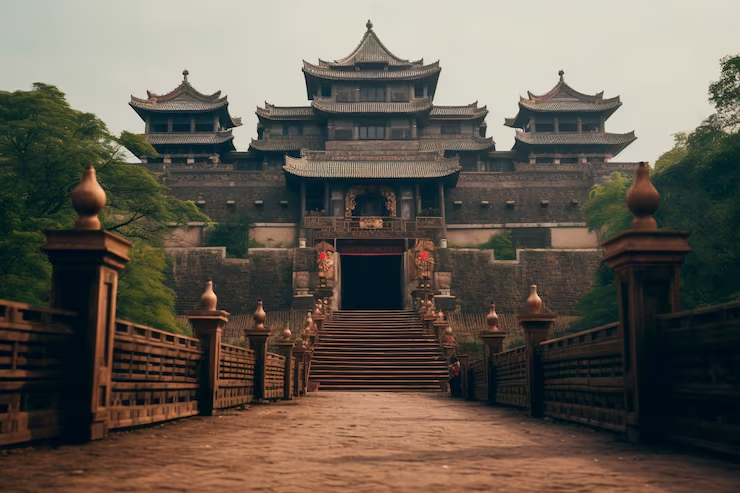
Datong is one of northern China’s oldest cities and historically served as a strategic military and cultural frontier. It was once a capital city during the Northern Wei Dynasty and played a crucial role in defending China’s northern borders.
Historical Significance
Datong’s location made it a meeting point of:
- Nomadic cultures
- Han Chinese civilization
- Buddhist influence
This blend is reflected in the city’s architecture and cultural sites.
Datong City Wall and Old Town
In recent years, Datong has restored its ancient city walls, gates, and old streets, recreating the grandeur of imperial times. The old town features:
- Traditional courtyards
- Temples
- Cultural squares
Gateway to Major Sites
Datong serves as the gateway to:
- Yungang Grottoes
- Hanging Temple
- Northern Great Wall sections
Why Visit Datong
Datong is a perfect base for exploring Shanxi’s northern heritage and Buddhist landmarks.
5. Hanging Temple – Architectural Miracle on a Cliff
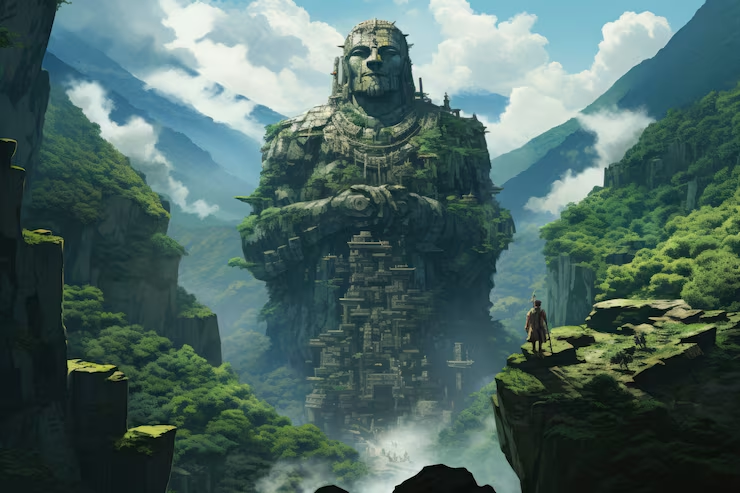
The Hanging Temple (Xuankong Temple) is one of China’s most astonishing architectural achievements. Built into a sheer cliff face over 1,400 years ago, it appears to defy gravity.
Engineering Feat
The temple is supported by:
- Wooden beams embedded into rock
- Clever weight distribution
Despite its appearance, it has survived centuries of earthquakes and erosion.
Religious Harmony
Uniquely, the Hanging Temple integrates:
- Buddhism
- Taoism
- Confucianism
Statues and shrines dedicated to all three philosophies coexist within the temple complex.
Visitor Experience
Walking along narrow wooden walkways suspended above the ground is both thrilling and awe-inspiring. The views of the surrounding valley add to the drama.
Why Visit the Hanging Temple
This site is essential for travelers interested in ancient engineering, religious harmony, and unforgettable scenery.
Best Time to Visit Shanxi
- Spring (Apr–May): Mild weather and fewer crowds
- Autumn (Sep–Oct): Best season for sightseeing
- Summer: Warm but manageable
- Winter: Cold, but atmospheric for temples