
Now Reading: Top 5 Tourist Places in Zhejiang, China
-
01
Top 5 Tourist Places in Zhejiang, China
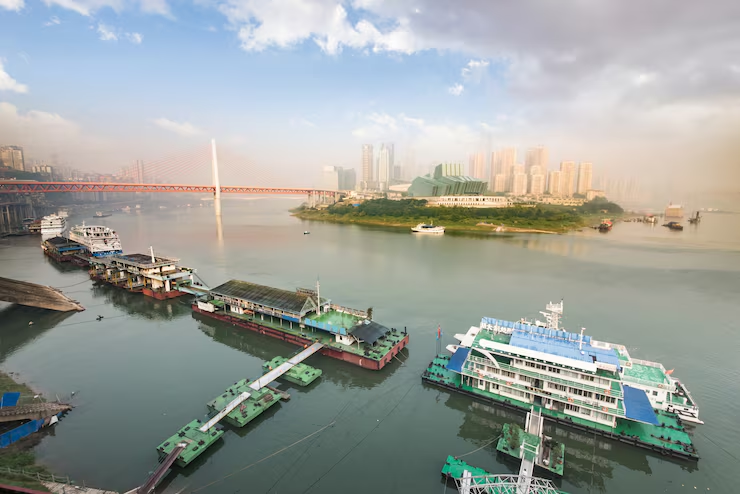
Top 5 Tourist Places in Zhejiang, China
Zhejiang Travel Guide: Classical Gardens, Water Towns, Sacred Islands, and Timeless Chinese Elegance
Zhejiang Province represents the essence of classical Chinese beauty. Located along China’s southeastern coast, Zhejiang is known for its poetic landscapes, ancient water towns, refined tea culture, historic port cities, and sacred Buddhist mountains. For centuries, scholars, poets, and emperors praised Zhejiang as a land where nature and culture exist in perfect harmony.
Often described as “Heaven on Earth,” Zhejiang has inspired some of China’s greatest works of poetry and art. The province blends serene lakes, canal-lined towns, coastal islands, and vibrant modern cities while preserving traditions that define Chinese civilization.
This 2,000+ word comprehensive Zhejiang travel guide explores the province’s top five must-visit destinations:
- Hangzhou
- Wuzhen
- Ningbo
- Mount Putuo
- Shaoxing
1. Hangzhou – West Lake, Tea Culture, and Classical Poetry
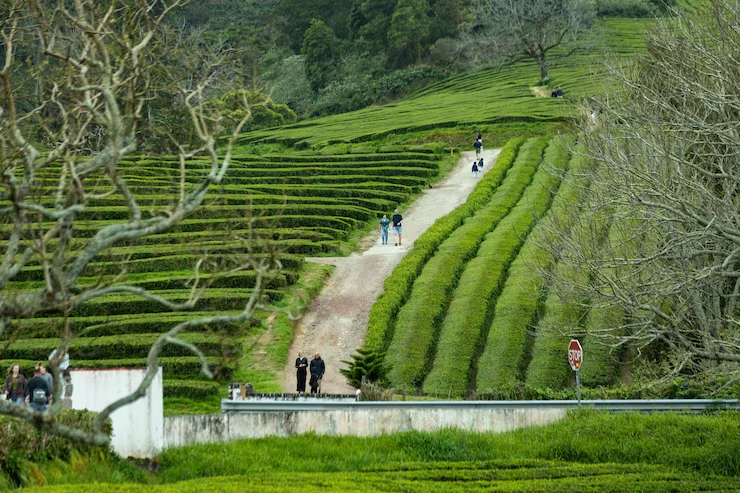
Hangzhou, the capital of Zhejiang Province, is one of China’s most celebrated cities. Marco Polo famously described it as “the finest and most splendid city in the world.” Known for its breathtaking landscapes and refined culture, Hangzhou is synonymous with West Lake and China’s tea heritage.
West Lake – A Masterpiece of Chinese Landscape Design
West Lake (Xi Hu) is a UNESCO World Heritage Site and the spiritual heart of Hangzhou. The lake is surrounded by:
- Willow-lined causeways
- Pagodas and temples
- Classical gardens
Scenic spots such as Broken Bridge, Leifeng Pagoda, and Three Pools Mirroring the Moon have inspired countless poems and paintings.
Tea Culture and Longjing Tea
Hangzhou is the birthplace of Longjing (Dragon Well) tea, one of China’s most famous green teas. Tea plantations in the surrounding hills offer:
- Tea tasting experiences
- Traditional harvesting demonstrations
- Peaceful rural scenery
Cultural Heritage
Hangzhou was the capital of the Southern Song Dynasty, and sites like the Grand Canal and ancient temples reflect its imperial past.
Why Visit Hangzhou
Hangzhou offers a perfect blend of natural beauty, literary history, and refined cultural traditions.
2. Wuzhen – Timeless Water Town of Canals and Bridges
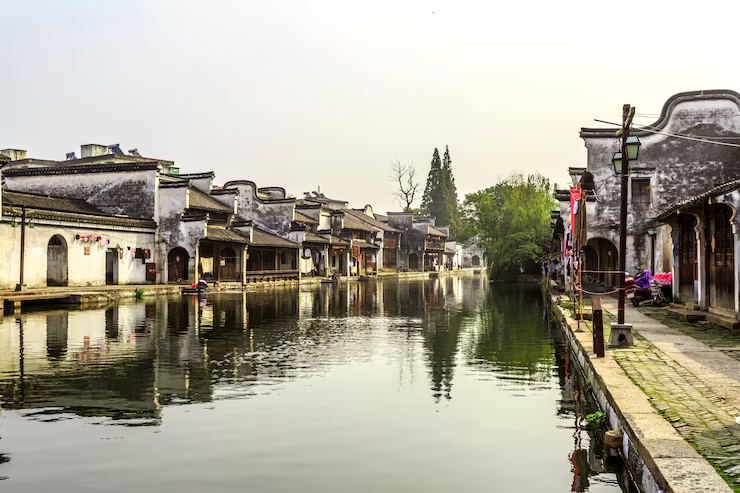
Wuzhen is one of China’s most iconic water towns, located in northern Zhejiang. With its narrow canals, stone bridges, and whitewashed houses, Wuzhen feels like a scene from a traditional ink painting.
Canal Life and Architecture
Wuzhen’s charm lies in its preservation:
- Wooden houses over water
- Stone-paved alleys
- Arched bridges connecting neighborhoods
Boats glide silently through canals, echoing centuries of daily life.
East and West Scenic Areas
Wuzhen is divided into:
- East Scenic Area – Focused on folk culture and crafts
- West Scenic Area – More atmospheric, especially at night
Lantern-lit evenings create a magical ambiance.
Cultural Significance
Wuzhen has been a center of trade and craftsmanship since ancient times, particularly in textiles and dyeing.
Why Visit Wuzhen
Wuzhen offers a romantic, nostalgic experience of traditional water town life at its most refined.
3. Ningbo – Ancient Port and Maritime Heritage
Ningbo is one of China’s oldest port cities and a key gateway in the Maritime Silk Road. Blending history with modern development, Ningbo is both a cultural hub and a thriving coastal metropolis.
Maritime History
For over 2,000 years, Ningbo served as a major trading port, connecting China with:
- Southeast Asia
- The Middle East
- Europe
Cultural Landmarks
Key attractions include:
- Tianyi Pavilion, one of China’s oldest private libraries
- Ancient temples and waterfront districts
- Traditional merchant residences
Modern City Life
Today, Ningbo combines historic districts with modern infrastructure, offering visitors a balanced urban experience.
Why Visit Ningbo
Ningbo is ideal for travelers interested in maritime history, port culture, and modern coastal cities.
4. Mount Putuo – Sacred Buddhist Island of Compassion

Mount Putuo is one of China’s Four Sacred Buddhist Mountains, dedicated to Guanyin, the Bodhisattva of Compassion. Located on an island in the Zhoushan Archipelago, Mount Putuo is both a spiritual sanctuary and a scenic retreat.
Spiritual Importance
For centuries, pilgrims have journeyed to Mount Putuo to pray for compassion, protection, and blessings. The island is home to:
- Ancient temples
- Monasteries
- Sacred statues
Natural Beauty
The island features:
- Sandy beaches
- Rocky coastlines
- Forested hills
The sound of waves and chanting creates a peaceful atmosphere.
Pilgrimage Experience
Walking between temples along coastal paths offers both spiritual reflection and natural beauty.
Why Visit Mount Putuo
Mount Putuo is perfect for travelers seeking spiritual renewal, coastal scenery, and Buddhist heritage.
5. Shaoxing – Canals, Calligraphy, and Literary Legacy
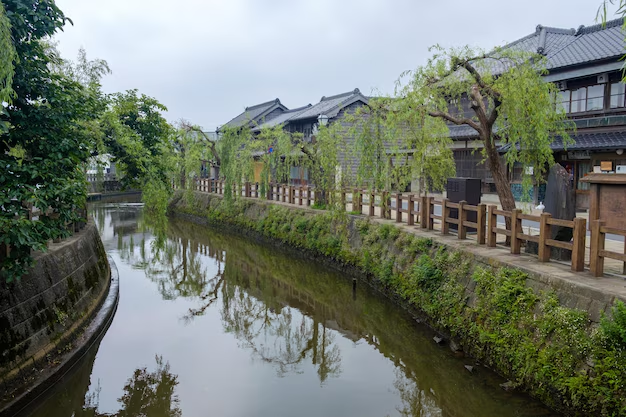
Shaoxing is a historic water town known for its canals, stone bridges, and profound cultural influence. It is the hometown of Lu Xun, one of modern China’s greatest writers.
Canal Town Atmosphere
Shaoxing’s waterways define the city:
- Narrow canals
- Covered bridges
- Traditional black-awning boats
Life along the canals continues much as it did centuries ago.
Cultural Contributions
Shaoxing is famous for:
- Shaoxing wine, a traditional rice wine
- Calligraphy and literature
- Ancient academies and ancestral halls
Literary Heritage
Sites related to Lu Xun provide insight into China’s intellectual history and social reform movements.
Why Visit Shaoxing
Shaoxing offers a deeply cultural and intellectual travel experience, combining everyday life with literary heritage.
Best Time to Visit Zhejiang
- Spring (Mar–May): Best for gardens and tea fields
- Autumn (Sep–Nov): Ideal weather and scenery
- Summer: Hot and humid, best for water towns
- Winter: Quiet with misty charm
Zhejiang Cuisine Highlights
Zhejiang cuisine is known for:
- Light, fresh flavors
- Seafood dishes
- Delicate cooking techniques
It emphasizes natural ingredients and balance.
Final Thoughts
Zhejiang Province captures the elegance and refinement of traditional China. From the poetic beauty of Hangzhou’s West Lake and the timeless canals of Wuzhen to the maritime heritage of Ningbo, the sacred shores of Mount Putuo, and the literary soul of Shaoxing, Zhejiang offers a journey through landscapes and traditions that have inspired generations.
For travelers seeking serenity, cultural depth, and classical Chinese aesthetics, Zhejiang is a destination of enduring beauty.