
Now Reading: Top 5 place to visit in Emden
-
01
Top 5 place to visit in Emden
Top 5 place to visit in Emden
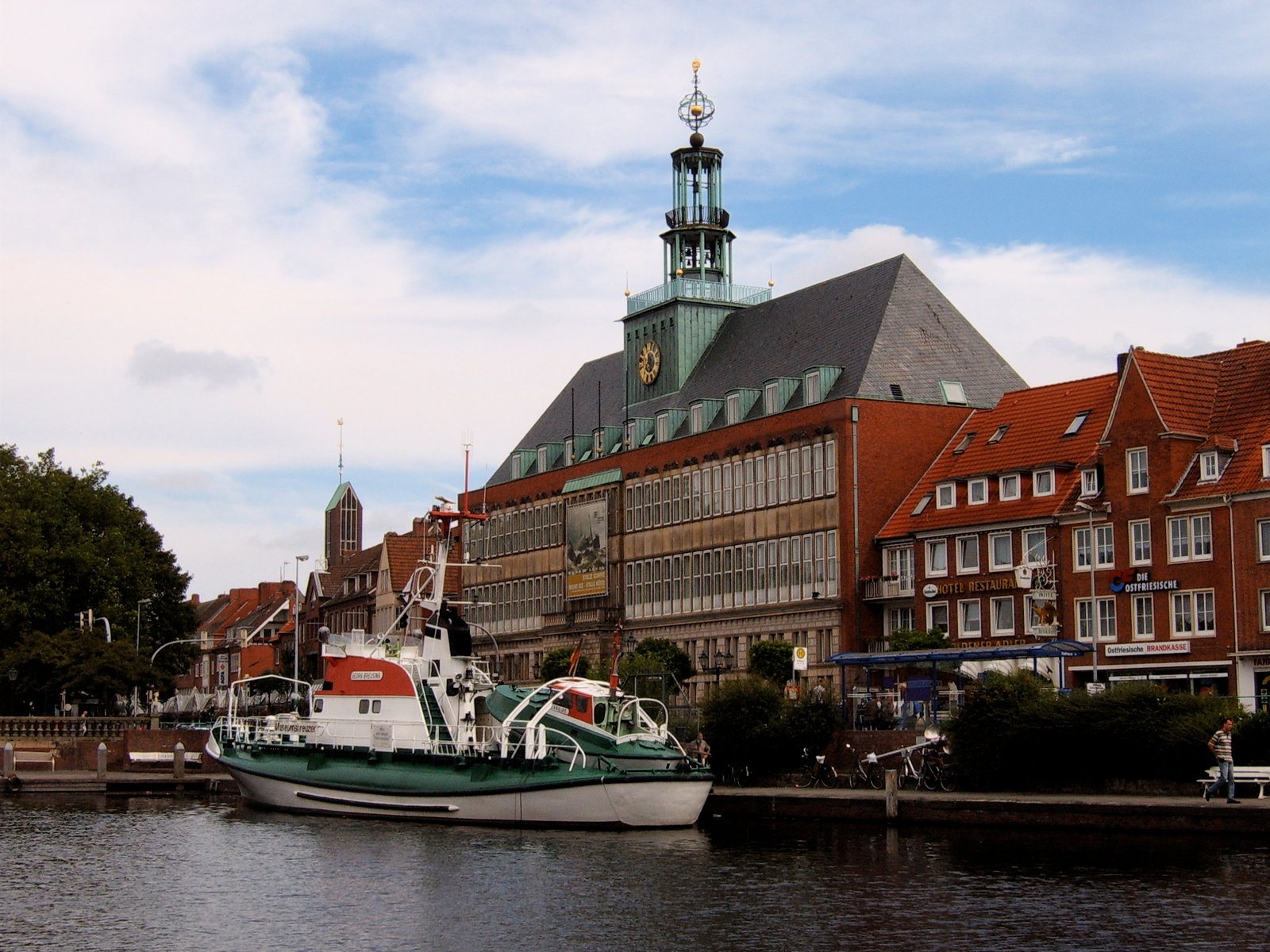
🚢 1. Emden Harbor & Delft Promenade – The Maritime Heart of the City

Emden Harbor is the lifeline of the city and one of the most important seaports in northern Germany. Located near the North Sea coast in Lower Saxony, Emden has developed for centuries as a major center for trade, shipping, fishing, and maritime culture.
The famous Delft Promenade surrounding the harbor is one of the city’s most scenic and relaxing areas. Visitors can walk beside calm waterways while admiring historic ships, fishing boats, bridges, and traditional harbor buildings that reflect Emden’s strong connection to the sea.
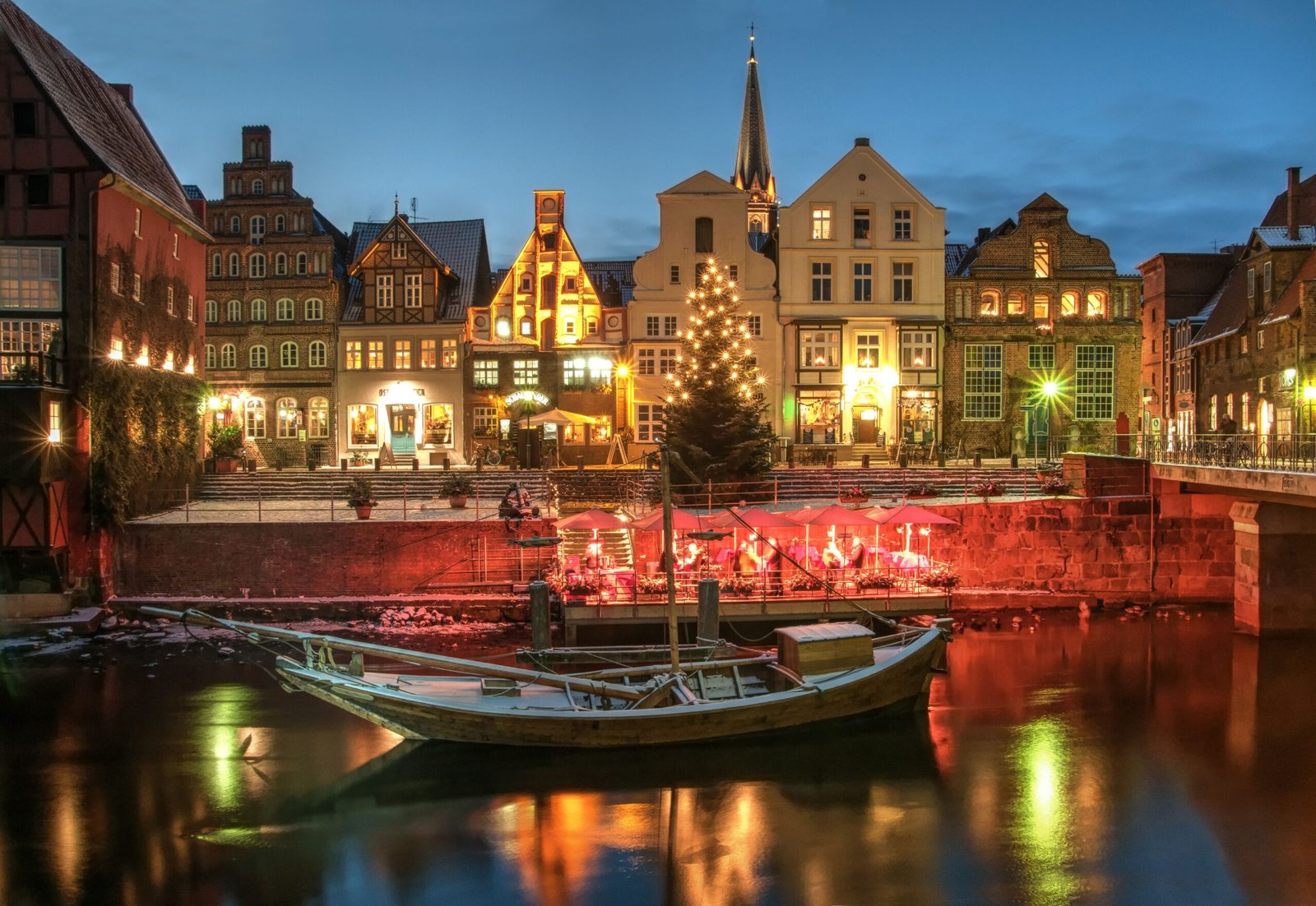
The harbor atmosphere feels lively yet peaceful. Restaurants and cafes along the waterfront serve fresh seafood specialties while offering beautiful views of the boats and canals. During sunset, the reflections of ships and historic buildings across the water create especially stunning scenery.
Boat tours from the harbor allow visitors to explore nearby coastal landscapes, canals, and North Sea regions. The waterways have historically connected Emden with important European trading routes and continue to shape the city’s identity today.
Walking along the Delft promenade provides visitors with a perfect introduction to Emden’s maritime history and northern German charm.
🖼️ 2. Kunsthalle Emden – Art, Culture & Modern Creativity

The Kunsthalle Emden is one of the most important art museums in northern Germany and a major cultural attraction in the city. Opened in 1986 through the support of newspaper publisher Henri Nannen, the museum contains impressive collections of modern and contemporary European art.
Visitors exploring the museum can admire paintings, sculptures, graphic works, photography, and exhibitions created by famous artists from Germany and across Europe. The museum regularly hosts temporary exhibitions that attract art lovers and cultural visitors throughout the year.
The building itself combines modern architecture with peaceful surroundings, creating a relaxing atmosphere for appreciating art and creativity. Spacious galleries and carefully designed interiors make the museum both educational and visually inspiring.
The Kunsthalle helped transform Emden into an important cultural destination beyond its maritime identity. Art workshops, educational programs, and public events also encourage creativity among local communities and tourists.
For travelers interested in modern art and culture, the Kunsthalle Emden offers one of the finest museum experiences in Lower Saxony.
⛪ 3. Great Church (Große Kirche) & Historic Architecture

The Große Kirche, or Great Church, is one of Emden’s most important historical landmarks and a powerful symbol of the city’s religious and cultural heritage. Built in the 17th century, the church reflects Dutch and Protestant influences that shaped Emden during its historical development as a trading and harbor city.
The church’s elegant brick architecture, tall tower, and spacious interior create a calm and impressive atmosphere. Visitors can admire historic details, stained-glass windows, organ music, and centuries of spiritual tradition preserved within the building.
Emden’s architecture overall reflects a unique blend of German and Dutch influences because of the city’s close connections with the Netherlands and North Sea trade routes. Historic brick houses, canals, bridges, and waterfront buildings create a distinct northern European character unlike many southern German cities.
Walking through Emden’s streets reveals quiet corners, historical monuments, and traditional buildings that survived centuries of maritime history and wartime destruction.
The city’s careful reconstruction after World War II preserved much of its historical identity while allowing modern development to continue alongside traditional architecture.
🌊 4. East Frisian Coast & Nature Excursions

Emden serves as an excellent gateway to the beautiful East Frisian coastal region, one of Germany’s most peaceful and scenic natural areas. The surrounding landscapes include North Sea coastlines, green meadows, canals, wetlands, windmills, and picturesque villages that perfectly represent northern Germany.
Nature lovers visit the region to enjoy cycling, birdwatching, coastal walks, and boat excursions through the nearby Wadden Sea, a UNESCO World Heritage natural area famous for its tidal ecosystems and wildlife.
The flat countryside around Emden makes cycling especially popular. Well-maintained bicycle routes connect coastal villages, farms, canals, and scenic viewpoints while allowing visitors to experience authentic East Frisian culture.
The North Sea coastline creates dramatic scenery during changing tides and storms while also offering peaceful beaches and fresh sea air during calmer seasons. Traditional windmills and small fishing villages add charm to the landscape.
The natural beauty surrounding Emden provides a relaxing contrast to the busy harbor and urban areas of the city.
🎭 5. Otto Huus, Festivals & Local East Frisian Culture

One of Emden’s most unique attractions is the Otto Huus, a museum dedicated to famous German comedian and actor Otto Waalkes, who was born in Emden. The museum celebrates his career through humorous exhibits, films, cartoons, and personal memorabilia, making it a fun destination for families and fans of German entertainment.
Emden also hosts cultural festivals, harbor celebrations, concerts, and seasonal markets throughout the year. Maritime festivals are especially popular because they celebrate the city’s strong relationship with the sea and shipping traditions.
During Christmas season, Emden’s old town and harbor areas become beautifully decorated with festive lights, holiday stalls, music, and traditional German winter foods.
East Frisian culture remains an important part of everyday life in the region. Visitors can experience local traditions, tea culture, seafood cuisine, and northern German hospitality throughout the city’s cafes and restaurants.
Traditional East Frisian tea ceremonies are especially famous and remain one of the region’s most beloved customs.
Emden beautifully combines maritime history, coastal landscapes, modern culture, and traditional northern German life, making it one of the most distinctive destinations along Germany’s North Sea coast.
Related artical : Top 5 place to visit in Hamelin