
Now Reading: Best place to visit in Lübeck
-
01
Best place to visit in Lübeck
Best place to visit in Lübeck
🏛️ 1. Holstentor – The Legendary Gate of Lübeck

The Holstentor is the most iconic landmark in Lübeck and one of the most recognizable medieval buildings in Germany. Built in 1478, this magnificent brick Gothic gate once formed part of Lübeck’s defensive fortification system protecting the wealthy Hanseatic city from enemies and invaders.
The structure looks like something directly from a fairy tale with its twin circular towers, thick red-brick walls, pointed roofs, and narrow windows. Visitors are often amazed by the architectural beauty and historical atmosphere surrounding the monument.
The Latin inscription above the gate translates roughly to “Harmony within, peace without,” reflecting Lübeck’s historical power and independence.
Inside the Holstentor Museum, travelers can explore fascinating exhibitions about medieval trade, Hanseatic merchants, shipping routes, weapons, and city life during Lübeck’s golden age. Historical artifacts and interactive displays help visitors understand how the city became one of Europe’s strongest commercial centers.
The green park surrounding the gate provides excellent opportunities for photography and relaxation. During sunset, the gate becomes especially beautiful as warm golden light reflects on the red bricks and nearby canals.
Holstentor is not only a monument but also the proud symbol of Lübeck’s glorious history.
⛪ 2. St. Mary’s Church (Marienkirche) – Masterpiece of Brick Gothic Architecture

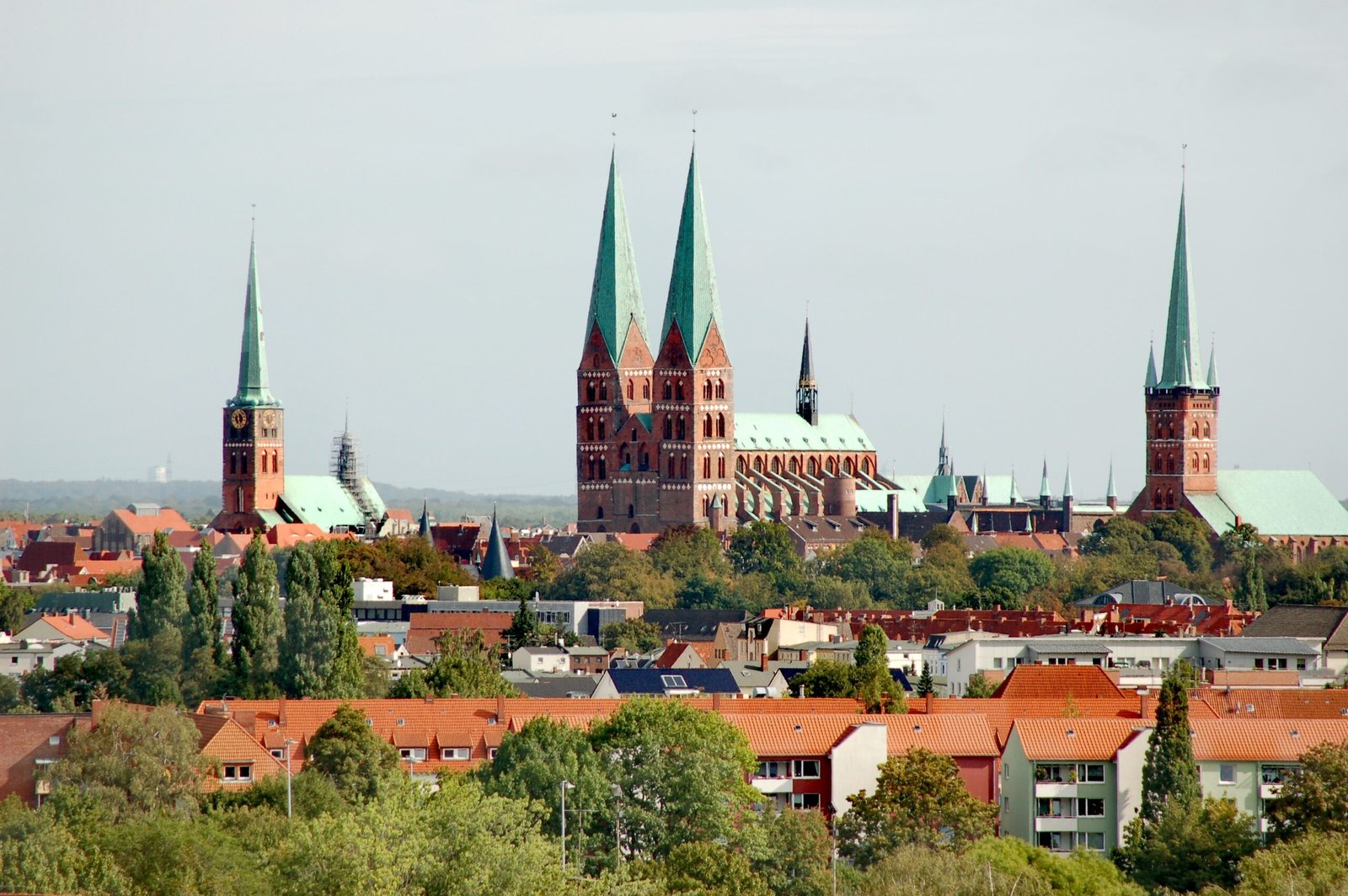
St. Mary’s Church is one of the most important Gothic churches in Europe and perhaps the greatest masterpiece of Brick Gothic architecture ever built. Constructed between the 13th and 14th centuries, the church became a model for many churches across northern Germany and the Baltic region.
The enormous twin towers dominate Lübeck’s skyline and can be seen from many parts of the city. Inside, visitors are greeted by breathtaking vaulted ceilings, giant pillars, stained-glass windows, historic chapels, religious paintings, and magnificent organs.
One of the church’s most emotional historical features is the collection of broken church bells that fell during World War II bombing raids. Instead of repairing them, the church preserved them on the floor as a memorial against war and destruction.
The church also has strong musical importance because famous composer Johann Sebastian Bach once visited Lübeck to hear the legendary organist Dieterich Buxtehude perform here.
Concerts, organ performances, and cultural events continue to make St. Mary’s Church an important spiritual and artistic center today.
The peaceful atmosphere inside the church leaves a lasting impression on every visitor.
🌆 3. Lübeck Old Town (Altstadt) – A UNESCO Medieval Wonderland

Lübeck’s Old Town is one of the best-preserved medieval city centers in Europe and was officially recognized as a UNESCO World Heritage Site in 1987. Built on an island surrounded by the River Trave, the old town is filled with narrow cobblestone streets, Gothic churches, hidden courtyards, merchant houses, canals, and historical monuments.
Walking through the Altstadt feels like stepping into another century. Every corner reveals charming architecture and centuries of history connected to trade, religion, and maritime culture.
The old town contains hundreds of historical buildings including warehouses, guild houses, monasteries, and elegant merchant residences that once belonged to wealthy Hanseatic traders.
Visitors especially enjoy exploring Lübeck’s famous hidden alleyways called “Gänge.” These narrow passages lead to peaceful courtyards and tiny houses that were historically used by workers and craftsmen.
The atmosphere changes beautifully throughout the year. Spring fills the streets with flowers, summer brings lively outdoor cafes, autumn creates golden scenery, and winter transforms the city into a magical Christmas destination.
Lübeck Old Town remains one of Germany’s most romantic and historically rich urban areas.
🍬 4. Niederegger Café & The World of Lübeck Marzipan
Lübeck is internationally famous for marzipan, and visiting the city without tasting this sweet almond delicacy would be impossible. The most famous destination for marzipan lovers is Café Niederegger, established in 1806.
The café attracts thousands of visitors every year who come to enjoy marzipan cakes, chocolates, pastries, candies, and traditional desserts made using historical recipes.
Inside the building, visitors can also explore the Marzipan Museum, where incredible marzipan sculptures recreate historical figures, monuments, and artistic designs entirely from almond sweets.
The café atmosphere combines elegance, history, and traditional German hospitality. The smell of freshly baked cakes and roasted almonds fills the air, creating a warm and relaxing experience.
Lübeck marzipan became famous because of the city’s historical trade connections that allowed merchants to import almonds and sugar from distant regions.
Today, marzipan remains one of Lübeck’s greatest cultural symbols and culinary treasures.
⚓ 5. Lübeck Harbor & River Trave – Maritime Soul of the City

The River Trave and Lübeck Harbor were central to the city’s success during the Hanseatic era. Ships from across Europe once arrived here carrying goods such as salt, grain, timber, spices, cloth, and wine
Today, the waterfront remains one of the most scenic and relaxing parts of the city. Historic warehouses, bridges, church towers, and riverside cafes create postcard-like scenery throughout the harbor district.
Boat tours along the River Trave provide stunning panoramic views of Lübeck’s skyline and historical architecture. Travelers can relax while learning about the city’s maritime history and trade routes.
The harbor area also contains restaurants serving fresh seafood and northern German specialties while offering beautiful views of passing ships and reflections on the water.
At sunset, the river becomes especially magical as golden light illuminates the old buildings and Gothic towers.
The maritime atmosphere continues to shape Lübeck’s identity even in modern times.
🖼️ 6. European Hansemuseum – Discover the Hanseatic League

The European Hansemuseum is one of the largest and most modern museums dedicated to the Hanseatic League and medieval trade history.
Through interactive exhibitions, recreated historical scenes, digital technology, and rare artifacts, visitors can learn how Lübeck became one of Europe’s most powerful commercial cities during the Middle Ages.
The museum explains trade routes, merchant life, shipping systems, political alliances, and economic networks that connected northern Europe for centuries.
Visitors walk through recreated medieval marketplaces, harbor environments, and trading halls while learning about the lives of sailors and merchants.
The museum is both educational and visually impressive, making it one of the city’s best attractions for history lovers.
🌊 7. Travemünde – Lübeck’s Beautiful Baltic Sea Resort
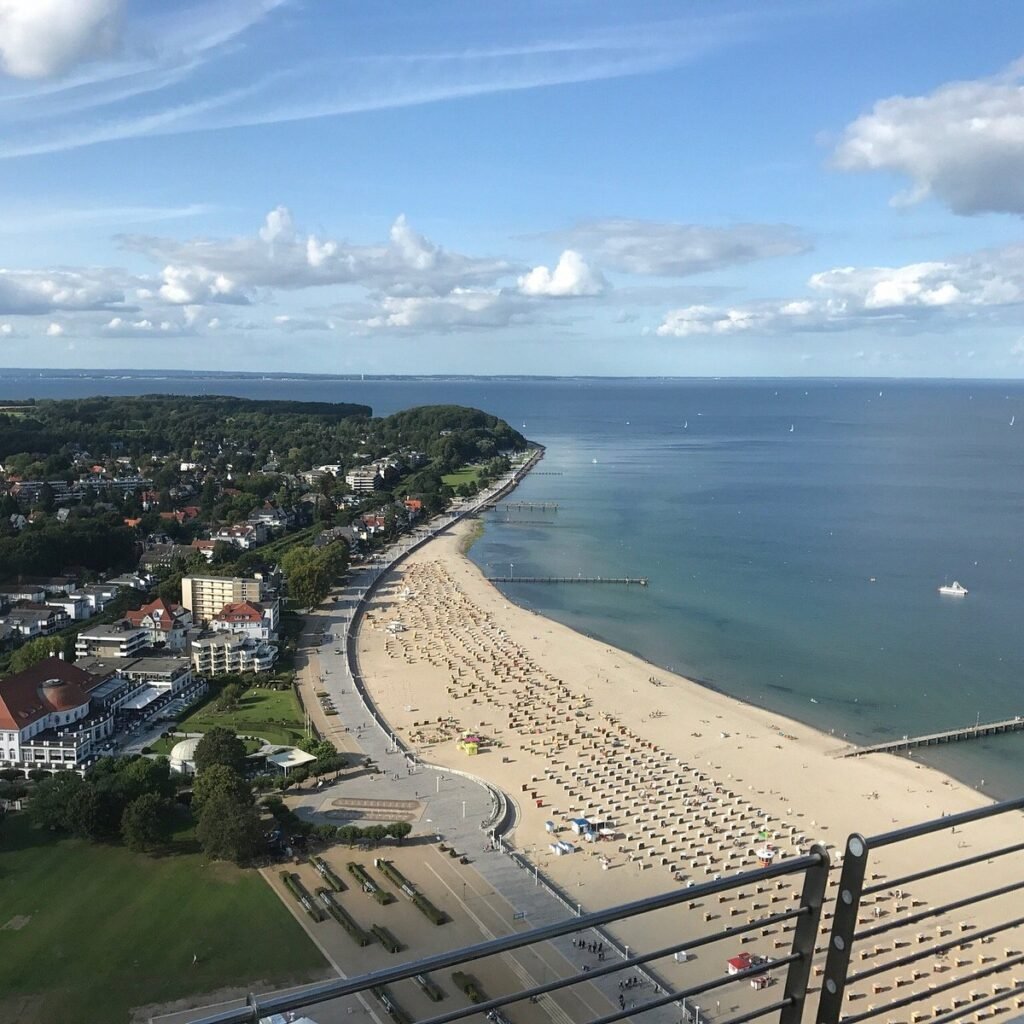
Travemünde is Lübeck’s famous seaside district located on the Baltic Sea coast. Once a small fishing village, Travemünde later became a luxurious seaside resort attracting visitors seeking beaches, sea air, and relaxation.
The sandy beaches stretch along the Baltic coastline and provide excellent opportunities for swimming, sunbathing, cycling, and coastal walks.
The promenade is filled with cafes, seafood restaurants, hotels, and shops while ferries and sailing ships create a lively maritime atmosphere.
One of Travemünde’s most famous landmarks is its historic lighthouse, one of the oldest along the German Baltic coast.
Visitors can also enjoy boat cruises, beach festivals, seafood dining, and beautiful sunset views over the Baltic Sea.
Travemünde perfectly combines coastal tourism with traditional northern German culture.
🎄 8. Lübeck Christmas Market – One of Germany’s Oldest Christmas Festivals

Lübeck hosts one of Germany’s oldest and most beautiful Christmas markets. During the holiday season, the entire old town transforms into a magical winter wonderland filled with festive lights, decorations, music, and traditional wooden stalls.
Visitors can enjoy roasted almonds, gingerbread, sausages, pastries, marzipan sweets, and hot mulled wine while walking through beautifully decorated medieval streets.
Churches, squares, and historical buildings become illuminated with warm lights that create unforgettable winter scenery.
Musical performances, choirs, and seasonal events add additional charm to the festive atmosphere.
The Lübeck Christmas Market attracts visitors from all over Europe every winter.
Related artical : Top 5 place to visit in Nienburg