
Now Reading: Best place to visit in Iraq
-
01
Best place to visit in Iraq
Best place to visit in Iraq
1. Ancient City of Babylon – The Legendary Capital of Mesopotamia

Ancient Babylon was once the center of one of the greatest civilizations in human history. Founded more than 4,000 years ago along the Euphrates River, Babylon became the capital of the Babylonian Empire and one of the most influential cities of the ancient world. The city reached its golden age under King Nebuchadnezzar II, who transformed it into a magnificent metropolis filled with temples, palaces, massive walls, and ceremonial avenues.
Babylon was a center of trade, culture, science, mathematics, astronomy, and law. The famous Code of Hammurabi, one of the earliest legal systems ever written, originated here. Ancient writers described Babylon as a city of extraordinary beauty and wealth.
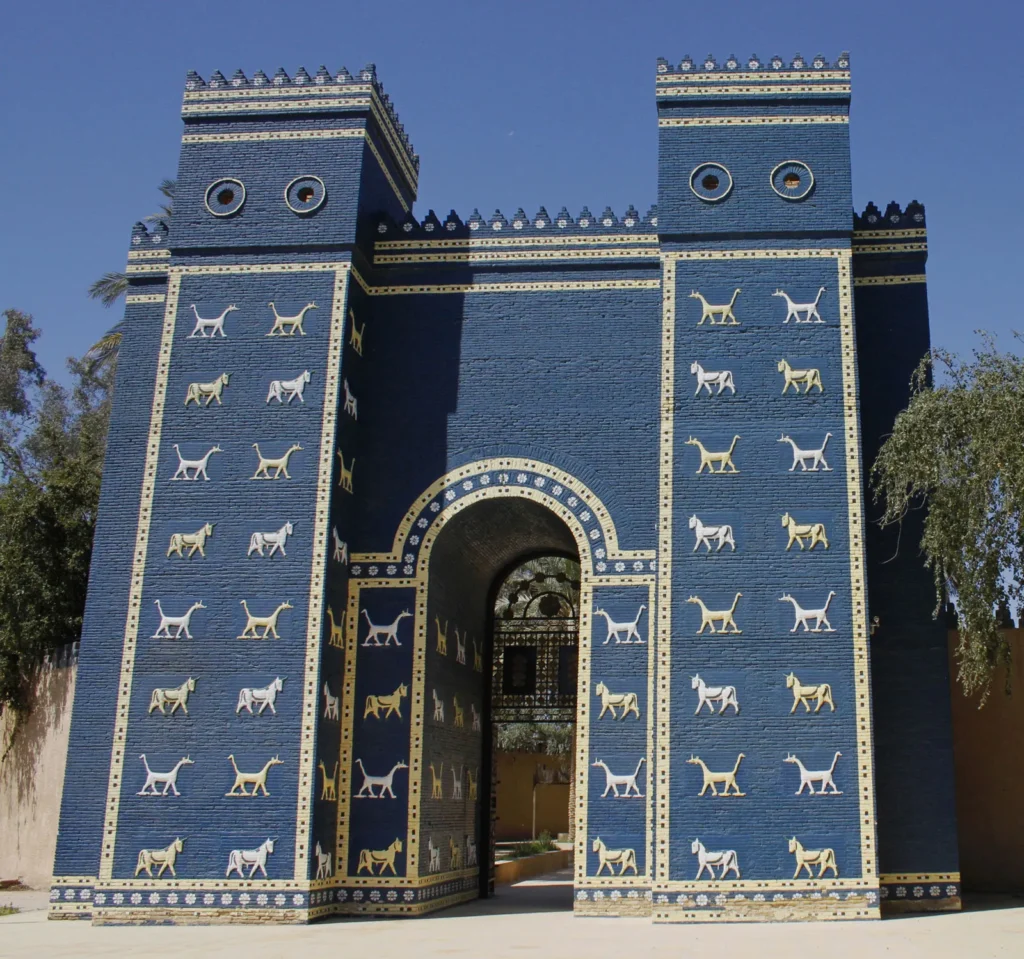
Visitors can explore archaeological ruins, palace foundations, reconstructed gates, and monuments that reveal the achievements of Mesopotamian civilization. Babylon is also associated with the legendary Hanging Gardens, one of the Seven Wonders of the Ancient World.
Today, Babylon remains one of the world’s most important archaeological sites and a symbol of Iraq’s extraordinary historical heritage.
2. Erbil Citadel – The World’s Oldest Continuously Inhabited Settlement

Erbil Citadel rises above the center of Erbil and is believed to be one of the oldest continuously inhabited settlements on Earth. Archaeological evidence suggests people have lived on this site for more than 6,000 years.
Throughout its long history, the citadel witnessed Assyrian, Babylonian, Persian, Greek, Arab, Mongol, Ottoman, and Kurdish civilizations. Each culture contributed to the development of the city and left behind traces of its architectural and cultural heritage.
Visitors can explore historic houses, narrow alleyways, museums, ancient buildings, and panoramic viewpoints overlooking modern Erbil. The elevated position of the citadel made it a strategic fortress and administrative center for centuries.
Recognized as a UNESCO World Heritage Site, Erbil Citadel remains one of the most important cultural landmarks in the Middle East.
3. Great Mosque of Samarra – A Masterpiece of Islamic Architecture
Great Mosque of Samarra is one of the most significant monuments of Islamic civilization. Built during the Abbasid Caliphate in the 9th century, the mosque once served as the largest mosque in the world.
Its most famous feature is the iconic spiral minaret known as the Malwiya Tower. Rising dramatically above the surrounding landscape, the tower represents one of the greatest architectural achievements of the Islamic Golden Age.
The mosque reflects the immense wealth and influence of the Abbasid Empire when Samarra served as the capital of the Islamic world. The structure showcases advanced engineering, artistic excellence, and urban planning.
Today, the Great Mosque of Samarra remains one of Iraq’s most famous landmarks and an important UNESCO World Heritage Site.
4. Al-Askari Shrine – A Sacred Center of Pilgrimage

Al-Askari Shrine is among the holiest religious sites in the Islamic world. The shrine contains the tombs of Imam Ali al-Hadi and Imam Hasan al-Askari and holds immense spiritual significance.
The magnificent golden dome dominates the skyline and attracts millions of pilgrims every year. Visitors admire the intricate Islamic architecture, detailed calligraphy, beautiful courtyards, and peaceful atmosphere.
The shrine has played a central role in Islamic history and remains one of Iraq’s most important pilgrimage destinations. Its beauty and spiritual significance make it a symbol of faith, devotion, and cultural heritage.
5. Ziggurat of Ur – The Monument of Ancient Sumer

Ziggurat of Ur is one of the best-preserved monuments of the ancient world. Constructed around 2100 BCE by King Ur-Nammu, it served as a temple dedicated to the moon god Nanna.
The massive stepped structure demonstrates the advanced engineering capabilities of the Sumerians, one of humanity’s earliest civilizations. Ur was once a thriving city that contributed significantly to the development of writing, trade, mathematics, and urban society.
Visitors can explore the impressive staircase, temple remains, and surrounding archaeological site while learning about one of the world’s oldest civilizations.
The Ziggurat of Ur stands as a remarkable symbol of ancient Mesopotamian innovation and religious devotion.
6. Marshes of Southern Iraq – The Cradle of Civilization

Mesopotamian Marshes represent one of the world’s most unique ecosystems and one of humanity’s oldest inhabited landscapes.
For thousands of years, communities known as the Marsh Arabs have lived among these wetlands, building traditional reed houses and traveling by boat through an intricate network of waterways.
The marshes support diverse wildlife, including migratory birds, fish, and water buffalo. Their cultural and environmental significance earned them UNESCO World Heritage status.
Visitors experience a unique blend of nature, history, and living cultural traditions unlike anywhere else on Earth.
7. Imam Ali Shrine – The Spiritual Heart of Najaf

Imam Ali Shrine is one of the most revered religious sites in Islam and the burial place of Imam Ali ibn Abi Talib.
The shrine’s magnificent golden dome and intricate decorations attract millions of pilgrims annually. It serves as a center of religious scholarship, spiritual learning, and Islamic culture.
For centuries, scholars from around the world have studied in Najaf, making the city one of the most influential centers of Islamic learning.
The shrine remains a symbol of faith, justice, wisdom, and devotion.
8. Imam Husayn Shrine – The Sacred Landmark of Karbala

Imam Husayn Shrine commemorates Imam Husayn ibn Ali, whose sacrifice at the Battle of Karbala remains one of the most significant events in Islamic history.
The shrine attracts millions of pilgrims from around the world each year. Its golden domes, beautiful courtyards, and spiritual atmosphere create a profound experience for visitors.
The shrine symbolizes courage, sacrifice, justice, and unwavering commitment to faith.
9. Al-Abbas Shrine – Symbol of Loyalty and Courage

Al-Abbas Shrine honors Abbas ibn Ali, a symbol of bravery, loyalty, and sacrifice.
Located near the Imam Husayn Shrine, the shrine showcases stunning Islamic architecture, magnificent domes, artistic tilework, and spiritual significance.
Millions of pilgrims visit annually to pay their respects and reflect upon the values represented by Abbas ibn Ali.
10. Baghdad Museum – Treasury of Mesopotamian Civilization

Iraq Museum contains one of the most important collections of archaeological artifacts in the world.
Its galleries showcase treasures from Sumerian, Akkadian, Babylonian, Assyrian, and Islamic civilizations. Visitors encounter ancient statues, tablets, jewelry, manuscripts, and priceless relics spanning thousands of years.
The museum provides an extraordinary journey through the history of human civilization.
11. Mutanabbi Street – Baghdad’s Cultural and Literary Heart

Mutanabbi Street is one of the most famous literary streets in the Arab world.
For generations, writers, scholars, artists, and intellectuals have gathered here to exchange ideas and celebrate literature. Bookstores line the street, offering thousands of titles covering history, culture, philosophy, and science.
The street reflects Baghdad’s historic role as a center of learning and intellectual achievement.
12. Abbasid Palace – Legacy of Baghdad’s Golden Age

Abbasid Palace is one of the finest surviving examples of medieval Islamic architecture in Iraq.
Built during the Abbasid era, the palace features elegant arches, intricate brickwork, decorative designs, and sophisticated engineering techniques.
The structure stands as a reminder of Baghdad’s golden age when the city was one of the world’s leading centers of science, culture, and scholarship.
13. Rawanduz Canyon – The Grand Canyon of Kurdistan

Rawanduz Canyon is one of the most spectacular natural wonders in Iraq.
Surrounded by towering mountains and dramatic cliffs, the canyon offers breathtaking views and unforgettable landscapes. Visitors enjoy hiking, sightseeing, photography, and outdoor adventures.
The canyon’s dramatic scenery has made it one of Kurdistan’s most popular tourism destinations.
14. Bekhal Waterfall

Bekhal Waterfall is among the most visited natural attractions in Iraqi Kurdistan.
The waterfall flows through a beautiful mountain setting surrounded by restaurants, gardens, and recreational facilities. Its cool waters and refreshing climate attract visitors throughout the year.
15. Gali Ali Beg Waterfall

Gali Ali Beg Waterfall is one of Kurdistan’s most iconic waterfalls.
Nestled between dramatic mountains, the waterfall creates a breathtaking landscape that attracts photographers, hikers, and nature enthusiasts.
16. Amedi – The Ancient Mountain Town

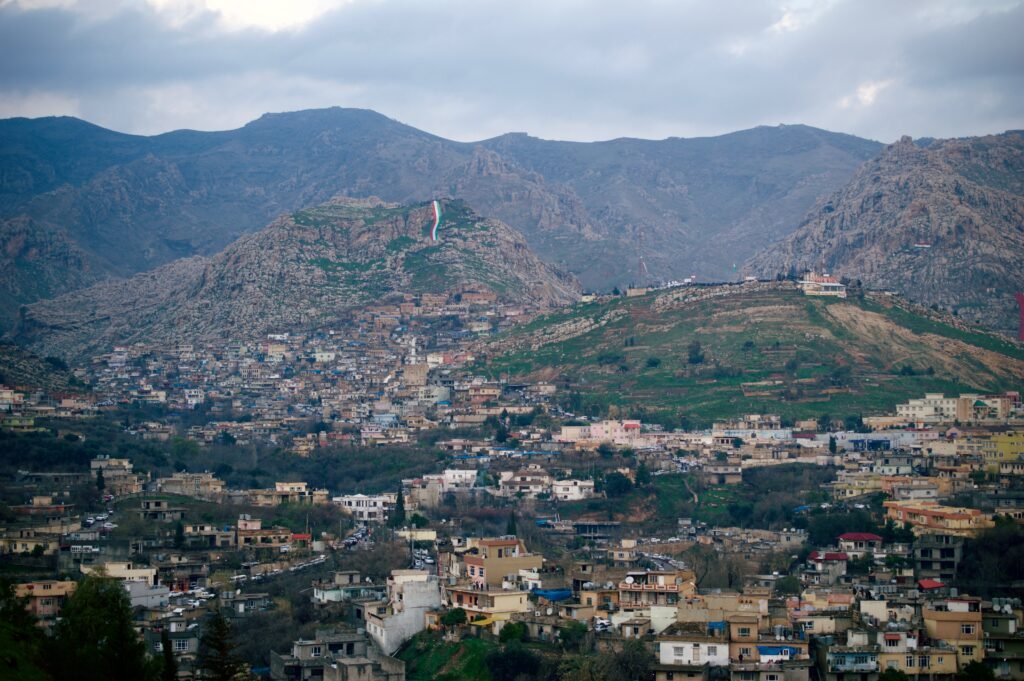
Amedi sits dramatically atop a mountain plateau and boasts a history spanning thousands of years.
The town features ancient gates, historic buildings, panoramic views, and remarkable cultural heritage, making it one of Kurdistan’s most beautiful destinations.
17. Lalish Temple – The Holiest Site of the Yazidi Faith

Lalish Temple serves as the spiritual center of the Yazidi religion.
Nestled in a peaceful mountain valley, the temple complex contains sacred shrines, traditional architecture, and centuries of religious history.
18. Shanidar Cave – Home of Ancient Humanity

Shanidar Cave is one of the world’s most important archaeological sites.
The cave became famous after the discovery of Neanderthal remains dating back tens of thousands of years, providing valuable insights into prehistoric human life.
19. Ctesiphon Arch – The Greatest Arch of the Ancient World

Ctesiphon Arch is one of the largest single-span brick arches ever built.
Constructed during the Sasanian Empire, the monument demonstrates extraordinary engineering achievements and remains one of Iraq’s most iconic historical landmarks.
20. Hatra – The Desert City of Kings

Hatra is a UNESCO World Heritage Site and one of the best-preserved ancient cities in the Middle East.
Founded more than 2,000 years ago, Hatra became a major religious and trading center. The city is famous for its massive walls, temples, towers, and unique blend of Greek, Roman, Persian, and Mesopotamian architectural influences.
Its impressive ruins continue to attract historians, archaeologists, and travelers interested in the ancient world.
Related artical : Best place to visit in Khanaqin