
Now Reading: Best place to visit in Hillah
-
01
Best place to visit in Hillah
Best place to visit in Hillah
1. Ancient Babylon – The Legendary City of Kings and Wonders

Ancient Babylon is one of the most famous archaeological sites in the world and the greatest attraction near Hillah. Once the capital of the powerful Babylonian Empire, Babylon was one of the largest and most influential cities of the ancient world.
Founded more than 4,000 years ago, Babylon became a center of culture, science, architecture, trade, and government. The city reached its greatest glory under King Nebuchadnezzar II, who transformed it into one of the most magnificent cities ever built.
Visitors exploring Babylon experience ancient ruins, reconstructed walls, archaeological remains, ceremonial roads, temples, royal palaces, and fascinating evidence of one of humanity’s greatest civilizations.
Babylon is also associated with the legendary Hanging Gardens, one of the Seven Wonders of the Ancient World.
Photography lovers especially appreciate the monumental ruins and historical atmosphere.
Every visit feels like stepping into the heart of ancient history.
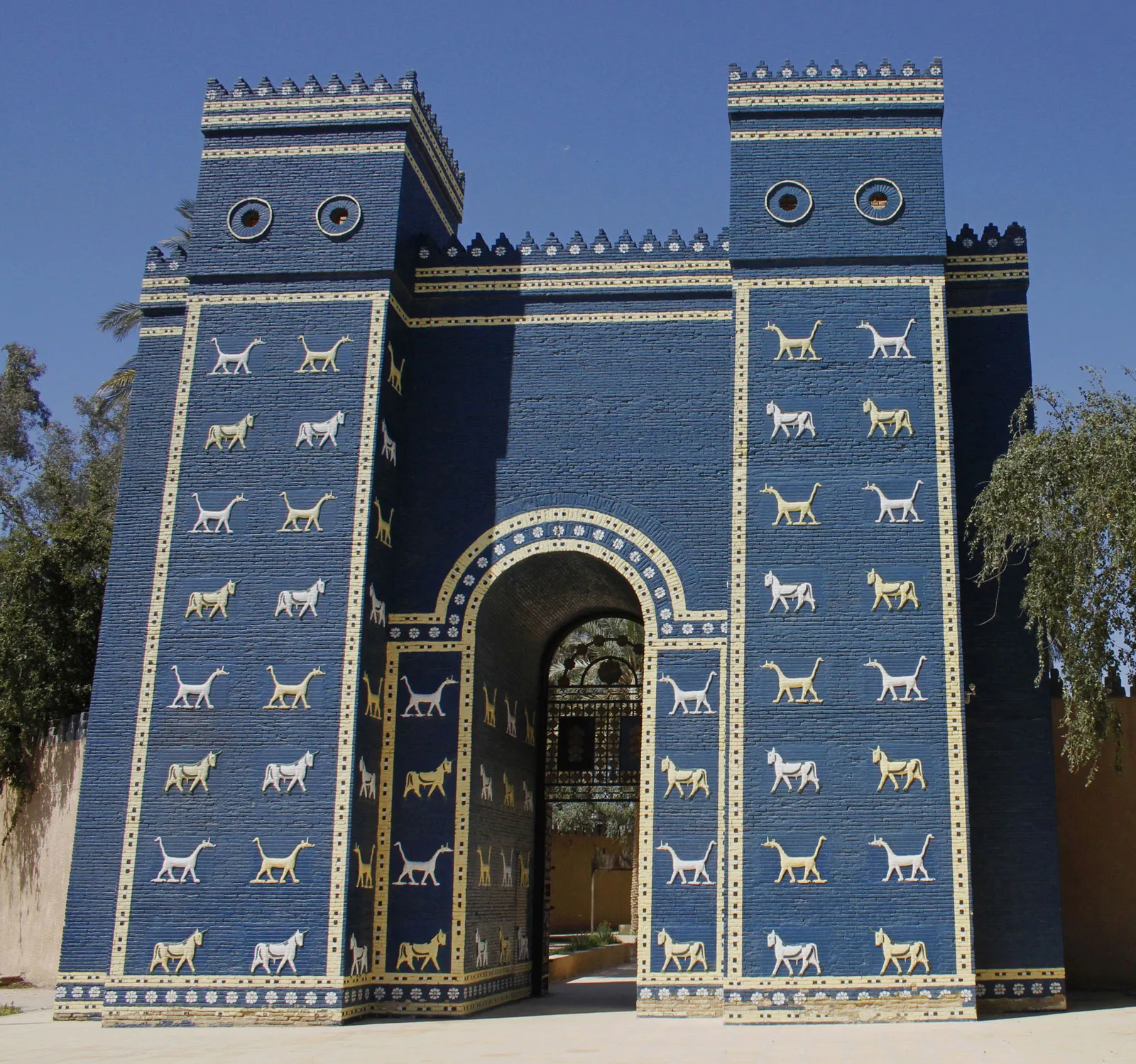
2. Ishtar Gate Reconstruction – The Symbol of Babylonian Power

Ishtar Gate Reconstruction represents one of the most iconic architectural achievements of the ancient Babylonian Empire.
Originally constructed during the reign of King Nebuchadnezzar II around 575 BCE, the gate served as the grand entrance to Babylon and was decorated with magnificent blue glazed bricks and images of sacred animals.
Visitors exploring the site experience impressive reconstructions, historical exhibits, ancient architectural details, and insight into Babylonian engineering.
The original gate was considered one of the most beautiful structures of the ancient world.
Its artistic achievements continue to inspire historians and archaeologists today.
Photography lovers especially appreciate the striking architecture and historical significance.
Every visit feels educational and inspiring.
3. Lion of Babylon – The Ancient Symbol of Strength

Lion of Babylon is one of the most famous surviving monuments from ancient Mesopotamia.
Carved from black basalt stone, the statue depicts a powerful lion standing over a human figure and is believed to symbolize strength, authority, and royal power.
Visitors exploring the monument experience one of Iraq’s most recognizable archaeological treasures.
The sculpture has survived centuries of history and remains a powerful reminder of Babylon’s greatness.
Its historical significance makes it one of the most photographed landmarks in the region.
Photography lovers especially appreciate its impressive craftsmanship and symbolism.
Every visit feels historical and memorable.
4. Euphrates River – The Lifeline of Hillah

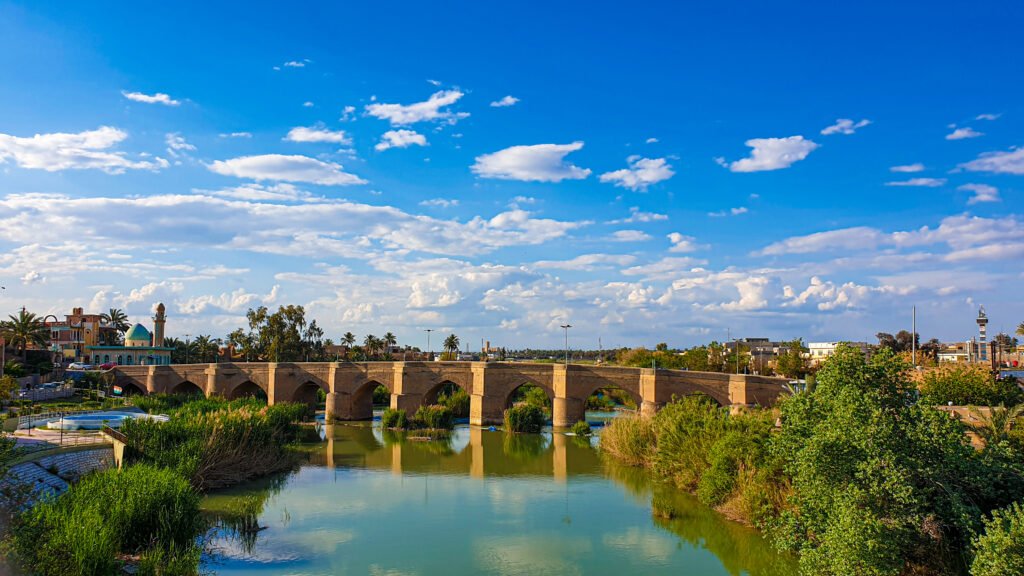
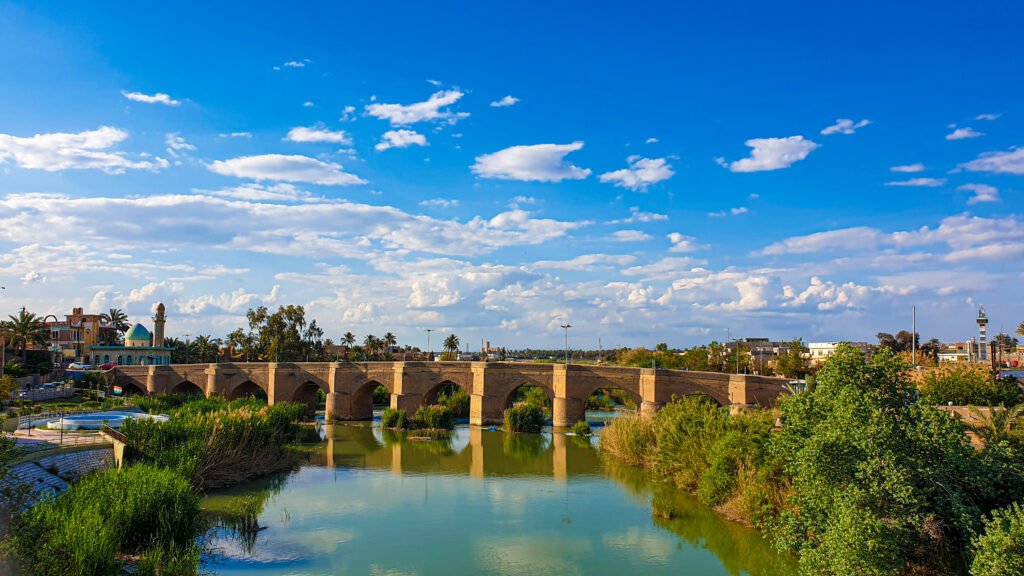
Euphrates River flows through the city and has shaped the development of civilization in the region for thousands of years.
Visitors exploring the riverbanks experience scenic walks, agricultural landscapes, traditional fishing activities, riverside cafés, and beautiful sunset views.
The river played a crucial role in supporting the rise of Babylon and other Mesopotamian civilizations.
Its fertile waters transformed the surrounding lands into one of the earliest centers of agriculture and urban development in human history.
Photography lovers especially appreciate the peaceful scenery and reflections.
Every visit feels relaxing and unforgettable.
5. Hillah City Center – The Modern Gateway to Babylon

Hillah City Center serves as the administrative and cultural center of Babil Governorate.
Visitors exploring the city experience bustling streets, modern developments, public parks, shopping areas, traditional markets, and authentic Iraqi hospitality.
The city has grown into an important educational and commercial center while maintaining strong connections to its ancient heritage.
Its location near Babylon makes it one of Iraq’s most historically significant cities.
The blend of modern life and ancient history creates a unique atmosphere.
Photography lovers especially appreciate the riverside scenery and urban landscapes.
Every visit feels vibrant and welcoming.
6. Borsippa Archaeological Site – The Ancient City of Wisdom

Borsippa Archaeological Site is one of the most important archaeological sites near Hillah and was once a major religious center of ancient Mesopotamia.
The site is famous for the remains of the Birs Nimrud, a massive ziggurat dedicated to the god Nabu, the Babylonian deity of wisdom and writing.
Visitors exploring the area experience ancient ruins, archaeological remains, historical landscapes, and fascinating insights into Babylonian religion and culture.
The towering remains continue to dominate the surrounding plains.
Historians consider the site one of the most important archaeological treasures in Iraq.
Photography lovers especially appreciate the dramatic ruins and desert scenery.
Every visit feels like a journey through ancient civilization.
7. Hillah Traditional Markets – The Cultural Soul of the City

Hillah Traditional Market remains one of the city’s most vibrant cultural and commercial destinations.
Visitors exploring the market discover spices, textiles, jewelry, traditional clothing, local sweets, handicrafts, and authentic Iraqi culture.
The market has served as a center of commerce and social interaction for generations.
Its lively atmosphere provides visitors with an excellent opportunity to experience daily life in central Iraq.
Traditional shops continue to preserve customs and trading practices that have existed for centuries.
Photography lovers especially appreciate the colorful displays and bustling streets.
Every visit feels authentic and memorable.
8. Hillah Food Culture – The Traditional Flavors of Babylon

Hillah offers a rich culinary heritage influenced by thousands of years of Mesopotamian history and Iraqi traditions.
Visitors can enjoy traditional dishes such as Quzi, Dolma, Kubba, Masgouf, grilled meats, rice specialties, fresh bread, dates, local sweets, and regional delicacies.
The fertile lands surrounding the Euphrates River provide fresh fruits, vegetables, and grains that play an important role in local cuisine.
Traditional restaurants and family-owned eateries preserve recipes passed down through generations.
Food remains an important part of hospitality, family gatherings, and cultural celebrations throughout the region.
Food lovers especially enjoy exploring local markets and authentic Iraqi restaurants.
Every meal feels flavorful and unforgettable.
Hillah beautifully combines the legendary heritage of Babylon, world-famous archaeological treasures, ancient Mesopotamian history, scenic river landscapes, cultural traditions, vibrant markets, and extraordinary cuisine, making it one of the most historically significant destinations in the world.
Related artical : Best place to visit in Kufa