
Now Reading: Best place to visit in Drogheda
-
01
Best place to visit in Drogheda
Best place to visit in Drogheda
1. St. Laurence Gate – The Medieval Guardian of Drogheda

St. Laurence Gate is one of the most impressive surviving medieval town gates in Ireland and serves as a symbol of Drogheda’s rich history. Built during the 13th century, the gate formed part of the town’s defensive walls and protected residents from invasion.
The structure features two massive towers connected by an archway and remains remarkably well preserved despite centuries of change. Throughout the Middle Ages, Drogheda was one of Ireland’s most important fortified towns, and St. Laurence Gate played a vital role in its defense.
Visitors can admire the gate’s impressive architecture, learn about medieval life, and explore nearby historical attractions that reveal Drogheda’s importance as a commercial and military center.
The gate stands as one of the finest examples of medieval urban fortification in Ireland and remains a favorite destination for photographers and history enthusiasts.
2. Millmount Fort – The Historic Hill of Drogheda

Millmount Fort rises above the town and offers some of the best views in the region. The site has been occupied since ancient times and has served as a strategic defensive position for centuries.
The current fortifications date primarily from the 19th century, but the hill itself has witnessed Viking settlements, Norman invasions, and numerous historical conflicts.
Visitors can explore the museum, military exhibits, restored fortifications, and panoramic viewpoints overlooking Drogheda and the River Boyne.
The site provides valuable insight into the town’s military history and remains one of the most popular attractions in County Louth.
Its commanding position makes it an excellent location for photography and sightseeing.
3. St. Peter’s Church – Home of a Unique Historical Relic

St. Peter’s Church is one of the most important religious landmarks in the town and has served the local community for centuries.
The church is famous for housing the preserved head of Saint Oliver Plunkett, the Archbishop of Armagh who was executed in 1681 and later canonized by the Catholic Church.
Visitors can admire beautiful stained-glass windows, historic architecture, religious artwork, and exhibitions detailing the life and legacy of Saint Oliver Plunkett.
The church combines spiritual significance with fascinating historical connections, making it one of Drogheda’s most visited sites.
Its peaceful atmosphere provides an ideal setting for reflection and exploration.
4. River Boyne – The Lifeblood of Drogheda

River Boyne flows through the heart of Drogheda and has played a crucial role in the town’s development for thousands of years.
The river served as a major transportation route, trading corridor, and source of prosperity for ancient settlements and medieval merchants alike.
Visitors can enjoy riverside walks, scenic views, wildlife observation, and opportunities to learn about the river’s historical significance.
The River Boyne is also associated with some of Ireland’s most important historical and archaeological sites.
Its peaceful waters and beautiful surroundings make it one of Drogheda’s defining natural features.
5. Battle of the Boyne Visitor Centre – A Landmark of Irish History

Battle of the Boyne Visitor Centre is located just outside Drogheda and commemorates one of the most significant battles in Irish and British history.
The Battle of the Boyne took place in 1690 between King William III and King James II. Its outcome had a profound impact on Irish political and religious history.
Visitors can explore interactive exhibitions, historical displays, restored gardens, battlefield trails, and educational presentations.
The visitor center provides a comprehensive understanding of the events that shaped Ireland’s future.
Its historical importance attracts visitors from around the world.
6. Bru na Boinne – Ireland’s Ancient Wonder

Brú na Bóinne is one of Europe’s most important prehistoric landscapes and a UNESCO World Heritage Site located near Drogheda.
The complex includes the famous passage tombs of Newgrange, Knowth, and Dowth, which were built more than 5,000 years ago—older than Stonehenge and the Egyptian pyramids.
Visitors can explore remarkable archaeological sites, ancient art, burial chambers, and sophisticated engineering achievements that demonstrate the ingenuity of prehistoric societies.
The winter solstice illumination inside Newgrange remains one of the world’s most extraordinary ancient phenomena.
This site offers a fascinating journey into Ireland’s distant past.
7. Mellifont Abbey – Ireland’s First Cistercian Monastery

Mellifont Abbey was founded in 1142 and became the first Cistercian monastery in Ireland.
The abbey played a major role in religious, cultural, and agricultural development during the medieval period.
Visitors can explore impressive ruins, stone carvings, chapter houses, cloisters, and historical exhibits that illustrate monastic life centuries ago.
The peaceful countryside setting enhances the beauty and historical atmosphere of the site.
Mellifont Abbey remains one of Ireland’s most important monastic monuments.
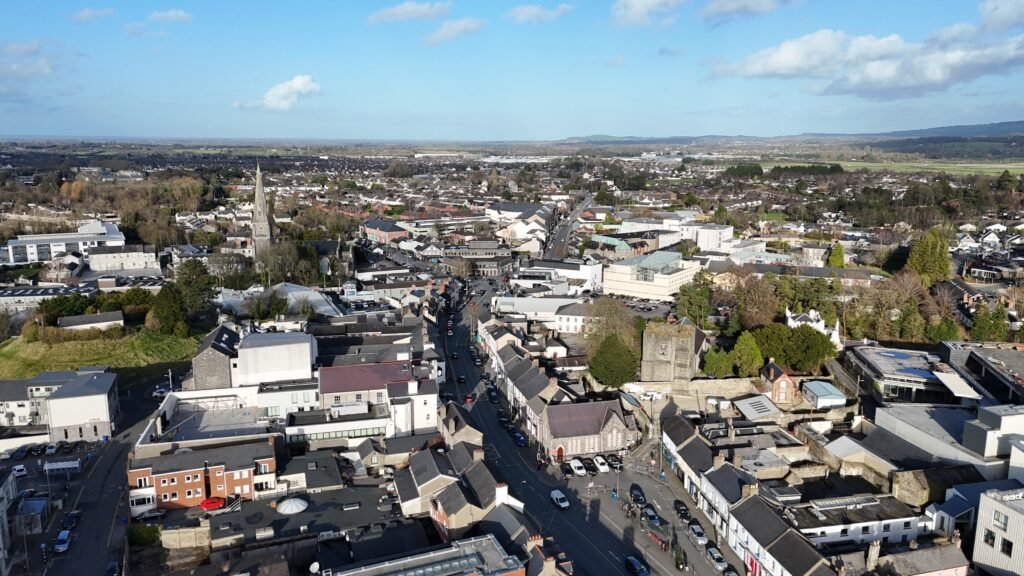
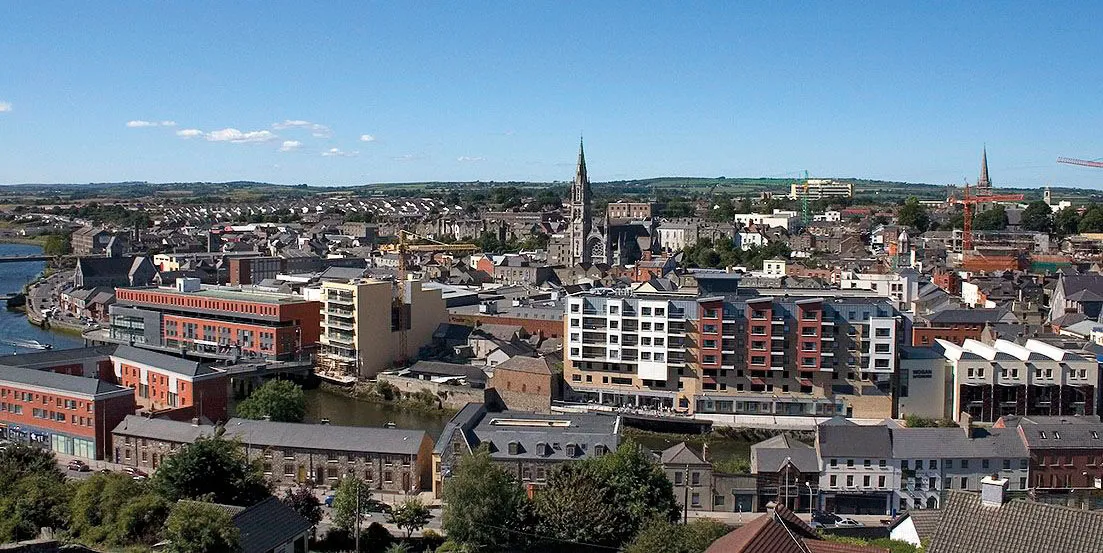
8. Drogheda Town Centre – A Blend of Heritage and Modern Life

Drogheda Town Centre combines medieval heritage with modern Irish culture.
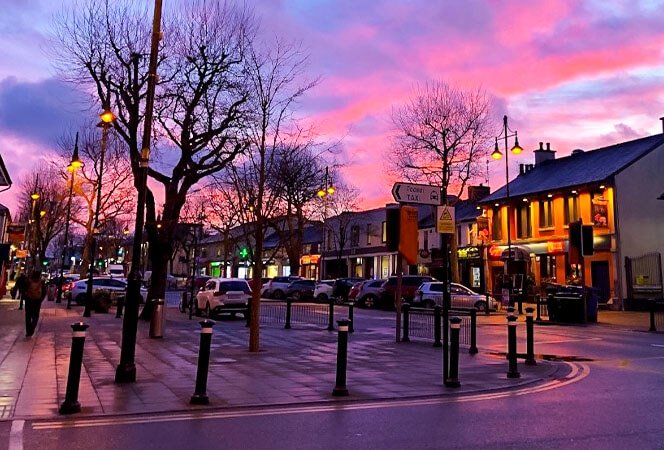
Visitors can explore charming streets, independent shops, cafés, restaurants, cultural venues, and historic buildings that reflect centuries of urban development.
The town retains many reminders of its medieval origins while offering contemporary amenities and a vibrant community atmosphere.
Walking through Drogheda provides opportunities to discover hidden historical treasures around every corner.
The mix of old and new makes the town especially appealing to travelers.
9. Monasterboice – Home of Ireland’s Finest High Crosses

Monasterboice is one of Ireland’s most important early Christian sites and lies just outside Drogheda.
Founded during the 5th century, the monastic settlement is famous for its magnificent Celtic high crosses, including the renowned Muiredach’s Cross, widely regarded as the finest high cross in Ireland.
Visitors can admire intricate stone carvings depicting biblical scenes, ancient ruins, round towers, and remarkable examples of early Christian art.
The site provides a unique window into Ireland’s religious and cultural history.
It remains one of the country’s most treasured archaeological landmarks.
10. Drogheda Food and Cultural Scene – The Spirit of County Louth

Drogheda offers a vibrant food and cultural scene that reflects both its rich heritage and modern creativity.
Visitors can enjoy traditional Irish dishes such as seafood chowder, Irish stew, locally sourced meats, artisan cheeses, fresh baked goods, and contemporary international cuisine. The town’s proximity to the coast ensures access to excellent seafood.
Throughout the year, Drogheda hosts music festivals, arts events, heritage celebrations, food festivals, and cultural gatherings that attract visitors from across Ireland.
The combination of historic landmarks, archaeological treasures, riverside scenery, and welcoming hospitality creates a memorable travel experience.
From ancient passage tombs and medieval gates to lively streets and cultural festivals, Drogheda offers one of the most fascinating journeys through Ireland’s history and heritage.
Related artical : Best place to visit in Swords