Now Reading: Best place to visit in Sligo
-
01
Best place to visit in Sligo
Best place to visit in Sligo

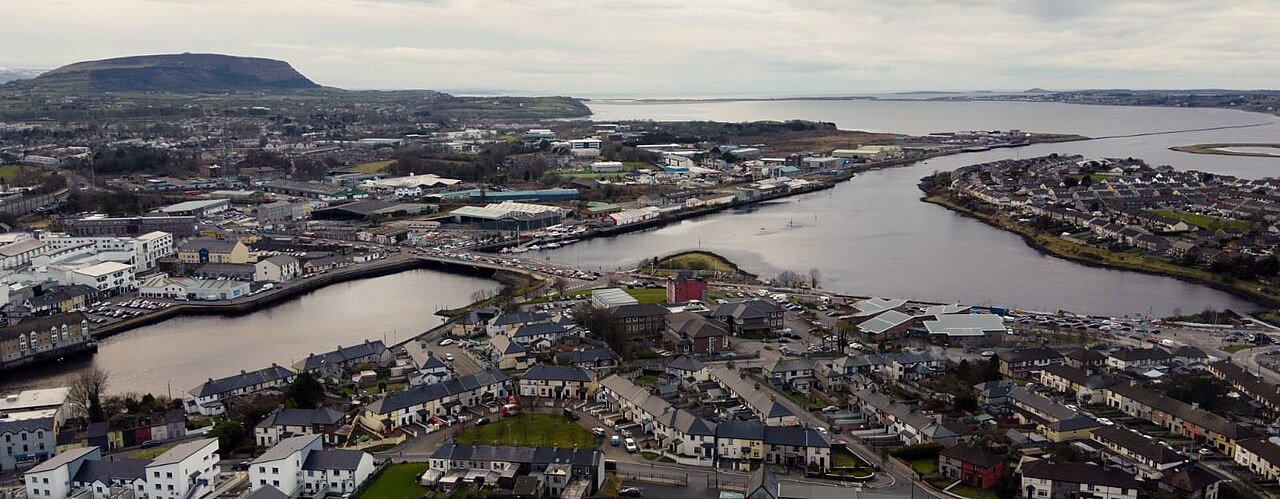
Sligo is one of Ireland’s most captivating destinations, renowned for its breathtaking scenery, rich mythology, literary heritage, and vibrant cultural life. Located on Ireland’s spectacular northwest coast along the Wild Atlantic Way, Sligo is surrounded by dramatic mountains, pristine beaches, ancient monuments, and rolling countryside.
Often referred to as the “Land of Heart’s Desire,” Sligo is closely associated with the famous Irish poet W. B. Yeats, whose writings were inspired by the county’s enchanting landscapes. The region combines history, folklore, adventure, and natural beauty, making it one of Ireland’s most rewarding travel destinations.
Visitors to Sligo can explore ancient archaeological sites, scenic coastal routes, world-class surfing beaches, historic castles, and some of the most beautiful landscapes in Europe.
Whether you’re interested in history, outdoor adventure, culture, or relaxation, Sligo offers an unforgettable Irish experience.
1. Benbulben – The Iconic Mountain of Sligo

Benbulben is the most recognizable landmark in Sligo and one of Ireland’s most famous mountains.
Its distinctive flat-topped shape dominates the landscape and has inspired artists, photographers, and poets for generations. Formed millions of years ago through geological processes and glacial activity, Benbulben rises dramatically above the surrounding countryside.
Visitors can enjoy hiking trails, scenic viewpoints, photography opportunities, and spectacular panoramas stretching across the Atlantic coastline and neighboring counties.
The mountain is deeply connected to Irish mythology and folklore and appears frequently in the poetry of W. B. Yeats.
Its unique appearance makes it one of Ireland’s most photographed natural landmarks.
2. Sligo Abbey – A Medieval Treasure

Sligo Abbey is one of Ireland’s finest medieval monastic ruins.
Founded in the 13th century by the Dominican Order, the abbey became an important religious and educational center. Despite centuries of political upheaval and conflict, much of the structure remains remarkably well preserved.
Visitors can explore Gothic arches, stone carvings, cloisters, tombs, and beautifully crafted sculptures that provide insight into medieval Irish life.
The abbey’s historic atmosphere and architectural beauty make it one of Sligo’s most important cultural attractions.
Its central location makes it easily accessible for visitors exploring the town.
3. Sligo Town Centre – The Cultural Heart of the Northwest

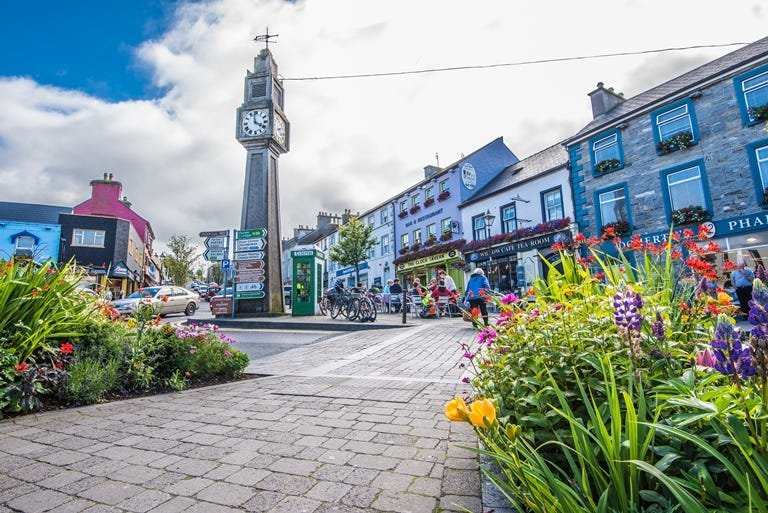
Sligo Town Centre is a lively destination filled with history, culture, shopping, dining, and entertainment.
The town features charming streets lined with historic buildings, traditional pubs, independent shops, cafés, galleries, and cultural venues.
Visitors can enjoy live music, local markets, arts festivals, and a welcoming atmosphere that reflects the friendly character of northwest Ireland.
The town’s riverside setting and compact layout make it easy to explore on foot.
Its blend of historic charm and modern amenities creates a vibrant and enjoyable visitor experience.
4. Knocknarea – The Mountain of Queen Maeve

Knocknarea is one of Ireland’s most significant archaeological and mythological sites.
The mountain is crowned by a massive prehistoric cairn believed to be the burial place of the legendary warrior queen Maeve. The monument is over 5,000 years old and remains one of Ireland’s largest ancient cairns.
Visitors can hike to the summit and enjoy panoramic views of Sligo Bay, Benbulben, and the surrounding countryside.
The site combines stunning scenery with fascinating legends and ancient history.
It remains one of the most popular outdoor attractions in the region.
5. Strandhill Beach – Ireland’s Surfing Paradise

Strandhill Beach is one of Ireland’s premier surfing destinations and a favorite spot for outdoor enthusiasts.
Located along the Wild Atlantic Way, the beach is famous for its powerful Atlantic waves, dramatic coastal scenery, and relaxed atmosphere.
Visitors can enjoy surfing lessons, beach walks, photography, seaweed baths, and spectacular sunsets over the ocean.
The nearby village offers cafés, restaurants, and traditional Irish hospitality.
Strandhill is widely regarded as one of the most beautiful coastal destinations in Ireland.
6. Carrowmore Megalithic Cemetery – Older Than the Pyramids

Carrowmore Megalithic Cemetery is one of the largest and oldest prehistoric cemeteries in Europe.
Dating back more than 6,000 years, the site contains dozens of ancient tombs, stone circles, and burial monuments that predate the Egyptian pyramids.
Visitors can explore archaeological remains while learning about the lives and beliefs of Ireland’s earliest inhabitants.
The site provides a remarkable connection to prehistoric Europe and remains one of Ireland’s most important archaeological treasures.
Its historical significance attracts researchers and visitors from around the world.
7. Glencar Waterfall – A Natural Wonder

Glencar Waterfall is located near Sligo and is one of the most picturesque waterfalls in Ireland.
The waterfall cascades gracefully through a beautiful woodland setting and inspired W. B. Yeats’s famous poem “The Stolen Child.”
Visitors can enjoy scenic walking paths, peaceful surroundings, photography, and stunning views of the waterfall and nearby lake.
The tranquil atmosphere makes it a favorite destination for nature lovers.
Its literary connection adds an extra layer of cultural significance.
8. Lissadell House – A Historic Estate by the Sea

Lissadell House is one of Ireland’s most beautiful country estates.
The elegant mansion overlooks the Atlantic Ocean and is surrounded by stunning gardens, woodlands, and coastal scenery.
Visitors can tour the historic house, learn about its connections to Irish history, and explore exhibitions detailing the lives of the Gore-Booth family.
The estate was closely associated with W. B. Yeats and played an important role in Ireland’s cultural and political history.
Its beautiful setting makes it one of Sligo’s most treasured attractions.
9. Mullaghmore – A Coastal Gem of the Wild Atlantic Way

Mullaghmore is a stunning coastal village famous for its dramatic scenery and world-class surfing waves.
The area offers spectacular views of the Atlantic Ocean, Benbulben, and rugged cliffs that define Ireland’s northwest coast.
Visitors can enjoy coastal walks, surfing, fishing, boating, and photography while experiencing some of Ireland’s most breathtaking seascapes.
The nearby harbor and scenic drives add to the charm of this beautiful destination.
Mullaghmore is considered one of the highlights of the Wild Atlantic Way.
10. Food, Music, and Culture in Sligo

Sligo is renowned for its rich cultural scene, traditional Irish music, and excellent cuisine. Visitors can enjoy fresh Atlantic seafood, locally sourced lamb, artisan cheeses, homemade breads, oysters, and regional specialties that reflect the county’s agricultural and maritime traditions.
The town’s pubs regularly host live traditional Irish music sessions featuring fiddles, flutes, accordions, and folk singing.
Throughout the year, Sligo hosts literary festivals, arts events, music celebrations, surfing competitions, and cultural gatherings that attract visitors from around the world.
Related artical : Best place to visit in Killarney