
Now Reading: Best place to visit in Bnei Brak
-
01
Best place to visit in Bnei Brak
Best place to visit in Bnei Brak

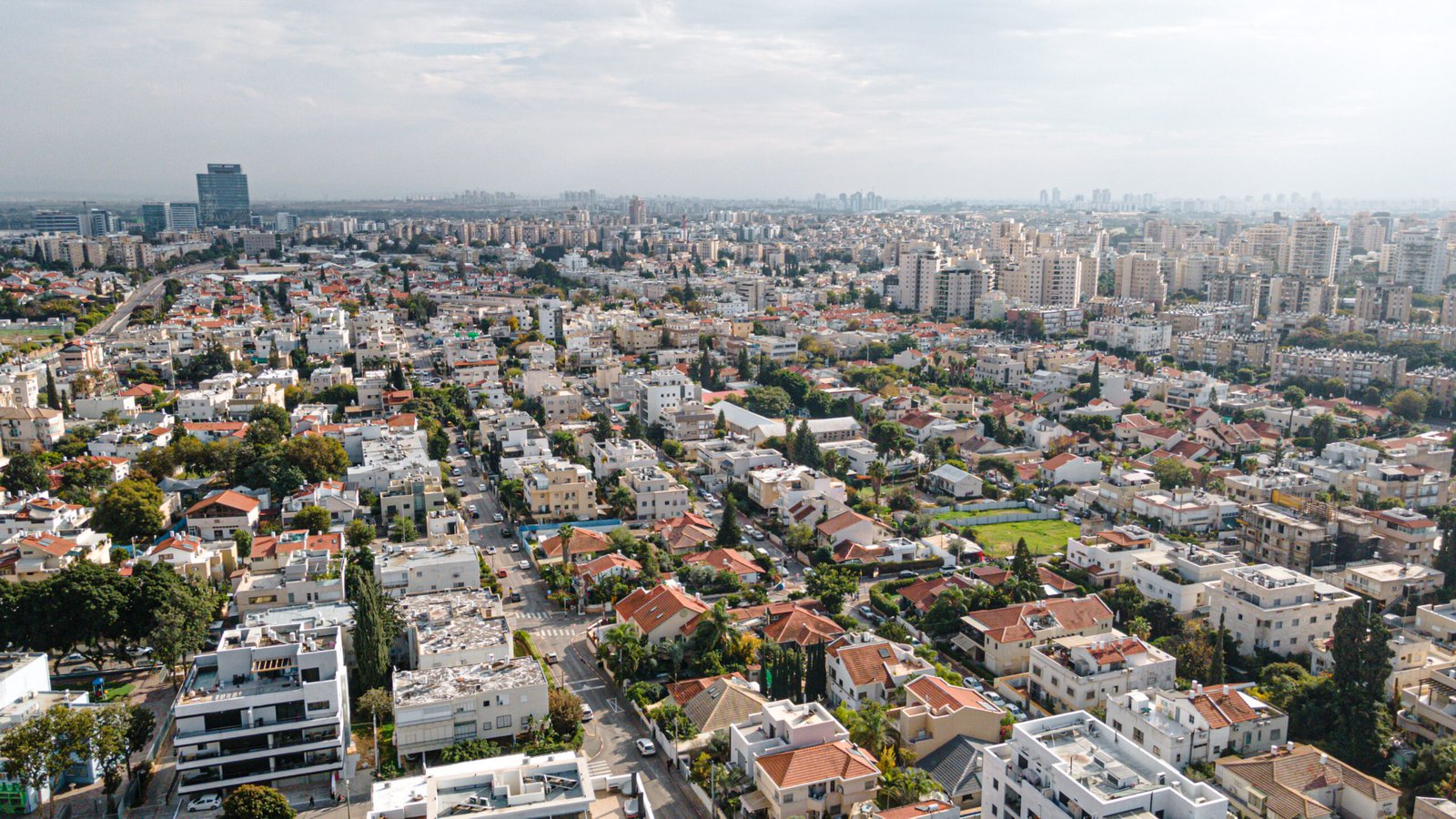
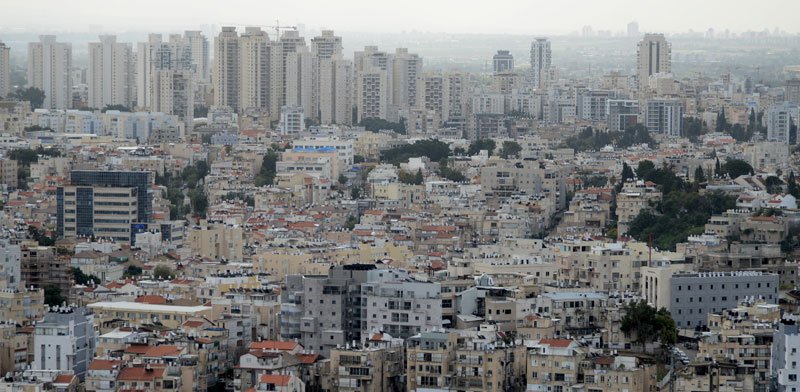
Bnei Brak is one of Israel’s most unique and culturally significant cities. Located just east of Tel Aviv, Bnei Brak is internationally known as one of the world’s foremost centers of Orthodox and Ultra-Orthodox Jewish life, religious scholarship, and Torah study.
Founded in 1924, the city has grown into a vibrant urban center with a deeply rooted religious identity. Unlike many modern cities focused primarily on commerce and tourism, Bnei Brak is recognized for its spiritual atmosphere, religious institutions, educational excellence, and centuries-old Jewish traditions.
Visitors to Bnei Brak gain a rare opportunity to experience a community where faith, learning, family values, and religious observance remain central to daily life. The city offers a fascinating glimpse into one of the most influential religious communities in the Jewish world.
Whether interested in history, religion, culture, or sociology, Bnei Brak provides a unique and meaningful travel experience.
History of Bnei Brak – From Ancient Biblical Roots to Modern Religious Center

The name Bnei Brak originates from an ancient biblical city mentioned in Jewish religious texts. The modern city was established in 1924 by religious Jewish settlers who sought to create a community centered around Torah study, religious observance, and traditional Jewish values.
Throughout the decades, Bnei Brak became a major destination for Jewish scholars, rabbis, educators, and students from around the world. The city rapidly expanded due to population growth and immigration while maintaining its strong religious identity.
Today, Bnei Brak is one of Israel’s most densely populated cities and serves as a global center for Jewish learning and scholarship.
Its unique character makes it one of the most culturally distinctive cities in the Middle East.
1. Ponevezh Yeshiva – One of the World’s Most Prestigious Torah Academies

Ponevezh Yeshiva is one of the most respected and influential yeshivas in the world.
Founded in 1944, the institution attracts thousands of students dedicated to advanced Torah and Talmud study. The yeshiva has produced many leading rabbis, scholars, and religious leaders who have shaped Jewish communities globally.
Visitors interested in Jewish education and religious scholarship can learn about the traditions and methods that define Torah study.
The institution stands as a symbol of Bnei Brak’s commitment to religious learning.
Its influence extends far beyond Israel.
2. Rabbi Akiva Street – The Commercial and Spiritual Center of the City

Rabbi Akiva Street is the city’s main commercial avenue and one of its most vibrant locations.
The street is lined with bookstores, religious shops, bakeries, clothing stores, cafés, and traditional businesses serving the local community.
Visitors can experience the daily rhythm of life in Bnei Brak while observing unique cultural traditions and community interactions.
The area offers an authentic glimpse into one of Israel’s most distinctive urban environments.
Its atmosphere reflects the city’s deeply rooted religious identity.
3. Kollel and Torah Study Centers – The Intellectual Heart of Bnei Brak

Throughout Bnei Brak, visitors will find numerous Torah study centers, seminaries, and kollels where thousands of scholars engage in religious learning every day.
These institutions form the intellectual foundation of the city and contribute to its reputation as a global center of Jewish scholarship.
Students dedicate years to studying sacred texts, Jewish law, philosophy, ethics, and religious traditions.
The concentration of educational institutions in Bnei Brak is among the highest anywhere in the world.
Their presence defines much of the city’s character and daily life.
4. The Chazon Ish House – A Landmark of Religious History
Chazon Ish House is one of the most important religious landmarks in the city.
The home belonged to Rabbi Avraham Yeshaya Karelitz, known as the Chazon Ish, one of the most influential Jewish scholars of the 20th century.
Visitors interested in Jewish history can learn about his contributions to religious scholarship and leadership.
The site remains an important destination for students, scholars, and visitors from around the world.
Its historical significance continues to inspire future generations.
5. Bnei Brak Great Synagogues – Centers of Worship and Community

Bnei Brak is home to hundreds of synagogues that serve as centers of prayer, study, and community life.
These religious institutions vary in size and tradition but collectively represent the spiritual foundation of the city.
Visitors can observe beautiful religious architecture, traditional prayer practices, and vibrant community activities.
The synagogues play a central role in daily life and help preserve centuries-old Jewish traditions.
Their presence contributes significantly to the city’s unique atmosphere.
6. Jewish Bookstores and Religious Publishing Centers

Bnei Brak is internationally recognized as a major center for Jewish publishing and religious literature.
The city contains numerous bookstores offering Torah commentaries, Talmudic texts, prayer books, religious teachings, and scholarly publications.
Visitors can explore one of the largest concentrations of Jewish literature available anywhere in the world.
These businesses contribute significantly to preserving and disseminating religious knowledge.
Their influence reaches Jewish communities across the globe.
7. Pardes Katz Neighborhood – An Important Part of Modern Bnei Brak

Pardes Katz is one of the city’s most notable neighborhoods and reflects the diversity of its population.
The area has played an important role in the city’s development and continues to evolve alongside the broader community.
Visitors can observe daily life, residential architecture, educational institutions, and local businesses.
The neighborhood offers insight into the social and economic dynamics of modern Bnei Brak.
Its history mirrors many aspects of the city’s growth and transformation.
8. Local Markets and Traditional Food Culture

The markets and bakeries of Bnei Brak provide visitors with an authentic taste of traditional Jewish cuisine and community life.
Local shops offer fresh breads, pastries, challah, kosher foods, desserts, and traditional dishes prepared according to religious dietary laws.
Visitors can experience the flavors and aromas that have been part of Jewish culinary traditions for generations.
The markets are especially lively before the Sabbath and religious holidays.
Their atmosphere reflects the city’s strong sense of community and tradition.
9. Religious Festivals and Community Celebrations

Throughout the year, Bnei Brak hosts numerous religious celebrations, festivals, and community events connected to the Jewish calendar.
Major holidays such as Passover, Rosh Hashanah, Yom Kippur, Hanukkah, and Sukkot are observed with great devotion and communal participation.
Visitors during these periods can witness unique traditions, ceremonies, decorations, and cultural practices.
These events provide valuable insight into Jewish religious life and cultural continuity.
They remain central to the identity of the city.
10. Culture, Faith, and Daily Life in Bnei Brak

Bnei Brak offers a rare opportunity to experience a city where religious values, scholarship, family life, and community traditions shape everyday activities.
The city operates according to many traditional customs and maintains a distinctive cultural environment unlike any other urban center in Israel.
Visitors can observe how faith influences education, business, social life, architecture, and public spaces.
This unique character has made Bnei Brak one of the most important centers of Orthodox Judaism worldwide.
Related artical : Best place to visit in Holon