
Now Reading: Best place to visit in israel
-
01
Best place to visit in israel
Best place to visit in israel
1. Old City of Jerusalem – The Historic Heart of the Holy Land

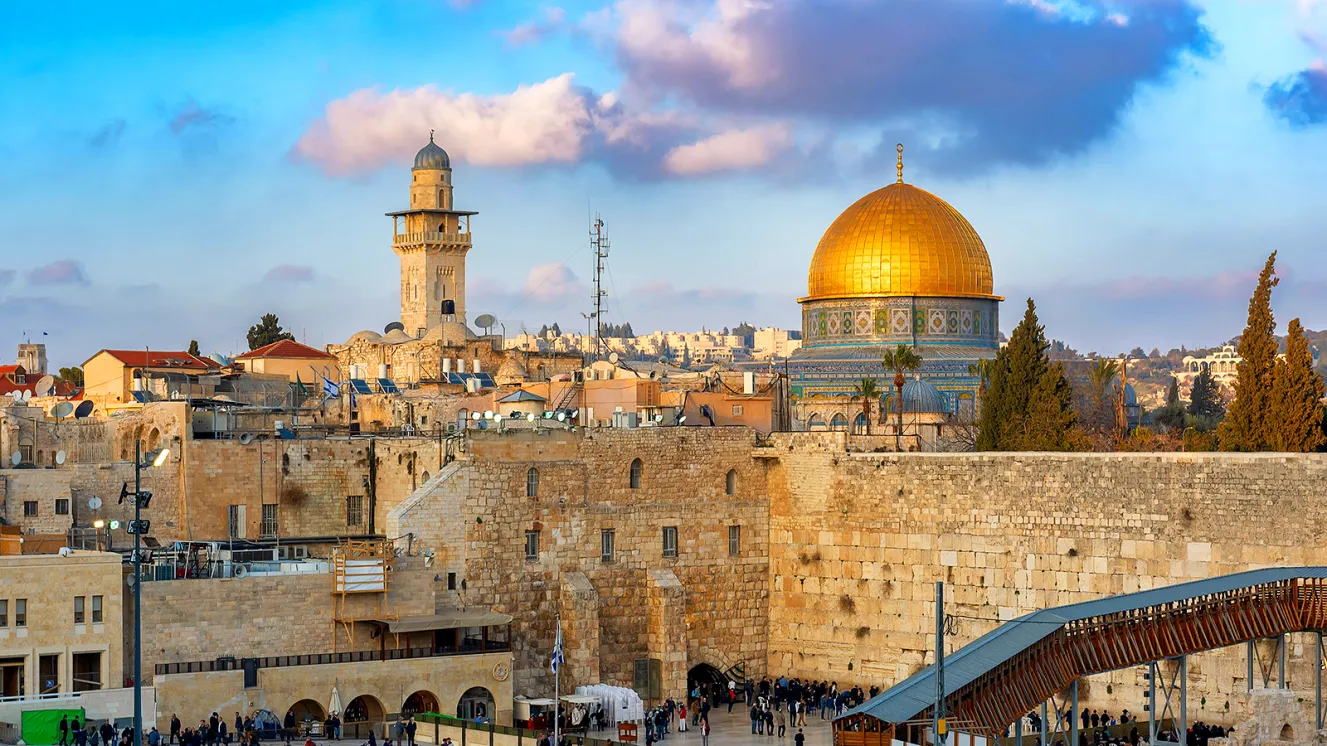
Old City of Jerusalem is one of the most historically and spiritually significant places on Earth. Surrounded by impressive stone walls built during the Ottoman era, the Old City covers less than one square kilometer yet contains some of the world’s most important religious and cultural landmarks. Divided into the Jewish, Christian, Muslim, and Armenian Quarters, the city attracts millions of pilgrims and tourists every year.
Walking through the narrow stone streets of the Old City feels like stepping back thousands of years into a living museum where history comes alive at every corner. Ancient markets, religious monuments, historic houses, and archaeological treasures reveal the city’s remarkable past. Jerusalem has been a center of faith, politics, and culture for over 3,000 years and remains sacred to Judaism, Christianity, and Islam.
Visitors can spend days exploring the Old City’s landmarks, markets, museums, and hidden alleyways while experiencing one of the most extraordinary destinations in the world.
2. Western Wall – Judaism’s Holiest Prayer Site

Western Wall, also known as the Wailing Wall, is one of the most sacred places in Judaism and one of Israel’s most visited landmarks. The wall is the remaining section of the retaining structure that surrounded the Second Temple, which was destroyed by the Romans in 70 CE.
For centuries, Jewish people from around the world have traveled to the Western Wall to pray, reflect, and connect with their spiritual heritage. Visitors often place written prayers between the ancient stones, continuing a tradition that has existed for generations.
The atmosphere at the Western Wall is deeply moving, with worshippers gathering day and night for prayer. Religious ceremonies, national celebrations, and important events frequently take place at the site, making it one of the most meaningful locations in Jewish history and culture.
3. Church of the Holy Sepulchre – Christianity’s Most Sacred Church

Church of the Holy Sepulchre is considered one of the holiest sites in Christianity. According to Christian tradition, the church marks both the location of Jesus Christ’s crucifixion at Golgotha and the site of his burial and resurrection.
Originally built in the 4th century, the church has been rebuilt and expanded several times throughout history. Today, it welcomes millions of Christian pilgrims from around the world who come to worship and experience one of Christianity’s most sacred destinations.
Inside the church, visitors can explore chapels, ancient stone structures, sacred relics, and beautifully decorated prayer areas. The spiritual significance of the site makes it one of the most important pilgrimage destinations in the world.
4. Dome of the Rock – Jerusalem’s Golden Architectural Masterpiece

Dome of the Rock is one of the most recognizable landmarks in the world and a masterpiece of Islamic architecture. Completed in the late 7th century, the shrine stands on the Temple Mount and features a magnificent golden dome that dominates Jerusalem’s skyline.
The site holds immense religious significance in Islam, as it is traditionally associated with the Prophet Muhammad’s Night Journey and Ascension to Heaven. It is also important in Jewish tradition because of its connection to the ancient Temple.
The building’s stunning mosaics, intricate decorations, and remarkable architecture attract visitors from around the globe. Its beauty and spiritual importance make it one of the most iconic landmarks in the Middle East.
5. Masada – Israel’s Legendary Desert Fortress

Masada is one of Israel’s most famous archaeological sites and a UNESCO World Heritage Site. Located atop a dramatic plateau overlooking the Judean Desert and the Dead Sea, Masada was transformed into a fortified palace complex by King Herod the Great during the first century BCE.
The site is most famous for its role in the Jewish revolt against the Romans. According to historical accounts, Jewish rebels held out against Roman forces here until 73 CE, making Masada a symbol of courage, resistance, and national identity.
Visitors can explore ancient palaces, bathhouses, storage facilities, defensive walls, and breathtaking viewpoints. The sunrise from Masada is considered one of the most spectacular experiences in Israel.
6. Dead Sea – The Lowest Point on Earth

Dead Sea is one of the world’s most unique natural wonders. Located more than 430 meters below sea level, it is the lowest exposed point on Earth and one of the saltiest bodies of water in the world.
The high salt concentration allows visitors to float effortlessly on the water’s surface, creating an unforgettable experience. The mineral-rich mud found along the shoreline is famous for its therapeutic and cosmetic benefits.
Surrounded by dramatic desert scenery and historical sites, the Dead Sea attracts millions of visitors seeking relaxation, wellness treatments, and natural beauty. Its extraordinary environment makes it one of Israel’s most iconic destinations.
7. Tel Aviv Beach – Israel’s Vibrant Mediterranean Playground

Tel Aviv Beach stretches along the Mediterranean coastline and is one of Israel’s most popular tourist destinations. Known for its golden sand, clear waters, vibrant atmosphere, and modern facilities, the beach attracts locals and tourists throughout the year.
Visitors can enjoy swimming, surfing, paddleboarding, volleyball, jogging, cycling, and beachfront dining. The promenade is lined with restaurants, cafés, hotels, and entertainment venues that create a lively atmosphere day and night.
The combination of urban sophistication and coastal beauty has helped establish Tel Aviv as one of the leading beach destinations in the Mediterranean region.
8. Jaffa Old City – Ancient Port and Cultural Treasure

Jaffa Old City is one of the oldest port cities in the world, with a history spanning more than 4,000 years. Located south of modern Tel Aviv, Jaffa combines ancient heritage with contemporary art, culture, and tourism.
The city’s narrow stone streets, historic buildings, art galleries, churches, markets, and waterfront views create a unique atmosphere that attracts visitors from around the world. According to tradition, Jaffa is associated with numerous biblical stories and historical events.
Today, Jaffa is one of Israel’s most charming destinations, offering visitors a perfect blend of history, culture, architecture, and Mediterranean beauty.
9. Baháʼí Gardens – Haifa’s Magnificent Terraced Masterpiece

Baháʼí Gardens are among the most beautiful gardens in the world and one of Israel’s most visited attractions. Stretching across the slopes of Mount Carmel, the gardens consist of nineteen perfectly landscaped terraces surrounding the golden-domed Shrine of the Báb.
Recognized as a UNESCO World Heritage Site, the gardens are considered the spiritual center of the Baháʼí Faith and attract pilgrims and tourists from around the globe.
Visitors are amazed by the symmetrical design, colorful flowers, fountains, sculptures, and panoramic views of Haifa Bay and the Mediterranean Sea. The gardens are widely regarded as one of the most beautiful examples of landscape architecture anywhere in the world.
10. Caesarea National Park – Israel’s Greatest Roman City

Caesarea National Park is one of Israel’s most impressive archaeological sites and one of the country’s top tourist attractions. Founded by Herod the Great more than 2,000 years ago, Caesarea served as an important Roman and Byzantine port city.
Visitors can explore a remarkably preserved Roman theater, hippodrome, harbor, aqueduct, palaces, bathhouses, and ancient streets while learning about the city’s fascinating history.
The combination of archaeological treasures, Mediterranean views, and historical significance makes Caesarea one of the most rewarding destinations in Israel. Today, it remains a symbol of the region’s rich heritage and one of the finest examples of ancient Roman engineering in the Middle East.
11. Sea of Galilee – Israel’s Legendary Freshwater Lake and Spiritual Landmark

Sea of Galilee, also known as Lake Kinneret, is one of Israel’s most famous natural attractions and an important destination for religious pilgrims, nature lovers, and travelers. Situated in northern Israel, it is the country’s largest freshwater lake and plays a vital role in supplying water to the region.
The Sea of Galilee holds immense significance in Christianity, as many events from the life and ministry of Jesus Christ are believed to have occurred along its shores. Visitors can explore historic churches, biblical sites, fishing villages, and beautiful lakeside landscapes while learning about the area’s rich spiritual heritage.
Beyond its religious importance, the lake offers opportunities for boating, kayaking, fishing, swimming, and nature observation. The surrounding hills and valleys create breathtaking scenery that attracts visitors year-round. Whether you’re interested in history, religion, or outdoor adventure, the Sea of Galilee is one of Israel’s most remarkable destinations.
12. Nazareth – The Childhood Home of Jesus and a City of Faith

Nazareth is one of the most important Christian pilgrimage destinations in the world and the largest Arab city in Israel. According to Christian tradition, Nazareth was the hometown of Jesus Christ and the place where he spent much of his childhood.
The city’s most famous landmark is the Basilica of the Annunciation, built on the site where the Angel Gabriel is believed to have announced to Mary that she would give birth to Jesus. The church attracts millions of pilgrims each year and is one of the largest Christian churches in the Middle East.
Visitors can also explore the Old Market, historic churches, museums, traditional neighborhoods, and local restaurants serving authentic Middle Eastern cuisine. Nazareth offers a unique blend of religious significance, cultural heritage, and modern city life, making it one of Israel’s most fascinating destinations.
13. Acre Old City – A UNESCO World Heritage Treasure

Old City of Acre is one of the best-preserved medieval cities in the world and a UNESCO World Heritage Site. With a history spanning more than 4,000 years, Acre has served as a major port, fortress, and cultural center for numerous civilizations.
Visitors can explore Crusader tunnels, ancient fortifications, Ottoman buildings, historic mosques, bustling markets, and picturesque waterfront areas. The city’s remarkable architecture reflects influences from Phoenician, Roman, Byzantine, Crusader, and Ottoman periods.
Walking through Acre’s narrow stone streets offers a unique opportunity to experience centuries of history in a living city. The combination of historical landmarks, cultural diversity, and Mediterranean beauty makes Acre one of Israel’s most rewarding travel destinations.
14. Ein Gedi Nature Reserve – An Oasis in the Desert

Ein Gedi Nature Reserve is one of Israel’s most beautiful natural attractions and a stunning oasis located near the Dead Sea. Surrounded by dramatic desert landscapes, the reserve is famous for its waterfalls, freshwater springs, lush vegetation, and diverse wildlife.
Visitors can hike scenic trails leading to hidden pools, waterfalls, and observation points while encountering ibex, rock hyraxes, and numerous bird species. The reserve is also associated with biblical history and is believed to be the place where David sought refuge from King Saul.
The contrast between the green oasis and the surrounding desert creates an unforgettable experience. Ein Gedi is a paradise for hikers, photographers, and nature enthusiasts exploring southern Israel.
15. Rosh HaNikra – Israel’s Spectacular Coastal Grottoes

Rosh HaNikra is one of Israel’s most breathtaking natural wonders, located on the Mediterranean coast near the Lebanese border. The site is famous for its stunning white limestone cliffs and sea caves carved by centuries of wave action.
Visitors descend by one of the steepest cable cars in the world to explore the spectacular grottoes, where turquoise waters flow through naturally formed tunnels and caverns. Walking through the illuminated passages provides an unforgettable experience.
The dramatic scenery, powerful waves, and panoramic coastal views make Rosh HaNikra one of Israel’s most photographed attractions. Its natural beauty attracts visitors from around the world.
16. Eilat Coral Beach Nature Reserve – The Underwater Paradise of the Red Sea

Coral Beach Nature Reserve is one of the most important marine reserves in the Middle East and one of the best snorkeling destinations in the world.
The reserve protects a vibrant coral reef ecosystem filled with colorful fish, sea turtles, rays, and hundreds of coral species. Crystal-clear waters provide excellent visibility, allowing visitors to observe marine life up close.
The reef is considered one of the northernmost coral reef systems on Earth and attracts divers, marine biologists, and nature lovers from around the globe. The reserve also plays a vital role in marine conservation and environmental education.
Its underwater beauty makes it one of the most extraordinary attractions in Israel.
17. Timna Park – Ancient Copper Mines and Desert Wonders

Timna Park is one of Israel’s most impressive desert attractions, located north of Eilat. Covering a vast area of colorful sandstone cliffs, ancient mines, and unique geological formations, the park offers visitors a fascinating combination of history and natural beauty.
Timna is famous for the towering Solomon’s Pillars, Mushroom Rock, ancient copper mines, and archaeological remains dating back thousands of years. The area is believed to have been one of the world’s earliest copper mining centers.
Visitors can enjoy hiking, cycling, jeep tours, and photography while exploring spectacular desert landscapes. The park’s dramatic scenery and historical significance make it one of southern Israel’s premier destinations.
18. Makhtesh Ramon – The World’s Largest Erosion Crater

Makhtesh Ramon is one of Israel’s greatest natural wonders and the largest erosion crater on Earth. Stretching approximately 40 kilometers long and up to 10 kilometers wide, the crater showcases millions of years of geological history.
The colorful rock formations, dramatic cliffs, unique minerals, and vast desert landscapes create a breathtaking environment for exploration. Visitors can hike, cycle, drive scenic routes, observe wildlife, and learn about the geological processes that formed this extraordinary feature.
The nearby town of Mitzpe Ramon offers excellent viewpoints overlooking the crater. At night, the region becomes one of the best stargazing locations in the Middle East due to minimal light pollution.
19. Mount of Olives – Jerusalem’s Sacred Panorama

Mount of Olives is one of Jerusalem’s most important religious and historical landmarks. Rising above the eastern side of the city, the mountain offers spectacular panoramic views of the Old City, the Dome of the Rock, and surrounding neighborhoods.
The Mount of Olives is sacred to Judaism, Christianity, and Islam. It contains ancient Jewish cemeteries, historic churches, monasteries, and pilgrimage sites associated with important biblical events.
Visitors can explore the Church of All Nations, the Chapel of the Ascension, and other significant religious landmarks while enjoying breathtaking views of Jerusalem.
Its spiritual significance and scenic beauty make it one of the most visited sites in the Holy Land.
20. Yad Vashem – Israel’s National Holocaust Memorial

Yad Vashem is Israel’s official memorial to the victims of the Holocaust and one of the most important museums in the world dedicated to preserving the memory of the six million Jews murdered during World War II.
Established in 1953, the memorial complex includes the Holocaust History Museum, Hall of Names, Children’s Memorial, art galleries, research centers, archives, and remembrance gardens. Through powerful exhibits, photographs, testimonies, artifacts, and personal stories, visitors gain a deeper understanding of one of history’s darkest chapters.
Yad Vashem serves as both a memorial and an educational institution committed to combating hatred, antisemitism, and intolerance. The experience is deeply moving and often considered one of the most impactful visits in Israel.
For many visitors, Yad Vashem represents not only remembrance but also hope, resilience, and the importance of preserving historical truth for future generations.
Related artical : Best place to visit in Dimona