
Now Reading: Best place to visit in acre
-
01
Best place to visit in acre
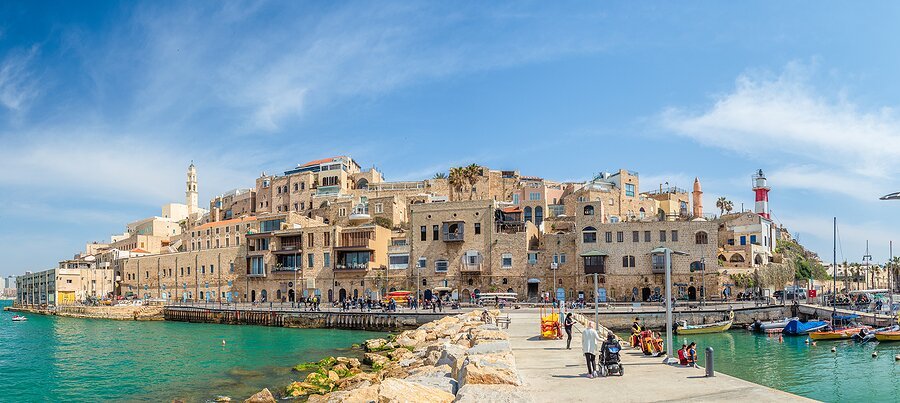
Best place to visit in acre

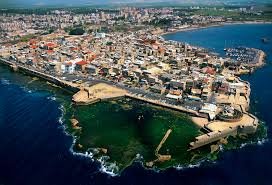
Acre, also known as Akko, is one of the oldest continuously inhabited cities in the world and one of Israel’s most fascinating historical destinations. Located on the Mediterranean coast in northern Israel, Acre boasts more than 4,000 years of history and has served as an important port, trading center, military stronghold, and cultural crossroads for numerous civilizations.
Today, Acre is recognized as a UNESCO World Heritage Site and attracts visitors from around the world who come to explore its ancient walls, Crusader tunnels, Ottoman architecture, bustling markets, historic mosques, and vibrant waterfront.
The city’s unique blend of history, religion, archaeology, culture, and coastal beauty makes it one of the most rewarding places to visit in Israel. Walking through Acre feels like stepping into a living museum where every street, building, and stone tells a story spanning thousands of years.
Whether you are interested in medieval history, religious heritage, local culture, architecture, or Mediterranean cuisine, Acre offers an unforgettable travel experience.
1. Old City of Acre – A UNESCO World Heritage Treasure

Old City of Acre is the heart of the city and one of the best-preserved medieval urban centers in the world.
The Old City contains layers of history built by Phoenicians, Romans, Byzantines, Crusaders, Mamluks, Ottomans, and modern inhabitants. Visitors can wander through narrow alleyways, historic courtyards, ancient stone buildings, and vibrant public squares while experiencing centuries of history.
The city’s remarkable preservation allows travelers to explore an authentic historical environment that has remained largely intact for generations.
The Old City is filled with museums, markets, religious sites, restaurants, and cultural attractions that make it the most important destination in Acre.
2. Knights’ Halls – The Magnificent Crusader Fortress

Knights’ Halls are among the most impressive Crusader structures in the world.
Built during the 12th and 13th centuries by the Knights Hospitaller, the halls served as military headquarters, administrative centers, dining rooms, and living quarters.
Visitors can explore enormous stone chambers, vaulted ceilings, underground passages, and beautifully preserved medieval architecture.
The scale and craftsmanship of the fortress demonstrate the importance of Acre during the Crusader period.
The site provides a fascinating glimpse into medieval military and religious history.
3. Templar Tunnel – A Hidden Underground Passage

Templar Tunnel is one of the city’s most intriguing attractions.
The tunnel was constructed by the Knights Templar to connect their fortress with the city’s port, allowing secure movement during times of conflict.
Stretching hundreds of meters beneath the Old City, the passage has been carefully restored and opened to visitors.
Walking through the illuminated tunnel provides a unique opportunity to experience a hidden part of Acre’s medieval history.
Its discovery remains one of the most significant archaeological achievements in the city.
4. Acre Port – One of the Oldest Harbors in the World

Acre Port has served sailors, merchants, fishermen, and travelers for thousands of years.
The harbor played a crucial role in ancient trade networks connecting Europe, Asia, and Africa. Today, visitors can enjoy scenic waterfront views, fishing boats, seafood restaurants, and boat tours along the Mediterranean coast.
The port remains one of the city’s most picturesque locations and offers excellent opportunities for photography.
Its historical importance and scenic beauty make it a favorite destination among tourists.
5. Al-Jazzar Mosque – A Masterpiece of Ottoman Architecture

Al-Jazzar Mosque is one of the largest and most beautiful mosques in Israel.
Built in the late 18th century, the mosque features impressive domes, elegant courtyards, intricate decorations, and stunning Ottoman architectural design.
Visitors can admire its grand structure while learning about Acre’s Islamic heritage and cultural diversity.
The mosque remains an active place of worship and an important symbol of the city’s religious history.
Its impressive architecture attracts visitors from around the world.
6. Acre Market – Experience Authentic Local Life

Acre Market offers one of the most authentic shopping experiences in Israel.
The bustling market is filled with colorful stalls selling spices, sweets, fresh produce, handmade crafts, clothing, seafood, and traditional foods.
Visitors can sample local delicacies, interact with merchants, and experience the vibrant atmosphere of daily life in the Old City.
The market reflects the multicultural heritage that has defined Acre for centuries.
Its lively environment is a highlight for many travelers.
7. Turkish Bath Museum – Exploring Ottoman Culture

Turkish Bath Museum is housed within a beautifully restored Ottoman-era bathhouse.
The museum presents exhibits, audio-visual displays, and historical information about bathing traditions, daily life, and social customs during the Ottoman period.
Visitors can explore authentic architectural features while learning about the cultural importance of bathhouses in Middle Eastern society.
The museum provides a unique perspective on Acre’s rich heritage.
Its immersive exhibits make history come alive.
8. Acre City Walls – Defenders of the Mediterranean

Acre City Walls have protected the city for centuries against invading armies and naval attacks.
Visitors can walk along sections of the fortifications while enjoying panoramic views of the Mediterranean Sea, the harbor, and the Old City.
The walls played a significant role during famous historical battles, including campaigns involving Napoleon Bonaparte.
Their impressive construction demonstrates the strategic importance of Acre throughout history.
The views from the walls are among the best in northern Israel.
9. Bahá’í Gardens of Acre – A Sacred World Heritage Site

Bahá’í Gardens and Mansion of Bahji is one of the most important pilgrimage destinations for followers of the Bahá’í Faith.
The beautifully landscaped gardens surround the shrine and residence associated with Baháʼu’lláh.
Visitors can enjoy peaceful surroundings, stunning floral displays, and a tranquil spiritual atmosphere.
The site is recognized internationally for both its religious significance and exceptional beauty.
It remains one of the most serene locations in the region.
10. Food, Culture, and Mediterranean Lifestyle

Acre is famous for its exceptional culinary scene, particularly its fresh seafood and traditional Middle Eastern cuisine.
Visitors can enjoy grilled fish, hummus, falafel, shawarma, kebabs, baklava, kanafeh, and many other regional specialties.
The city hosts cultural festivals, music events, art exhibitions, and historical celebrations throughout the year.
The combination of diverse communities, rich traditions, and coastal charm creates a vibrant atmosphere unlike any other city in Israel.
Its food, hospitality, and cultural richness leave lasting impressions on visitors.
Related artical : Best place to visit in Eilat