
Now Reading: Best place to visit in Trieste
-
01
Best place to visit in Trieste
Best place to visit in Trieste

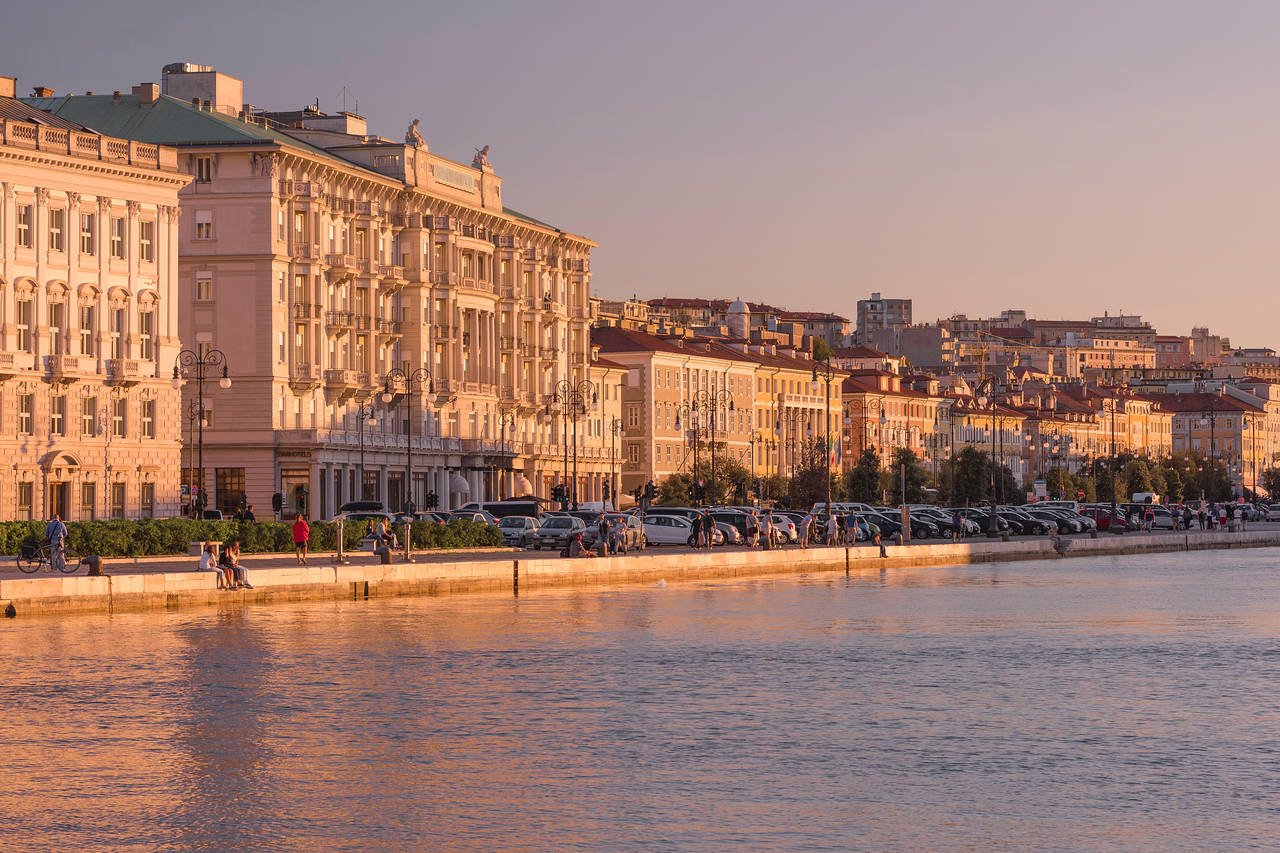
Trieste is one of Italy’s most unique and sophisticated cities. Located on the northeastern coast of Italy along the Adriatic Sea, near the borders of Slovenia and Croatia, Trieste has long served as a crossroads of cultures, languages, and civilizations. Unlike many Italian cities shaped primarily by Roman and Renaissance influences, Trieste developed under the rule of the powerful Habsburg Empire and became one of the most important ports in Europe.
The city’s rich history has created a fascinating blend of Italian, Austrian, Slovenian, and Central European influences that can be seen in its architecture, cuisine, traditions, and culture. Elegant squares, grand boulevards, historic cafés, beautiful seafront promenades, and magnificent palaces give Trieste a distinctive atmosphere unlike anywhere else in Italy.
Visitors can explore centuries of history, admire stunning Adriatic views, discover literary landmarks, and enjoy exceptional food while experiencing one of Italy’s most underrated destinations.
Whether you are interested in history, architecture, culture, literature, or coastal scenery, Trieste offers an unforgettable travel experience.
1. Piazza Unità d’Italia – Europe’s Largest Sea-Facing Square

Piazza Unità d’Italia is the most famous landmark in Trieste and one of the most beautiful squares in Europe.
Located directly beside the Adriatic Sea, the square is often described as the largest sea-facing public square on the continent. Surrounded by magnificent government buildings, historic palaces, cafés, and elegant architecture, it serves as the cultural and social heart of the city.
During the day, visitors can admire the stunning architecture and waterfront views, while at night the illuminated buildings create a magical atmosphere.
The square frequently hosts festivals, concerts, cultural events, and celebrations, making it one of the liveliest areas in Trieste.
Its beauty perfectly represents the city’s elegance and maritime heritage.
2. Miramare Castle – Trieste’s Most Beautiful Attraction

Miramare Castle is one of Italy’s most spectacular seaside castles.
Built during the 19th century for Archduke Maximilian of Austria, the castle sits dramatically on a rocky promontory overlooking the Adriatic Sea.
The elegant white castle is surrounded by beautifully landscaped gardens, exotic plants, fountains, and scenic walking paths.
Visitors can explore luxurious royal apartments, historical rooms, period furnishings, and stunning viewpoints offering panoramic sea views.
The combination of romantic architecture, royal history, and breathtaking coastal scenery makes Miramare Castle the most visited attraction in Trieste.
3. Canal Grande – The Heart of Historic Trieste

Canal Grande is one of the city’s most picturesque locations.
Constructed during the 18th century, the canal was originally built to allow ships to enter the commercial center of the city.
Today, the canal is lined with beautiful buildings, cafés, restaurants, churches, and historic structures that reflect Trieste’s prosperous maritime past.
Visitors can enjoy relaxing walks along the waterfront while admiring reflections of colorful buildings on the water.
The area is particularly beautiful during sunset when the city lights begin to illuminate the canal.
4. San Giusto Castle – The Historic Guardian of Trieste

San Giusto Castle stands atop a hill overlooking the city and has protected Trieste for centuries.
Built between the 15th and 17th centuries, the fortress played an important role in defending the city from invasions and conflicts.
Visitors can explore ancient walls, towers, courtyards, museums, and historical exhibits while learning about Trieste’s military history.
The castle offers some of the best panoramic views of the city, harbor, and Adriatic coastline.
Its historical importance and scenic location make it a must-visit attraction.
5. Cathedral of San Giusto – Trieste’s Most Important Church

Cathedral of San Giusto is the city’s principal religious monument and one of its oldest buildings.
Constructed by combining two earlier churches, the cathedral features Romanesque and Byzantine architectural elements, beautiful mosaics, historic chapels, and religious artwork.
Visitors can admire centuries-old decorations while learning about Trieste’s spiritual heritage.
The church’s hilltop location provides excellent views over the city.
Its historical significance makes it one of Trieste’s most treasured landmarks.
6. Roman Theatre – A Window into Ancient Trieste

Roman Theatre of Trieste dates back nearly 2,000 years and offers visitors a glimpse into the city’s Roman origins.
Built during the 1st century AD, the theater once hosted dramatic performances, public gatherings, and entertainment events.
Although partially buried for centuries, archaeological excavations revealed much of the structure, allowing visitors to appreciate its impressive design.
The site serves as a reminder of Trieste’s importance during the Roman Empire.
History enthusiasts particularly enjoy exploring this ancient landmark.
7. Grotta Gigante – One of the World’s Largest Tourist Caves

Grotta Gigante is one of the most extraordinary natural attractions in Europe.
Recognized as one of the world’s largest accessible cave chambers, the cave contains enormous stalactites, stalagmites, underground formations, and geological wonders.
Visitors descend deep underground to explore the immense cavern while learning about geology and natural history.
The scale of the cave is truly breathtaking and unlike any ordinary cave experience.
It is one of the most unique attractions in the region.
8. Molo Audace – Trieste’s Famous Seaside Promenade

Molo Audace is one of the most beloved locations in the city.
Stretching into the Adriatic Sea from the historic harbor, the pier provides spectacular views of the coastline, city skyline, and surrounding waters.
Locals and tourists gather here to walk, relax, watch sunsets, and enjoy the fresh sea breeze.
The promenade offers a peaceful atmosphere and excellent opportunities for photography.
Many visitors consider it one of the best places to experience Trieste’s maritime character.
9. Historic Cafés – The Literary Soul of Trieste

Trieste is often called Italy’s coffee capital and has one of the richest café cultures in Europe.
Historic cafés such as Caffè San Marco and Caffè degli Specchi served as meeting places for writers, artists, philosophers, and intellectuals.
Famous literary figures including James Joyce spent time in Trieste and found inspiration within the city’s cafés and streets.
Visitors can enjoy traditional coffee, pastries, and local specialties while experiencing the atmosphere that shaped generations of creative minds.
The café culture remains one of Trieste’s most distinctive traditions.
10. Barcola Waterfront – Trieste’s Coastal Paradise

Barcola is the city’s most popular seaside destination.
Located along the Adriatic coast, Barcola offers beautiful waterfront promenades, swimming areas, scenic viewpoints, and relaxing coastal scenery.
During summer, locals gather here to swim, sunbathe, cycle, jog, and enjoy outdoor activities.
The area provides stunning views of the sea and nearby Miramare Castle.
Its combination of natural beauty and urban convenience makes it one of the most enjoyable places to visit in Trieste.
Related artical : Best place to visit in Padua