
Now Reading: Best place to visit in Pavlodar
-
01
Best place to visit in Pavlodar
Best place to visit in Pavlodar

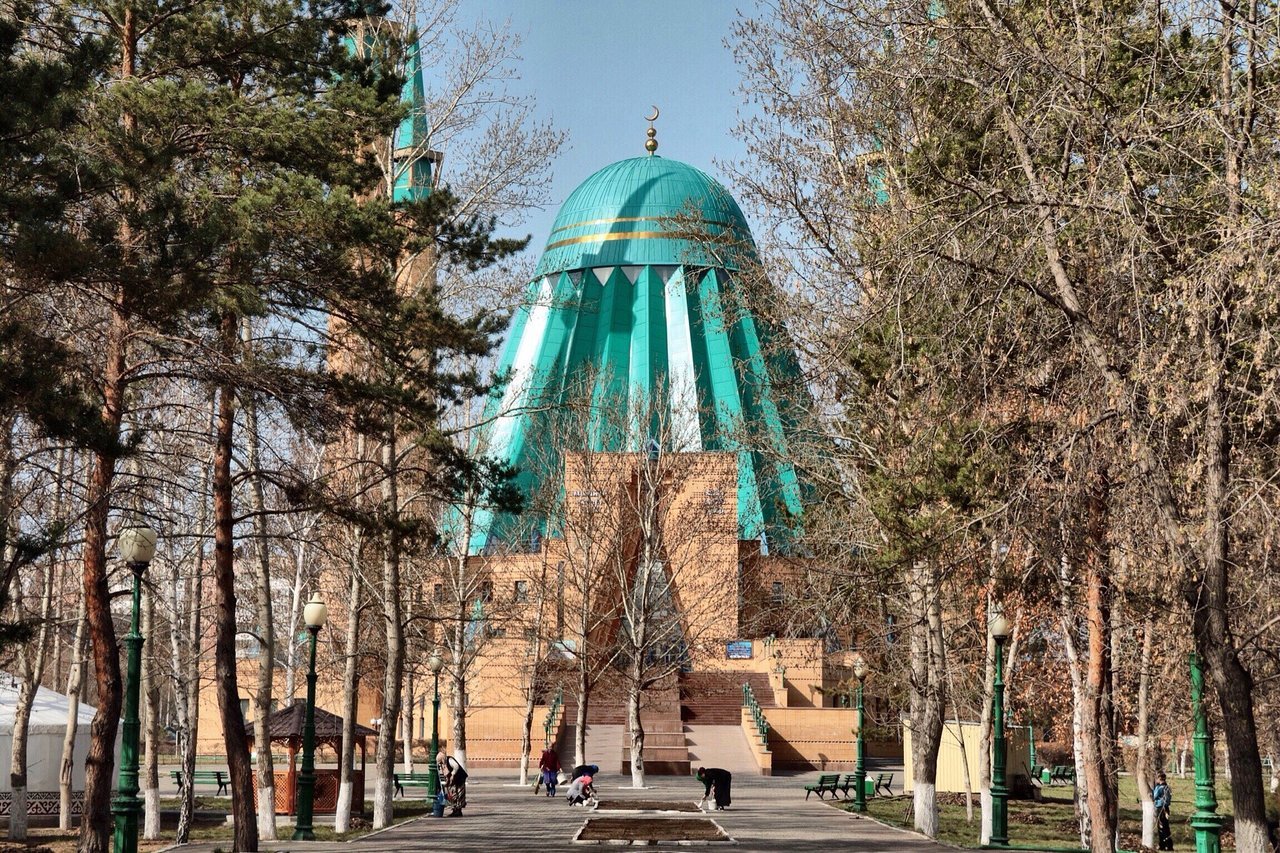
Pavlodar is one of Kazakhstan’s most important industrial, cultural, and economic centers, located in the northeastern part of the country along the magnificent Irtysh River. Known for its rich history, strategic location, powerful industrial sector, and beautiful riverside landscapes, Pavlodar has evolved into one of the nation’s most dynamic urban centers.
As the administrative capital of Pavlodar Region, the city plays a crucial role in Kazakhstan’s economy, particularly in energy production, metallurgy, manufacturing, and transportation. At the same time, Pavlodar is celebrated for its parks, educational institutions, cultural attractions, and welcoming atmosphere.
Today, Pavlodar stands as a symbol of Kazakhstan’s industrial strength and modern development while preserving its historical heritage and natural beauty.
1. The Historical Origins of Pavlodar

The origins of Pavlodar date back to the early eighteenth century when the Russian Empire established military outposts along the Irtysh River to strengthen regional security and facilitate trade.
The settlement initially developed as a small fortress and trading station known as Koryakovsky. Due to its favorable location along river transport routes, the settlement gradually expanded into an important commercial center.
In 1861, the town received its current name, Pavlodar, in honor of Grand Duke Pavel Alexandrovich of Russia. During the following decades, trade, agriculture, and transportation contributed significantly to its growth.
The city’s history reflects centuries of economic activity, migration, and cultural exchange that helped shape its modern identity.
2. The Irtysh River – Lifeline of Pavlodar

One of Pavlodar’s defining features is its location along the mighty Irtysh River.
The river has played a central role in the city’s development for centuries, providing transportation routes, water resources, fishing opportunities, and economic benefits. The Irtysh is one of the longest rivers in Asia and serves as an important natural corridor connecting various regions.
Today, the riverfront is one of Pavlodar’s most attractive areas, featuring promenades, parks, observation points, and recreational spaces that attract residents and visitors alike.
The river continues to influence the city’s economy, culture, and quality of life.
3. An Industrial Powerhouse of Kazakhstan

Pavlodar is widely recognized as one of Kazakhstan’s leading industrial centers.
The city hosts major enterprises involved in metallurgy, aluminum production, petrochemicals, energy generation, machinery manufacturing, and processing industries. These sectors contribute significantly to Kazakhstan’s economic output and export capabilities.
Industrial development accelerated during the Soviet era when large-scale factories and energy projects were established throughout the region. Today, these industries continue to support economic growth and employment.
Pavlodar’s industrial strength has earned it a reputation as one of the most economically important cities in Kazakhstan.
4. Energy and Economic Importance
The Pavlodar region is a major center for energy production.
Abundant coal resources and large power stations support electricity generation for industries and communities throughout Kazakhstan. Energy infrastructure has played a key role in the city’s growth and competitiveness.
The region’s natural resources have attracted investment and encouraged the development of related industries. This economic activity supports thousands of jobs and contributes to national prosperity.
Pavlodar continues to serve as a cornerstone of Kazakhstan’s industrial and energy sectors.
5. Education and Academic Excellence

Education is a major component of Pavlodar’s development.
The city is home to universities, colleges, technical institutes, and research centers that provide opportunities for students from across Kazakhstan. Academic programs focus on engineering, science, technology, business, medicine, and education.
Educational institutions help develop a skilled workforce capable of supporting the region’s industries and future growth.
The presence of a large student population contributes to the city’s vibrant intellectual and cultural atmosphere.
6. Cultural Heritage and Community Life

Pavlodar possesses a rich cultural landscape shaped by diverse communities and historical influences.
The city hosts theaters, museums, galleries, cultural centers, and festivals that celebrate Kazakh heritage and international traditions. Music, dance, literature, and visual arts play important roles in community life.
Residents take pride in preserving cultural traditions while embracing modern creativity and innovation.
Visitors often find Pavlodar to be a welcoming city with a strong sense of community and cultural identity.
7. Parks, Recreation, and Urban Beauty

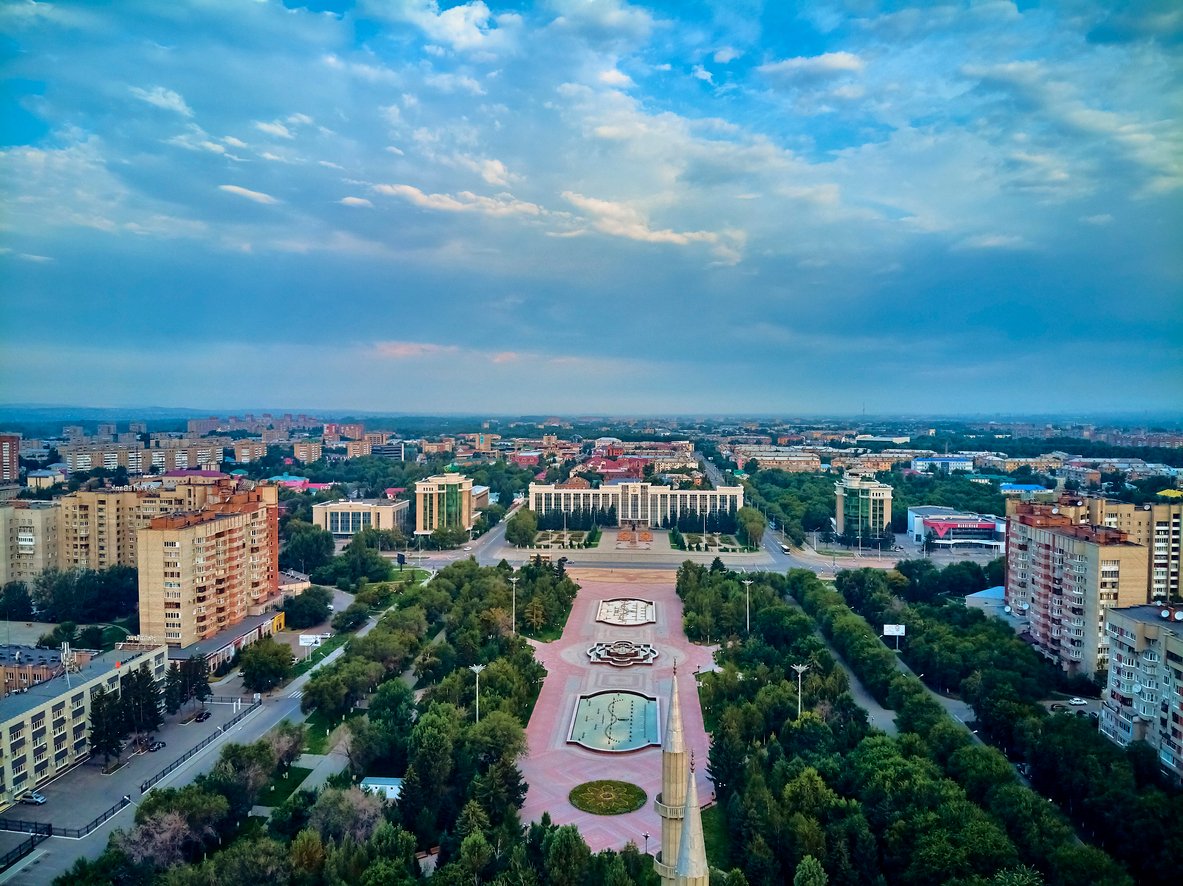
Despite its industrial character, Pavlodar is known for its beautiful parks and recreational spaces.
Tree-lined avenues, landscaped gardens, riverside promenades, and public squares create attractive environments for relaxation and leisure. These spaces provide opportunities for walking, cycling, sports, and family activities.
The city places considerable emphasis on urban beautification and environmental improvement, enhancing the quality of life for residents.
Green spaces contribute significantly to Pavlodar’s appeal as a modern and livable city.
8. Architecture and Modern Development

Modern Pavlodar reflects decades of urban growth and infrastructure investment.
The city features contemporary residential neighborhoods, commercial centers, business districts, educational facilities, and public institutions. New development projects continue to modernize transportation systems, utilities, and public services.
Architectural styles throughout the city range from Soviet-era structures to modern commercial and residential buildings.
This blend of historical and contemporary architecture reflects Pavlodar’s evolving identity.
9. Gateway to Northeastern Kazakhstan
Pavlodar serves as an important gateway to northeastern Kazakhstan.
The surrounding region offers diverse landscapes including forests, lakes, rivers, grasslands, and unique geological formations. These natural attractions provide opportunities for tourism, outdoor recreation, and environmental exploration.
The city’s transportation connections make it an important hub for travelers and businesses operating throughout the region.
Its strategic location continues to strengthen its role in regional development.
10. Pavlodar Today – Kazakhstan’s Industrial Pearl on the Irtysh

Today, Pavlodar stands among Kazakhstan’s most important and successful cities. Its strategic position on the Irtysh River, powerful industrial base, educational institutions, cultural attractions, and modern infrastructure have made it a key contributor to the nation’s development.
From its origins as a small trading settlement and fortress to its emergence as a leading industrial and economic center, Pavlodar reflects Kazakhstan’s remarkable journey of growth and modernization. Visitors discover a city where history, industry, culture, and natural beauty coexist harmoniously.
As Kazakhstan continues to expand its economy and strengthen its global presence, Pavlodar remains at the forefront of progress, innovation, and regional leadership. It is a city that honors its past while confidently building its future, making it one of the most fascinating destinations in northeastern Kazakhstan.
Related artical : Best place to visit in Taraz