
Now Reading: Best place to visit in Mumias
-
01
Best place to visit in Mumias
Best place to visit in Mumias

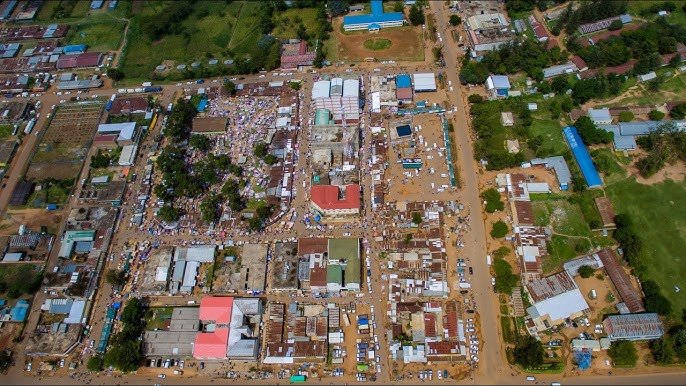
Mumias is one of western Kenya’s most historically significant destinations, offering visitors a fascinating blend of cultural heritage, royal history, traditional Luhya customs, scenic countryside, and authentic community experiences. Located in Kakamega County, approximately 40 kilometers from Kakamega Town, Mumias has long been recognized as one of the most important cultural centers in western Kenya.
Historically, Mumias was the capital of the powerful Wanga Kingdom, one of the most influential traditional kingdoms in Kenya. The town played a major role in regional politics, trade, and administration during both pre-colonial and colonial times. Today, Mumias remains an important center of culture and history, where visitors can learn about centuries of traditions that continue to shape local identity.
Surrounded by fertile farmland, rolling landscapes, rivers, and vibrant communities, Mumias offers travelers a unique opportunity to experience a side of Kenya that is rich in heritage, hospitality, and authenticity.
Whether you’re interested in history, culture, photography, agriculture, or exploring Kenya beyond the typical tourist routes, Mumias provides an unforgettable journey into the heart of western Kenya.
1. Nabongo Cultural Centre – Discover the Legacy of the Wanga Kingdom

The most important attraction in Mumias is undoubtedly the Nabongo Cultural Centre.
The center preserves the history and traditions of the Wanga Kingdom, one of Kenya’s most influential traditional monarchies. Visitors can explore exhibits showcasing royal artifacts, cultural practices, traditional regalia, historical documents, and stories of the Wanga rulers known as Nabongos.
The center provides valuable insights into the kingdom’s role in regional governance, trade, diplomacy, and cultural development.
For anyone interested in Kenyan history, the Nabongo Cultural Centre is an essential destination.
2. The Royal Heritage of the Wanga Kingdom
Mumias is best known as the historic seat of the Wanga Kingdom.
For centuries, the kingdom served as a powerful political and cultural force in western Kenya. The Wanga rulers established extensive trade networks and maintained diplomatic relationships with neighboring communities and colonial administrators.
Visitors can learn about the kingdom’s influence, governance systems, traditional leadership structures, and its unique place in Kenyan history.
The royal heritage remains an important source of pride for local communities.
Exploring this history provides a deeper understanding of the cultural foundations of western Kenya.
3. Mumias Sugar Heritage – The Story of Kenya’s Sugar Industry

For many years, Mumias was closely associated with Kenya’s sugar industry.
The surrounding region remains covered by extensive sugarcane farms that contribute significantly to local agriculture and the economy. Visitors can observe vast fields stretching across the countryside and learn about the importance of sugar production in shaping the region’s development.
The agricultural landscapes create beautiful scenery characterized by rolling green fields and fertile farmland.
Exploring the area’s farming heritage offers valuable insight into the livelihoods of local communities.
The sugar industry remains an important chapter in Mumias’ modern history.
4. River Nzoia – The Lifeline of Western Kenya

One of the region’s most important natural features is River Nzoia.
Flowing through parts of western Kenya, the river supports agriculture, wildlife habitats, and local communities while contributing to the area’s natural beauty.
Visitors can enjoy peaceful views, birdwatching opportunities, and scenic countryside landscapes along sections of the river.
The waterway has played an essential role in the development and prosperity of the region for generations.
Its importance extends beyond nature into local culture and history.
5. Traditional Luhya Culture and Community Life

Mumias lies within one of the most culturally rich regions of Kenya and offers excellent opportunities to experience traditional Luhya culture.
Visitors can learn about local customs, music, dance, storytelling, ceremonies, and culinary traditions that have been preserved for generations.
Community gatherings, cultural festivals, and traditional performances showcase the vibrant heritage of western Kenya.
The hospitality of local residents creates memorable interactions for travelers.
Understanding local culture adds tremendous value to any visit to Mumias.
6. Scenic Countryside and Rural Landscapes

One of Mumias’ greatest attractions is its beautiful countryside.
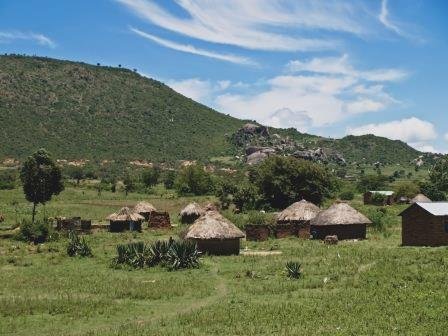
The region features rolling hills, fertile farmland, rivers, forests, and picturesque villages that create a peaceful and scenic environment. The lush landscapes are especially beautiful during the rainy seasons when vegetation flourishes throughout the region.
Travelers can enjoy leisurely drives, photography excursions, and opportunities to appreciate the agricultural richness of western Kenya.
The rural scenery provides a refreshing contrast to Kenya’s more urban destinations.
Nature lovers will find plenty to admire throughout the area.
7. Traditional Markets – Experiencing Everyday Life

The local markets of Mumias offer visitors an authentic glimpse into daily life in western Kenya.
These bustling centers of commerce feature fresh produce, handmade crafts, textiles, spices, and agricultural products from surrounding communities.
Markets provide opportunities to interact with local residents, sample regional foods, and experience the vibrant atmosphere of community life.
The lively environment reflects the strong entrepreneurial spirit of the region.
Exploring the markets is an excellent way to connect with local culture.
8. Birdwatching and Natural Exploration

The natural environments surrounding Mumias support a wide variety of bird species and wildlife.
Farmlands, wetlands, forests, and river systems create habitats for colorful birds, butterflies, and small mammals that can be observed throughout the year.
Birdwatchers and nature enthusiasts will find numerous opportunities to enjoy wildlife observation and photography.
The region’s biodiversity contributes significantly to its natural appeal.
Exploring the countryside often reveals unexpected encounters with nature.
9. Local Cuisine and Traditional Foods

Food is an important part of the cultural experience in Mumias.
Traditional meals often feature fresh local ingredients, including maize, vegetables, beans, fish, and meat prepared according to recipes passed down through generations.
Visitors can enjoy authentic regional dishes while learning about the culinary traditions that form an important part of local identity.
Meals often reflect the agricultural abundance of western Kenya.
Sampling local cuisine provides a deeper appreciation of the community’s heritage and lifestyle.
Related artical : Best place to visit in Kilifi