
Now Reading: Best place to visit in Narok
-
01
Best place to visit in Narok
Best place to visit in Narok
Narok is one of Kenya’s most iconic and breathtaking destinations, offering visitors a spectacular combination of world-famous wildlife safaris, Maasai culture, dramatic landscapes, rivers, waterfalls, and unforgettable outdoor adventures. Located in southwestern Kenya, Narok serves as the capital of Narok County and is internationally renowned as the gateway to the legendary Maasai Mara National Reserve.
The county is blessed with vast savannahs, rolling hills, rivers, forests, escarpments, and rich wildlife ecosystems that attract travelers from every corner of the globe. Narok is home to the Maasai people, one of Africa’s most famous indigenous communities, whose traditions, colorful culture, and close relationship with nature have become symbols of Kenya itself.
From witnessing the Great Migration and exploring pristine wilderness to experiencing authentic Maasai traditions and discovering hidden natural attractions, Narok offers some of the most extraordinary travel experiences in Africa.
Whether you’re a wildlife enthusiast, photographer, cultural explorer, adventure traveler, or first-time visitor to Kenya, Narok promises memories that will last a lifetime.
1. Maasai Mara National Reserve – Africa’s Ultimate Safari Destination

The crown jewel of Narok County is undoubtedly the magnificent Maasai Mara National Reserve.
Widely regarded as one of the greatest wildlife destinations on Earth, the reserve is famous for its extraordinary biodiversity, breathtaking landscapes, and exceptional safari experiences.
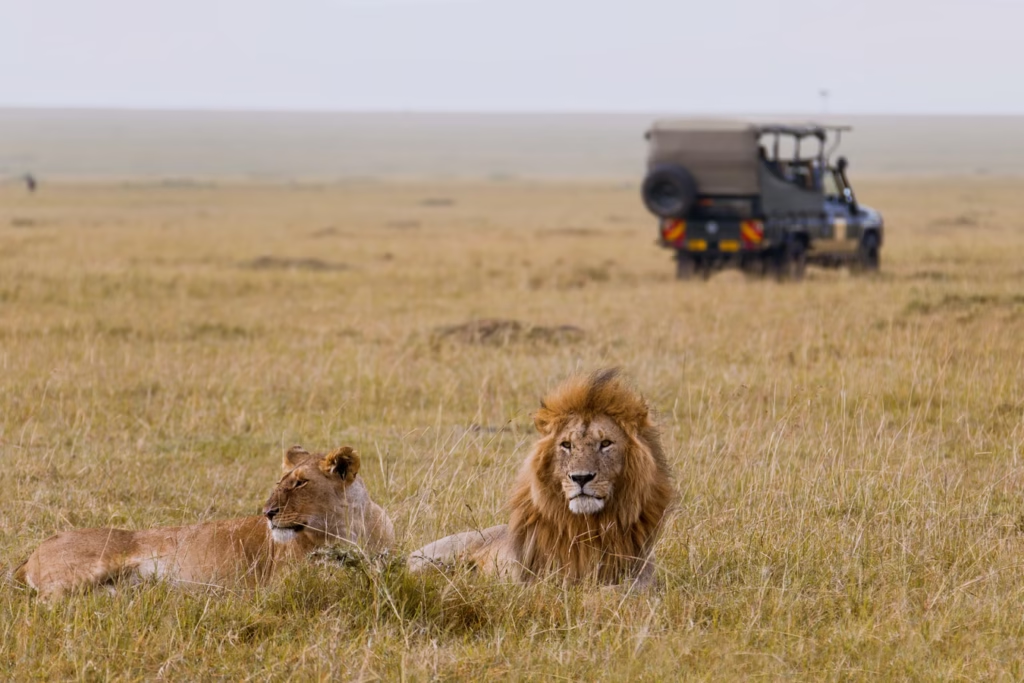
Visitors can encounter the legendary Big Five—lions, elephants, leopards, buffaloes, and rhinoceroses—alongside cheetahs, giraffes, zebras, hippos, crocodiles, hyenas, and countless other species.
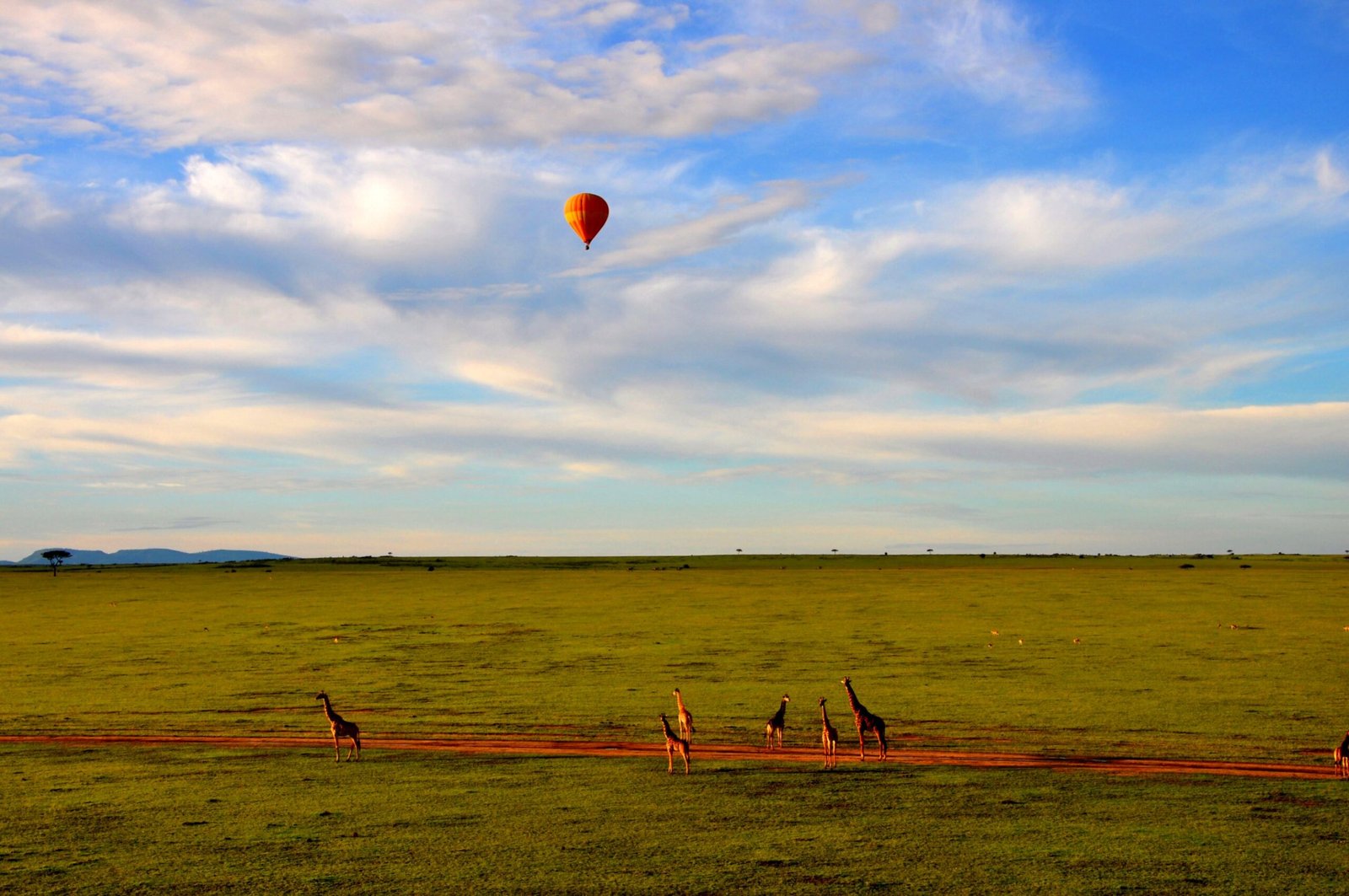
The reserve’s vast open plains create some of Africa’s most iconic safari scenery.
For many travelers, a visit to the Maasai Mara is the highlight of their journey to Kenya.
2. The Great Migration – Nature’s Greatest Spectacle

One of the world’s most extraordinary wildlife events takes place in Narok every year.
The Great Migration sees millions of wildebeest, zebras, and gazelles move between Kenya and Tanzania in search of fresh grazing land.
The dramatic river crossings at the Mara River are among the most spectacular natural events on the planet, attracting photographers and wildlife enthusiasts from around the world.
Predators often wait nearby, creating thrilling scenes of survival and determination.
Witnessing the Great Migration is considered one of the ultimate wildlife experiences in Africa.
3. Mara River – The Lifeline of the Savannah

The beautiful Mara River flows through the heart of the Maasai Mara ecosystem.
The river supports countless animals and plays a vital role in sustaining the region’s biodiversity. Visitors can observe hippos, crocodiles, elephants, and numerous bird species along its banks.
The river is particularly famous for the dramatic migration crossings that occur each year.
Its scenic beauty and ecological importance make it one of the reserve’s most significant natural features.
The Mara River embodies the wild spirit of Africa.
4. Maasai Cultural Villages – Discovering Kenya’s Most Famous Heritage

Narok is the cultural heartland of the Maasai people.
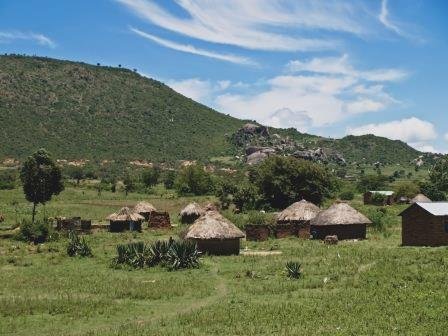
Visitors can explore traditional Maasai villages and learn about customs, ceremonies, music, dance, crafts, and pastoral lifestyles that have been preserved for centuries.
The Maasai are renowned for their colorful attire, unique traditions, and strong connection to nature and livestock.
Cultural visits provide meaningful opportunities to interact with local communities and gain insight into one of Africa’s most celebrated cultures.
The experience adds depth and authenticity to any journey through Narok.
5. Oloololo Escarpment – The Best Views in the Mara

One of the most spectacular viewpoints in the region is Oloololo Escarpment.
Rising dramatically above the plains, the escarpment offers breathtaking panoramic views of the Maasai Mara ecosystem stretching toward the horizon.
Visitors can admire endless grasslands, winding rivers, wildlife herds, and stunning sunsets from this elevated vantage point.
The scenery is among the most photographed in Kenya.
The escarpment perfectly showcases the immense scale and beauty of the African savannah.
6. Loita Hills and Loita Forest – The Forest of the Lost Child

The beautiful Loita Forest offers a completely different environment from the open plains of the Maasai Mara.
Known locally as the “Forest of the Lost Child,” this indigenous forest features hiking trails, rivers, waterfalls, wildlife, and cultural significance for the Maasai community.
Visitors can explore dense woodlands, enjoy birdwatching opportunities, and experience the tranquility of one of Kenya’s most important forest ecosystems.
The forest’s biodiversity and natural beauty make it a hidden treasure within Narok County.
Nature lovers will find endless opportunities for exploration.
7. Suswa Caves and Mount Suswa – Adventure in a Volcanic Landscape

Adventure seekers should visit the fascinating Mount Suswa.
This dormant volcano is famous for its extensive cave systems, lava tubes, dramatic craters, and unique geological formations.
Visitors can hike across volcanic landscapes, explore caves inhabited by bats, and enjoy stunning views of the surrounding countryside.
The mountain offers one of Kenya’s most distinctive outdoor adventure experiences.
Its rugged beauty attracts hikers, geologists, and photographers alike.
8. Enkare Ngiro Waterfall – Narok’s Hidden Natural Wonder
One of Narok’s lesser-known treasures is the beautiful Enkare Ngiro Waterfall.
Surrounded by lush vegetation and dramatic landscapes, the waterfall provides a peaceful retreat for visitors seeking natural beauty away from busier tourist areas.
The sound of cascading water and the surrounding scenery create a relaxing atmosphere ideal for photography and exploration.
The waterfall highlights the diverse environments found throughout Narok County.
Its beauty often surprises first-time visitors.
9. Narok Town – The Gateway to Adventure

The vibrant town of Narok serves as the primary gateway to the Maasai Mara and many of the county’s attractions.
Visitors can explore bustling markets, cultural centers, local restaurants, and artisan shops while experiencing everyday life in Maasailand.
The town’s growth reflects its importance as a tourism, agricultural, and commercial hub.
Narok provides an excellent introduction to the culture and landscapes of the region.
Its lively atmosphere and friendly communities make it an enjoyable stop for travelers.
Related artical : Best place to visit in Migori