
Now Reading: Best place to visit in Subotica
-
01
Best place to visit in Subotica
Best place to visit in Subotica

Subotica is one of Serbia’s most beautiful and architecturally stunning cities, offering visitors a unique blend of Art Nouveau masterpieces, rich cultural heritage, elegant squares, lakeside attractions, and a fascinating multicultural atmosphere. Located in the northernmost part of Serbia near the Hungarian border, Subotica serves as one of the most important cultural centers of the Vojvodina region.
Known as Serbia’s Art Nouveau capital, Subotica boasts some of the finest examples of early twentieth-century architecture in Europe. Its colorful buildings, intricate decorative details, grand public structures, and charming streets create an atmosphere unlike any other city in the country.
Throughout its history, Subotica has been influenced by Serbian, Hungarian, Croatian, Bunjevac, Jewish, and other cultures, creating a rich diversity reflected in its traditions, cuisine, languages, and architecture. Visitors can explore magnificent landmarks, beautiful parks, museums, historic churches, and the nearby shores of Lake Palić while experiencing one of Serbia’s most elegant destinations.
Whether you’re a lover of architecture, history, photography, culture, or nature, Subotica offers an unforgettable journey through one of the hidden gems of Central Europe.
1. Subotica City Hall – The Crown Jewel of Serbian Art Nouveau

The most iconic attraction in the city is undoubtedly Subotica City Hall.
Completed in 1912, this magnificent building is widely regarded as one of the finest examples of Hungarian Art Nouveau architecture in Europe. Designed with colorful ceramic decorations, stained-glass windows, ornate towers, and intricate details, the structure dominates the city’s skyline.
Visitors can explore the interior, admire stunning decorative elements, and climb the observation tower for breathtaking panoramic views of Subotica and the surrounding plains.
The building remains the symbol of the city and a masterpiece of architectural design.
Its beauty alone makes Subotica worth visiting.
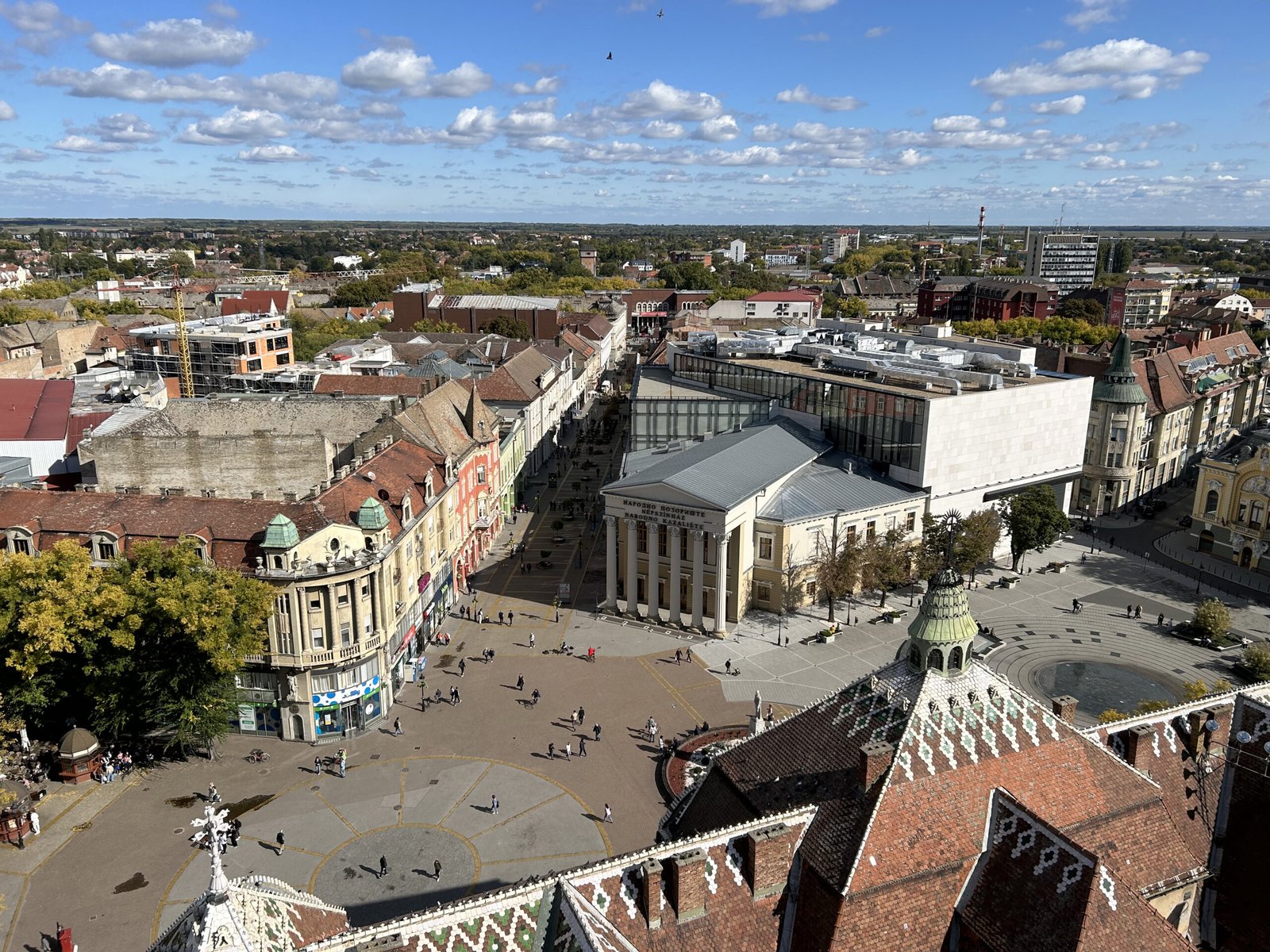
2. Freedom Square – The Heart of the City

At the center of the city lies the elegant Freedom Square.
Surrounded by some of Subotica’s most impressive buildings, cafés, restaurants, and cultural landmarks, the square serves as the city’s main gathering place.
Visitors can admire colorful facades, enjoy outdoor dining, and experience the lively atmosphere created by locals and tourists alike.
The square regularly hosts cultural events, festivals, concerts, and public celebrations.
Its charm and architectural beauty make it one of Serbia’s most attractive urban spaces.
3. The Synagogue of Subotica – A Masterpiece of Jewish Architecture

One of the city’s most remarkable landmarks is the magnificent Subotica Synagogue.
Built in 1902, it is considered one of the most beautiful Art Nouveau synagogues in Europe and one of the largest synagogues in the region.
The building features vibrant colors, floral motifs, decorative stained glass, and an impressive interior that reflects the creativity of the Art Nouveau movement.
Visitors can learn about the history of the Jewish community in Subotica while admiring one of Serbia’s greatest architectural treasures.
The synagogue stands as a symbol of the city’s multicultural heritage.
4. Raichle Palace – A Dream of Art Nouveau Design

Another architectural masterpiece is the extraordinary Raichle Palace.
Designed by architect Ferenc Raichle as his private residence, the palace is famous for its imaginative design, vibrant colors, decorative ceramics, and artistic details.
Today, the building houses an art gallery where visitors can enjoy exhibitions while exploring one of the most unique examples of Art Nouveau architecture in Europe.
Every corner of the palace showcases remarkable craftsmanship and creativity.
It remains one of Subotica’s most photographed attractions.
5. Lake Palić – Serbia’s Lakeside Paradise

Just a few kilometers from the city lies the beautiful Lake Palić.
For more than a century, the lake has served as one of Serbia’s most popular recreational and tourism destinations.
Visitors can enjoy scenic promenades, cycling paths, boating, swimming, birdwatching, and lakeside dining while surrounded by elegant historic architecture and natural beauty.
The peaceful atmosphere makes Lake Palić an ideal escape from urban life.
Its combination of recreation and relaxation attracts visitors throughout the year.
6. Palić Park and the Grand Terrace

One of the highlights of the lake area is the beautiful Grand Terrace.
Built in Art Nouveau style, the structure serves as one of the most recognizable landmarks around the lake.
Surrounded by landscaped gardens and scenic pathways, the terrace hosts cultural events, exhibitions, and festivals throughout the year.
Visitors can admire its decorative architecture while enjoying views of the surrounding parkland.
The area reflects the elegance and sophistication that have defined Palić for generations.
7. Subotica National Theatre – A Cultural Landmark

The impressive National Theatre of Subotica plays an important role in the city’s cultural life.
The theatre hosts drama performances, concerts, festivals, and artistic events that attract audiences from across the region.
Its presence reflects Subotica’s long-standing reputation as a center of culture and creativity.
Visitors interested in performing arts can experience local productions and international performances throughout the year.
The theatre continues to enrich the city’s vibrant cultural scene.
8. Subotica Museum – Discovering the City’s Rich Heritage

The fascinating Subotica Museum offers visitors an opportunity to explore the city’s diverse history and cultural heritage.
Its collections include archaeological artifacts, historical documents, traditional costumes, artworks, and ethnographic exhibits that tell the story of the region through the centuries.
Visitors gain valuable insights into the multicultural communities that have shaped Subotica’s identity.
The museum serves as an important educational and cultural institution.
Its exhibits provide context for understanding the city’s remarkable character.
9. Multicultural Traditions and Festivals
Subotica is renowned for its cultural diversity and multicultural traditions.
Throughout the year, the city hosts numerous festivals celebrating music, dance, literature, film, and local heritage. Serbian, Hungarian, Croatian, Bunjevac, and other communities contribute to the vibrant cultural landscape.
Visitors can experience traditional performances, folk music, local crafts, and community celebrations that reflect the city’s unique identity.
This cultural richness is one of Subotica’s greatest strengths.
The diversity of traditions creates an atmosphere of openness and creativity.
10. Cuisine and Café Culture of Vojvodina

Subotica is a paradise for food lovers.
The city’s multicultural heritage is reflected in its cuisine, which combines Serbian, Hungarian, Central European, and Balkan influences. Visitors can enjoy traditional dishes, homemade pastries, local wines, artisan desserts, and regional specialties.
The café culture is particularly vibrant, with charming outdoor terraces and elegant coffee houses lining the city’s streets and squares.
Dining in Subotica offers a wonderful opportunity to experience local hospitality and traditions.
Every meal becomes part of the cultural journey.
Related artical : Best place to visit in Kragujevac